

Bruges
Bruges, often referred to as the "Venice of the North," is a city where medieval charm meets modern allure. Nestled in the heart of Belgium's Flanders region, Bruges is renowned for its well-preserved medieval architecture, winding canals, and cobblestone streets that invite visitors to step back in time.

Nuremberg
Nuremberg is Bavaria’s second-largest city and for centuries was the undeclared capital of the Holy Roman Empire. There is plenty to do and see, starting with picturesque charm of the Old Town, situated at the foot of the Kaiserburg.

France
France offers far more than its capital city. While Paris draws millions each year, the country’s true richness lies in its variety, from Alpine villages to Atlantic coastlines, medieval towns to Mediterranean markets. In Normandy, visitors can walk along the D-Day beaches or explore the towering abbey of Mont-Saint-Michel, which becomes an island at high tide. Further inland, the Loire Valley is dotted with over 300 castles, many of which are open for tours and even overnight stays.
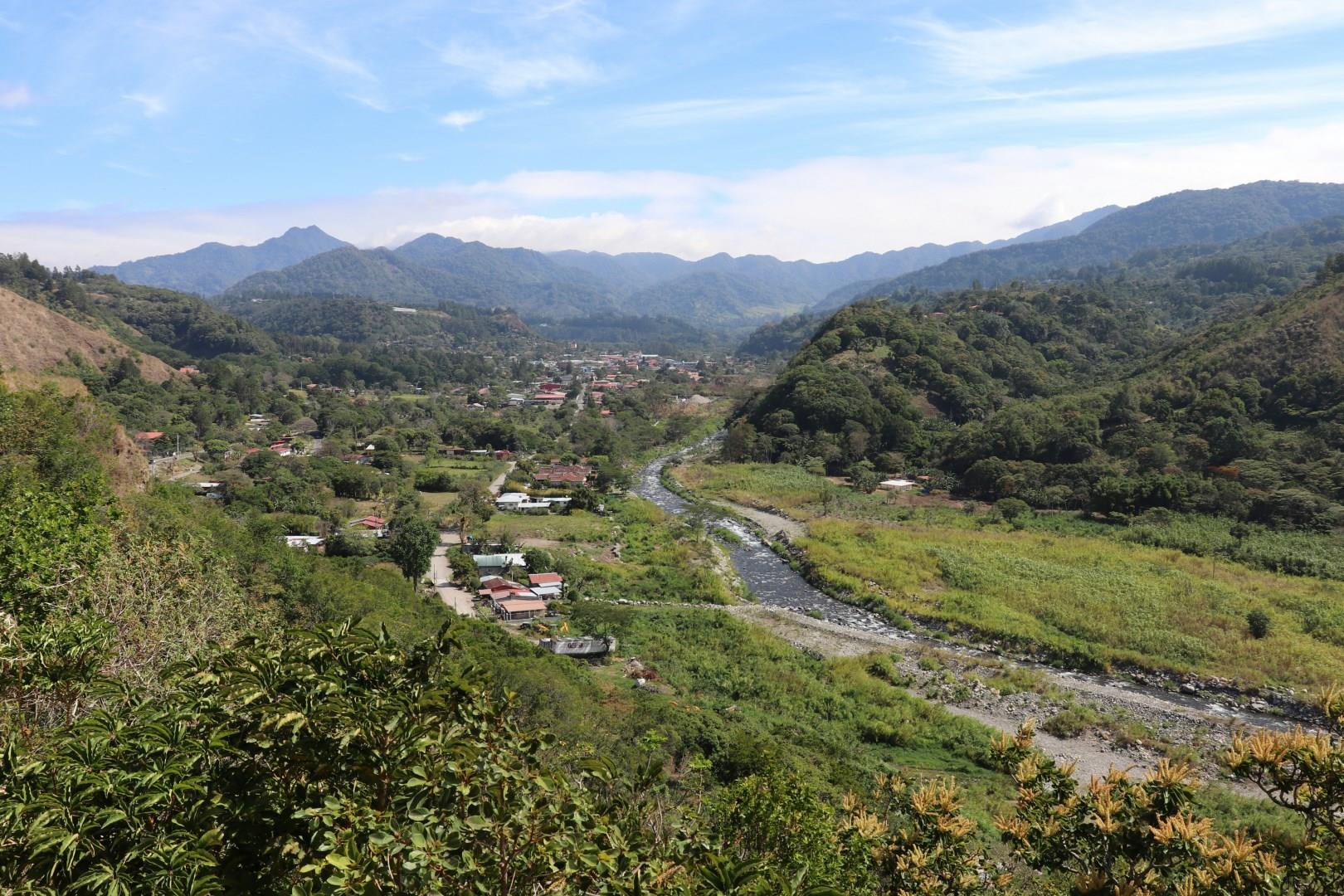
Chiriqui
Chiriquí, a province in western Panama, offers a striking variety of landscapes, from highland cloud forests to golden Pacific beaches. Bordered by Costa Rica to the west, it’s known for its rich agriculture, coffee plantations, and impressive volcano views. The capital city, David, serves as the main hub for travelers, but many of the region’s most memorable experiences are found in its rural towns, mountain valleys, and coastal areas.

Pemba Island
Pemba Island, located off the coast of Tanzania in the Indian Ocean, offers an idyllic escape for travelers seeking pristine natural beauty and cultural depth. Known as the "Green Island" for its lush, tropical landscapes, Pemba is a quieter, less-visited alternative to its famous neighbor Zanzibar. The island is a haven for those interested in diving and snorkeling, as its coral reefs teem with marine life, from colorful fish to graceful sea turtles.
