
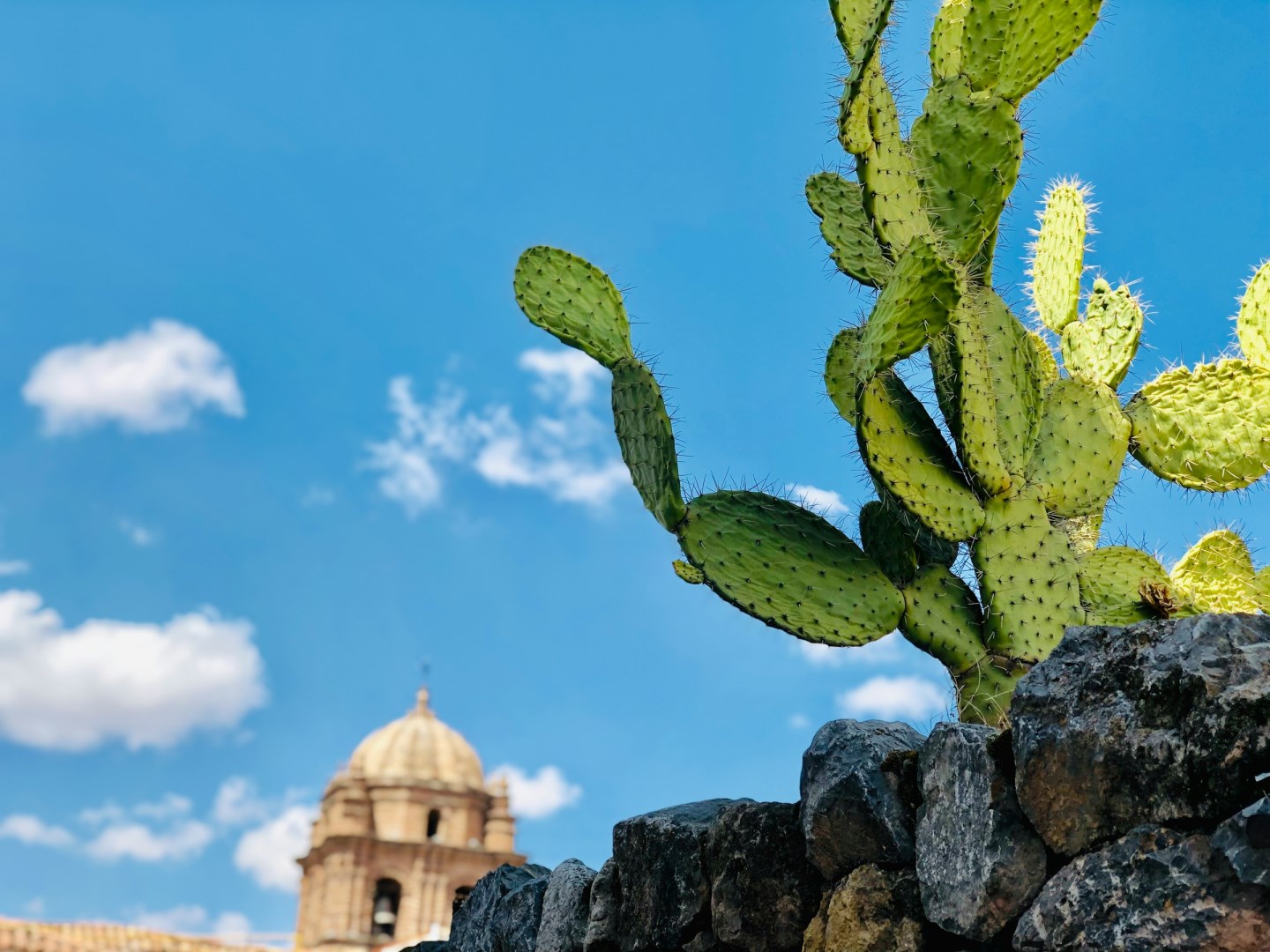
Cusco
Cusco once served as the heart of the Inca Empire, and that legacy still shapes every corner of the city even as it serves as a gateway to Machu Picchu. Outside the historic center, the ruins of Sacsayhuamán overlook the city from a nearby hilltop. This ceremonial complex is best known for its massive zigzag stone walls, some weighing over 100 tons. During the Inti Raymi festival in June, thousands gather here to reenact ancient Andean rituals.
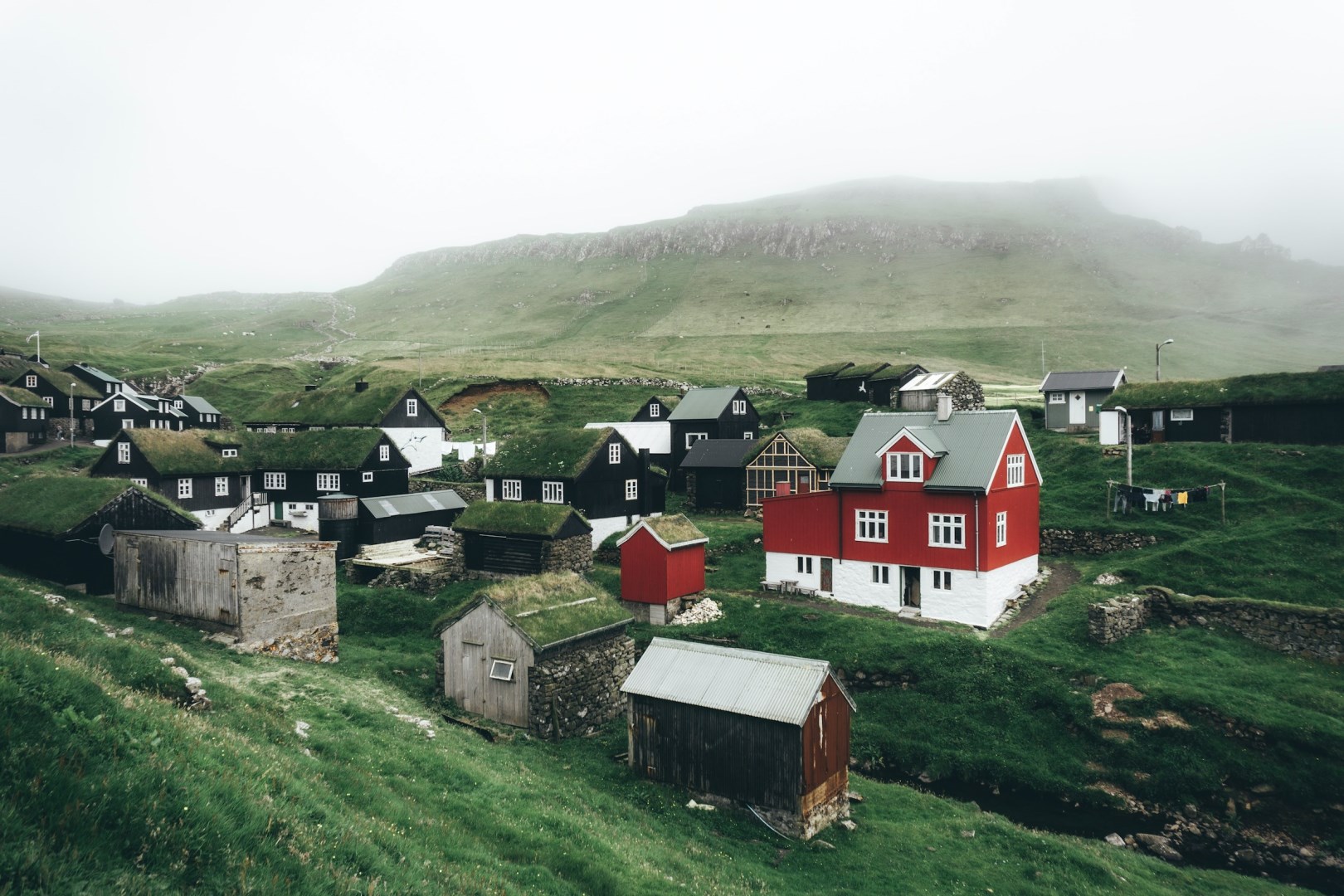
Mykines
Mykines is the westernmost of the main islands of the Faroe Islands, separated from Vágar by the narrow Mykinesfjørður strait. The island is known for steep mountains, grassy slopes, sea cliffs, and a small settlement of the same name on its southern side. Mykines village consists of traditional houses clustered around narrow lanes, with sheep grazing on the surrounding hillsides.

Sedona
Nestled amid the stunning red rock formations of northern Arizona, Sedona is a destination where natural beauty, spiritual energy, and outdoor adventure converge. Known for its vibrant landscape of towering red rocks, Sedona is often called “Red Rock Country.” Visitors can explore this breathtaking terrain through a myriad of trails suitable for all skill levels.

Nelson
Nelson sits along the West Arm of Kootenay Lake in southeastern British Columbia, embraced by the rugged peaks of the Selkirk Mountains and threaded with over 350 heritage buildings that tell the story of its silver-rush beginnings. A short trip outside town leads to spots like the Salmo–Troup Rail Trail, a wide, gentle path that follows an old rail line for kilometers through forest and alongside rivers.
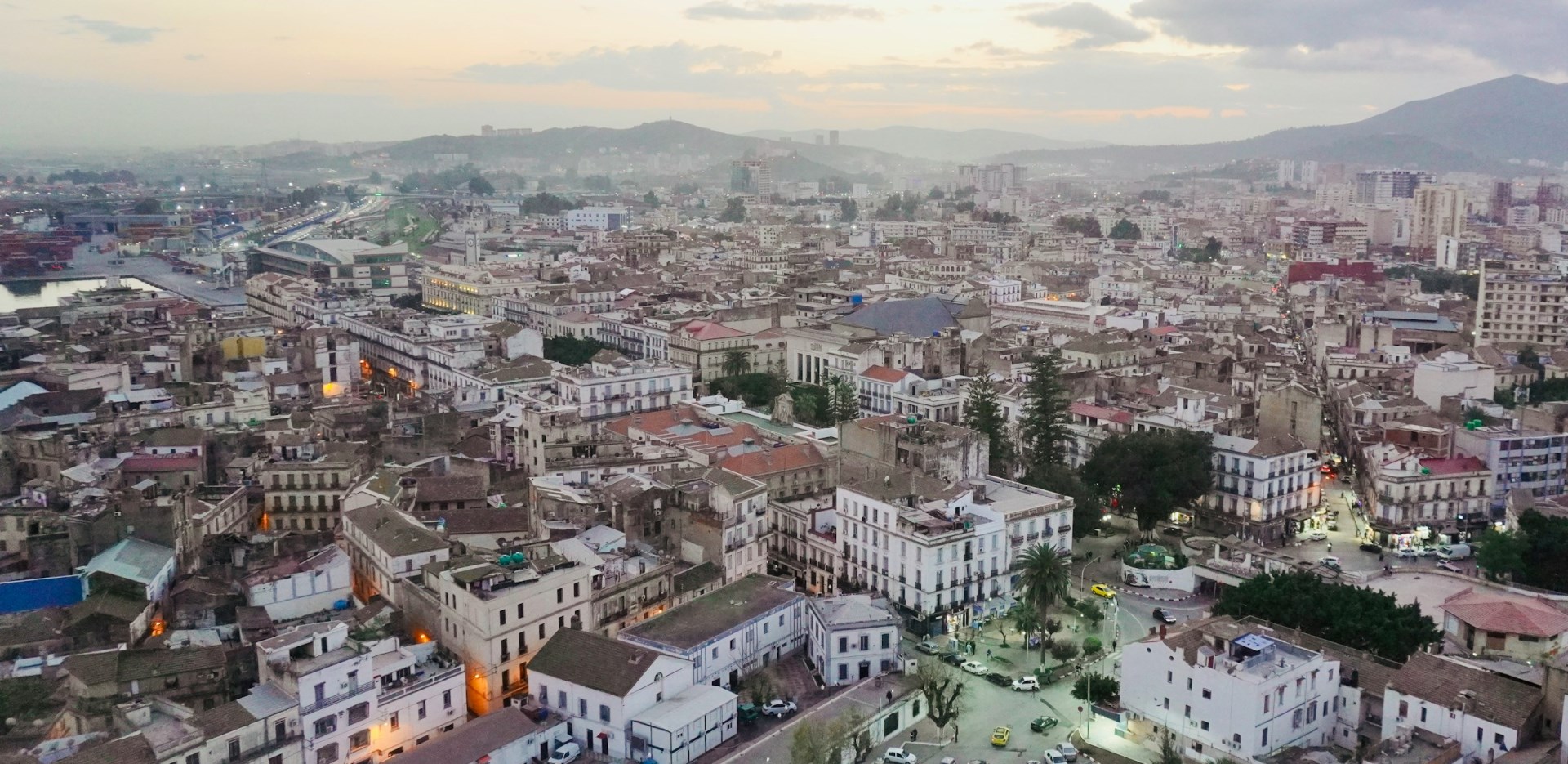
Annaba
Annaba is a coastal city in northeastern Algeria, set along the Mediterranean near the forested hills of the Edough Mountains. Its identity combines a working port, sandy beaches, historic neighborhoods, and the archaeological remains of ancient Hippo Regius. The city is also closely associated with Saint Augustine, who served as bishop of Hippo, giving Annaba an important place in the religious and intellectual history of North Africa.
