

Isabela Island
Isabella Island is the largest of the Galapagos islands, on the western end of the archipelago. Shaped like a seahorse when viewed from above, Isabella is home to more wild tortoises than any other island, as well as a wide variety of other animal, bird and marine life.

Sousse
Sousse, a sun-soaked jewel along Tunisia's central coast, offers a blend of ancient history, vibrant culture, and Mediterranean charm. Known as the "Pearl of the Sahel," this city has drawn travelers for centuries with its warm sands, azure waters, and rich heritage.
Opatija
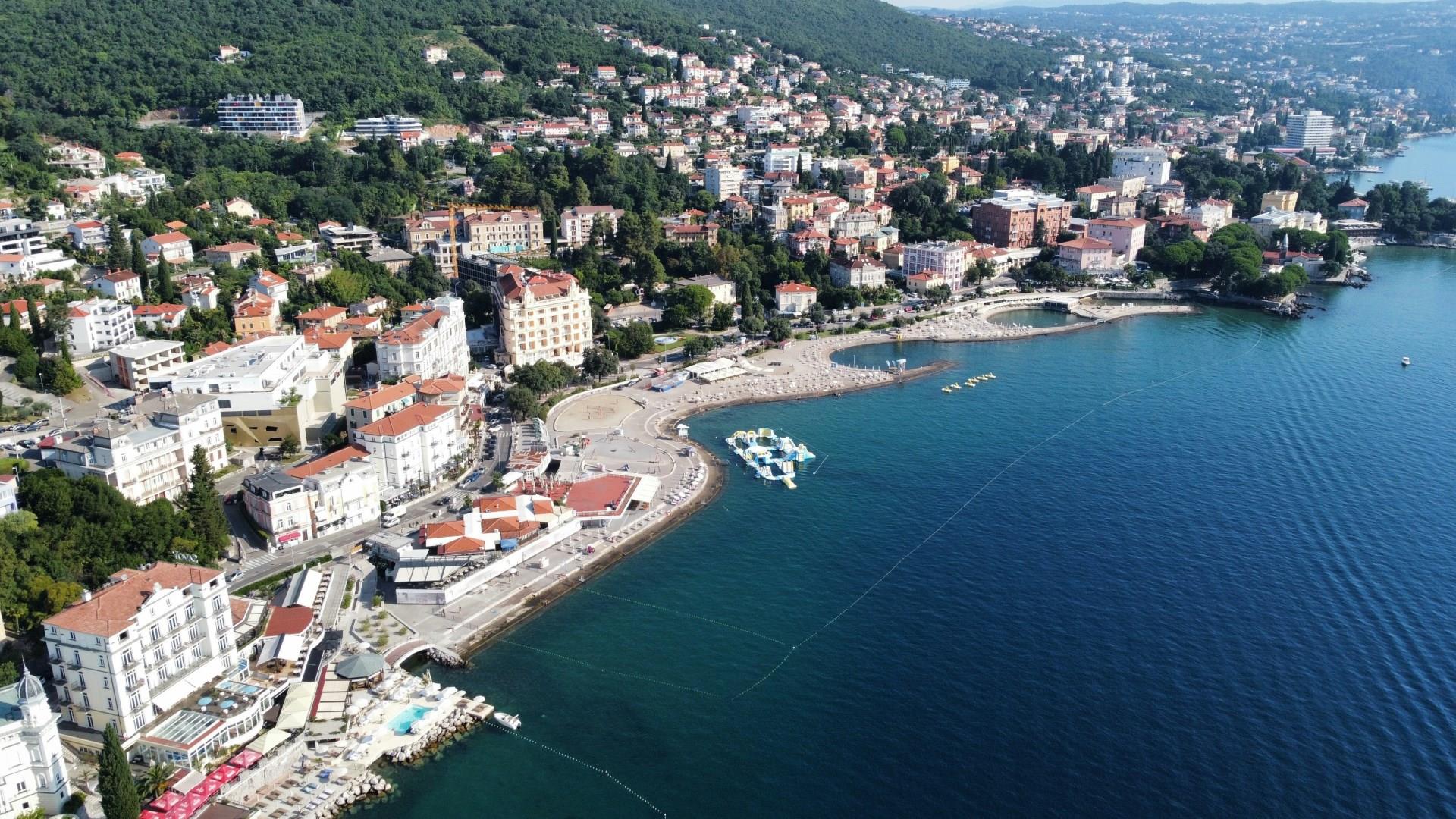
Opatija, located on Croatia’s Kvarner Bay, has been drawing visitors since the 19th century, when Austro-Hungarian aristocrats built grand villas along its Adriatic shoreline. Today, many of those same buildings still stand with some restored as luxury hotels and others preserved as cultural landmarks. The town’s most recognizable structure, Villa Angiolina, opened in 1844 and marked the start of Opatija’s rise as a fashionable seaside resort.

Tennessee
Tennessee welcomes visitors with a rhythm that shifts from Appalachian mountain towns to Memphis blues clubs, all while telling stories that have shaped the American experience. In East Tennessee, the Great Smoky Mountains National Park is the most visited national park in the country, known for its mist-covered peaks, preserved log cabins, and seasonal displays of wildflowers and fireflies.
Izamal
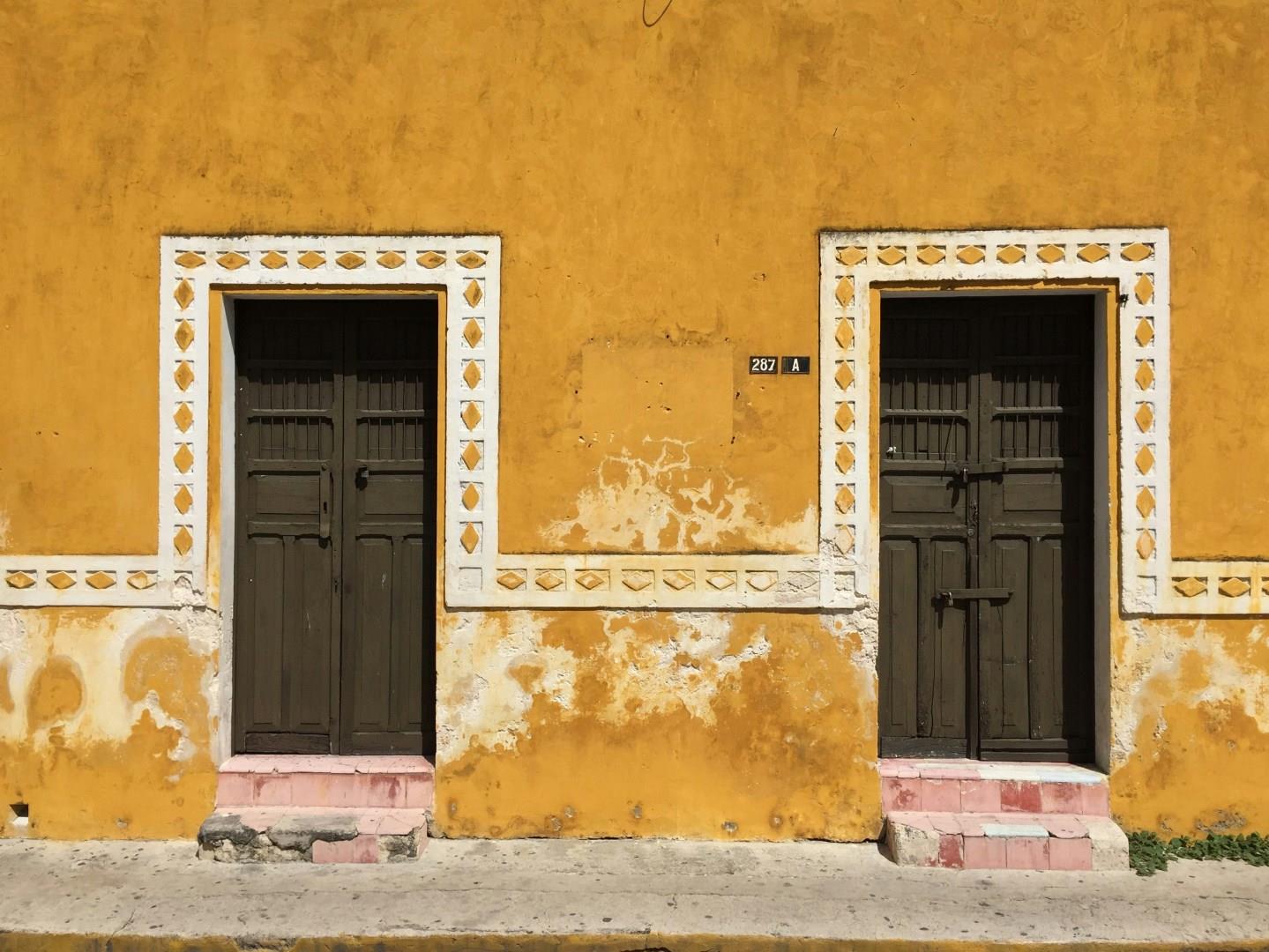
Izamal, located in the heart of Yucatán, stands out as a city where centuries of history are layered in plain sight. Known as the “City of Three Cultures,” it combines ancient Maya ruins, Spanish colonial architecture, and modern-day Yucatecan life. One of the most striking features of Izamal is its golden-yellow buildings, painted this distinctive color in honor of Pope John Paul II’s visit in 1993.
