

Monemvasia
Monemvasia, Greece, is a captivating destination that enchants visitors with its blend of medieval charm and stunning natural beauty. Perched on a small island off the coast of the Peloponnese, this fortified town, often referred to as the "Gibraltar of the East," is renowned for its well-preserved Byzantine architecture and labyrinthine streets.
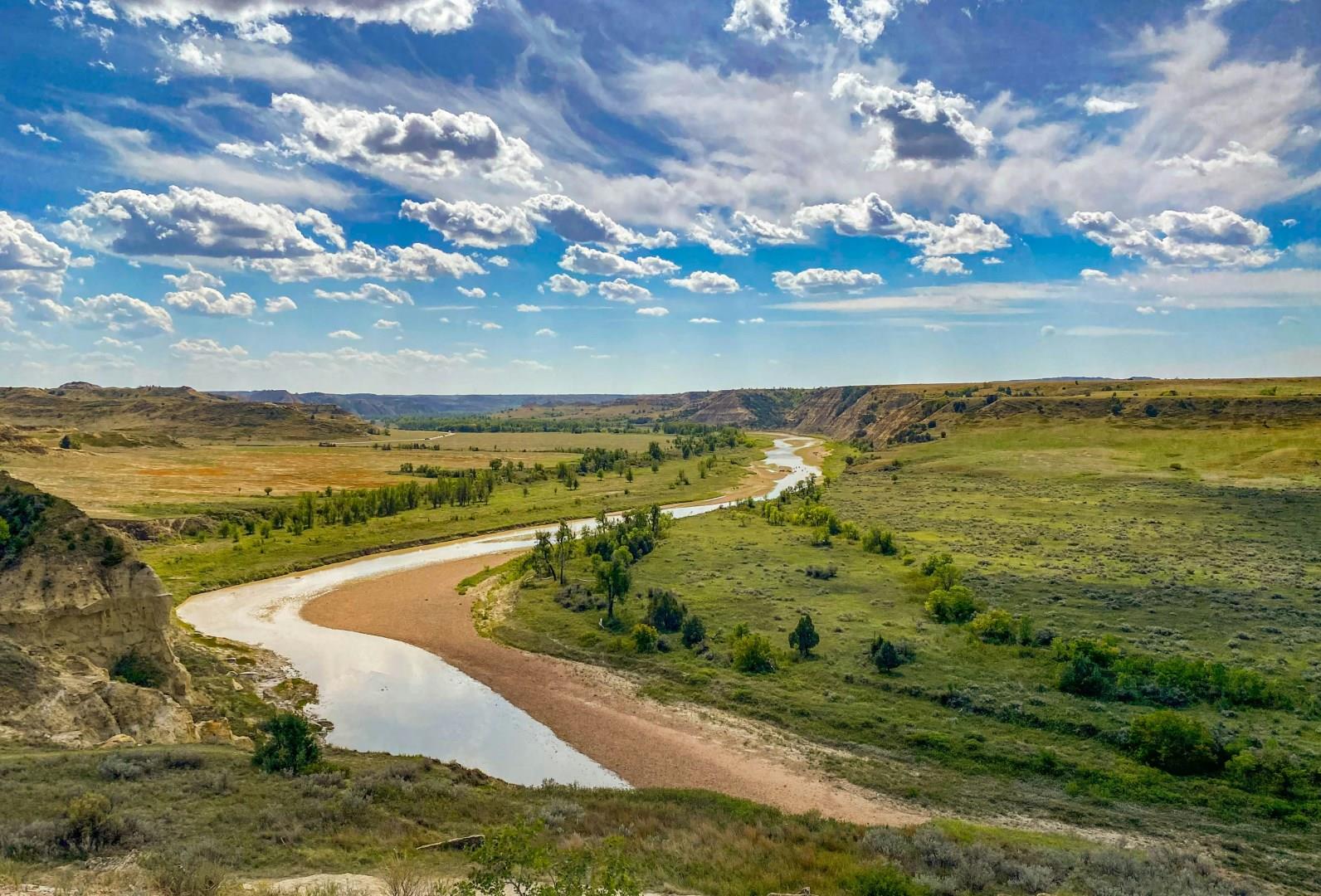
Theodore Roosevelt National Park
Theodore Roosevelt National Park, tucked into the rugged badlands of western North Dakota is where a young Theodore Roosevelt came to recover after the loss of his wife and mother in the same day. He bought a ranch, rode the open plains, and found the resolve that would later define his presidency. Today, the park named in his honor preserves that same wild spirit. Visitors can still see Roosevelt’s original Maltese Cross Cabin near the park's entrance and walk trails he once rode on horseback.

Lake Atitlán
Lake Atitlán, nestled in the Guatemalan Highlands, is a breathtaking destination that offers a unique blend of natural beauty, indigenous culture, and adventure. Formed in a massive volcanic crater, this lake is often touted as the most beautiful in the world, surrounded by dramatic cliffs, verdant hills, and three towering volcanoes: San Pedro, Tolimán, and Atitlán.

Cuba
Cuba is an island nation where history, culture, and natural beauty intertwine in captivating ways. Known for its Spanish colonial architecture, vibrant music, and revolutionary legacy, the country offers a fascinating window into both the Caribbean and Latin American worlds. Havana, with its colorful facades, classic American cars, and lively plazas, embodies Cuba’s charm and resilience, while towns like Trinidad and Cienfuegos showcase UNESCO-listed heritage and a slower pace of life.

Arequipa
Arequipa, known as the "White City," is built from sillar, a pale volcanic stone that glows in the sunlight. This architectural detail gives the historic center its striking appearance and has earned it recognition as a UNESCO World Heritage Site. Towering above the city is the perfectly symmetrical Misti Volcano, which, along with two neighboring peaks, forms a dramatic backdrop.
