
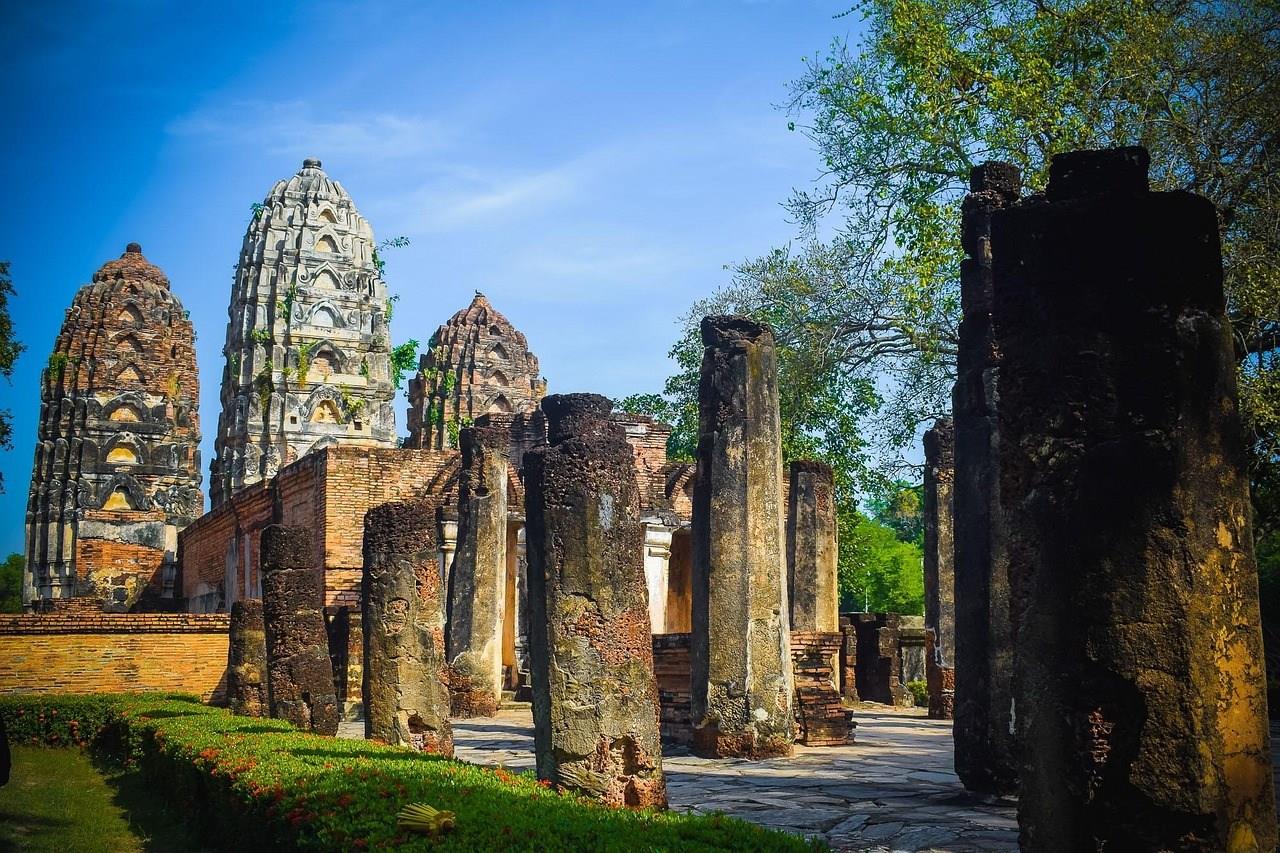
Sukhothai
Sukhothai, located in north-central Thailand, was once the capital of the first independent Thai kingdom in the 13th century. Today, it’s best known for the Sukhothai Historical Park, a UNESCO World Heritage Site filled with stone temples, lotus-filled moats, and ancient Buddha statues. The park spans over 70 square kilometers and features more than 190 ruins.

Kandy
Nestled in the heart of Sri Lanka’s hill country, Kandy is a city steeped in history, culture, and natural beauty. As the last capital of the ancient kings of Sri Lanka, Kandy holds a unique charm that blends its colonial past with a rich, vibrant heritage. The city’s crown jewel is the Temple of the Sacred Tooth Relic, a UNESCO World Heritage site that houses a relic believed to be the tooth of the Buddha.
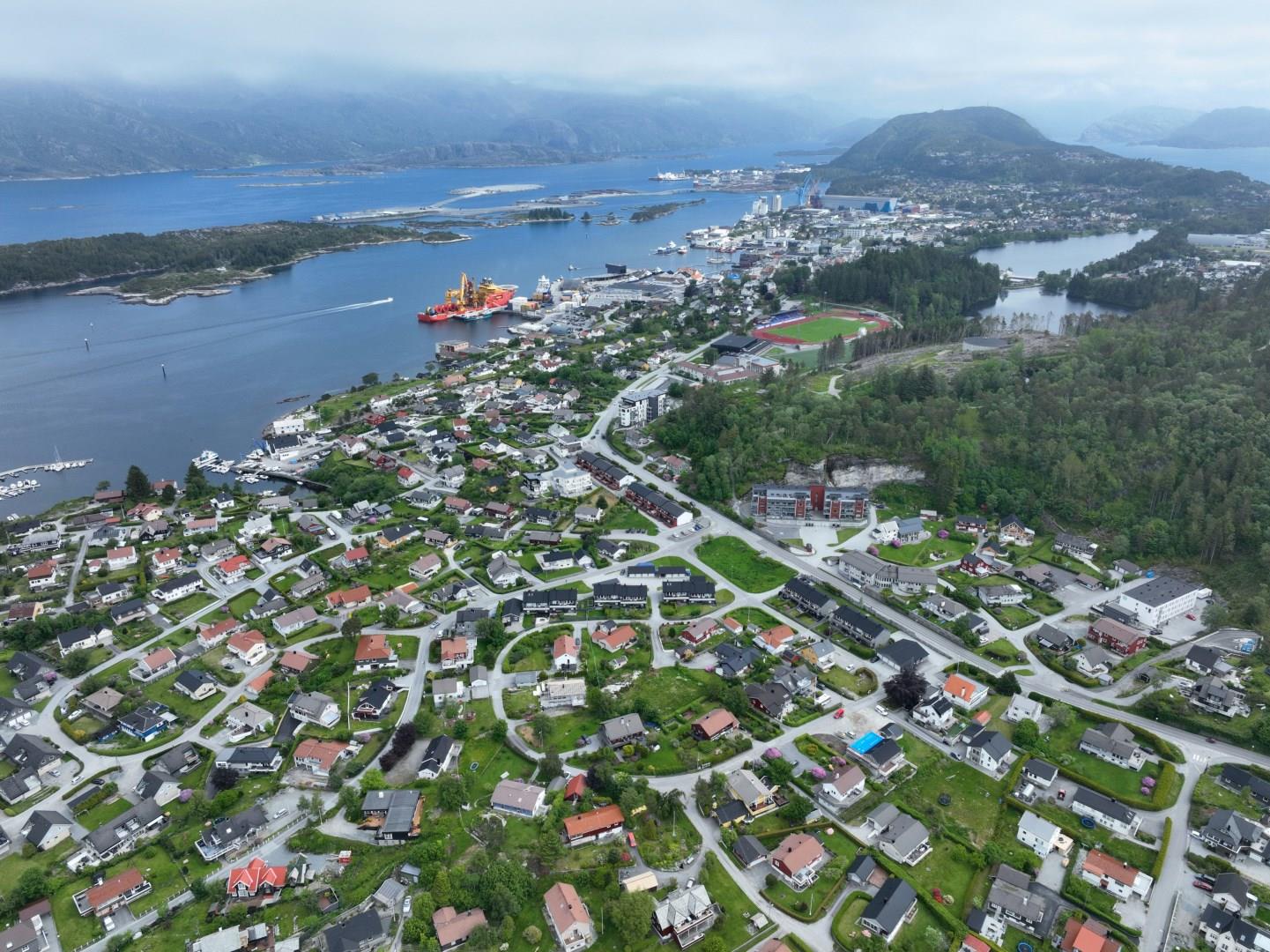
Florø
Florø, the westernmost town in Norway, sits right at the edge of the sea as a small, coastal town with deep maritime roots and front-row views of the North Atlantic. Established in 1860 as a herring fishing hub, Florø still carries the rhythm of the ocean in daily life. Though small in size, the town serves as a jumping-off point to explore the rugged coastline, scenic fjords, and a collection of islands that each have their own stories and scenery.

Santarem
Santarém is a city in central Brazil, located where the Tapajós River meets the Amazon. Its position at this confluence has made it a hub of riverine trade and cultural exchange for centuries, blending Indigenous traditions with Portuguese colonial influence.
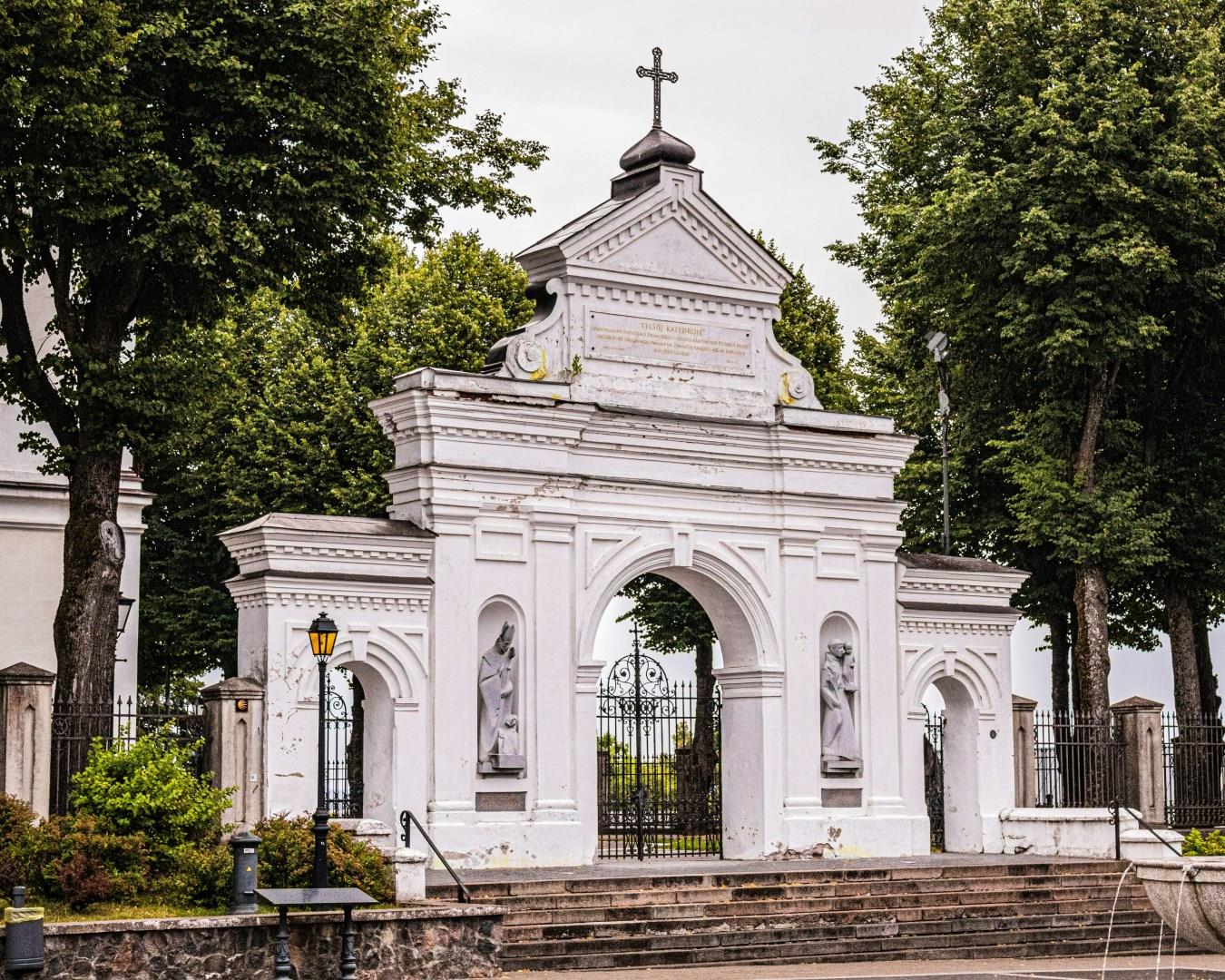
Telšiai
Telšiai, often called the capital of Lithuania’s Samogitia region, offers visitors a deep dive into a unique cultural heritage paired with striking natural settings. The town is set on the shores of Lake Mastis, where the reflections of historic buildings and lush forests create a calm and inviting atmosphere. Telšiai’s old market square bustles with life and is home to some of the town’s most notable landmarks, including the Neo-Gothic St. Anthony of Padua Cathedral.
