
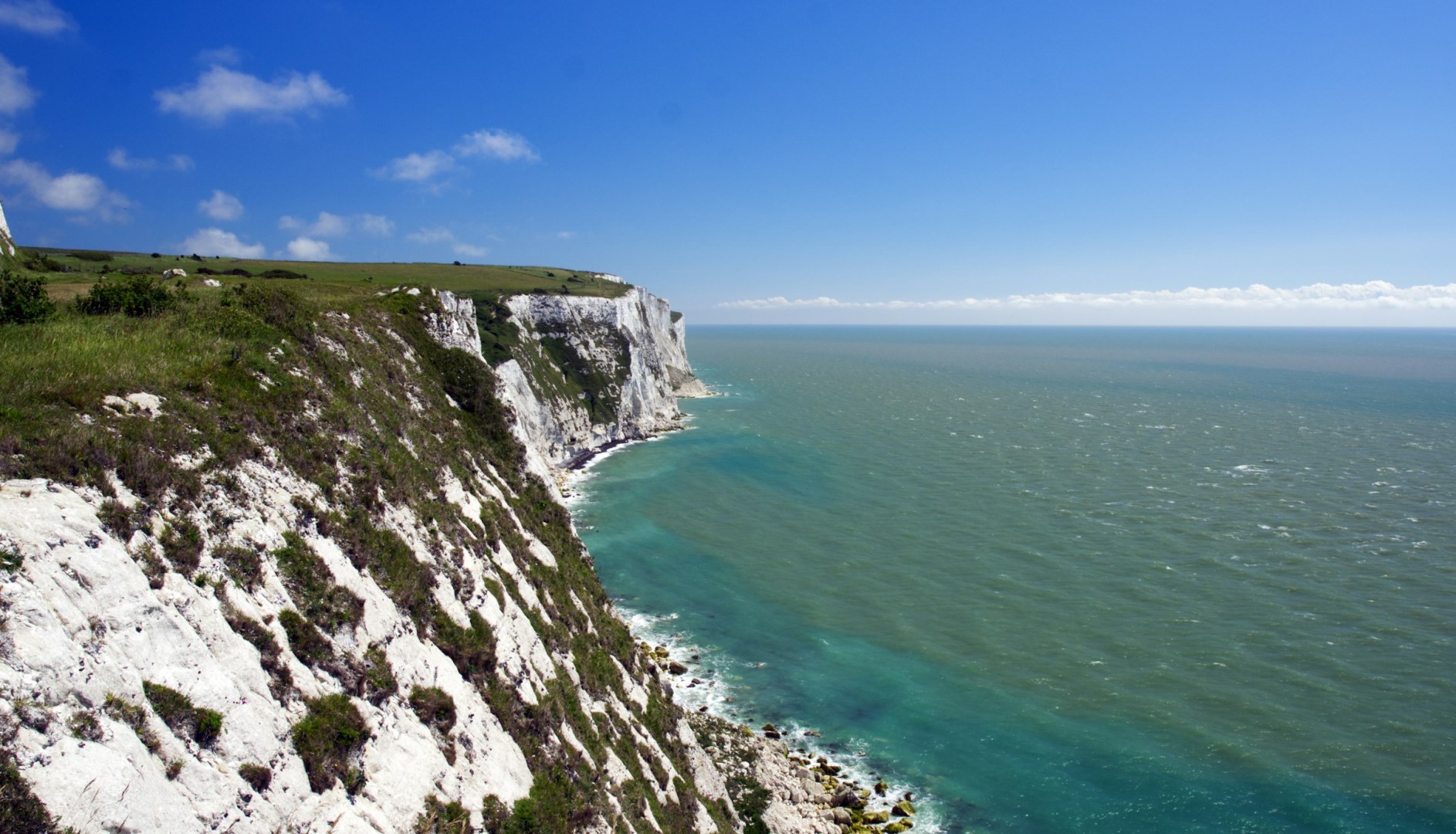
Dover
The historic city of Dover, nestled on the southern coast of England, is a captivating destination known for its iconic White Cliffs and strategic maritime heritage. Overlooking the Strait of Dover, these towering chalk cliffs offer breathtaking views across to France and serve as a symbol of Britain's resilience.
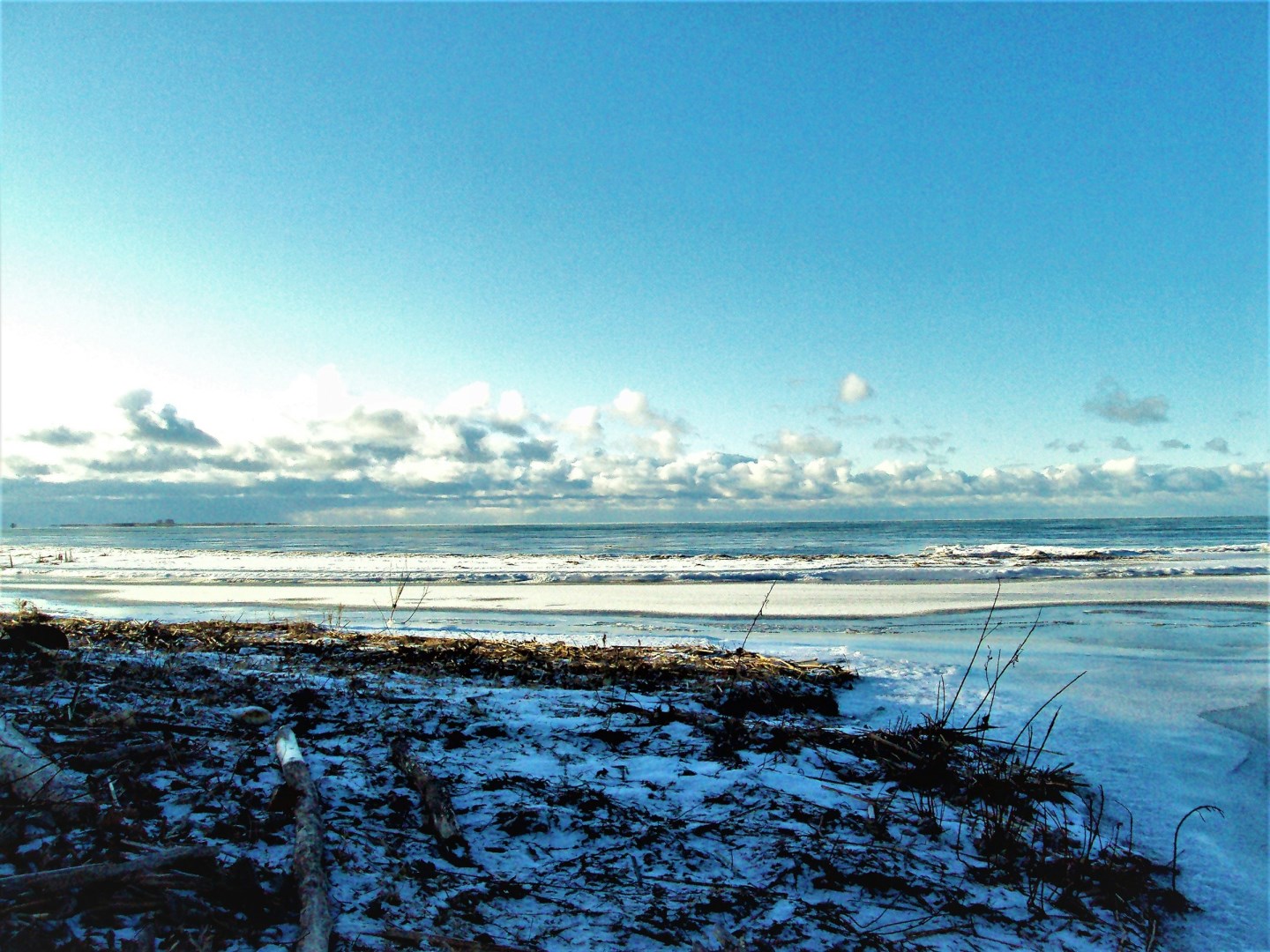
Bay City
Bay City is a waterfront city in eastern Michigan, situated along the Saginaw River near its outlet into Saginaw Bay, one of the large bays of Lake Huron. Its location on the river helped establish the city as a center for lumber, shipbuilding, manufacturing, and commercial shipping.
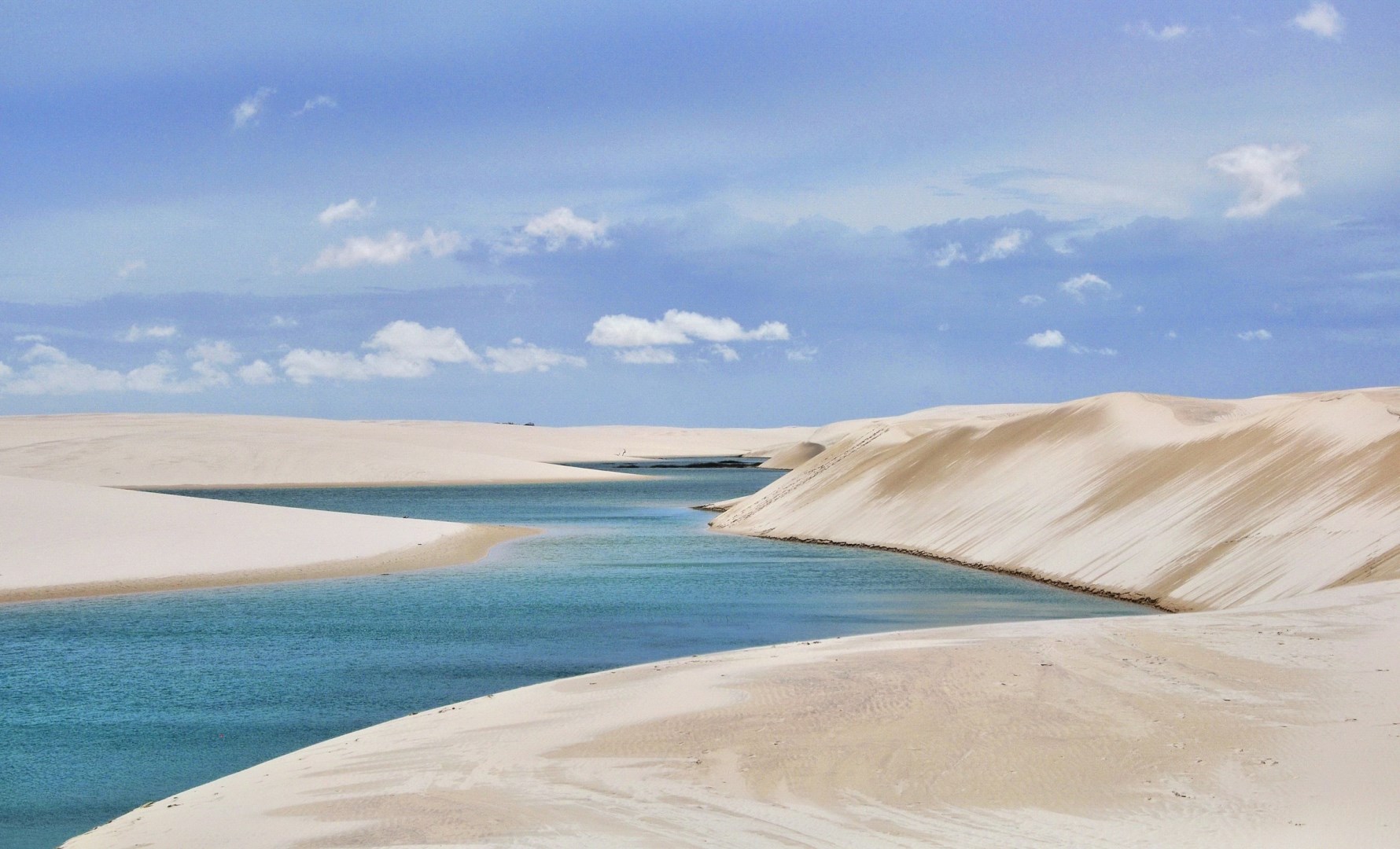
Lençóis Maranhenses National Park
Welcome to Lençóis Maranhenses National Park, one of Brazil's most breathtaking natural wonders! Imagine endless stretches of white dunes with breaks of crystal-clear freshwater lagoons that fill during the rainy season. It's a photographer's dream and a hiker's paradise, where you can explore this surreal landscape by foot or on a thrilling 4x4 adventure.Whether you're seeking adventure or tranquility, this unique destination offers a once-in-a-lifetime experience you won't want to miss!
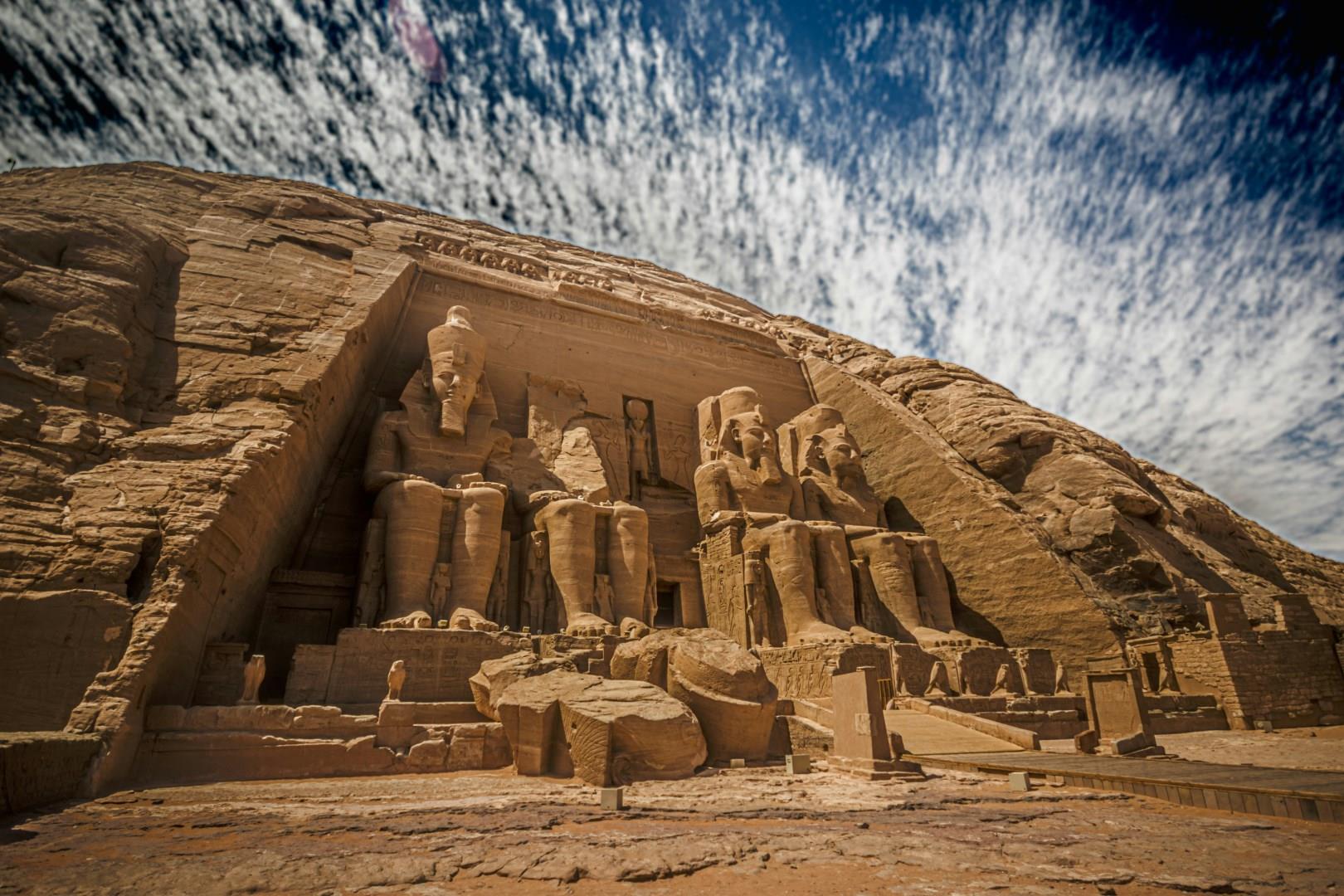
Abu Simbel
Abu Simbel, in southern Egypt near the border with Sudan, is one of the most awe-inspiring archaeological sites of the ancient world. Built during the reign of Pharaoh Ramses II in the 13th century BCE, the twin temples were carved directly into the sandstone cliffs overlooking the Nile. The Great Temple, with its four colossal statues of Ramses II seated at the entrance, was designed not only to honor the pharaoh but also to project his power to neighboring Nubia.
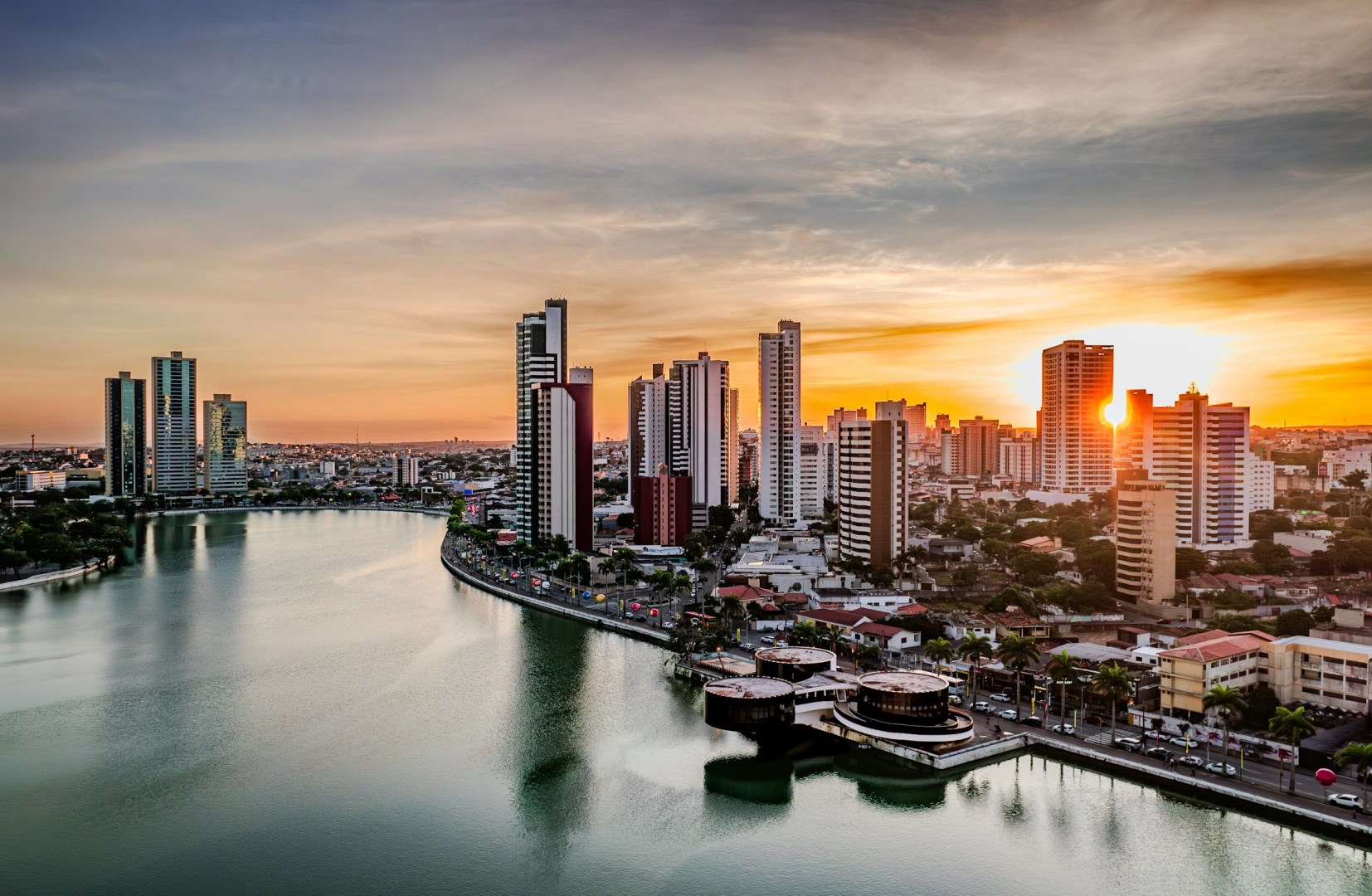
Campo Grande
Campo Grande is the capital of Mato Grosso do Sul in central-western Brazil and an important urban gateway to the southern Pantanal and destinations such as Bonito. The city is often known as Cidade Morena, a reference to the reddish soil found across the region. Its broad avenues, parks, and low-density neighborhoods reflect its location on the edge of the Brazilian interior, where urban life meets ranching country and cerrado landscapes.
