
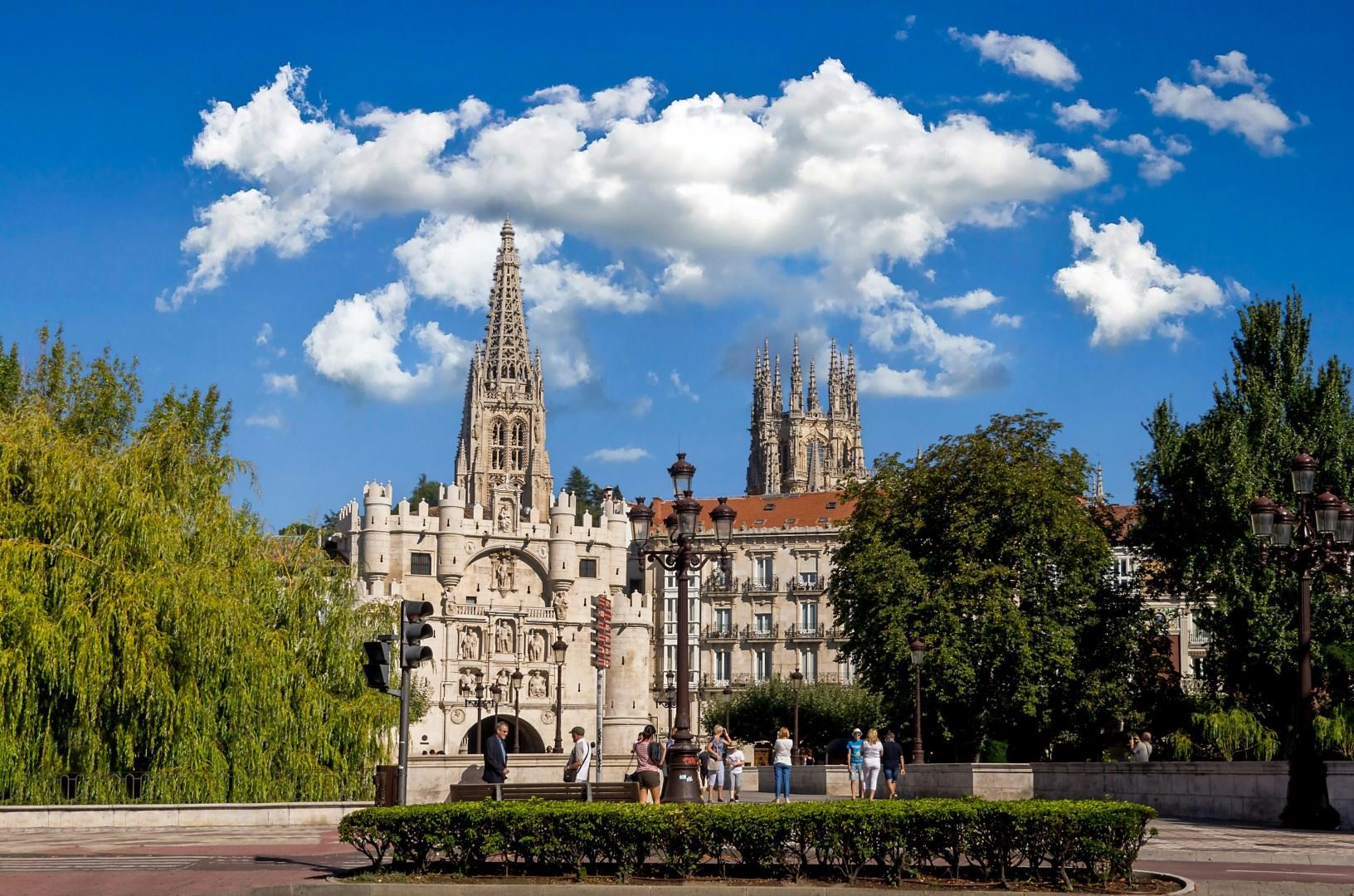
Burgos
Burgos, located in northern Spain, is a city where medieval heritage is still part of daily life. At its heart stands the Burgos Cathedral, a UNESCO World Heritage Site and one of the most striking examples of Gothic architecture in Europe. Construction began in 1221 and continued for over 300 years, resulting in a cathedral that features elaborate spires, stained glass, and the tomb of El Cid, Spain’s legendary military leader.

Essaouira
Essaouira, a charming coastal city in Morocco, offers an enchanting blend of history, culture, and natural beauty. Nestled on the Atlantic coast, Essaouira is renowned for its well-preserved medina, a UNESCO World Heritage Site, featuring a labyrinth of narrow alleys, whitewashed buildings, and vibrant blue shutters. This historic port city boasts impressive ramparts, including the iconic Skala de la Ville, which offers panoramic views of the ocean and the bustling harbor.
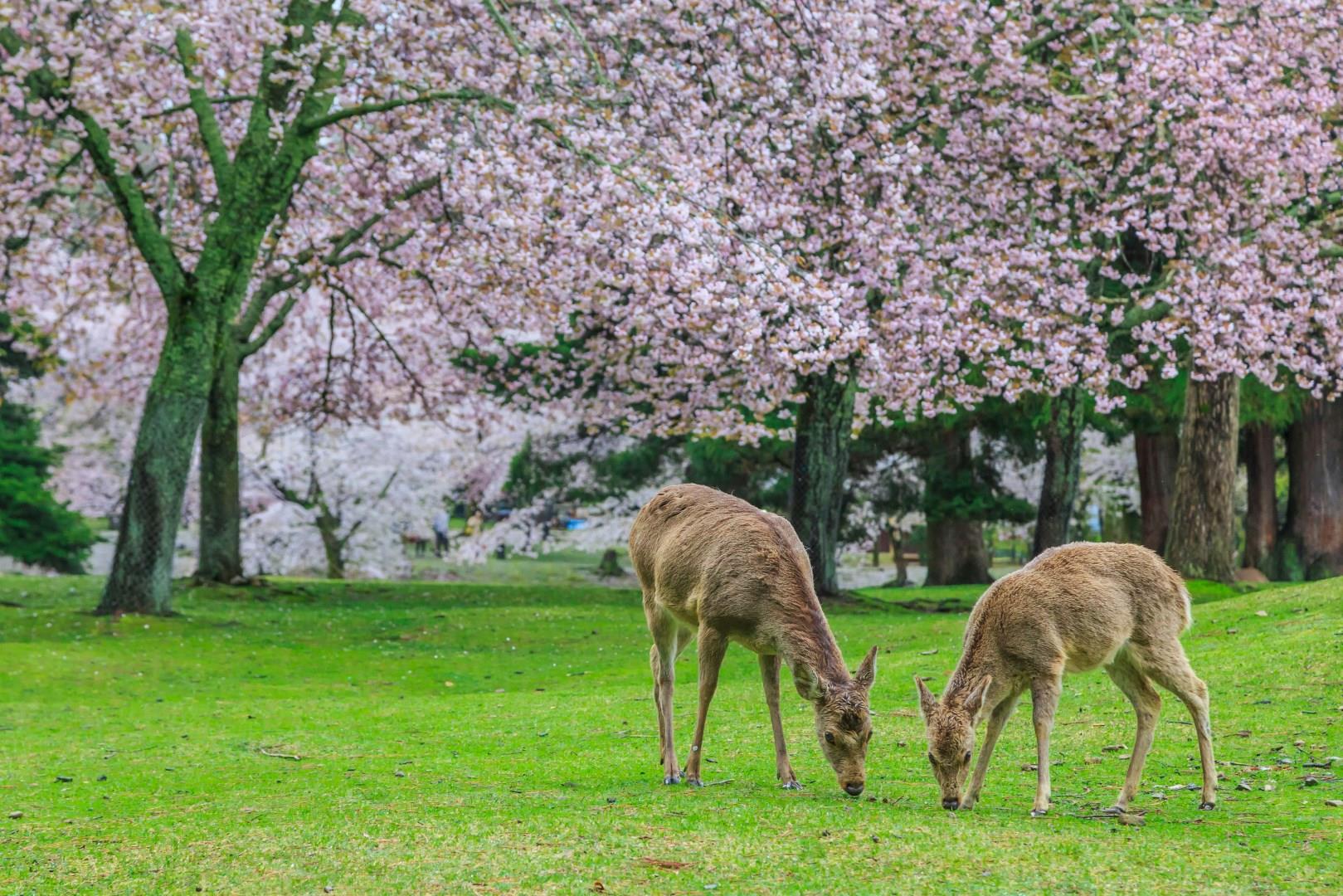
Nara
Nara, located in Japan’s Kansai region, is a city where ancient history and serene landscapes coexist. As the country’s first permanent capital, it preserves a wealth of historic sites that reflect its significance during the Nara period.
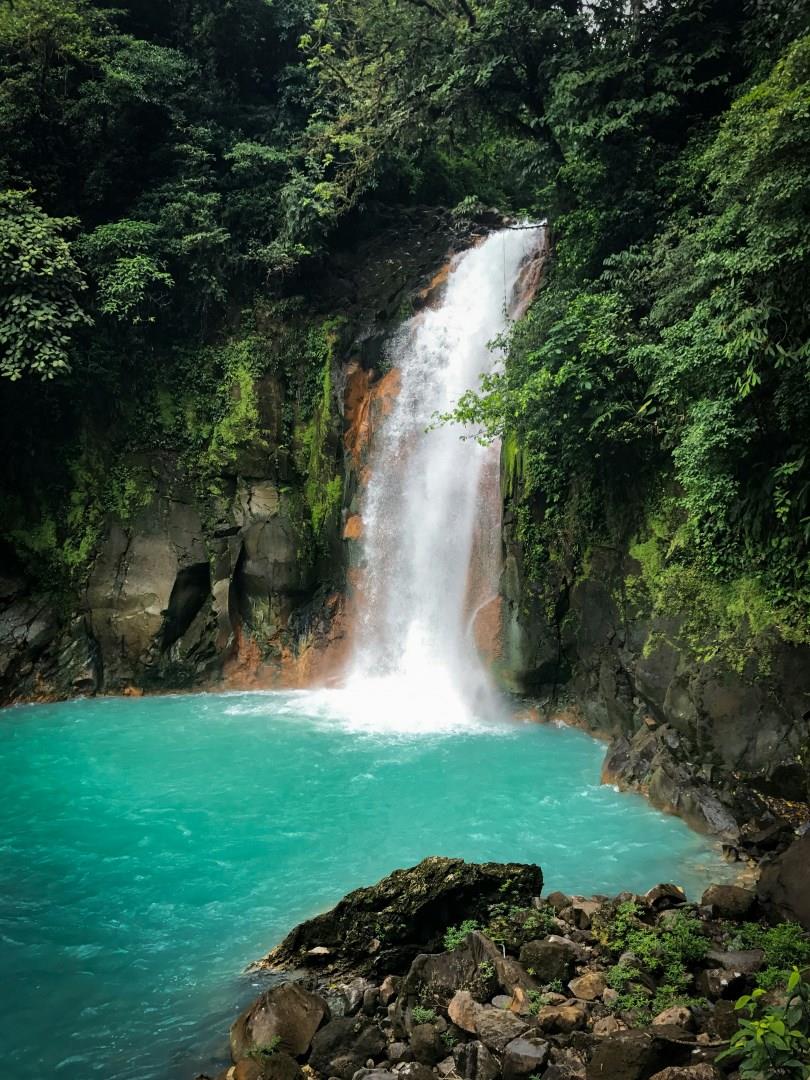
Celeste River
Hidden in the northern region of Costa Rica, the Celeste River (Río Celeste) winds through Tenorio Volcano National Park with a color so vivid it seems unreal. The river’s striking turquoise hue is caused by a natural chemical reaction between two mineral-rich streams, Quebrada Agria and Río Buena Vista, which merge at a point known as "El Teñidero." This one-of-a-kind phenomenon creates the illusion that the water has been dyed blue, even though no pigments are present.

Húsavík
Nestled on the shores of Skjalfandi Bay in northern Iceland, Husavik offers visitors the unique chance to witness humpback whales, minke whales, and even the occasional blue whale in their natural habitat.
