
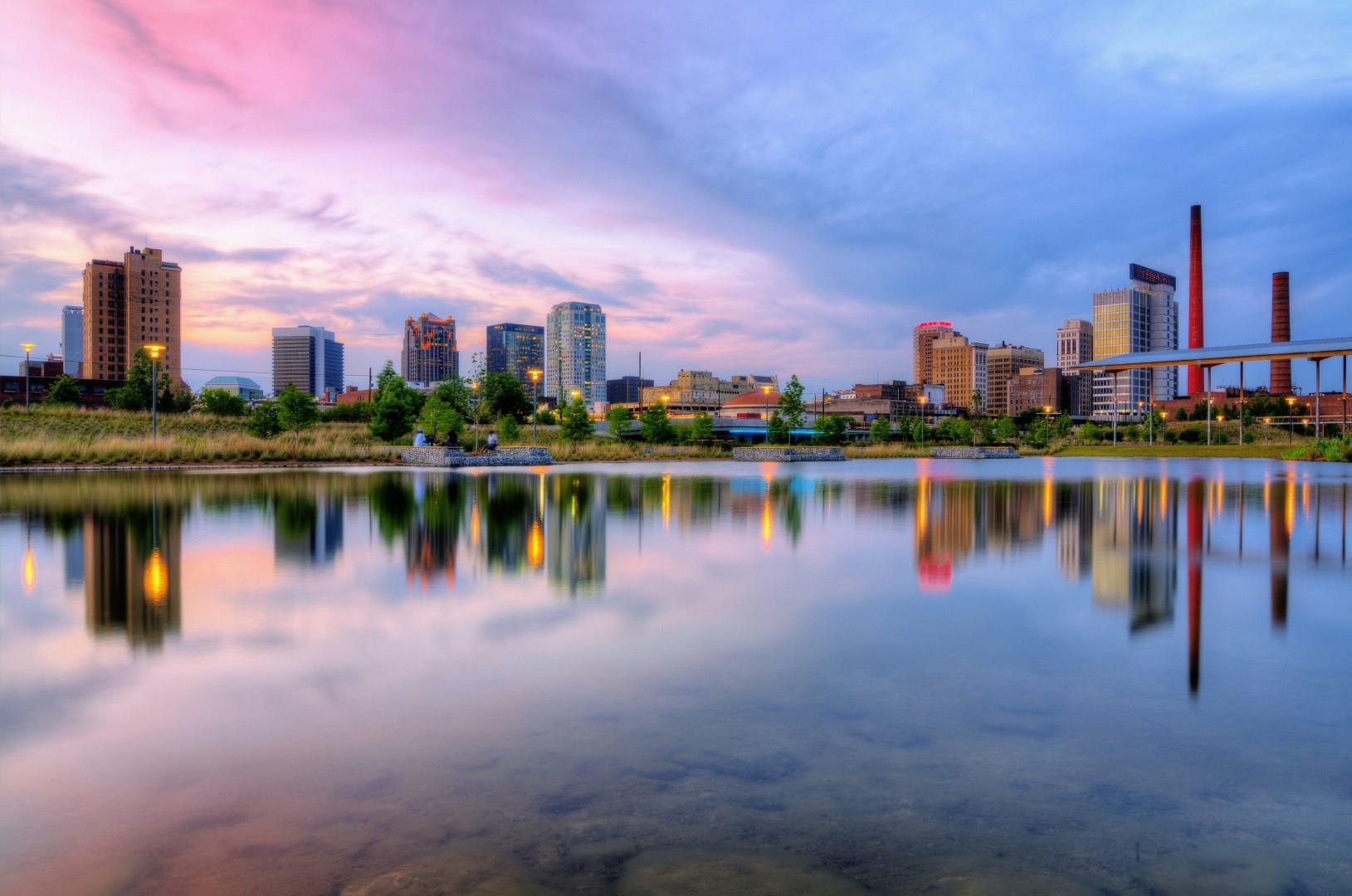
Birmingham
Birmingham, Alabama is a city that offers travelers a chance to experience Southern culture that’s both deeply rooted and constantly evolving. Known as the cradle of the Civil Rights Movement, the city features landmarks like the Birmingham Civil Rights Institute and the 16th Street Baptist Church, where pivotal moments in American history unfolded. The adjacent Kelly Ingram Park uses life-size sculptures to tell powerful stories of protest and resilience, making a walk through the area both mov

Istanbul
Istanbul is a city built on layers of empire. Spanning two continents, it was once the capital of three major empires: Roman, Byzantine, and Ottoman. Visitors walking through the Sultanahmet district can witness this timeline firsthand, from the Roman-era Hippodrome to the Byzantine mosaics of Hagia Sophia, and the towering minarets of the Blue Mosque. At nearby Topkapi Palace, rooms still display the jeweled swords, ceremonial robes, and handwritten Qurans once used by Ottoman sultans.

Greenland
Greenland, the world’s largest island, offers travelers an experience that feels like stepping onto another planet. Vast ice sheets, towering glaciers, and deep fjords stretch across the horizon, creating a landscape that constantly shifts with the light. During summer, the Midnight Sun casts a golden glow well past midnight, while winter brings months of darkness lit by vibrant displays of the Northern Lights.
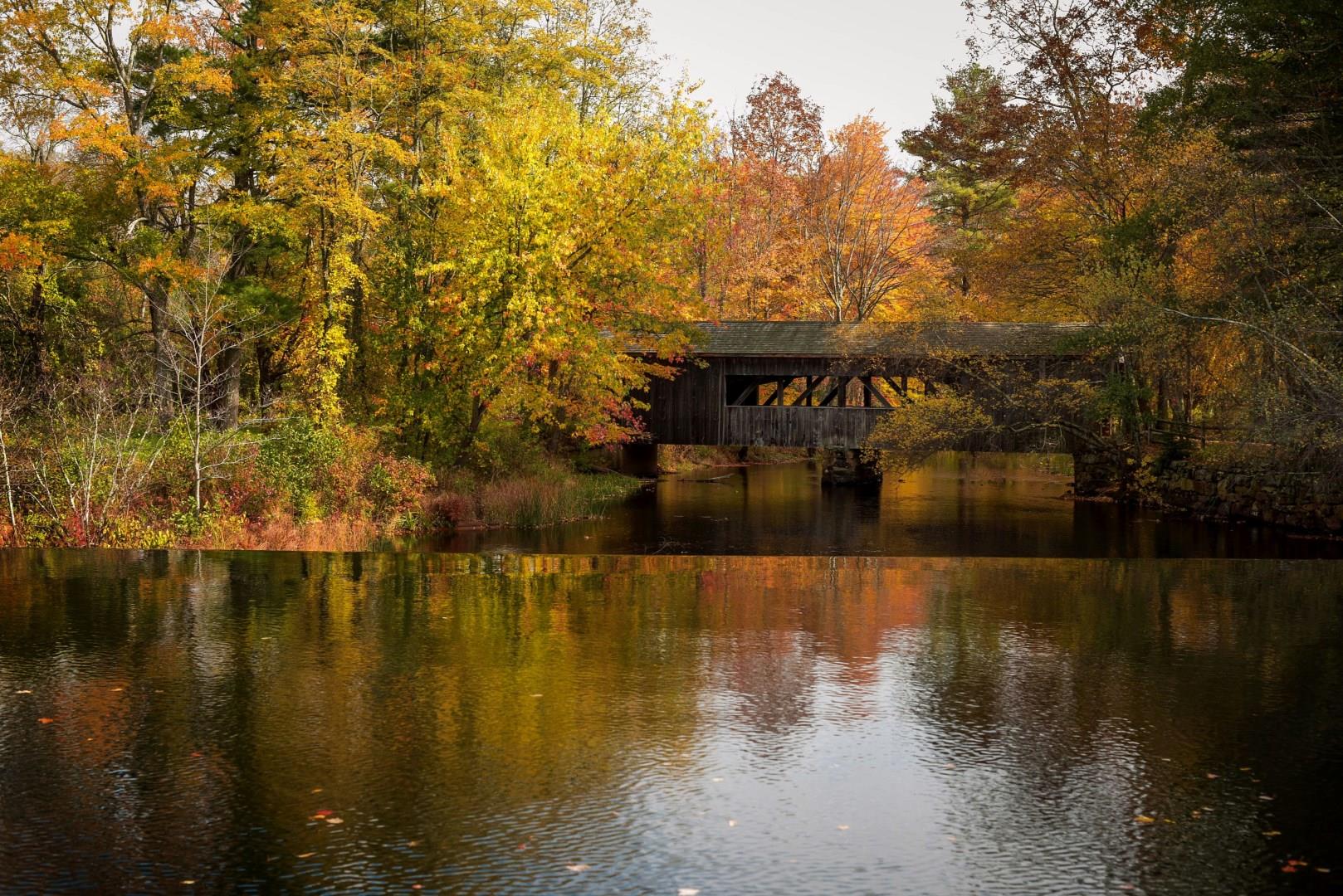
Sturbridge
Nestled in the scenic heart of central Massachusetts, Sturbridge is a charming town that offers a delightful blend of historical intrigue and natural beauty. One of the town’s prime attractions is the Old Sturbridge Village, a living history museum that brings the early 19th century to life. The village is renowned for its extensive collection of artifacts and its engaging, hands-on exhibits that provide a fascinating look at life in the early 1800s.

Melk
Nestled along the south bank of the Danube, this historical Austrian city bursts with charm. A favorite stop on European river cruises, the city's most famous attraction is Melk Abbey, which dates back to the 11th century. The original Benedictine structure was lost to fires and foreign invasion, then rebuilt during the 18th century in lavish Baroque style, including a library and inner church covered in magnificent frescoes and gilded fixtures.
