

Ocho Rios
Ocho Rios, whose name comes from the Spanish for “Eight Rivers”, was originally a Taíno settlement before Spanish and later British colonial influence shaped its identity. Nestled along Jamaica’s lush north coast, this once-humble fishing village has transformed into a vibrant coastal town that blends historical depth with modern charm.
Windsor
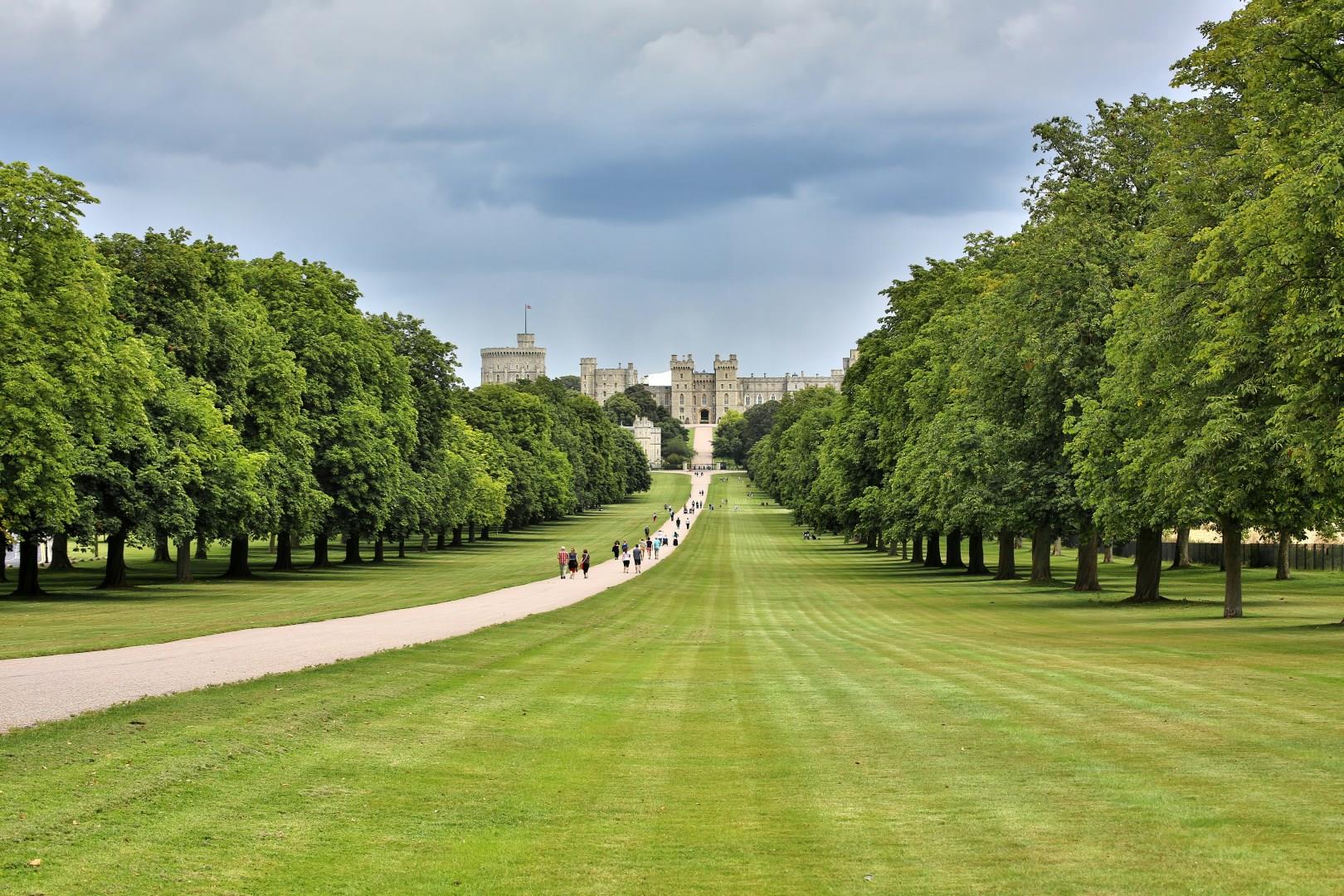
Windsor sits along a bend in the River Thames, its identity shaped by nearly a thousand years of royal presence. Windsor Castle, the world’s oldest continuously inhabited royal residence, dominates the town and anchors its historical significance, but the surrounding streets and parks reveal a place that has long supported court life, trade, and everyday routines alongside ceremony.
Torquay
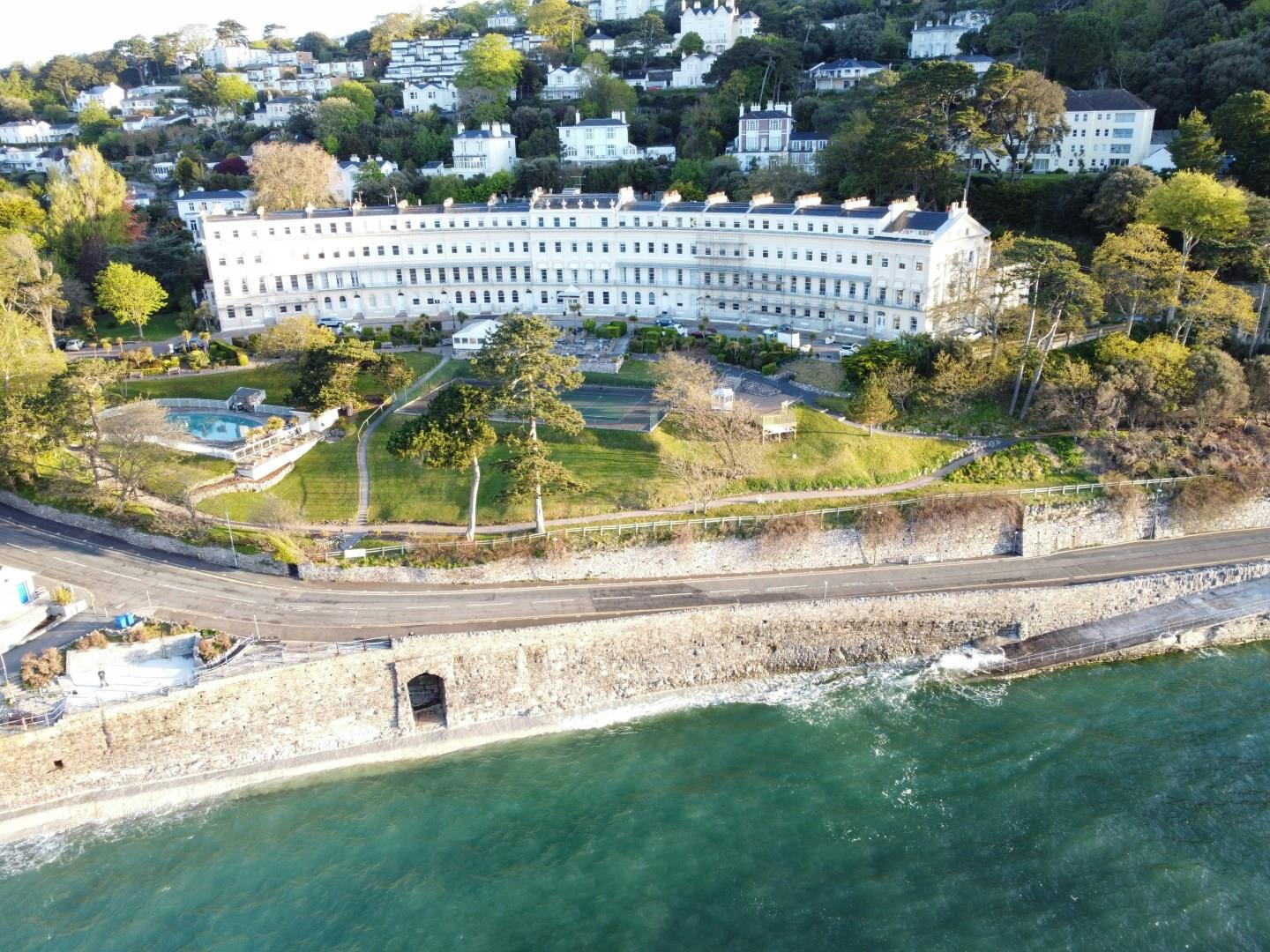
Torquay, located on England’s southwest coast in Devon, is often referred to as the gateway to the English Riviera. With origins as a small fishing village, it expanded rapidly in the 19th century as a seaside resort, attracting visitors with its mild climate, sandy beaches, and scenic coastline.
Alajuela
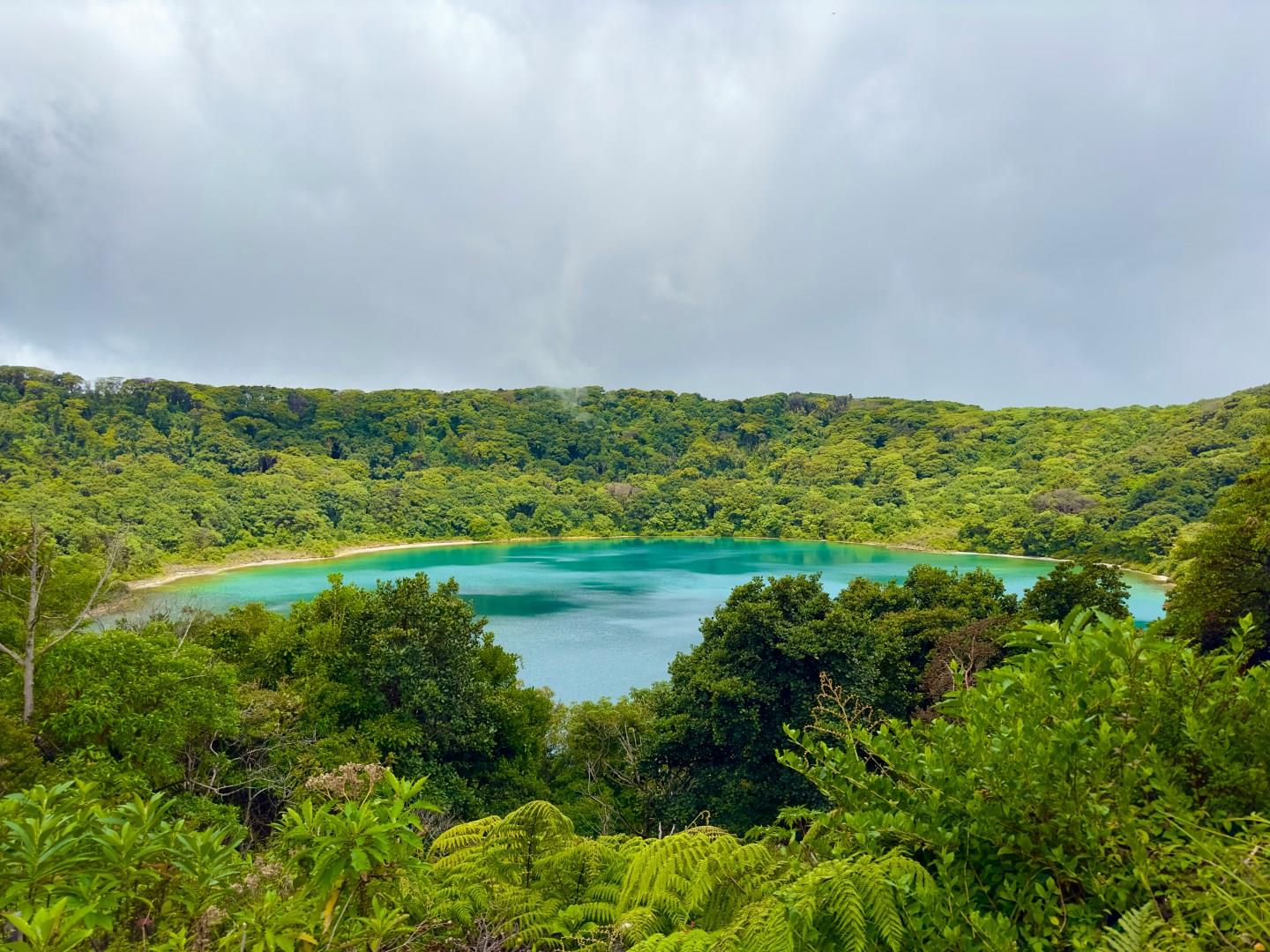
Alajuela, Costa Rica’s second-largest city, offers a mix of history, culture, and natural wonders that make it more than just the gateway to Juan Santamaría International Airport. The city’s central park, cathedral, and museums create a lively hub where local life unfolds, from weekend markets filled with fresh produce to festivals celebrating music and tradition.

Vilnius
Vilnius, the charming capital of Lithuania, is a city where historical grandeur meets vibrant modernity. The heart of Vilnius is its UNESCO-listed Old Town, one of the largest and most well-preserved medieval city centers in Europe. Wander through its cobblestone streets and admire the stunning Baroque architecture.
