

Oslo
Oslo, Norway’s capital, stands at the crossroads of Nordic history and forward-thinking design. Originally founded over a thousand years ago by Viking King Harald Hardrada, the city has evolved from a medieval trading hub into one of Europe’s most modern capitals. Visitors can explore its layered past at the Akershus Fortress, a 13th-century stronghold still standing guard over Oslofjord, or walk through the preserved wooden homes of Damstredet.

Shanghai
Shanghai is a city where contrasting timelines meet at every corner. Once a small fishing village along the Huangpu River, it grew rapidly during the 19th century into a major trading port. Today, its skyline tells a story of that transformation. On one side, the Bund’s colonial-era buildings stand tall in limestone and granite; on the other, the futuristic towers of Pudong, like the Shanghai Tower and Jin Mao, stretch into the clouds.

Big Sur
Big Sur, California, is where dramatic cliffs meet the vast Pacific, creating a stunning landscape that feels almost otherworldly. Stretching for about 90 miles along California's Highway 1, this iconic coastal region offers some of the most breathtaking views in the world, with the rugged Santa Lucia Mountains rising up from the ocean to create a panorama that has captivated artists, writers, and nature lovers for generations.
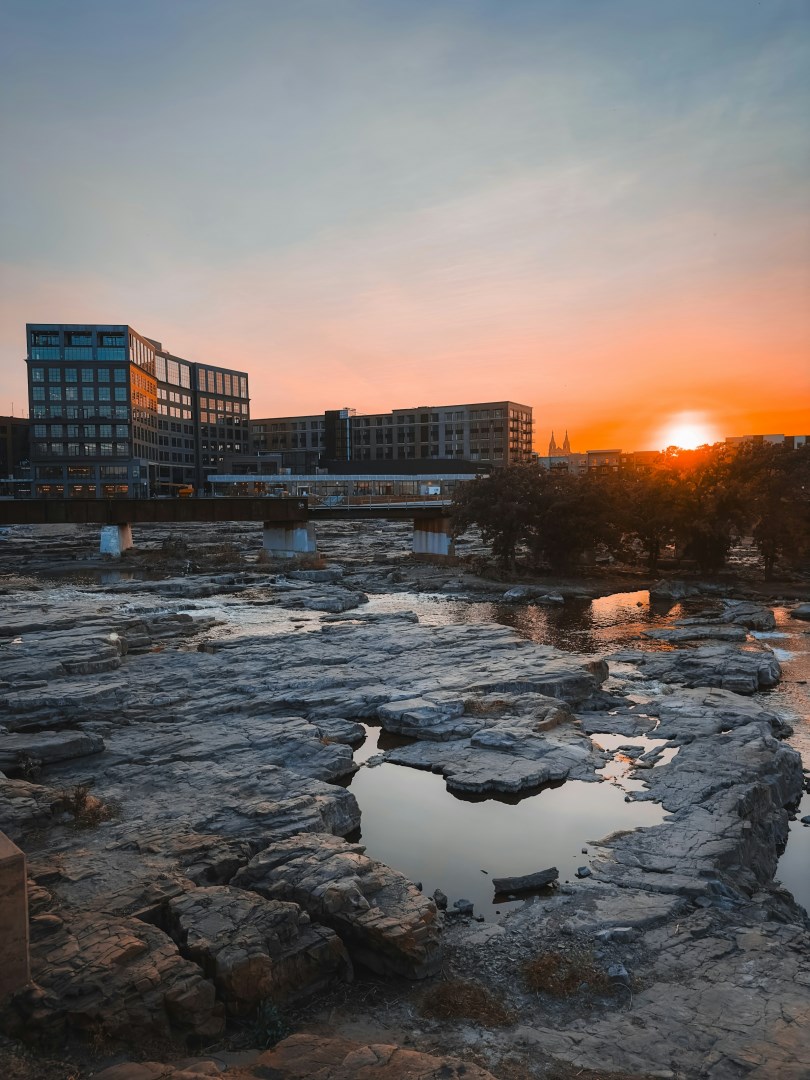
Sioux Falls
Sioux Falls is South Dakota’s largest city, located in the southeastern part of the state along the Big Sioux River. The river is central to the city’s landscape, most notably where it passes over a series of pink quartzite ledges at Falls Park. Around the urban area, the terrain opens into the broad prairie of the Great Plains, with farmland and gently rolling countryside extending beyond the city.
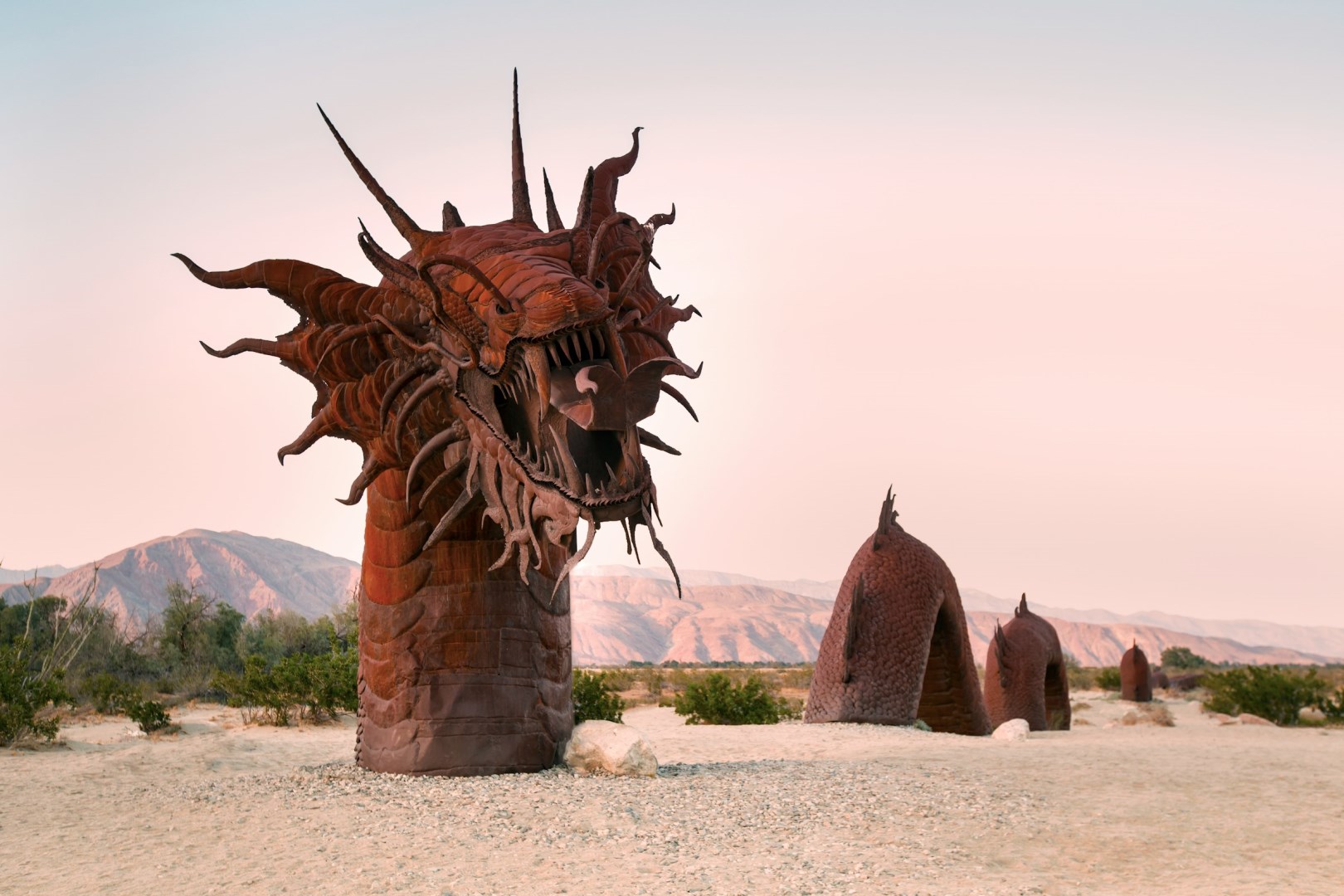
Anza-Borrego Desert State Park
Anza-Borrego Desert State Park occupies a large area of southeastern California, extending across the Colorado Desert east of San Diego County. It is California’s largest state park and contains a varied desert landscape of broad valleys, badlands, rocky mountains, palm oases, dry washes, and sandy plains. The park takes its name from Spanish explorer Juan Bautista de Anza and the Spanish word for bighorn sheep.
