
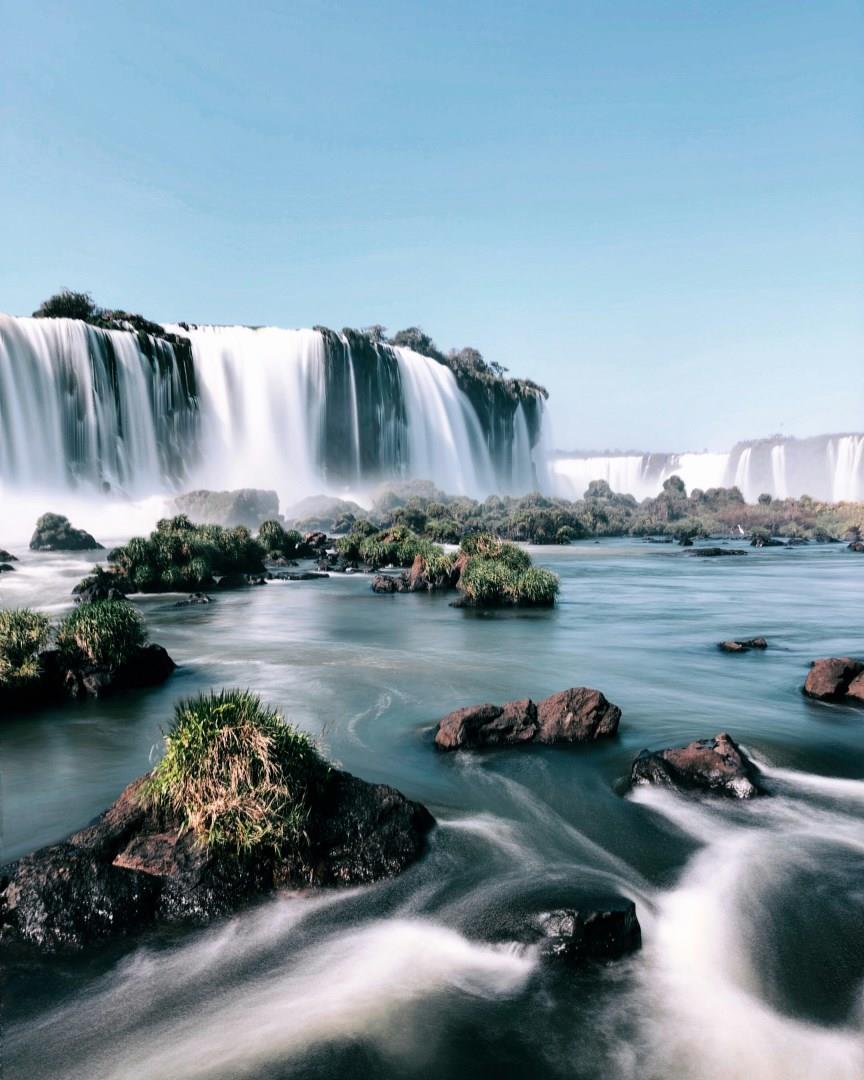
Foz do Iguaçu
Set at the meeting point of Brazil and Argentina, Foz do Iguaçu is defined by the sheer scale of the Iguaçu Falls. Nearly 275 individual waterfalls stretch across close to three kilometers, sending mist into the air and sound echoing through the surrounding forest. Visitors follow raised walkways that bring them face to face with this moving wall of water, culminating at the dramatic Devil’s Throat, a deep, curved drop where the river seems to vanish into the earth.

Salerno
Salerno, nestled along Italy's stunning Amalfi Coast, offers a captivating blend of history, culture, and Mediterranean charm. As a gateway to the Amalfi Coast, Salerno's historic center features delightful streets and architectural gems.
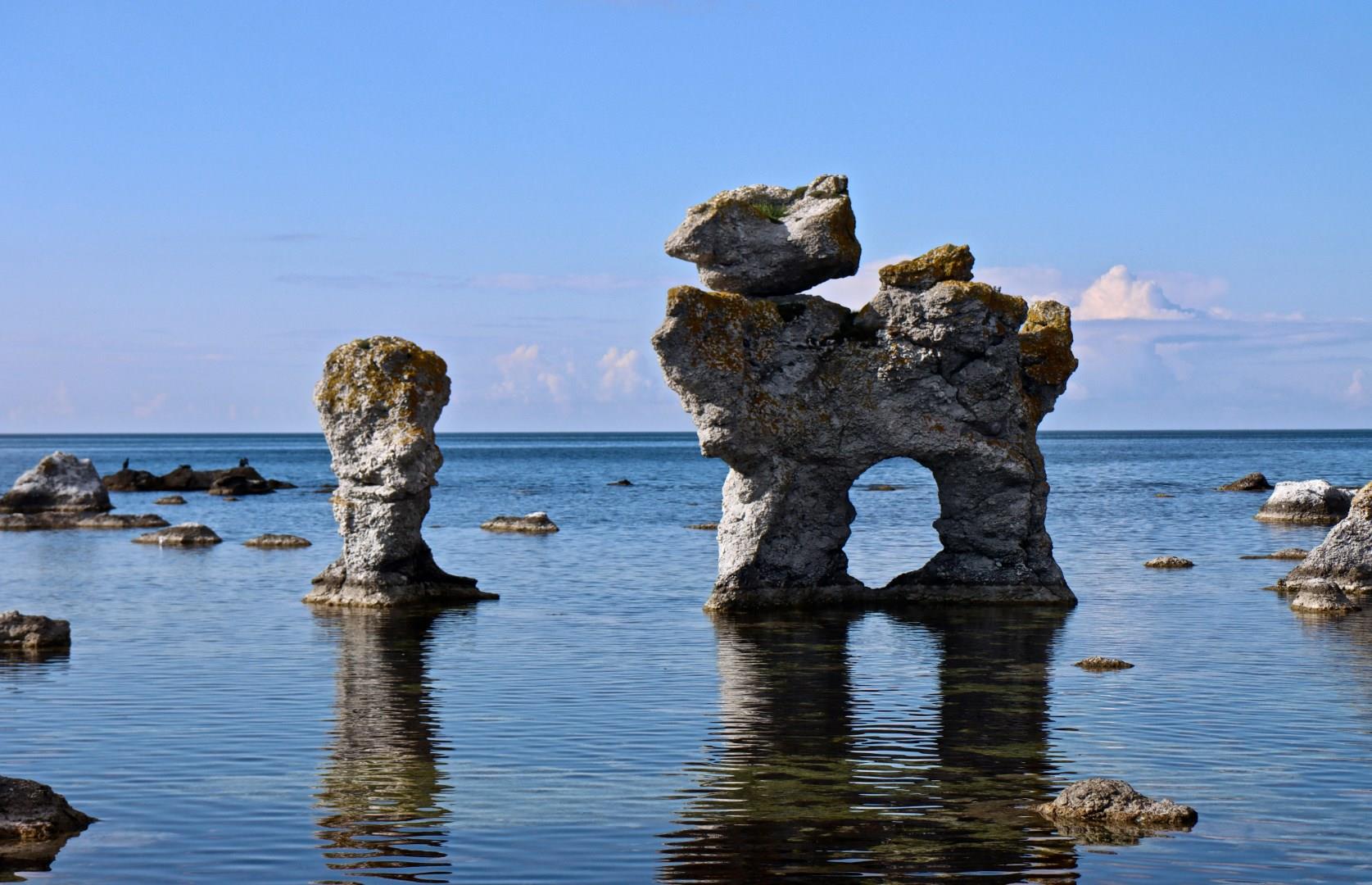
Gotland
Gotland, Sweden’s largest island, sits in the Baltic Sea and feels like a world of its own. Its main town, Visby, is a UNESCO World Heritage site and one of the best-preserved medieval towns in Northern Europe. Surrounded by a 3.5-kilometer stone wall with original towers still intact, Visby once served as a key Hanseatic trading hub. Visitors can walk along cobbled streets lined with rose-covered cottages, explore Gothic church ruins, and climb up the city wall for views over the harbor.

Kerala
Kerala, India is a lush, tropical paradise that captivates travelers with its serene backwaters, vibrant culture, and stunning landscapes. Nestled between the Arabian Sea and the Western Ghats, Kerala boasts a unique blend of natural beauty and cultural richness. The tranquil backwaters of Alleppey and Kumarakom offer a quintessential Kerala experience, where visitors can cruise on traditional houseboats through a labyrinth of canals, lagoons, and lakes.

Santa Cruz de La Palma
Santa Cruz de La Palma is the capital of the island of La Palma, one of the seven Canary Islands. Although often forgotten in favor of the similarly named Santa Cruz de Tenerife, it is a compact and colorful colonial town well worth a visit. Swimming, paragliding, and hiking and some of the most popular daytime activities, while stargazing is a favorite pastime after the sun goes down.
