
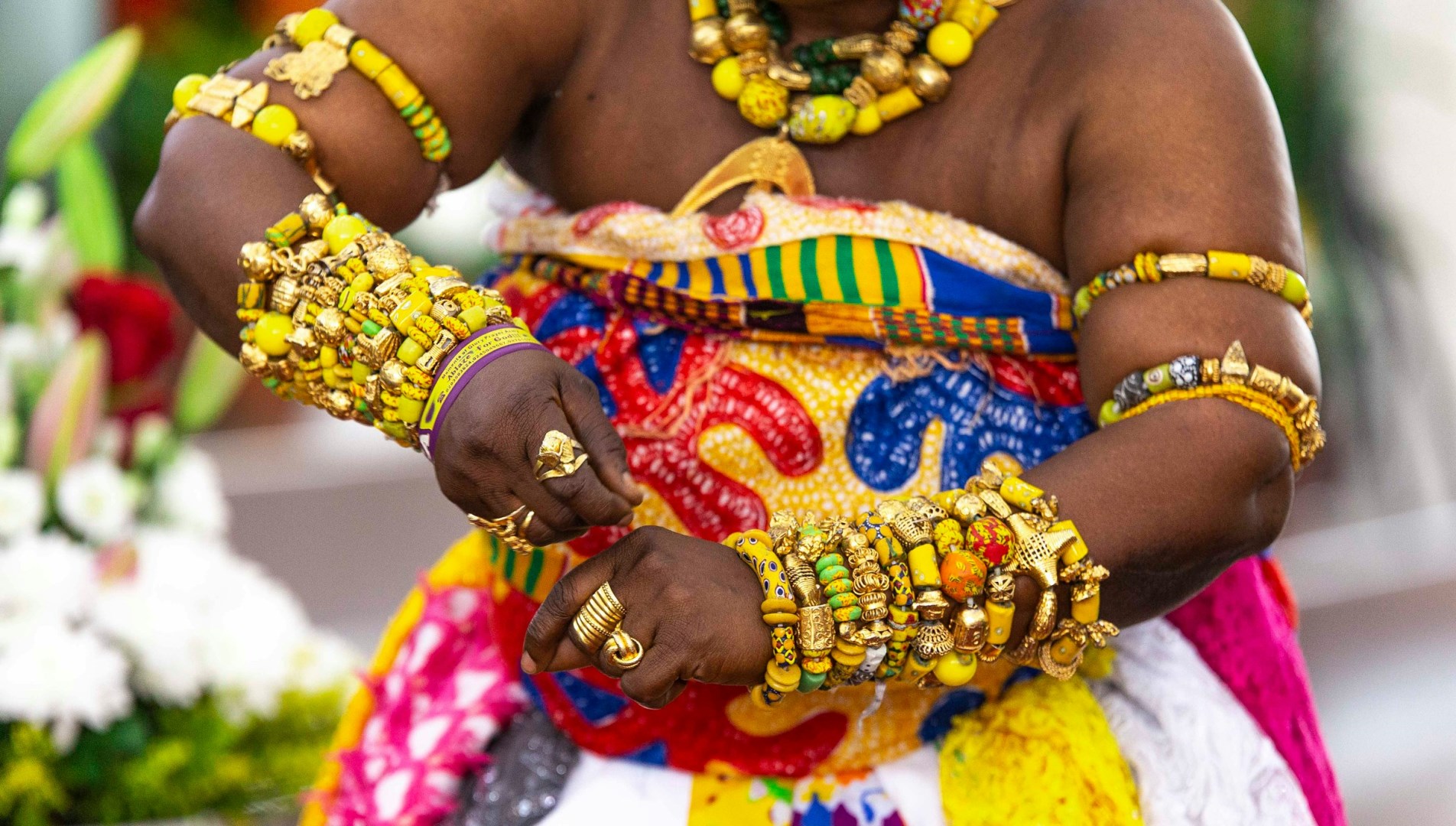
Kumasi
Kumasi is the capital of Ghana’s Ashanti Region and one of the country’s main cultural centers. Often called “Oseikrom” by locals, the city is closely connected to the traditions of the Ashanti Kingdom and remains an important place for trade, ceremonies, and craftsmanship.
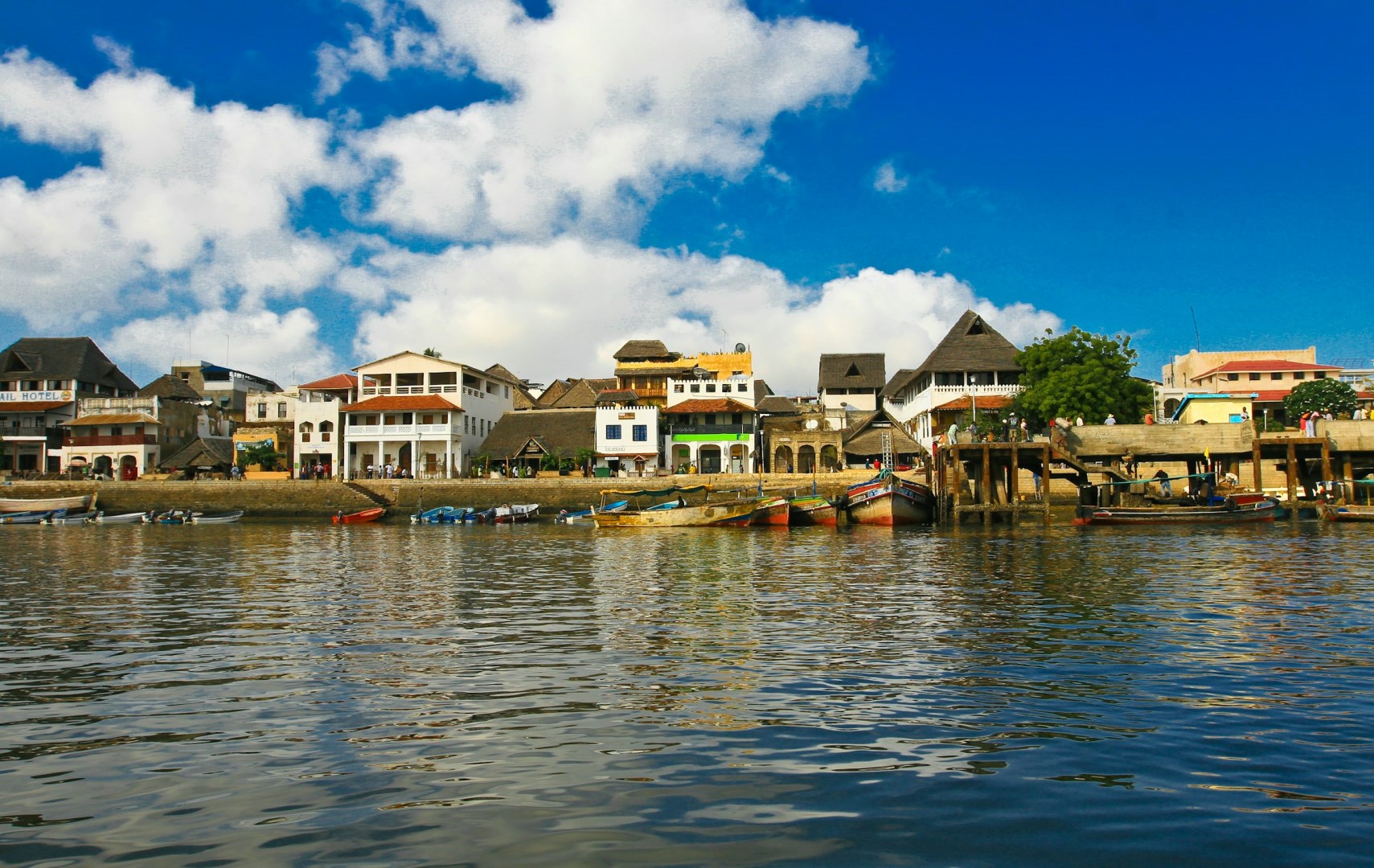
Lamu
Lamu is a place of fantasy and other-worldliness wrapped in a cloak of medieval romance. With an almost exclusively Muslim population, Kenya's oldest living town has changed little in appearance or character over the centuries. Remote and self-contained, this once thriving port town is now a gloriously relaxed and relaxing destination.
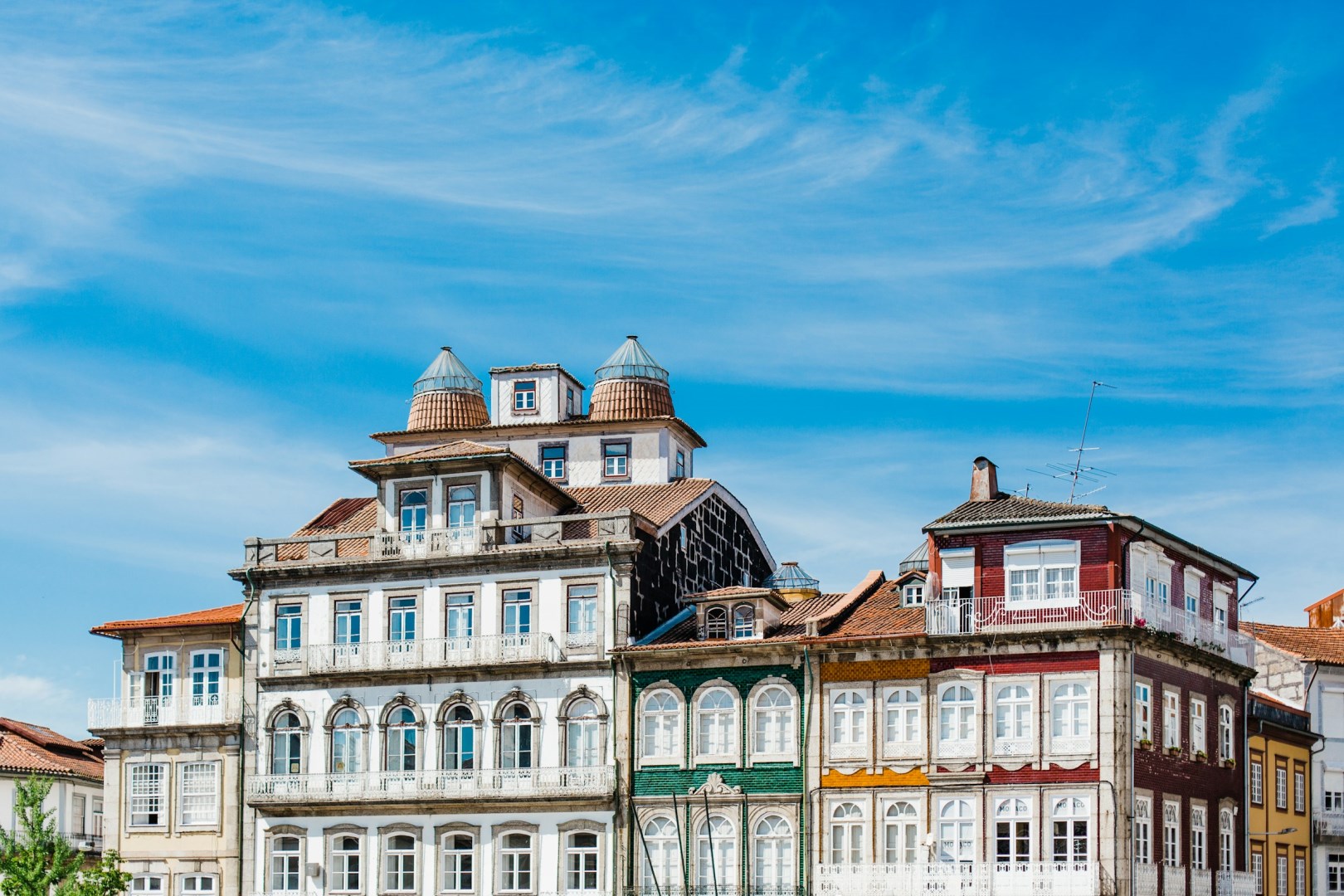
Guimarães
Guimarães is a historic city in northern Portugal closely associated with the origins of the Portuguese nation. Known as the “Cradle of Portugal,” it developed around a medieval settlement whose historic center remains exceptionally well preserved. Narrow streets, granite buildings, arcaded squares, and traditional houses give the old town a distinctive architectural character.
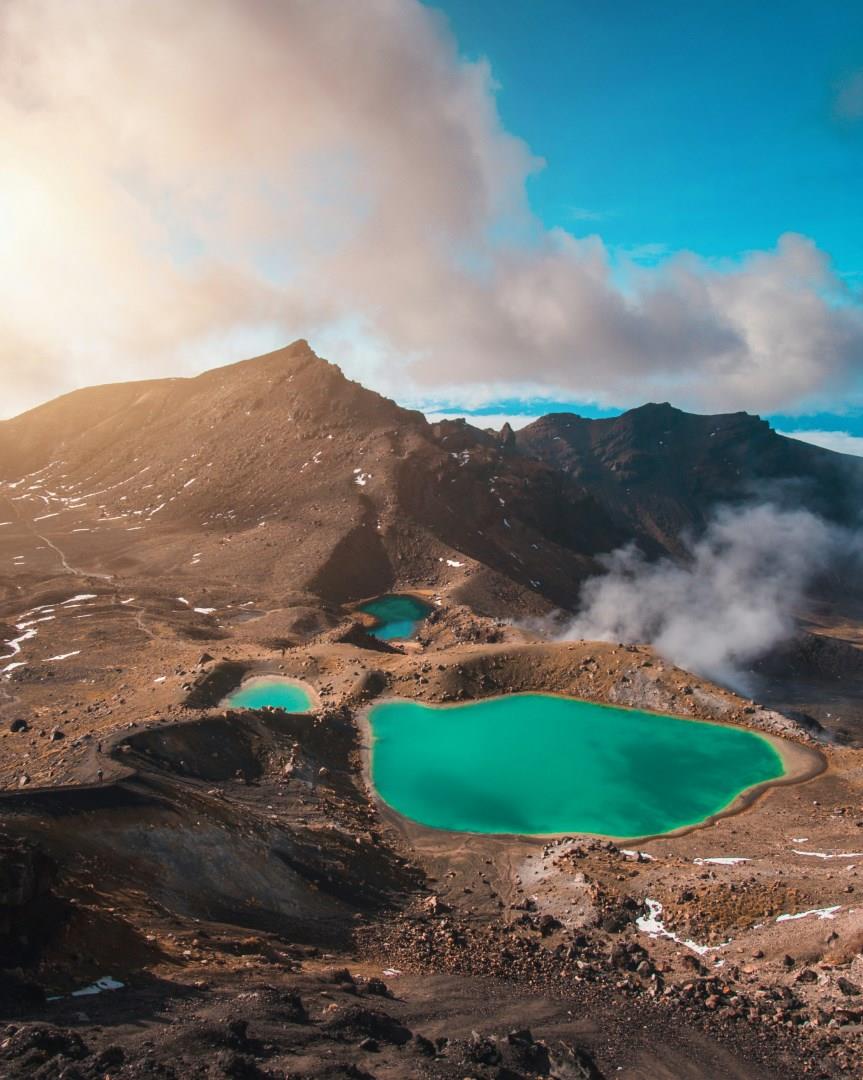
Tongariro National Park
Tongariro National Park, on New Zealand’s North Island, holds deep cultural meaning as well as striking geological presence. It was the country’s first national park, gifted to the nation by Ngāti Tūwharetoa chiefs in the 19th century, establishing a model that tied conservation to Māori guardianship. The volcanic peaks of Tongariro, Ngāuruhoe, and Ruapehu are considered ancestors, giving the landscape a living cultural identity rather than a purely scenic one.

Bangkok
Bangkok, Thailand’s capital, is a city of striking contrasts where gilded temples stand beside sleek skyscrapers and centuries-old traditions thrive amid modern life. At its heart is the Grand Palace, a dazzling complex that once housed the Thai kings, along with Wat Phra Kaew, the revered Temple of the Emerald Buddha.
