

Çanakkale
The city of Canakkale lies at the narrow, 1,200 meter entrance to the Canakkale Strait that connects the Sea of Marmara and the Aegean. To honor the 500,000 soldiers who lost their lives at Gelibolu (Gallipoli), the peninsula was made into Gelibou Historical National Park.
Townsville
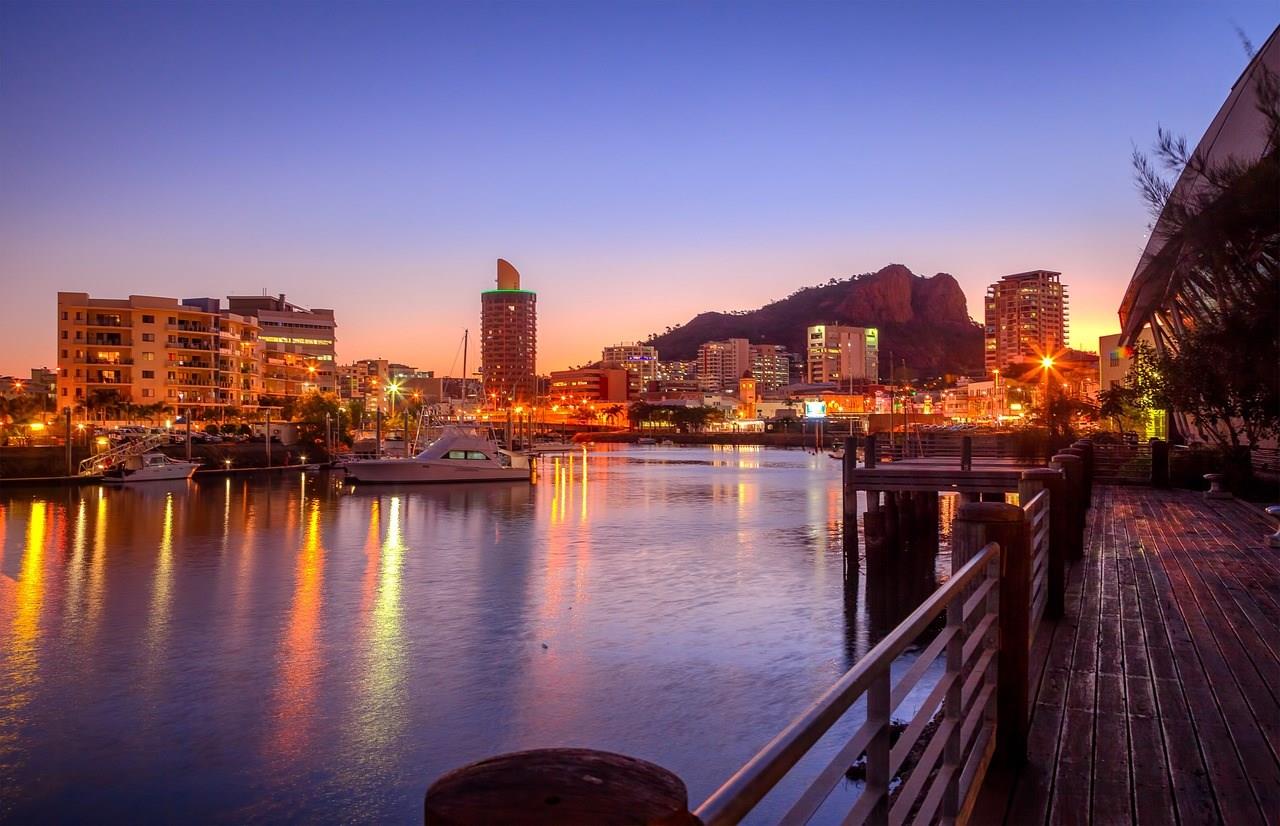
Townsville, perched on the northeastern coast of Queensland, is a city where tropical charm meets rich heritage. Once a strategic military base during World War II, Townsville still carries echoes of its past through sites like the Townsville Heritage Centre. The Strand, a scenic, palm-lined beachfront promenade, serves as a gathering place for locals and visitors alike, where weekend drum circles and food trucks bring the esplanade to life.

Swaziland (Eswatini)
Whether exploring its stunning natural reserves or adventurous activities, Eswatini offers an unforgettable experience that showcases the heart and soul of this remarkable African nation.

Korčula
Korčula, a jewel in Croatia's Adriatic Sea, invites visitors to immerse themselves in its rich history and stunning natural beauty. Often referred to as "Little Dubrovnik," the city boasts well-preserved medieval architecture, narrow cobblestone streets, and a fortified old town encircled by ancient walls.
Ganvie
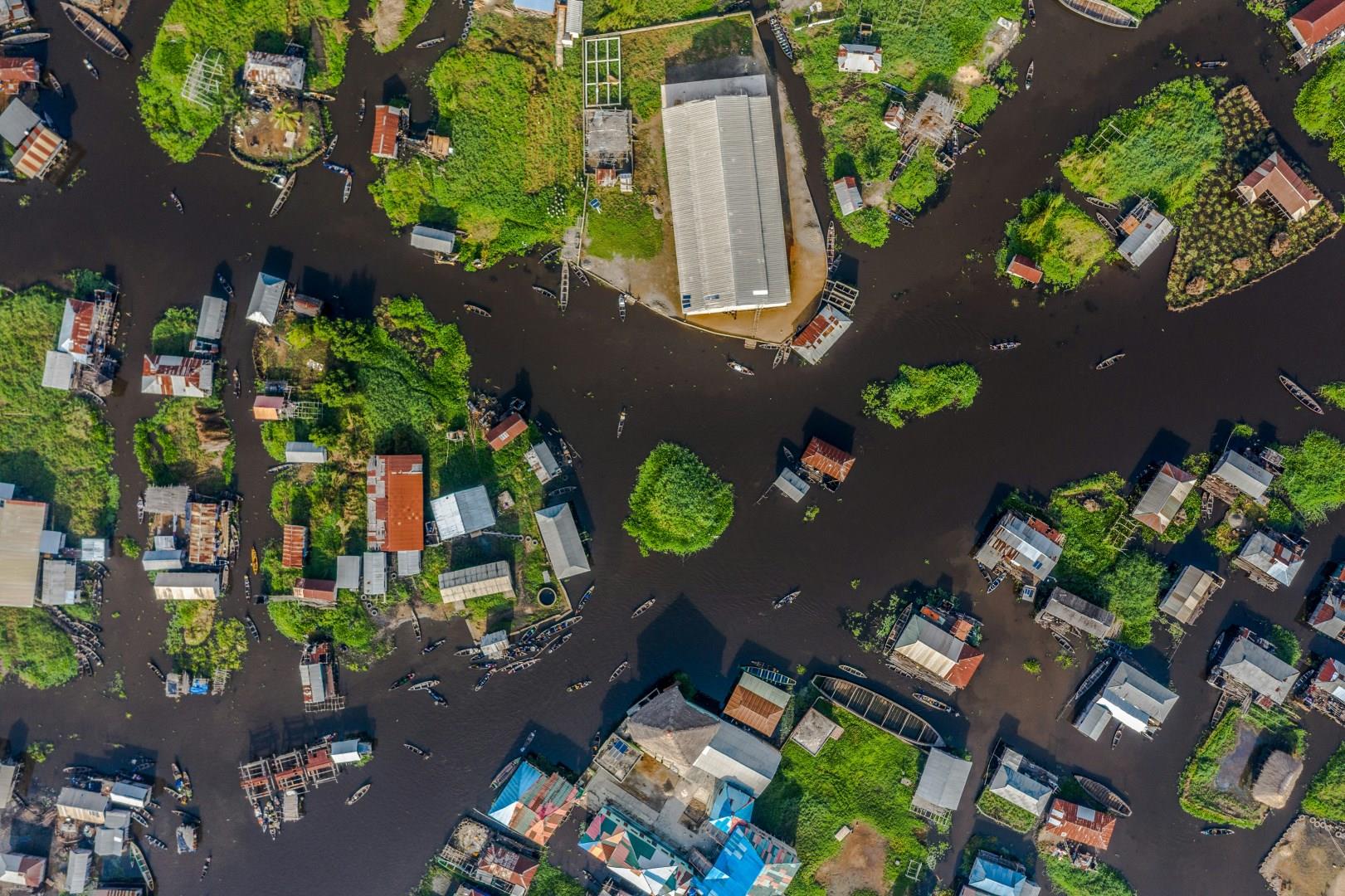
Ganvie, often called the "Venice of Africa," is a lake village located in the heart of Lake Nokoué in southern Benin. What makes Ganvie extraordinary is that the entire village sits on stilts above the water, with wooden homes, floating markets, and schools accessible only by boat. Visitors can glide through narrow canals in pirogues, experiencing firsthand a way of life shaped entirely by water.
