
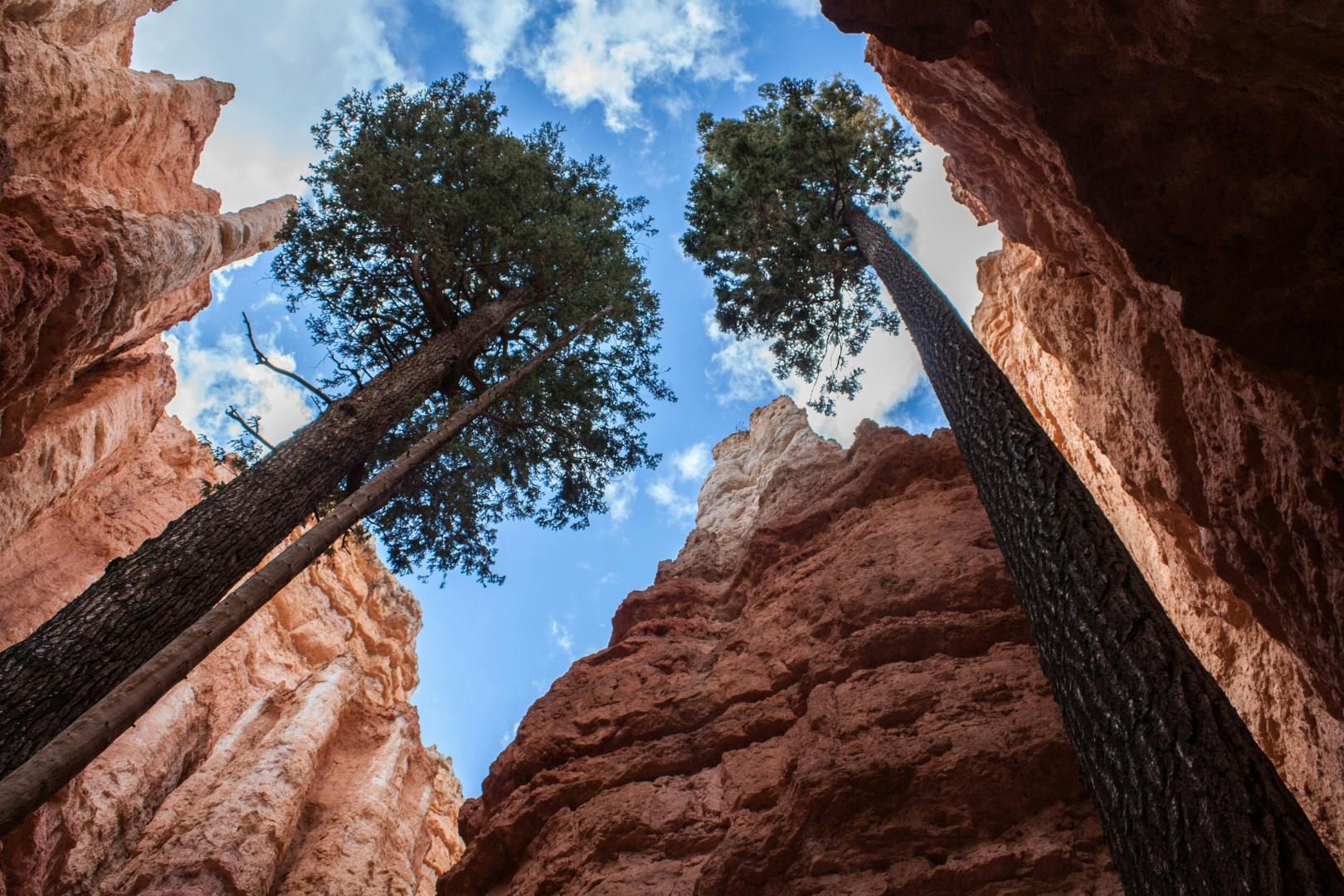
Bryce Canyon
Bryce Canyon, tucked into the high plateaus of southern Utah, offers one of the most unusual landscapes in the American Southwest. It’s not actually a canyon but a series of natural amphitheaters carved into the edge of the Paunsaugunt Plateau. What makes Bryce unique is its dense collection of hoodoos which are tall, thin spires of rock formed over millions of years by frost-wedging and erosion.
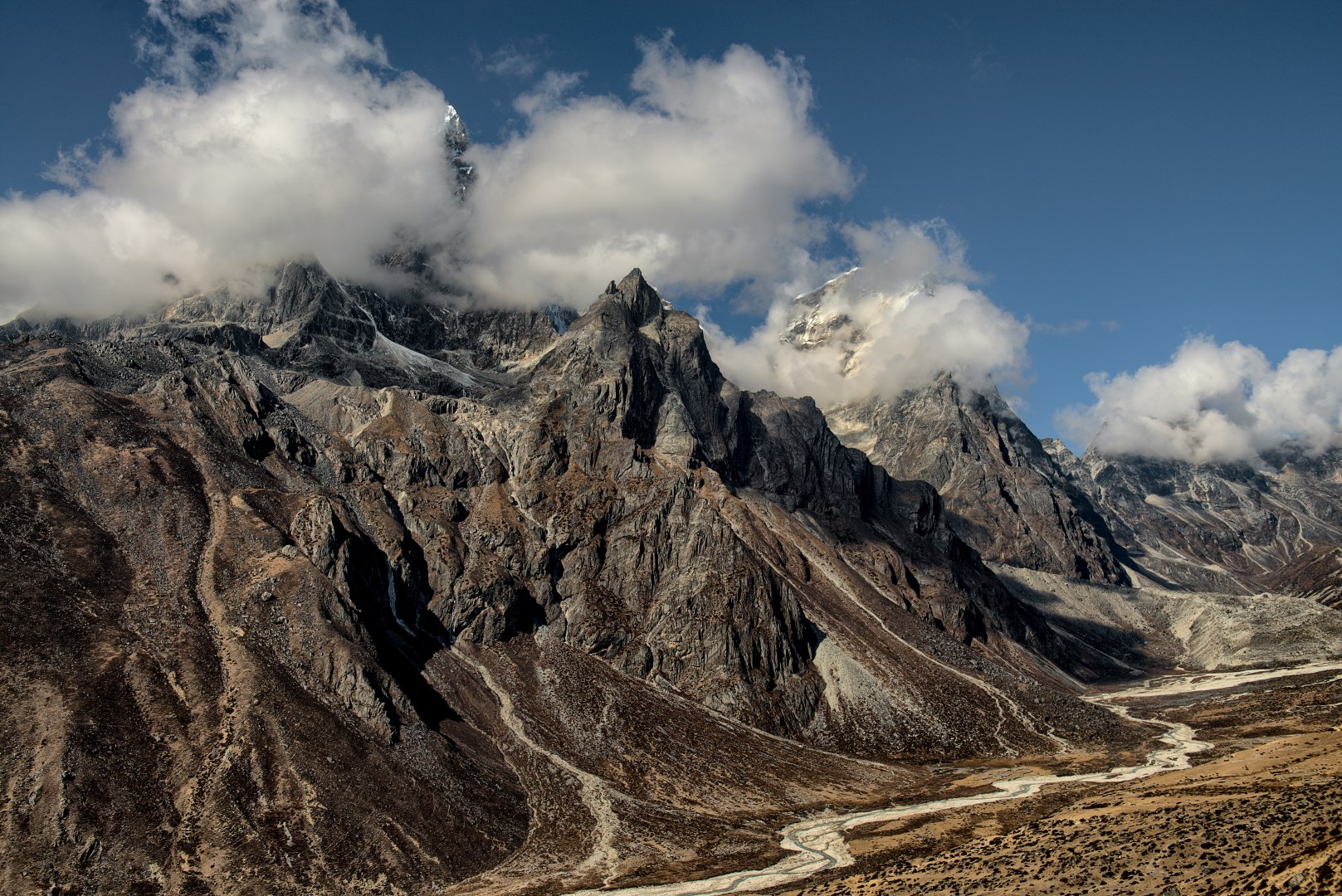
Lobuje
High in the Khumbu region, Lobuche sits in a stark alpine setting along the trail toward Mount Everest. Surrounded by rocky terrain and glacial formations, the village stands close to the Khumbu Glacier, where the landscape shifts into shades of gray, white, and deep blue. The air here is thin and crisp, and the silence is often broken only by the wind moving across the valley.
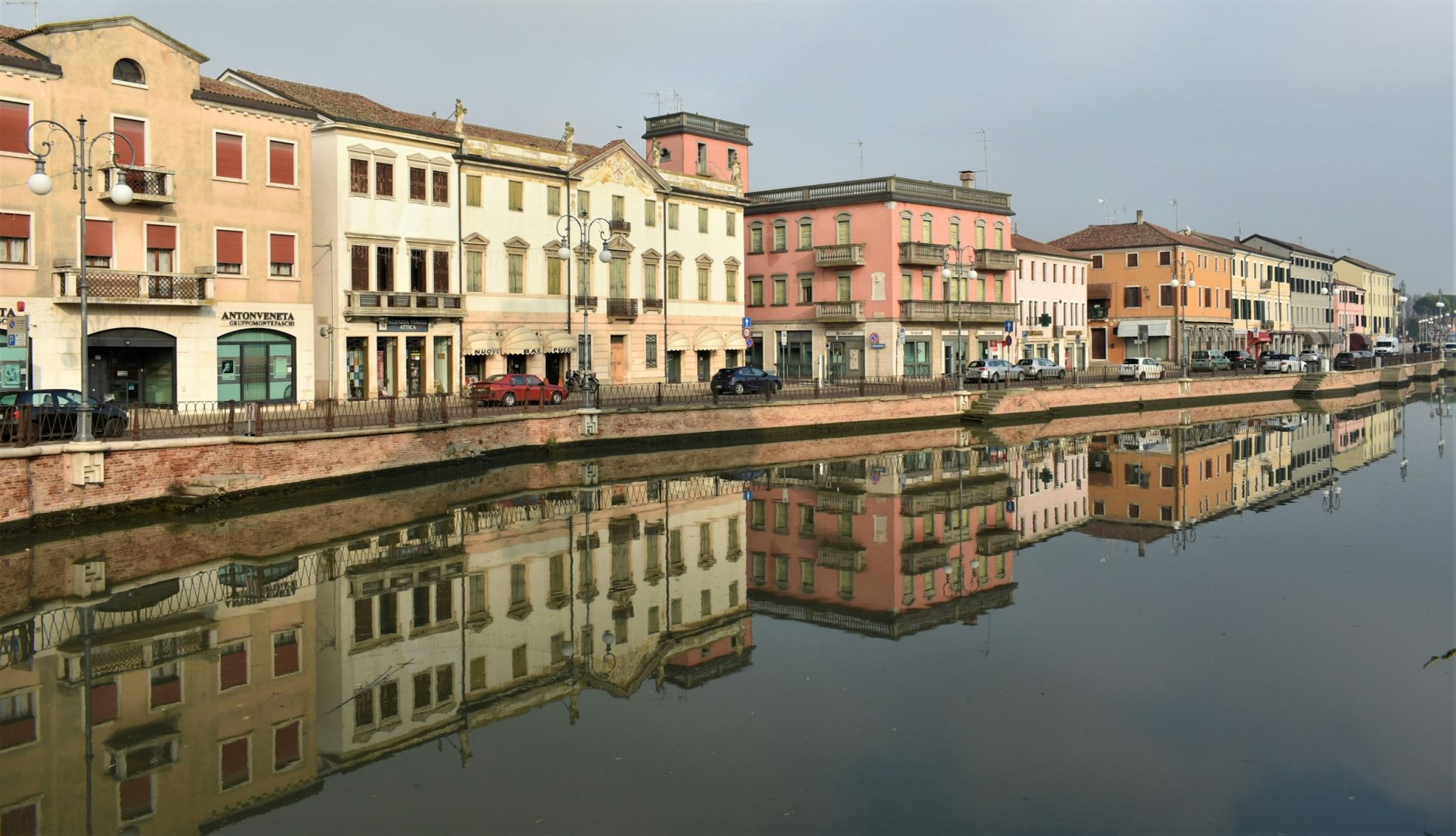
Adria
Adria is a historic town in the Veneto region of northeastern Italy, situated between the Po River and the Adriatic coast. Its name is closely associated with the Adriatic Sea, while its modern landscape lies within the flat, water-rich countryside of the Po Delta. The town developed around waterways that have long supported agriculture, trade, and transport.
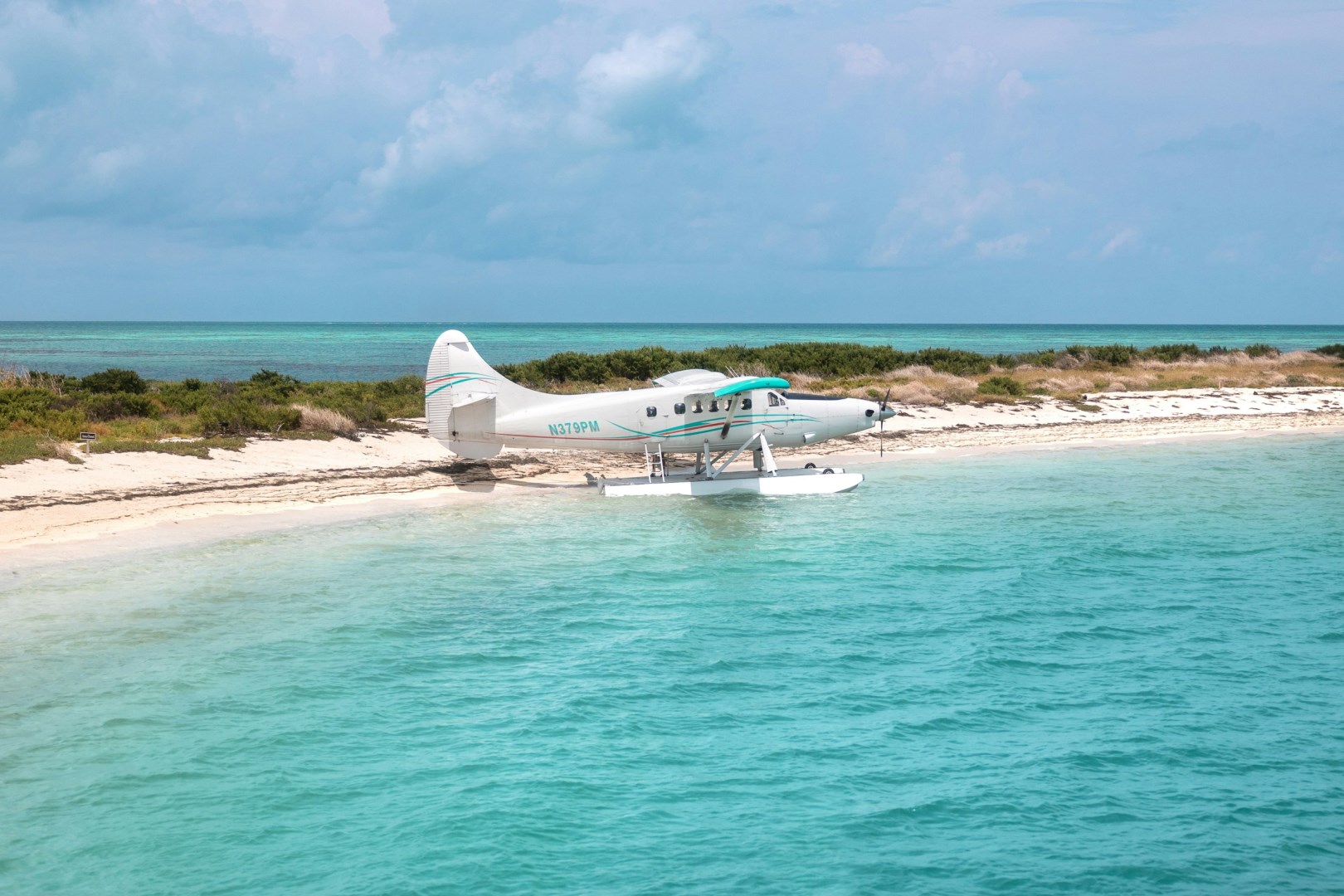
Dry Tortugas National Park
Dry Tortugas National Park is a remote island and marine park in the Florida Keys, located nearly 70 miles west of Key West. The park consists of seven small islands surrounded by shallow waters, coral reefs, seagrass beds, and open ocean. More than 99 percent of the park is water, making its marine environment as important as its land area. Garden Key is the main visitor destination and contains historic Fort Jefferson, while Loggerhead Key, the largest island, is known for its lighthouse and p
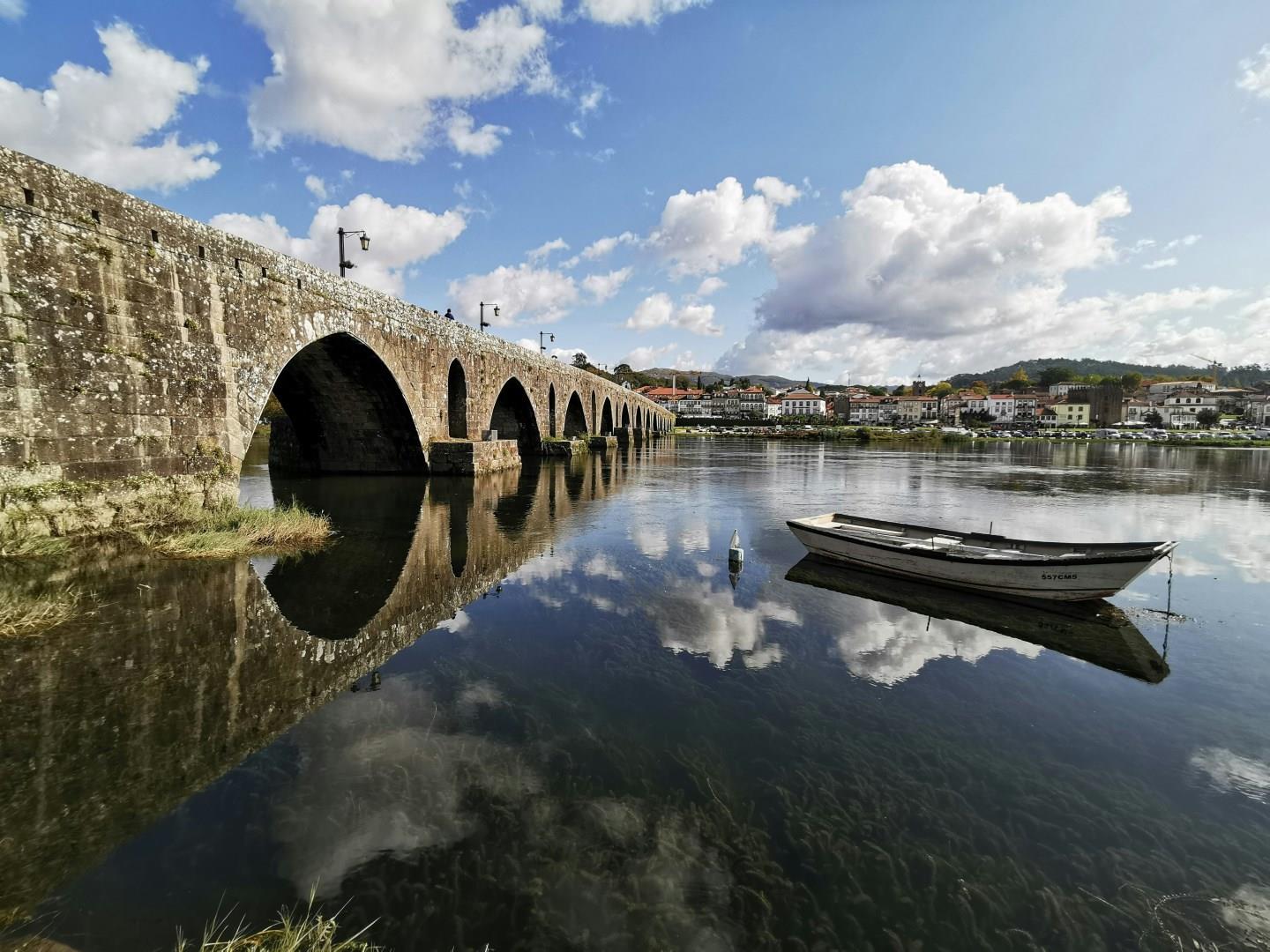
Ponte de Lima
Ponte de Lima sits along the Lima River in northern Portugal and is often regarded as the country’s oldest town. Its identity centers on the medieval bridge that spans the river, parts of which date back to Roman times and still structure how the town is experienced today.
