
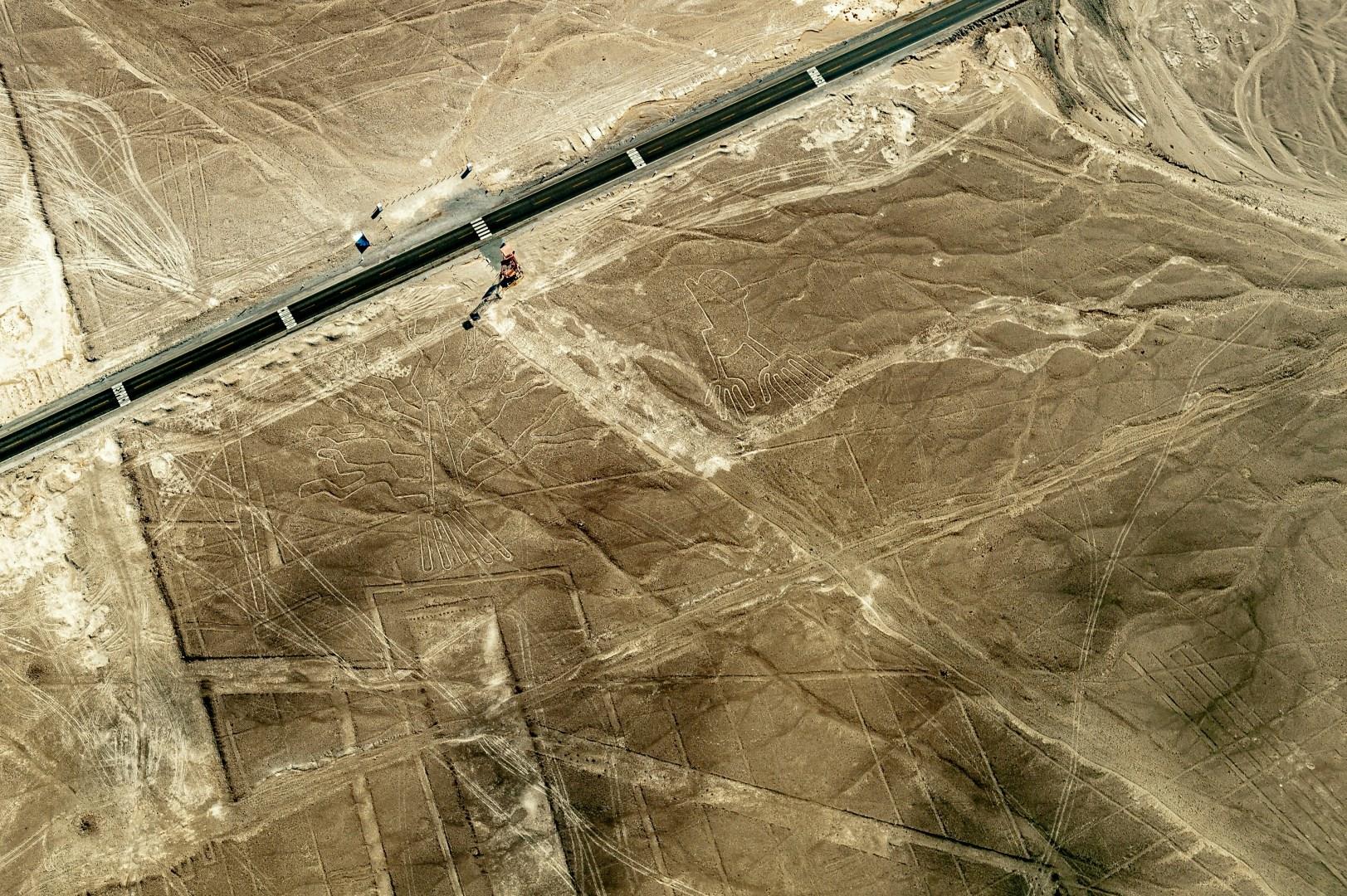
Nazca
In the southern deserts of Peru, Nazca invites visitors to look beyond the horizon. This small city is world-famous for the mysterious Nazca Lines, enormous geoglyphs etched into the desert floor more than 1,500 years ago. From the air, shapes like hummingbirds, monkeys, and even a stylized astronaut come into view, some stretching over 300 meters. Their exact purpose remains a mystery, fueling decades of theories.

Þingvellir National Park
Thingvellir, a captivating site in Iceland, seamlessly combines natural beauty and historical significance. Located in the Thingvellir National Park, this UNESCO World Heritage Site is a geological wonder where the North American and Eurasian tectonic plates meet. The dramatic landscape features rift valleys and stunning volcanic formations, making it a paradise for hikers and nature enthusiasts.
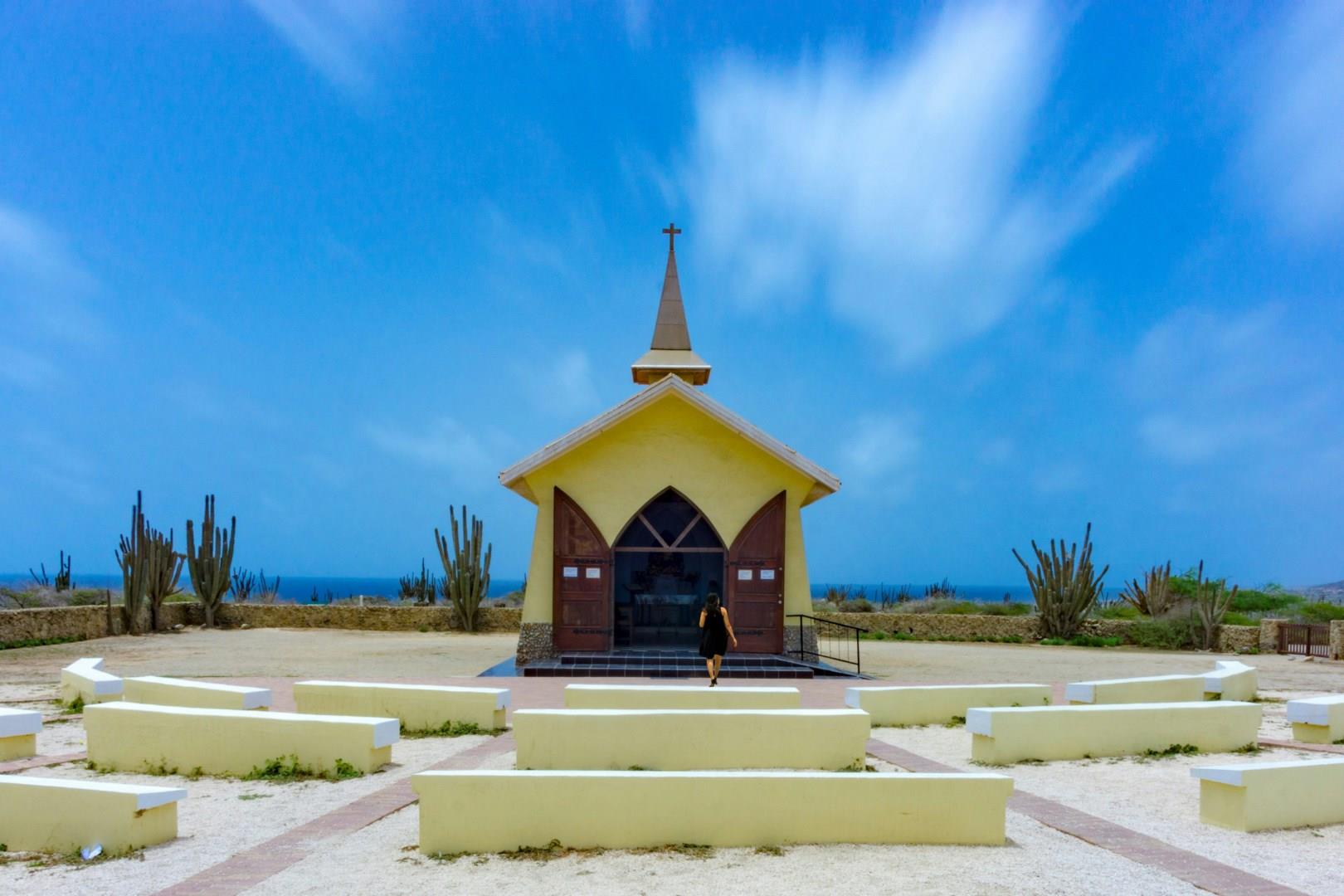
Noord
Noord, located on the northern tip of Aruba, is where much of the island’s lively tourism scene comes to life. This district is home to the famous Palm Beach, a two-mile stretch of soft sand lined with high-rise resorts, chic beach clubs, and a vibrant mix of restaurants and nightlife.

Puerto Montt
The city of Puerto Montt sits on the coast of Chile's Lake District and is considered a gateway to some of the country's most breathtaking natural beauty, including the fjords of Patagonia and the impressive Andes mountain range. Puerto Montt often serves as a port for South American cruises.

A Coruna
Perched on the northern coast of Spain, A Coruña (or La Coruña) is a captivating city with a rich maritime heritage and scenic beauty. Dominated by its iconic lighthouse, the Torre de Hércules, which is the oldest functioning lighthouse in the world, A Coruña offers a unique glimpse into ancient engineering.
