

Peru
Peru is a country that tells its story through stone, soil, and flavor. From the ancient Inca citadel of Machu Picchu to the bustling food markets of Lima, every region reveals a different chapter of its heritage. One of the country’s most iconic sites, Machu Picchu, continues to draw visitors from around the world to see its stone terraces and cloud-kissed scenery, as well as the sense of wonder that accompanies the journey there.
Perugia
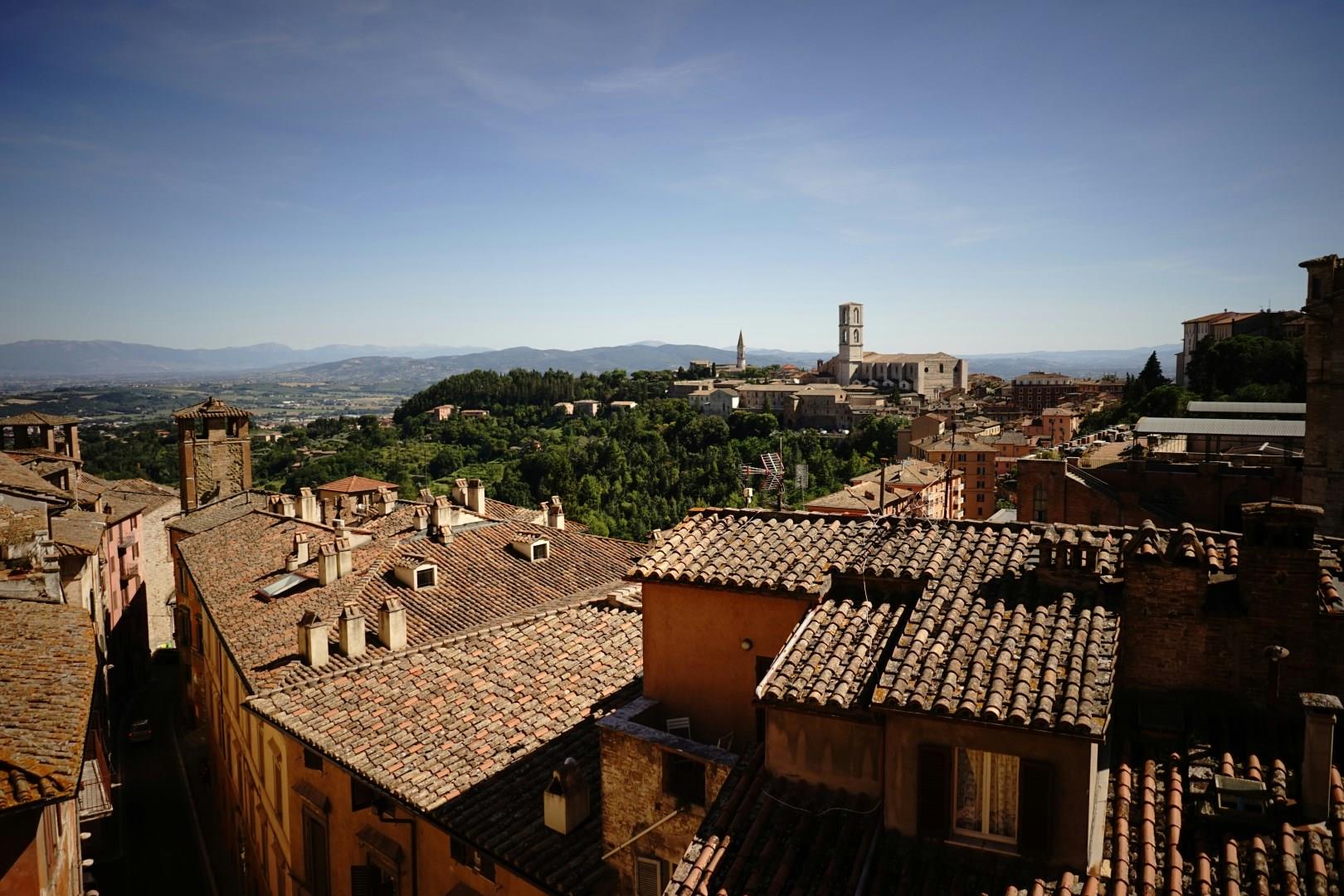
Perugia, the capital of Italy’s Umbria region, is a city built across hills and centuries. Originally settled by the Etruscans more than 2,500 years ago, it still holds remnants of their civilization, including one of the largest surviving Etruscan arches in Italy named Arco Etrusco, which greets visitors at the city’s entrance. Walking through the narrow streets of the historic center reveals layers of Roman, medieval, and Renaissance architecture, all woven together within ancient stone walls.
Raleigh
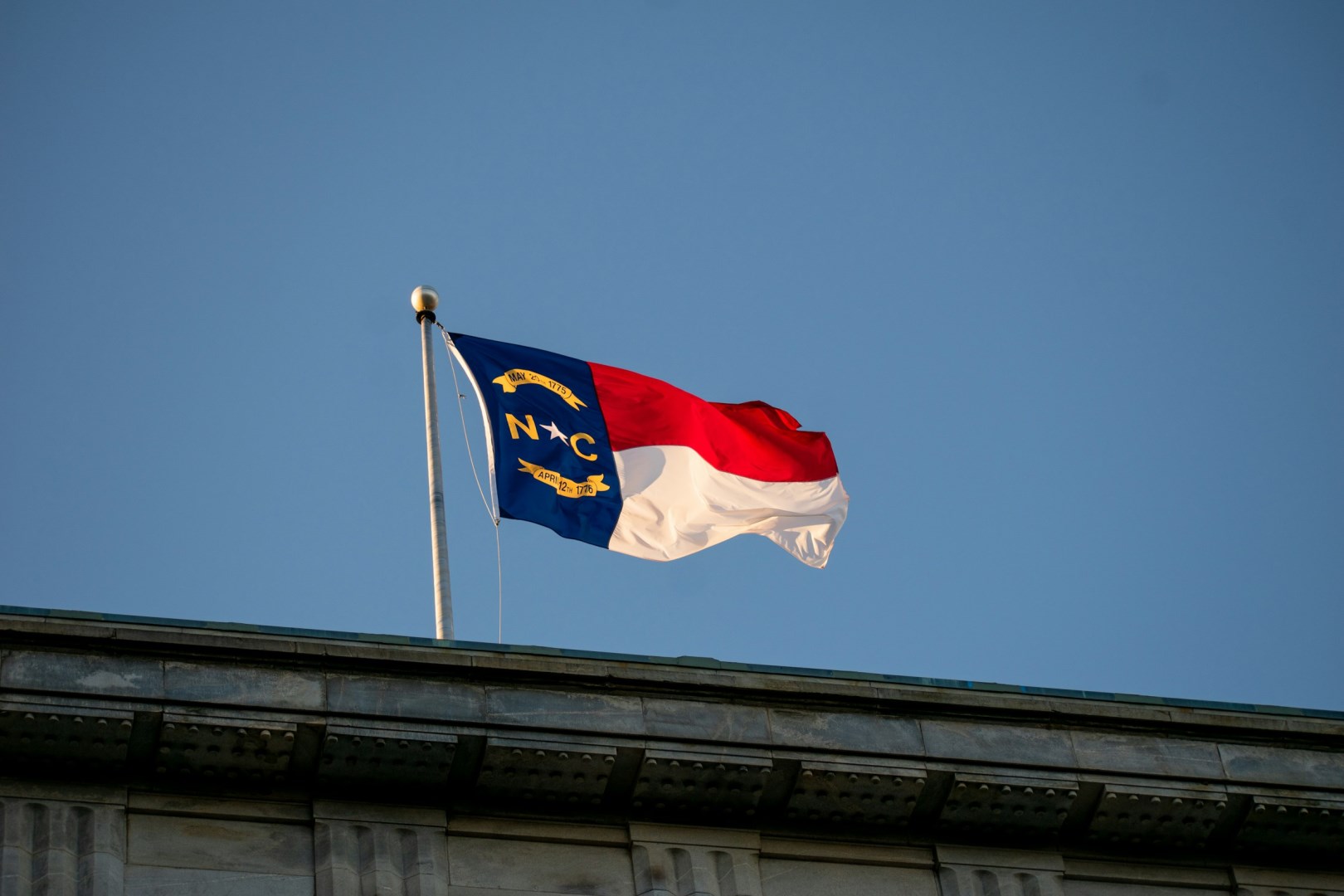
Raleigh is the capital of the state of North Carolina; located in the east central part of the state. It is home of the largest research park in the country, Research Triangle Park. Visit some of Raleigh's many universities, parks, museums and galleries, including the North Carolina Museum of History and the North Carolina Museum of Art
Exuma
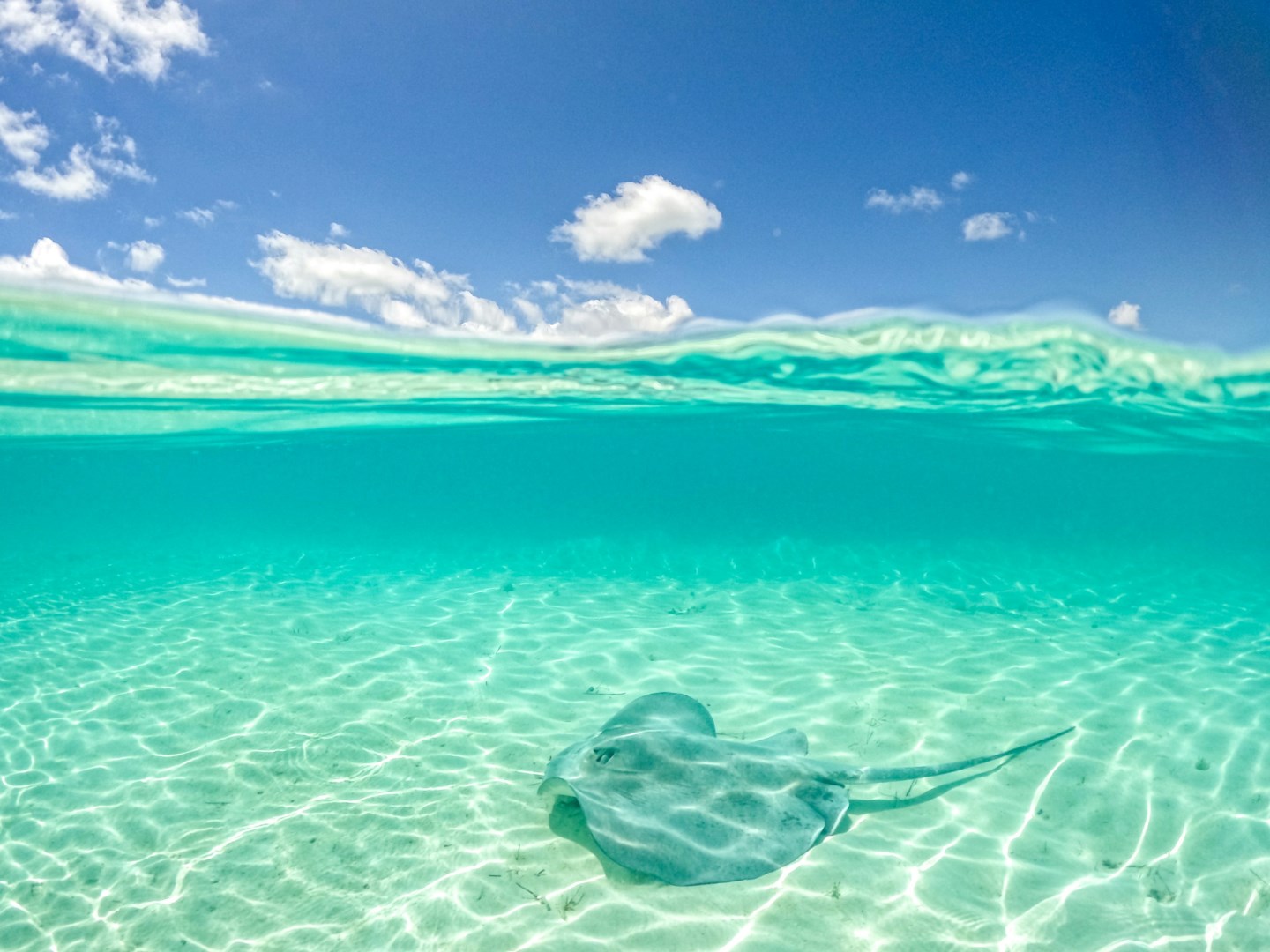
Exuma is a long chain of islands and cays in the central Bahamas, stretching through clear Atlantic waters southeast of New Providence. The district includes Great Exuma, Little Exuma, and hundreds of smaller cays, with George Town serving as the main settlement and administrative centre. The islands are characterized by white-sand beaches, shallow turquoise banks, limestone landscapes, mangroves, and sheltered bays.
Wiesbaden
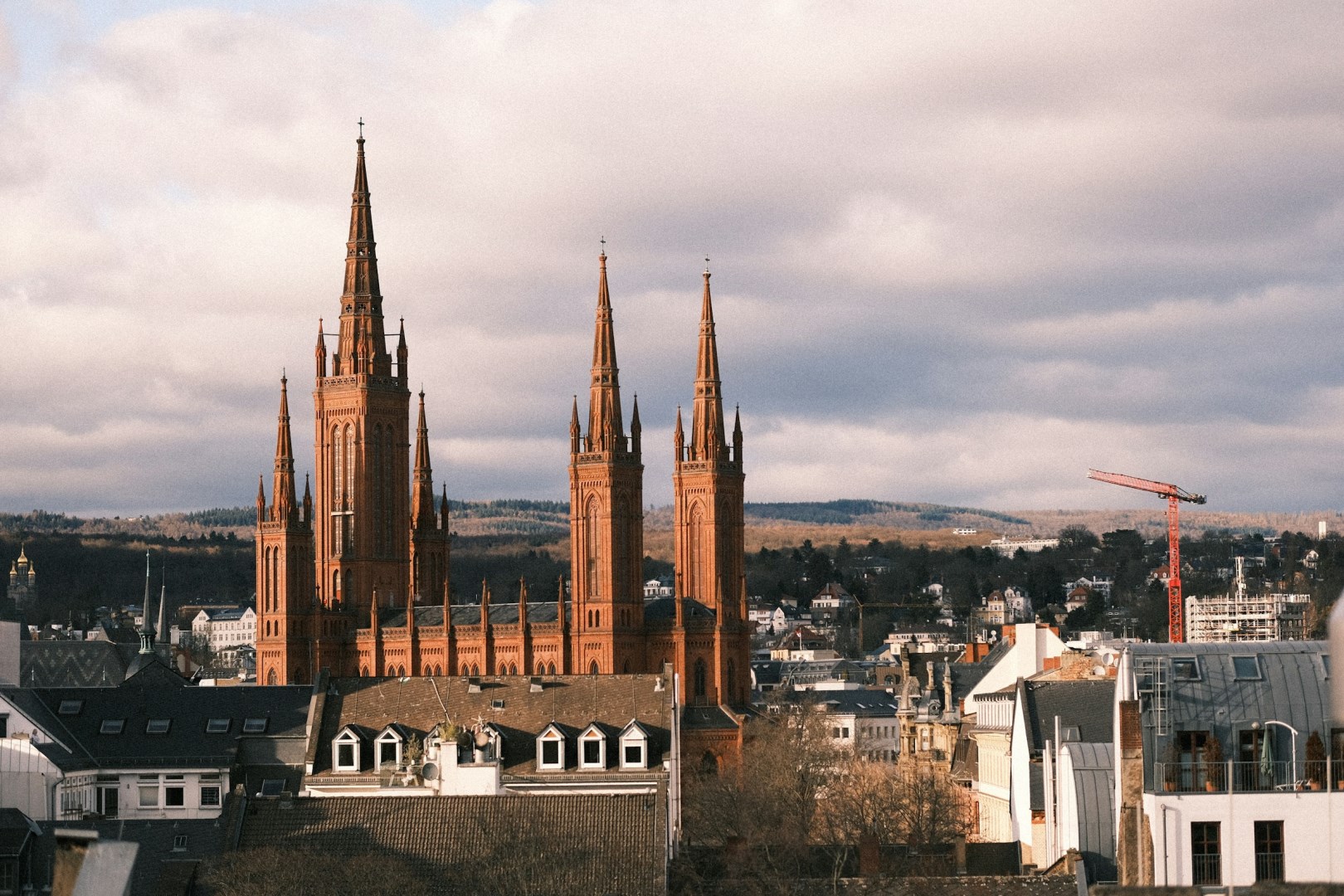
Wiesbaden is located in west central Germany at the southern foot of the Taunus Mountains, on the Rhine River, near Frankfurt. It is popular for its 26 hot mineral springs and mild climate and tourism is vital to the local economy. Wiesbaden is a cultural center; places of interest are the former royal and ducal residences; the Kurhaus with its casino and its concert halls; the Colonnade, remnants of a Roman wall known as the Heidenmauer ("heathens' wall"); and the Hessian State Theater.
