
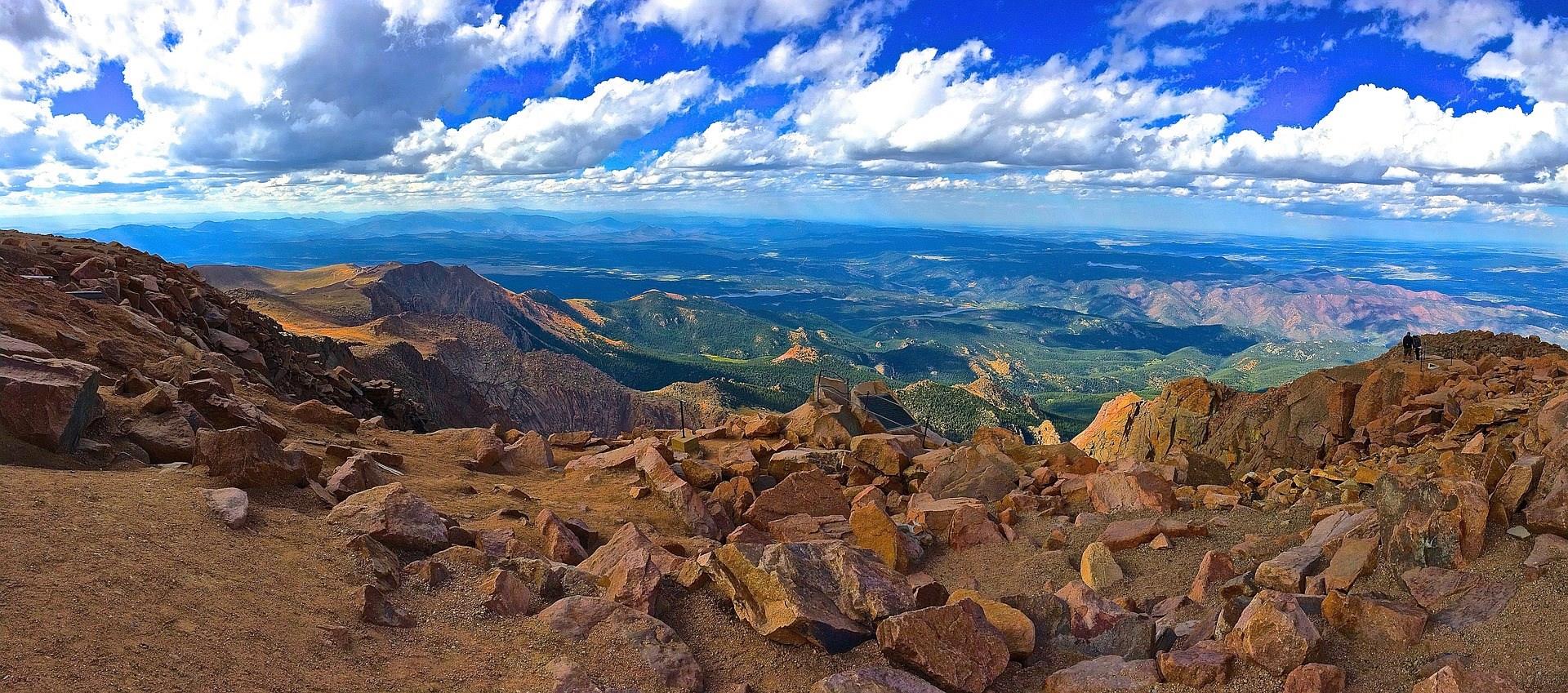
Pike's Peak
Pikes Peak, located in the heart of Colorado's Rocky Mountains, offers visitors an awe-inspiring natural experience. The Pikes Peak Highway, which ascends to the summit, allows travelers to reach the top by car, making it a popular choice for those looking to experience high-altitude vistas without the strenuous hike.

Kangerlussuaq
Kangerlussuaq, Greenland, is a gateway to the stunning Arctic wilderness and an essential stop for any intrepid traveler seeking adventure in the icy realms of the north. This remote town, located on the western coast of Greenland, is renowned for its dramatic landscapes, including the vast Søndre Strømfjord, one of the longest fjords in the world.
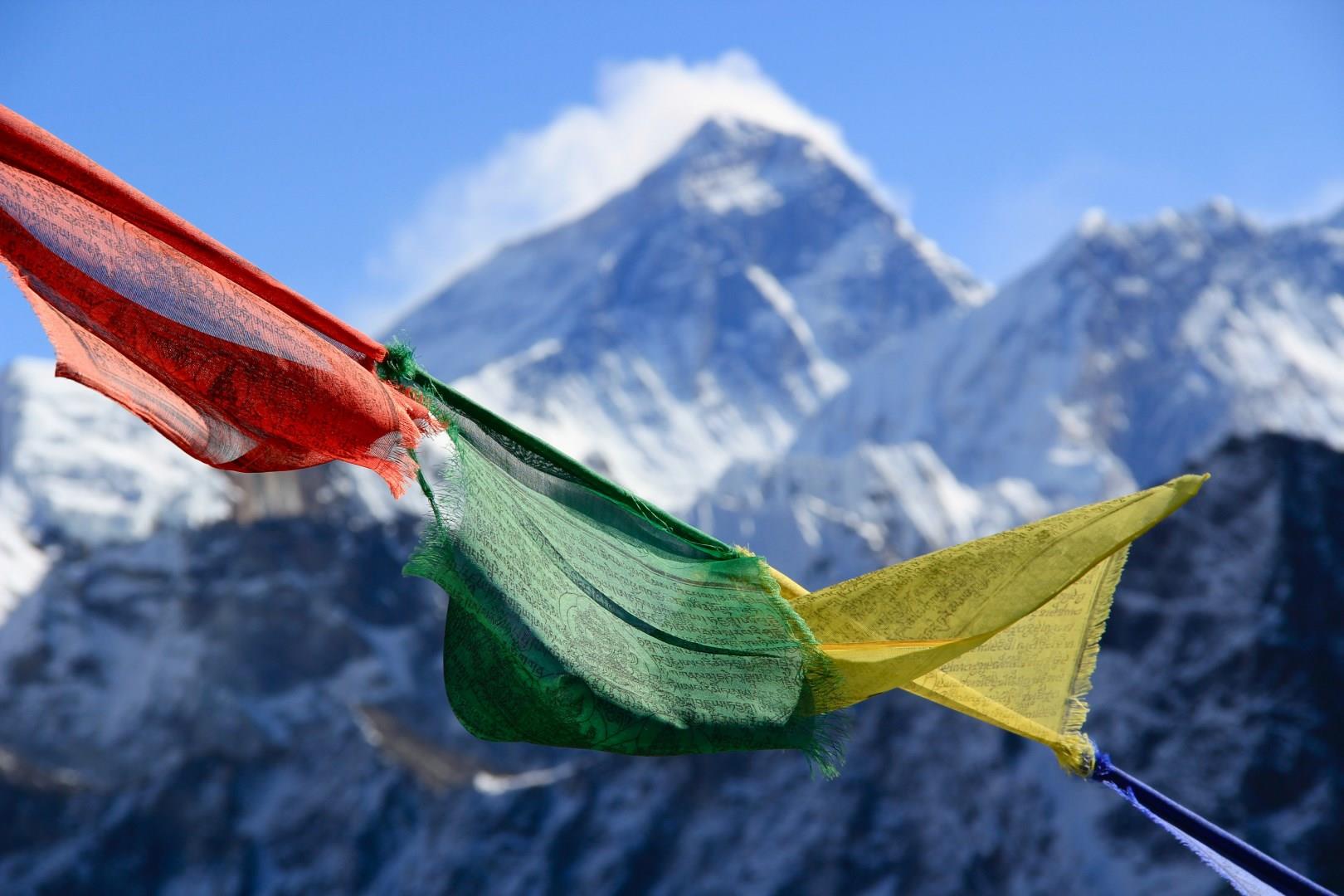
Gokyo
Gokyo is a small settlement high in Nepal’s Khumbu region, set beside a chain of turquoise glacial lakes beneath the Himalaya. Its significance is closely tied to trans-Himalayan trade routes and to Sherpa culture, which has adapted over generations to life at extreme altitude.
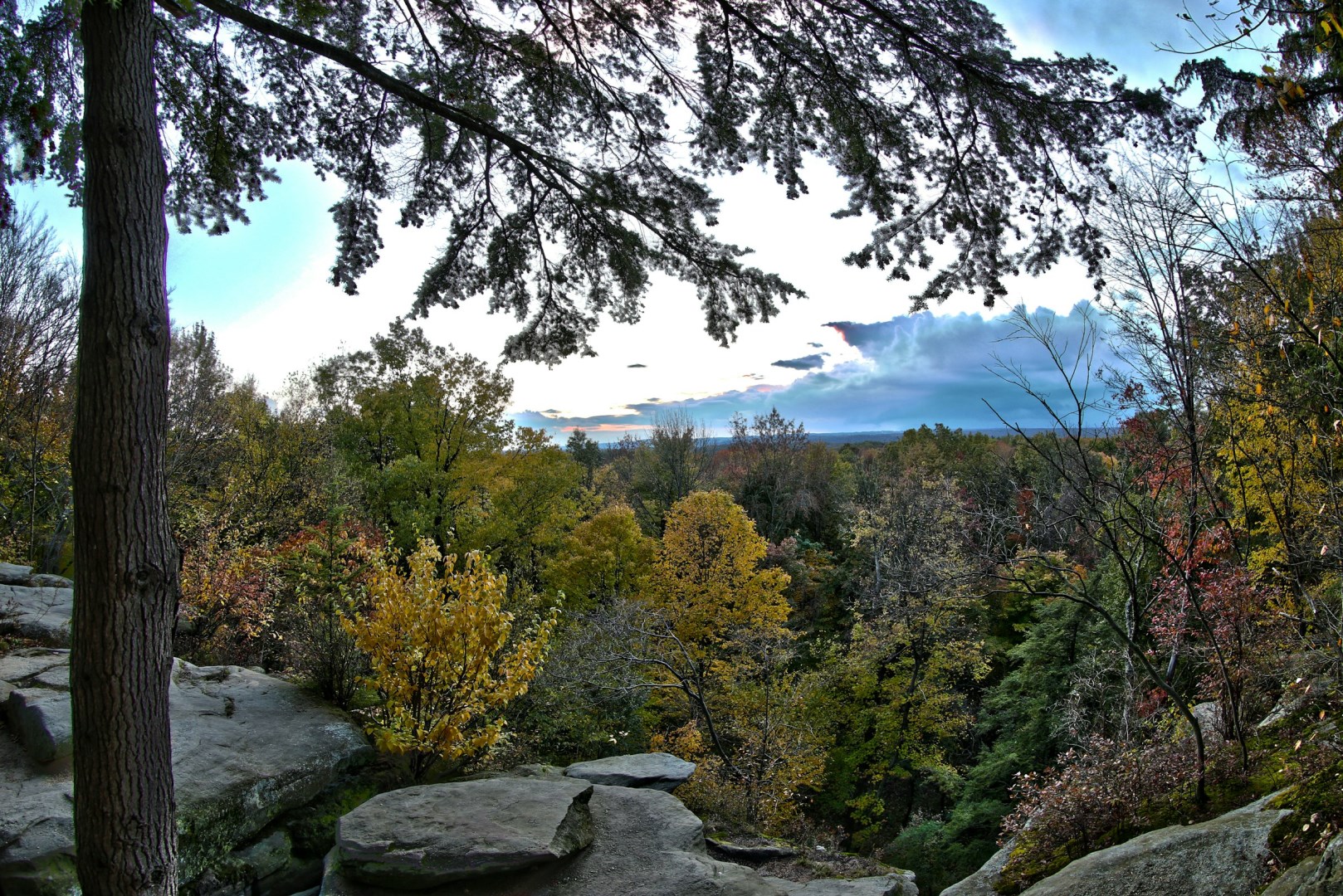
Akron
Akron is the headquarters for the country's largest rubber companies, including Firestone, Goodyear, and General Tire. Akron is also home to the Goodyear Aerospace Corporation Air Dock, headquarters for the Goodyear blimp.
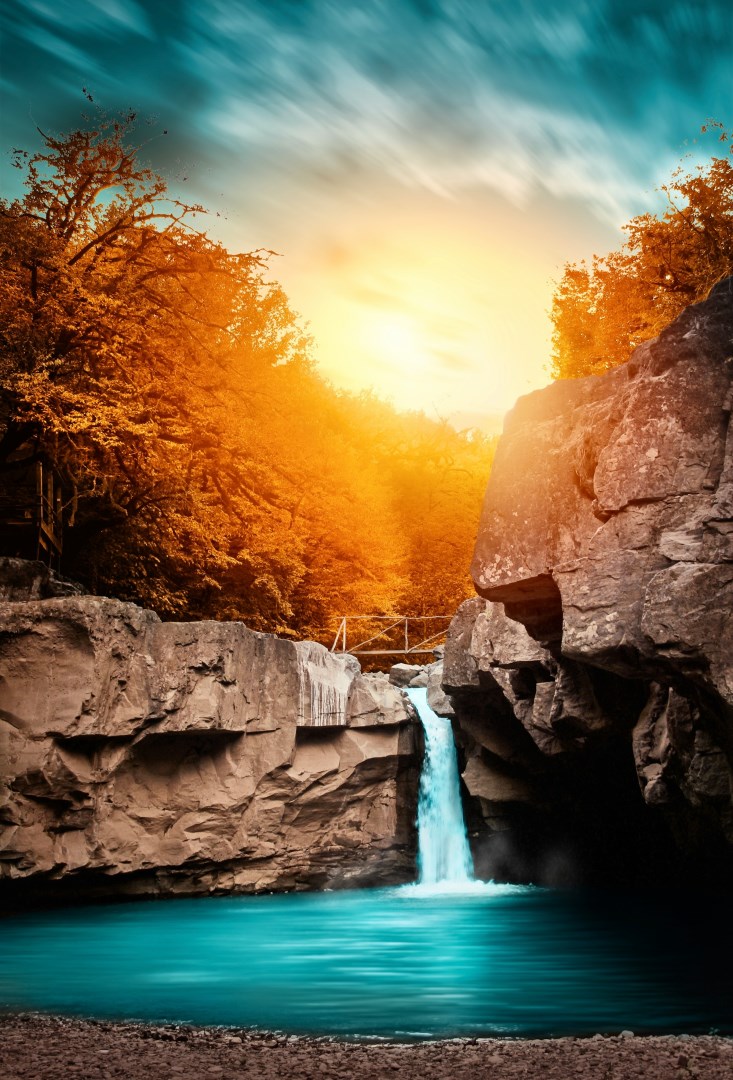
Masalli
Masalli is a town in southeastern Azerbaijan, situated between the Talysh Mountains and the Caspian Sea. The district is known for its humid subtropical climate, fertile lowlands, forested mountain slopes, and numerous mineral springs. Tea plantations, citrus orchards, rice fields, and other cultivated areas are found across the surrounding countryside, while the Talysh Mountains rise toward the west. Masalli serves as a gateway to several natural attractions.
