
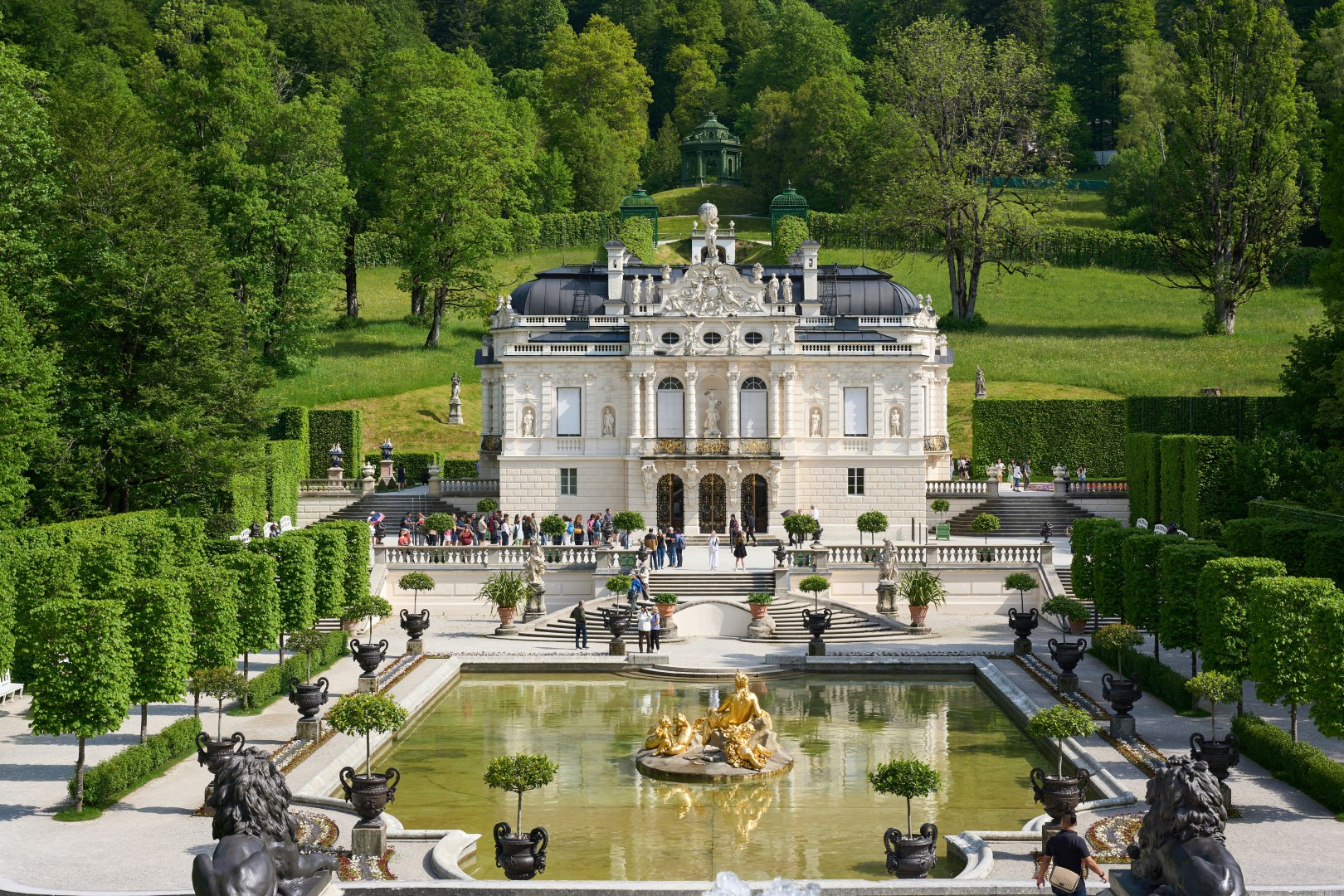
Linderhof
Linderhof is a palace complex in Bavaria, Germany, located in the secluded Graswang Valley near Ettal and surrounded by the mountains and forests of the Ammergau Alps.

Las Vegas
Las Vegas, Nevada, is an electrifying city where glitz and glamour meet entertainment and excitement. Known as "The Entertainment Capital of the World," Las Vegas offers an unparalleled array of attractions, from its iconic casinos and luxurious hotels to its world-class dining and live shows. The city's entertainment scene is second to none, featuring legendary headliners, cutting-edge performances, and an array of themed attractions.
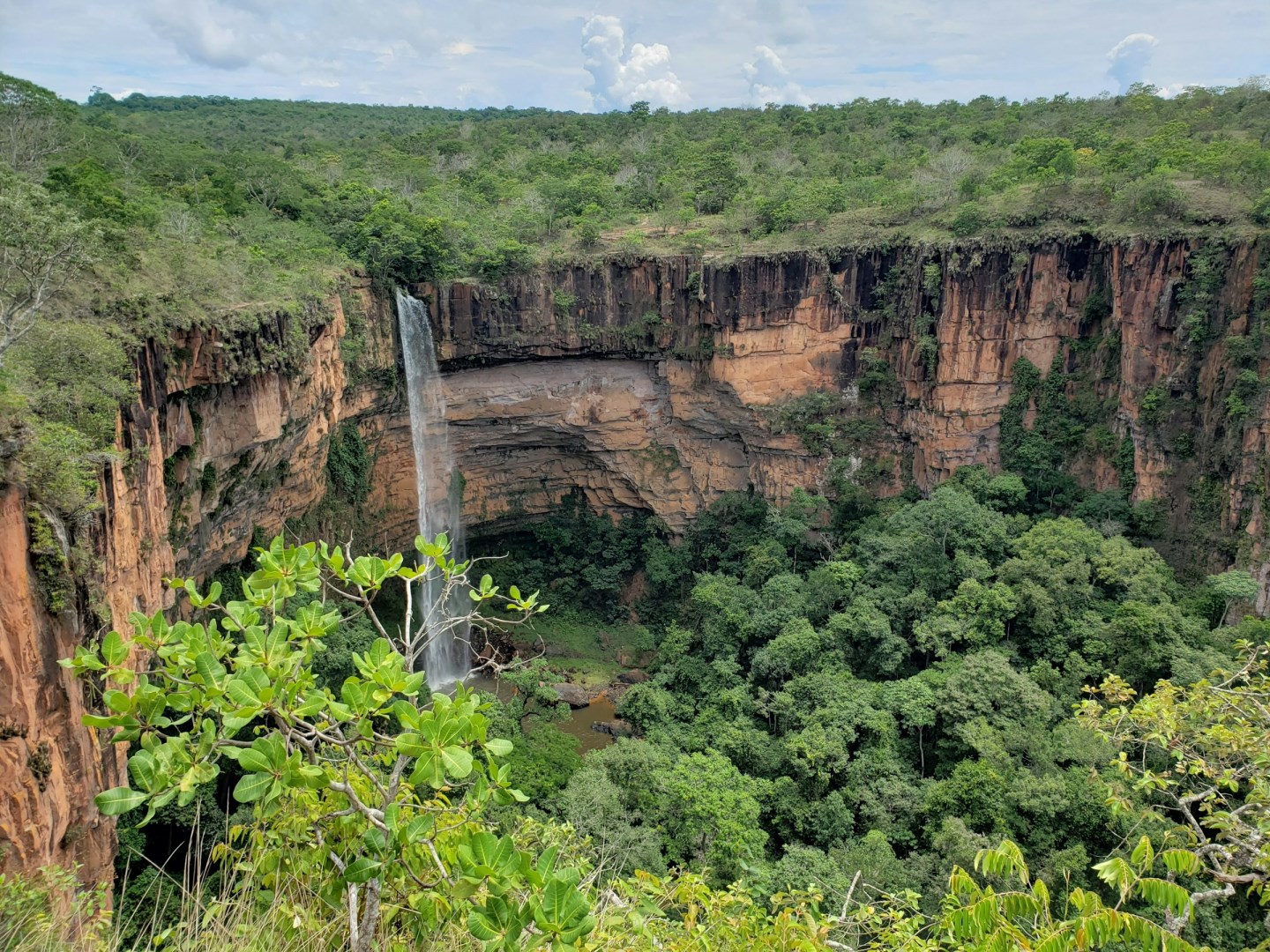
Cuiabá
Cuiabá is the capital of Mato Grosso in central-western Brazil and an important gateway to the Pantanal, Chapada dos Guimarães, and other natural areas of the state. The city developed around gold mining and later became an important regional center along the Cuiabá River. Its historic center contains colonial churches, traditional houses, and public squares, while newer districts extend well beyond the old city.
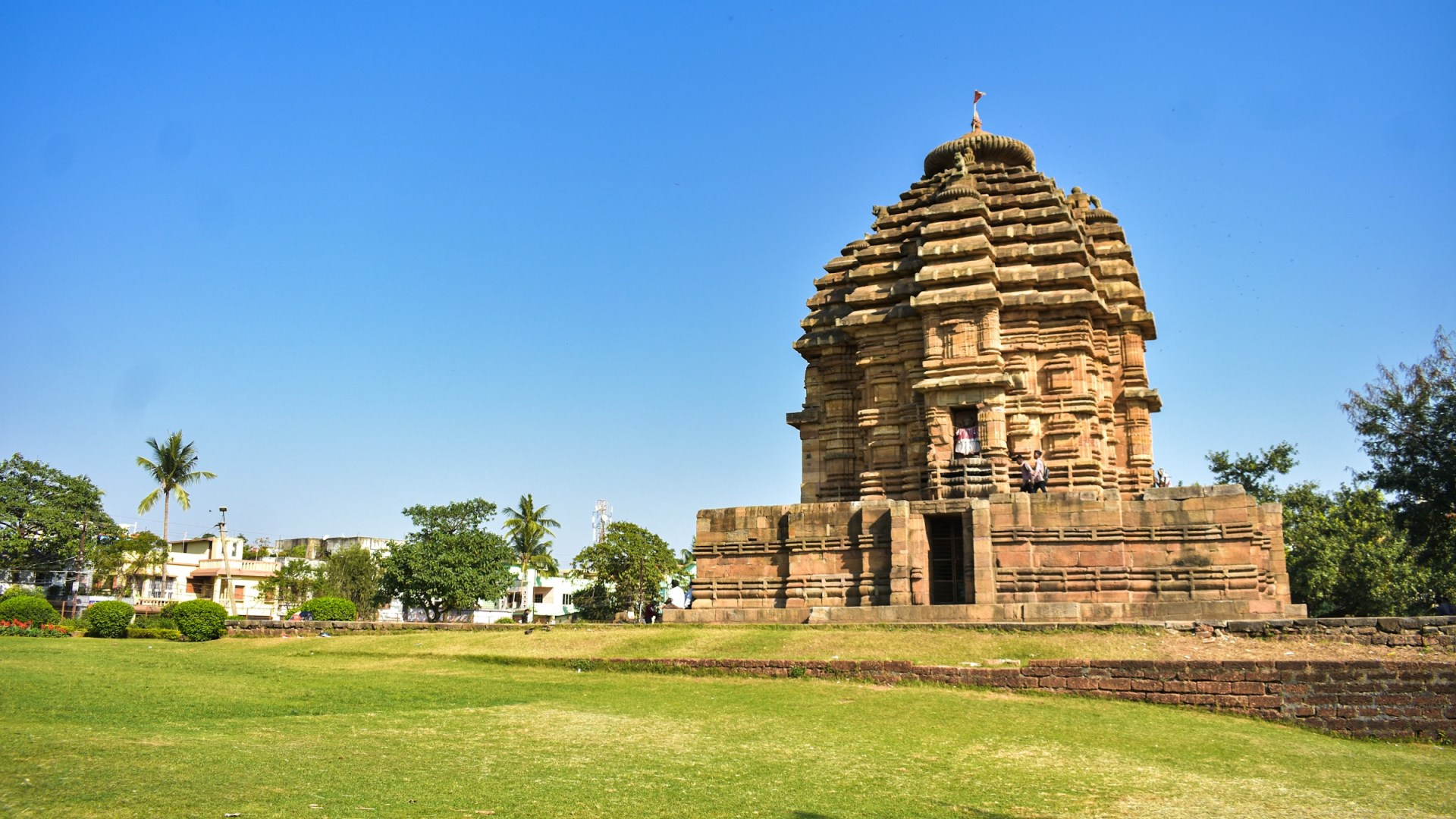
Bhubaneswar
Bhubaneswar is the capital of Odisha in eastern India and a major center of temple architecture, religion, education, and modern administration. Often associated with the title “Temple City,” it combines a growing contemporary city with an old quarter filled with stone shrines and sacred tanks. The city developed around the Ekamra Khetra area, where numerous temples reflect the Kalinga style of architecture. Beyond its historic core, Bhubaneswar has broad roads, parks, museums, markets, and resi
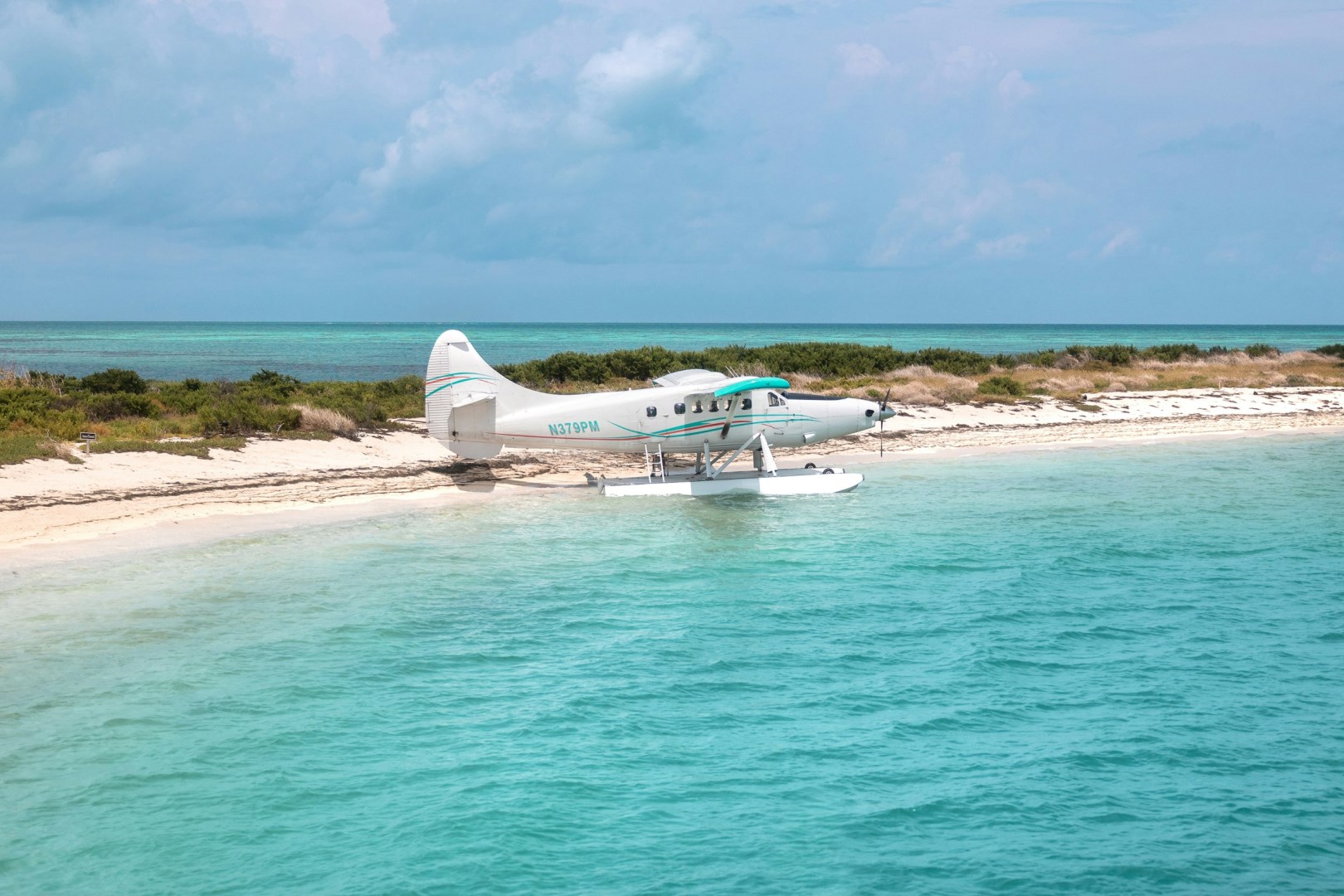
Dry Tortugas National Park
Dry Tortugas National Park is a remote island and marine park in the Florida Keys, located nearly 70 miles west of Key West. The park consists of seven small islands surrounded by shallow waters, coral reefs, seagrass beds, and open ocean. More than 99 percent of the park is water, making its marine environment as important as its land area. Garden Key is the main visitor destination and contains historic Fort Jefferson, while Loggerhead Key, the largest island, is known for its lighthouse and p
