
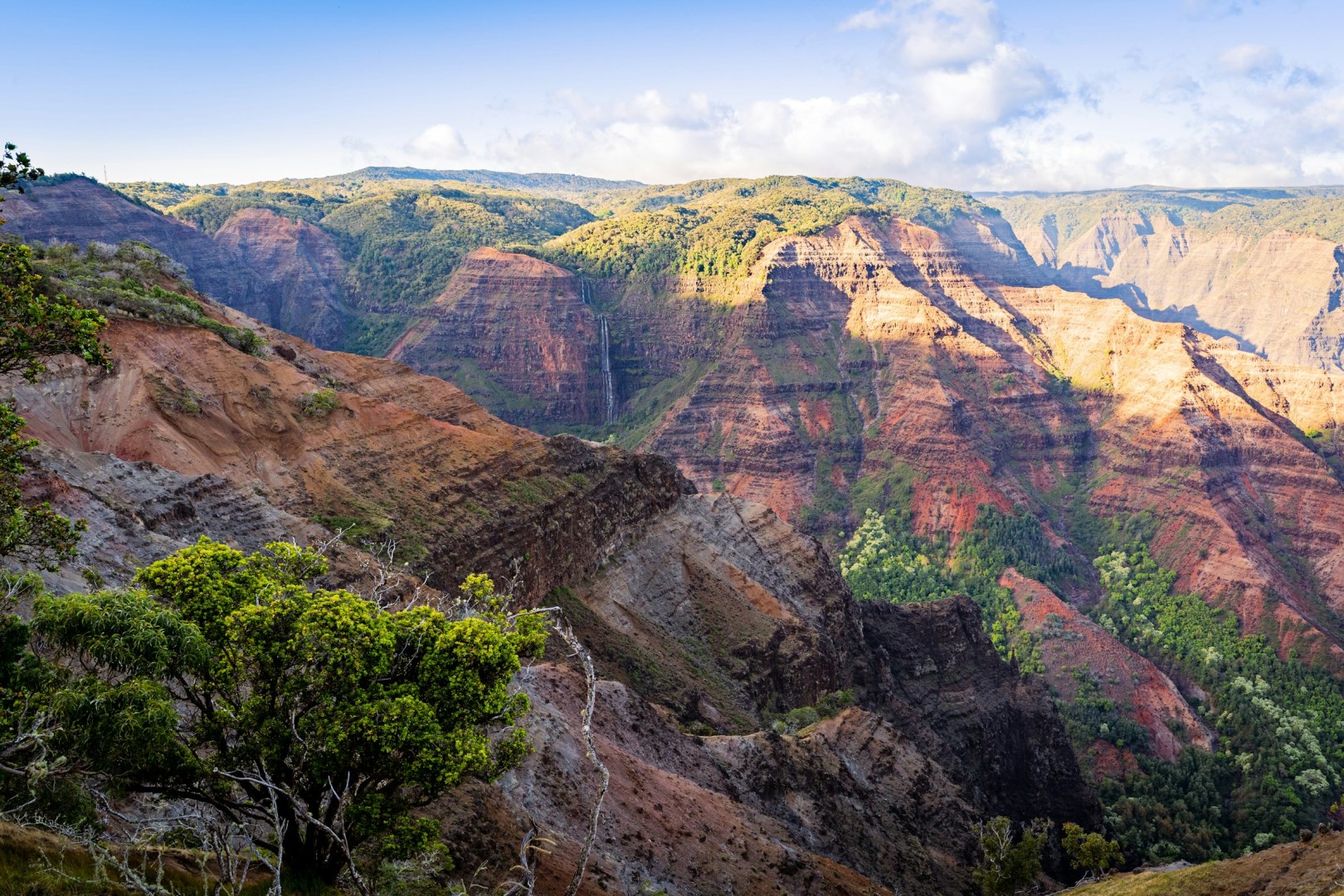
Waimea Canyon, Kauai
The Canyon valleys of the Waimea River and its tributary were once heavily populated, and the town was an early center of native government. It was here that Captain James Cook, English Navigator-Explorer, made his first landing in the Hawaiian Islands on January 20, 1778. Waimea developed as a provisioning port for whalers and sandalwood traders. A ruined Russian fort, built (1815) in a futile attempt to seize the isle, occupies a coastal bluff aboe the Waimea River. A rich sugar-plantation

Dominica
Dominica, known as the “Nature Island of the Caribbean,” is a haven for eco-tourists and adventure seekers. Nestled between the French islands of Guadeloupe and Martinique, this lush island boasts a remarkable landscape of volcanic mountains, dense rainforests, and stunning waterfalls. Dominica’s most iconic natural wonder is the Boiling Lake, the second-largest hot spring in the world.
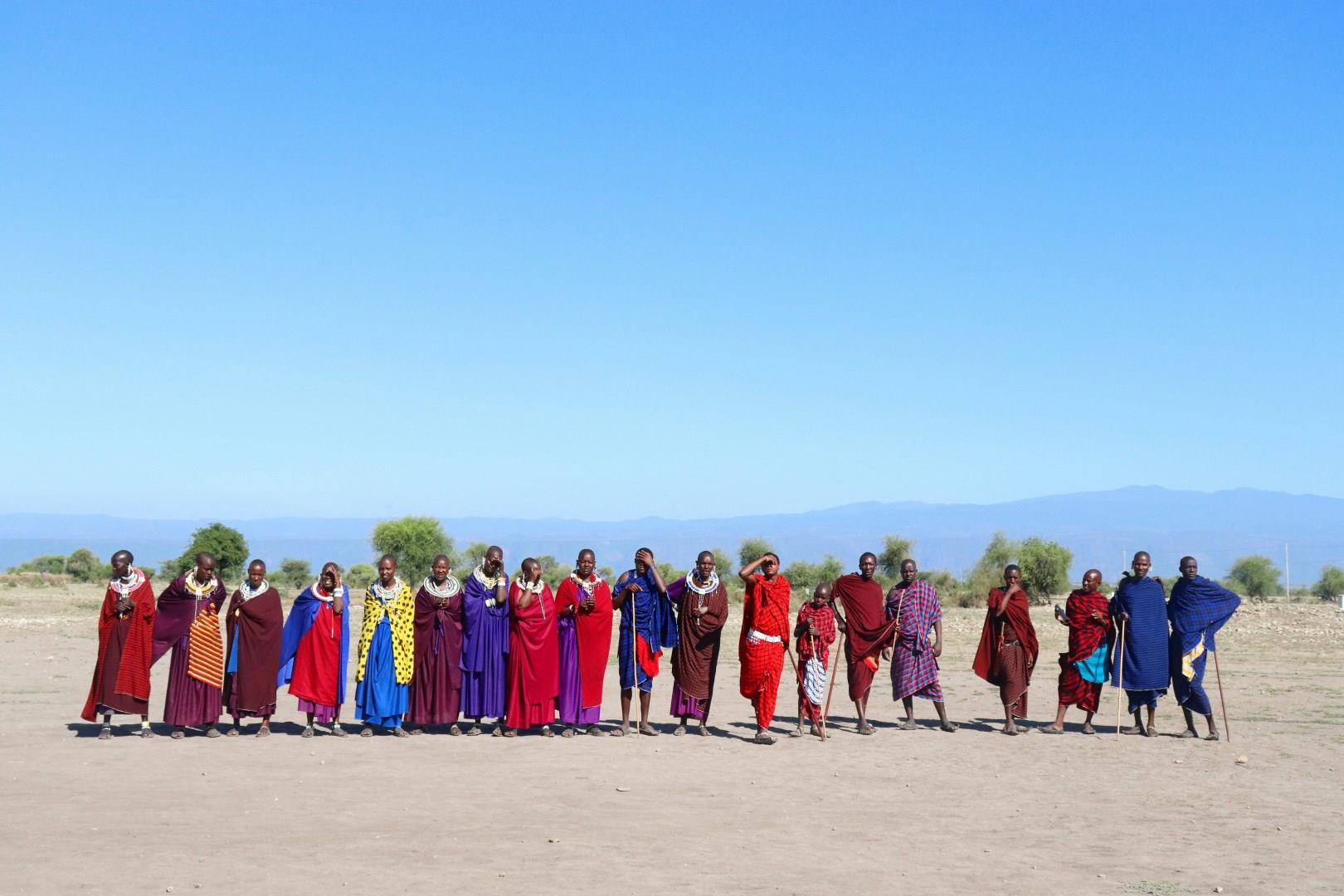
Karatu
Karatu, located in northern Tanzania between Lake Manyara and the Ngorongoro Crater, is more than just a stopover for safari-goers. This highland town, surrounded by rolling farmland and volcanic hills, offers travelers a closer look at daily life in the region. The area is home to the Iraqw people, known for their terraced farming, traditional homesteads, and unique language unrelated to most other East African tongues.
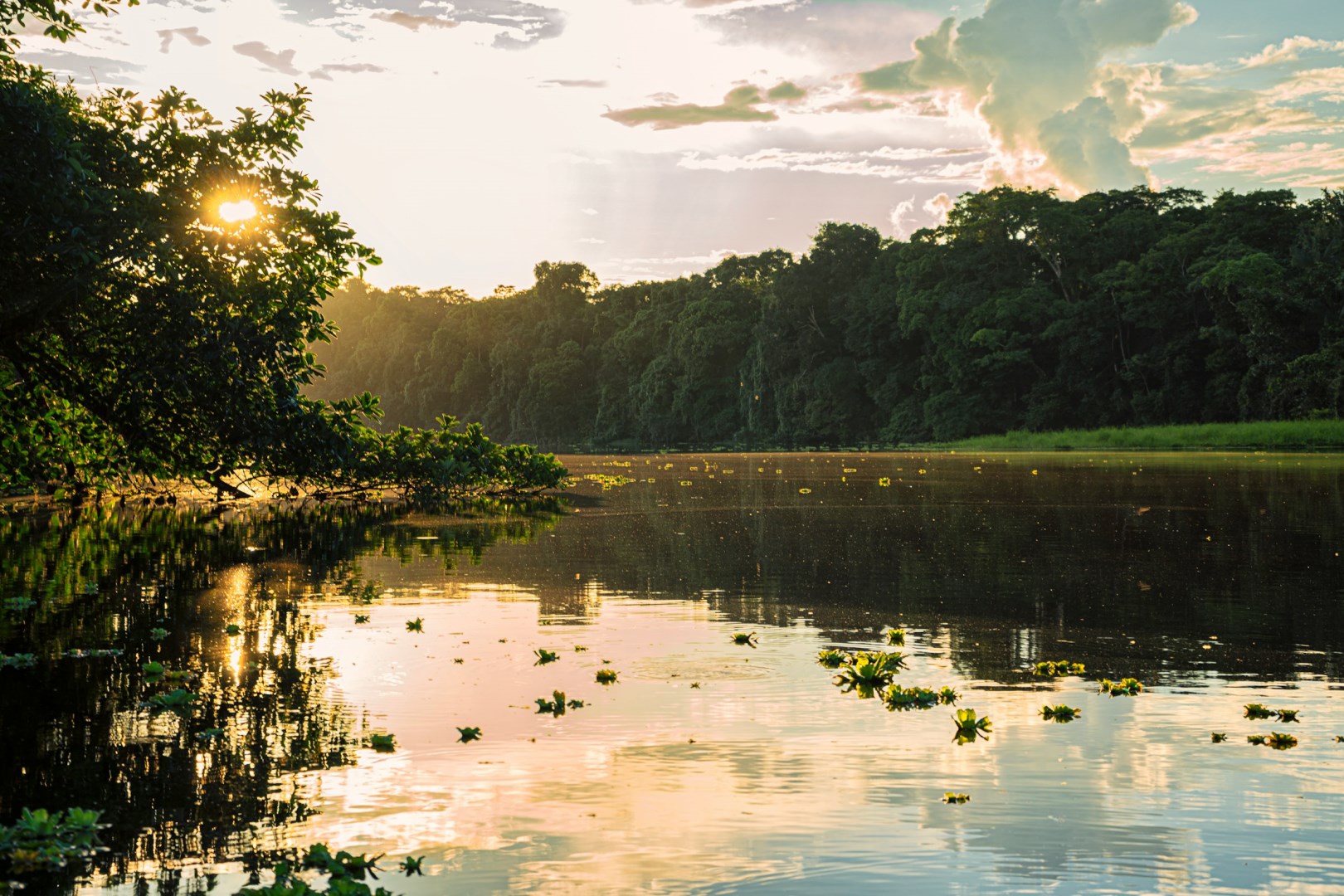
Nueva Loja
Nueva Loja is a city which is a part of many adventures including cruises, climbing, rainforest excursions, mountain biking, rafting,whale watching and more . . .
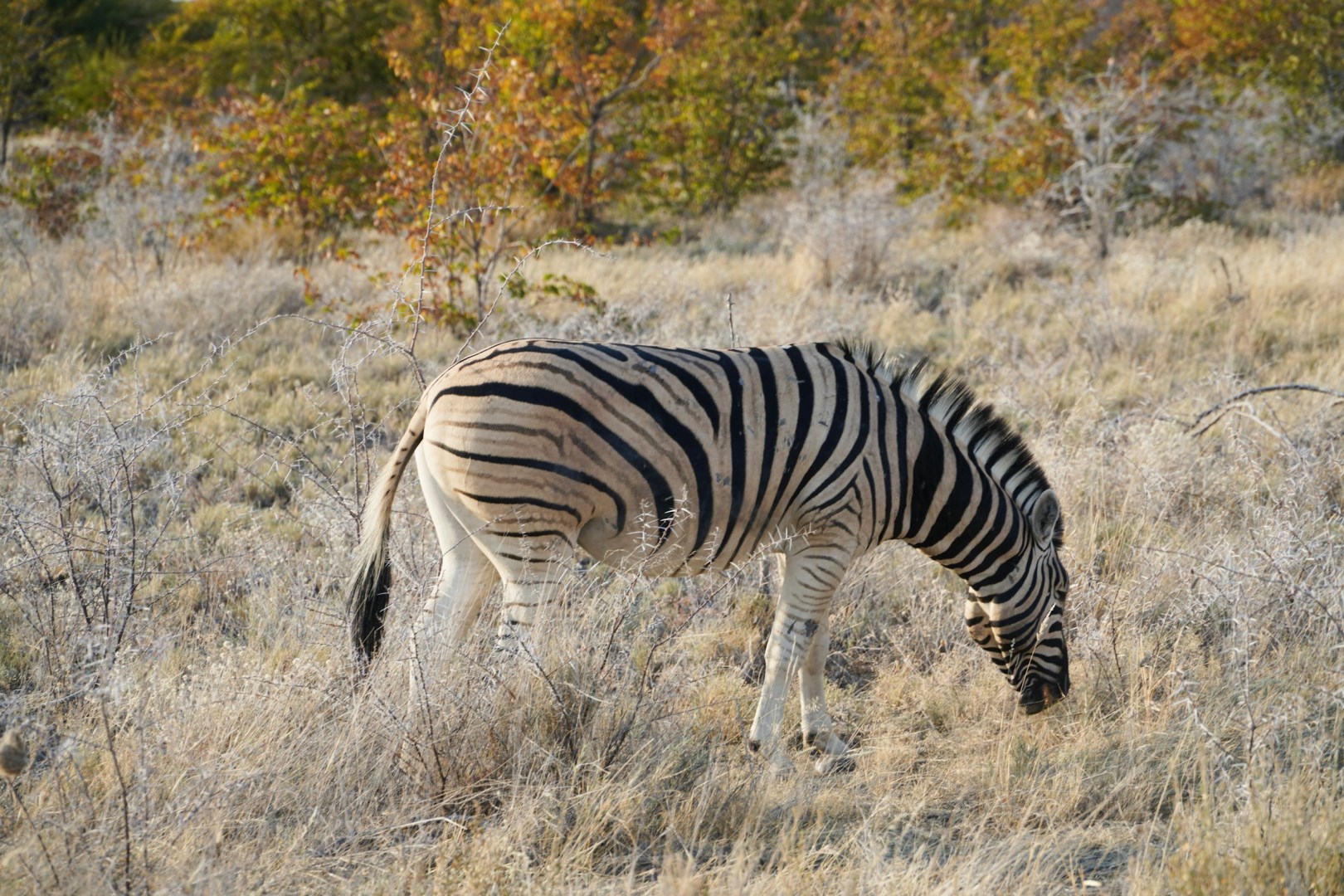
Onguma Private Game Reserve
Onguma Private Game Reserve covers about 35,970 hectares along the eastern boundary of Etosha National Park in northern Namibia. The reserve contains open savanna, bushveld, dry riverbeds, seasonal pans, ancient leadwood trees, and waterholes that attract wildlife. Its position beside Etosha gives visitors access to two different conservation areas, with guided drives within the private reserve and excursions into the national park.
