

South Korea
South Korea is a land where ancient traditions live alongside futuristic cities. From Seoul’s grand palaces and vibrant arts scene to the volcanic landscapes of Jeju Island and the tranquil reflection of rice paddies in rural valleys, the country balances its rich heritage with constant reinvention.
El Valle de Antón
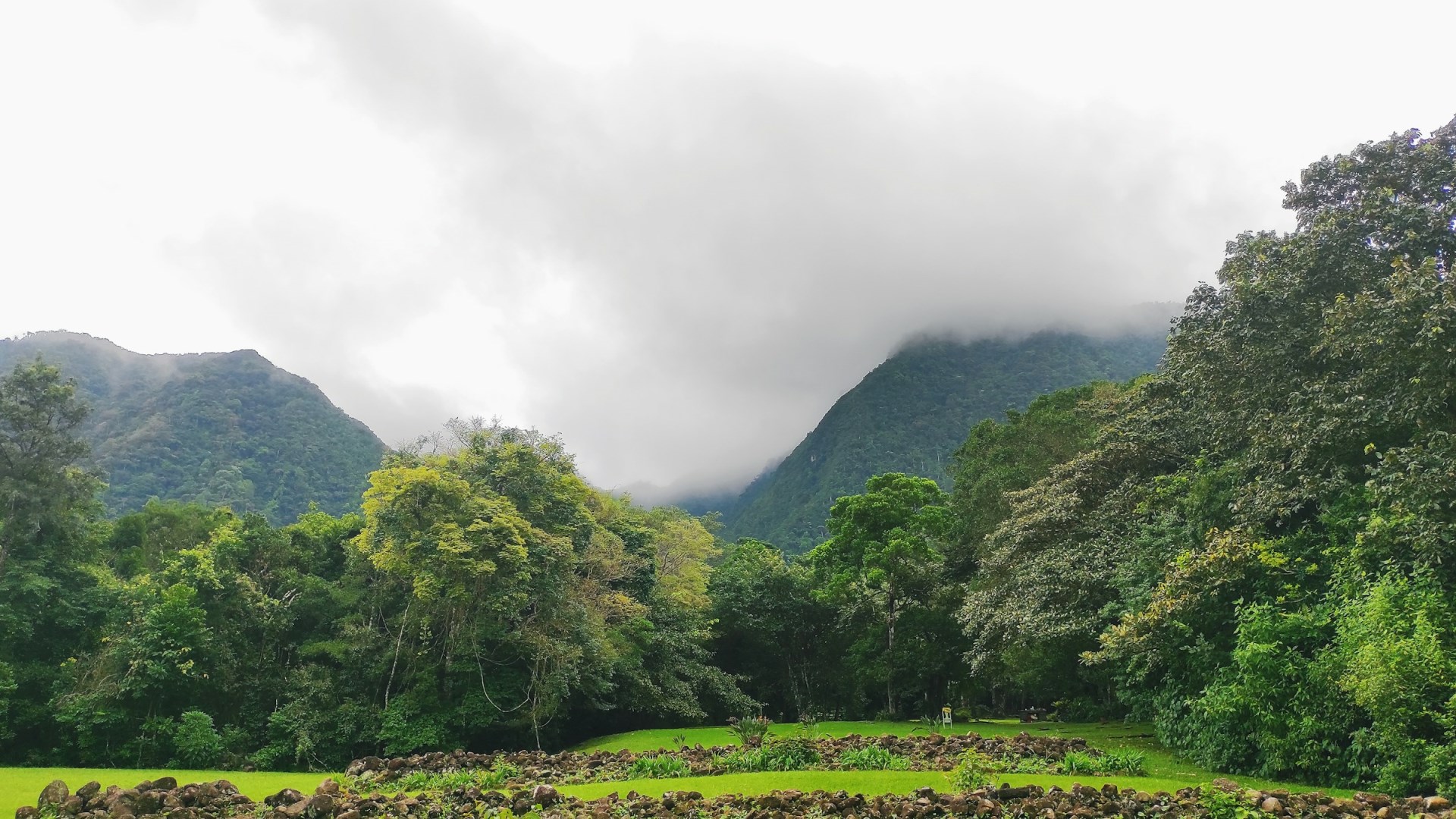
El Valle de Antón is a mountain town in Panama’s Coclé Province, set within the broad crater of an inactive volcano. Its elevated setting gives the area a cooler climate than much of the surrounding lowlands, while mountains and forested slopes surround the town. Streams, waterfalls, gardens, farms, and wooded areas are found throughout the valley, creating a landscape shaped by volcanic geology and tropical vegetation.
Cafayate
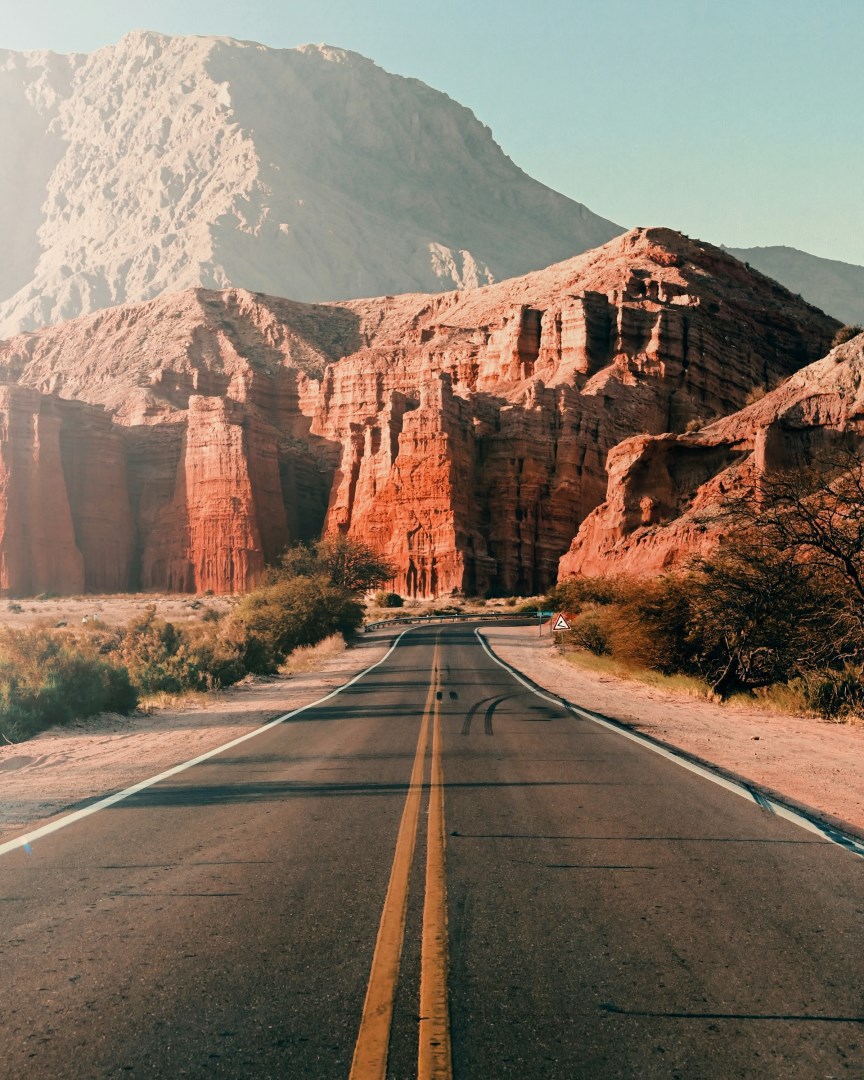
Cafayate is a town in Salta Province, Argentina, located in the Calchaquí Valleys at about 1,683 meters above sea level. It is surrounded by vineyards, dry mountain slopes, and the colorful rock formations of the Quebrada de las Conchas. The town has a compact center with a leafy main square, the Nuestra Señora del Rosario Cathedral, and an artisan market selling locally made pottery, textiles, and silverwork.

Barcelona
To visit Barcelona is to embrace both the past and the future. There is much to do and see in this cosmopolitan capital of Catalonia, from medieval structures to beaches to UNESCO Heritage Sites by Antoni Gaudí and Lluís Doménech i Montaner.

Serbia
Serbia is a country where centuries-old monasteries sit just a short drive from lively cities, and where the past is never far from daily life. In Belgrade, the capital, Kalemegdan Fortress offers panoramic views where the Danube meets the Sava River. This fortress has witnessed more than 100 battles and been rebuilt many times over two millennia. Within its walls are Roman ruins, an open-air military museum, and quiet park paths perfect for wandering between centuries of layered history.
