
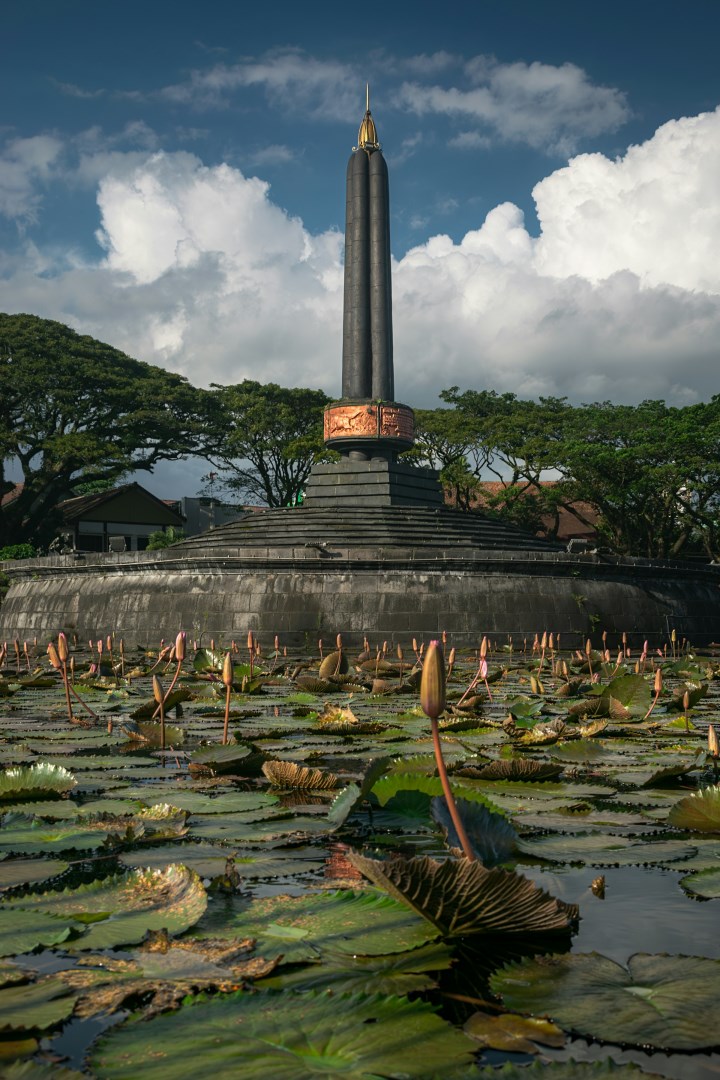
Malang
Malang, located in East Java, Indonesia, is a city known for its cool highland climate, colonial architecture, and rich Javanese heritage. Nestled between volcanic peaks and fertile valleys, it has long been a retreat for travelers seeking both cultural depth and natural beauty.
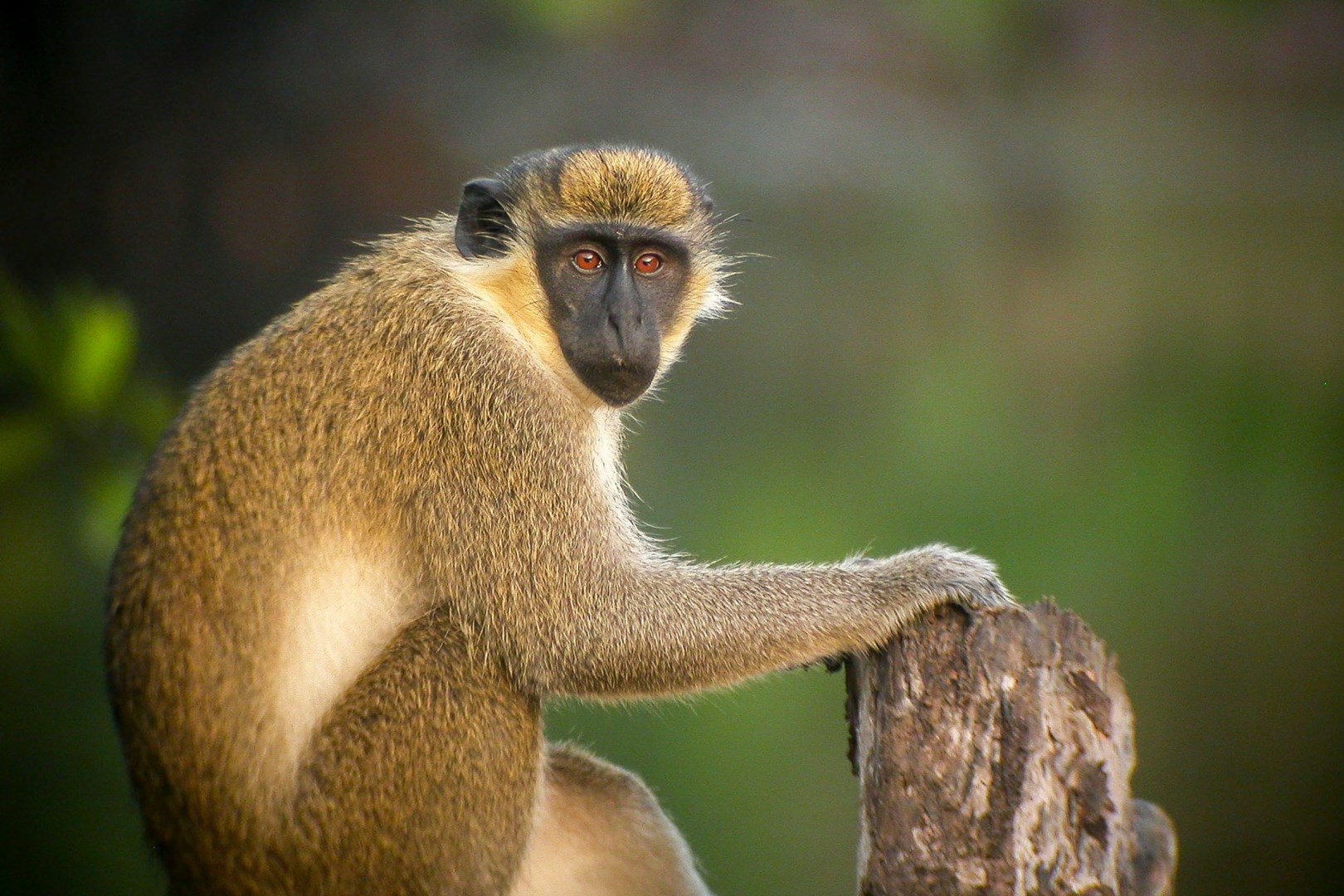
Tanjeh
Tanjeh, also known as Tanji, is a coastal fishing village in The Gambia’s West Coast Region, facing the Atlantic Ocean south of the main tourist area. The settlement is known for its working fishing beach, where traditional wooden pirogues bring in catches from the sea and fish are sorted, sold, smoked, or dried.

Machu Picchu
Machu Picchu is a story carved into stone, perched nearly 2,500 meters above sea level in the cloud forests of southern Peru. Built in the 15th century and later abandoned, this Inca citadel was unknown to the outside world until 1911, when explorer Hiram Bingham brought it to international attention. Today, it remains remarkably well-preserved, with more than 150 stone structures, terraced fields, ceremonial fountains, and temples aligned with astronomical events.
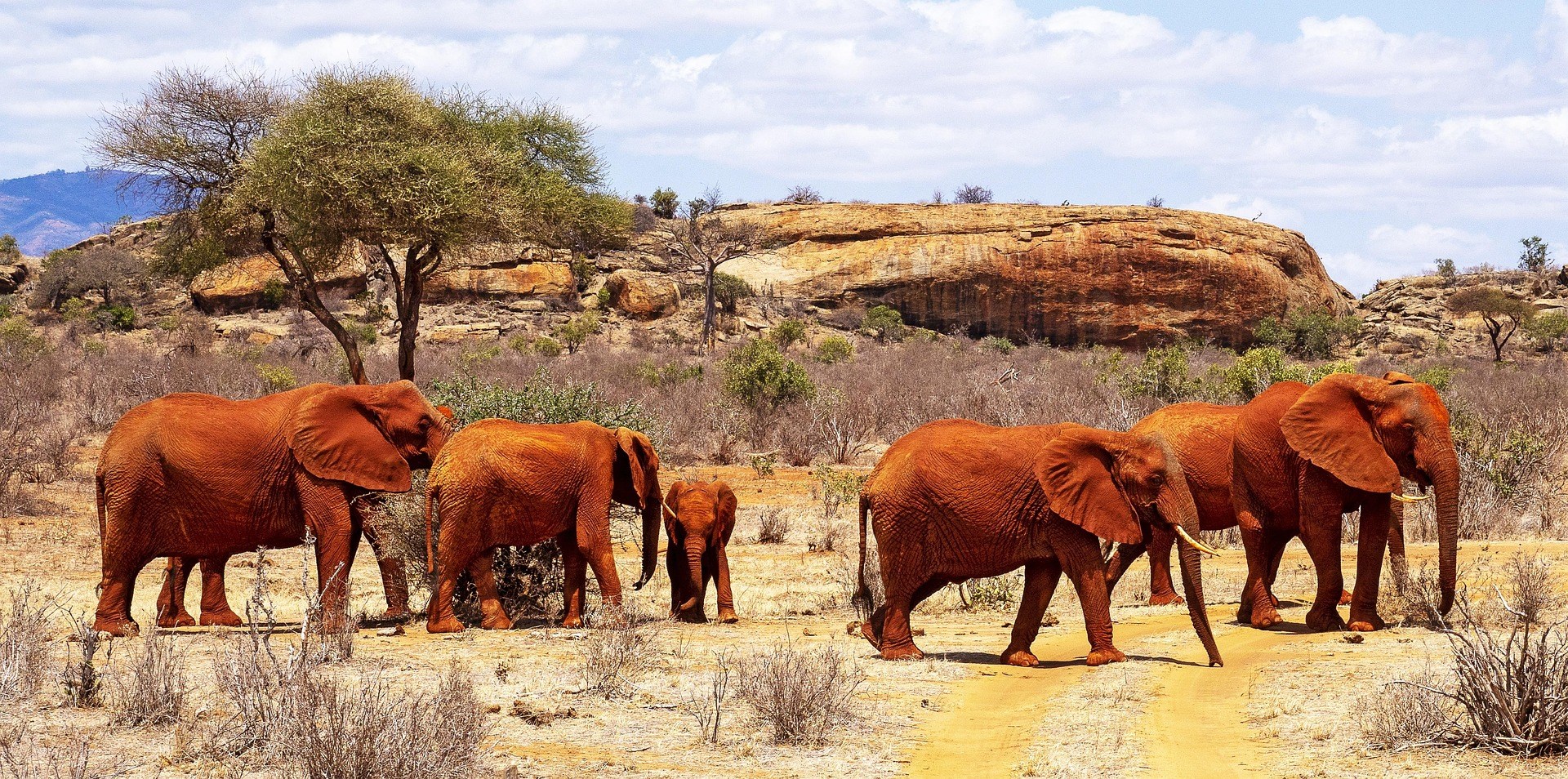
Tsavo East National Park
Tsavo East National Park is one of Kenya’s largest protected areas, covering about 13,747 square kilometres in the country’s southeast. Its landscape is largely semi-arid, with open plains, scrub, rocky outcrops, and river corridors shaped by the Tsavo, Athi, Galana, and Voi rivers. The park is particularly associated with its dust-red elephants, whose appearance comes from the animals coating themselves in the park’s distinctive red soil.
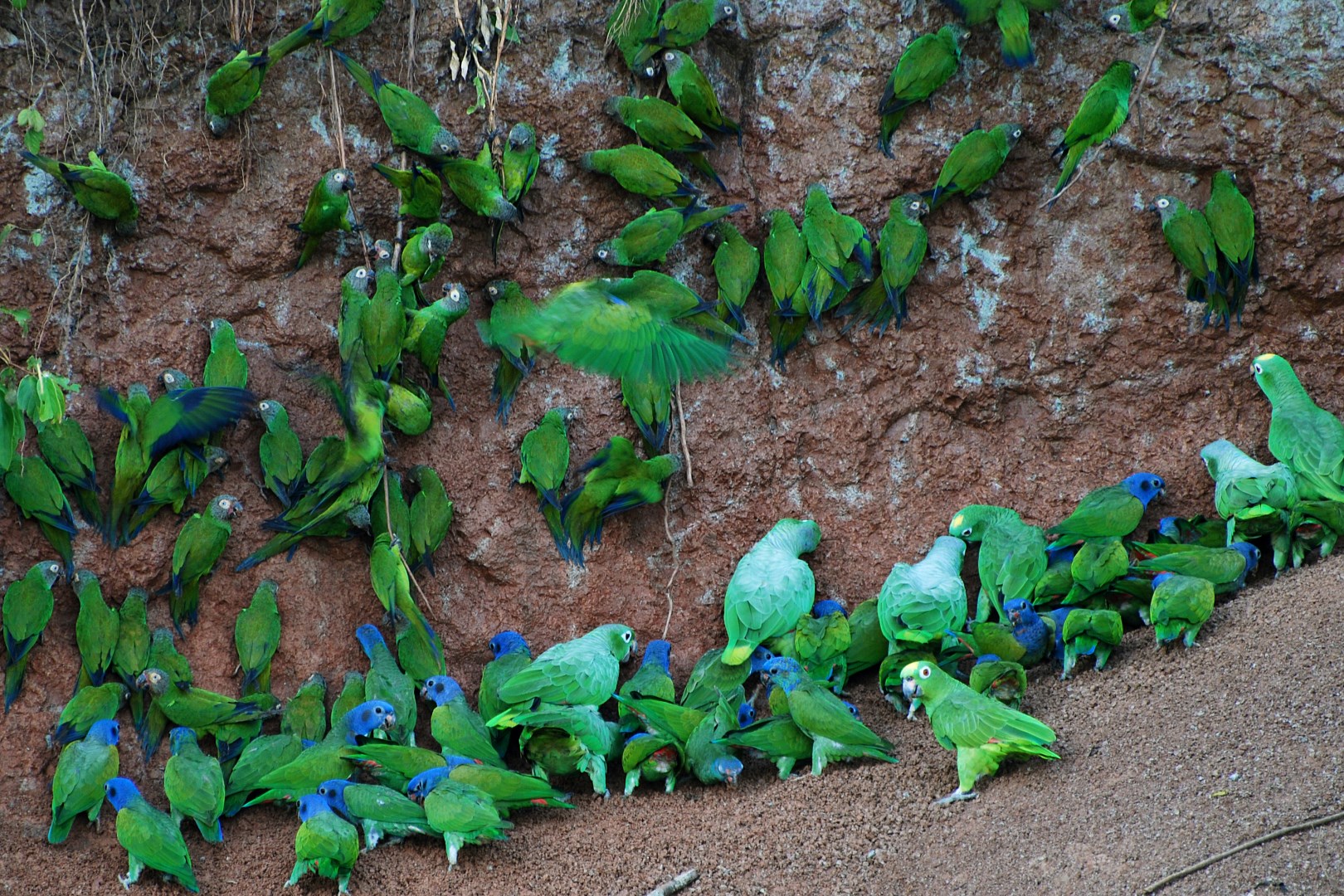
Yasuni National Park
Yasuní National Park lies in Ecuador’s Amazon region, between the Napo and Curaray rivers, and protects one of the country’s largest areas of lowland rainforest. The park contains dense tropical forest, rivers, lagoons, swamps, and seasonally flooded areas, creating a wide range of habitats. Its location near the equator and its varied terrain support exceptionally high biological diversity.
