

Rio de Janeiro
Exhilarating Rio de Janeiro, the vibrant South American destination and cultural capital, abounds with iconic landmarks, beaches, and attractions. Christ the Redeemer, the hundred-foot mosaic statue atop Corcovado Mountain, overlooks the glittering coastline and is instantly recognizable, having become an enduring symbol of the city itself. Its arms stretching wide, the prominent figure beckons you to explore this inviting locale.

Nunavut
Nunavut comprises a major portion of Northern Canada, and most of the Canadian Arctic Archipelago. Its vast territory makes it the fifth-largest country subdivision in the world, as well as the largest in North America.
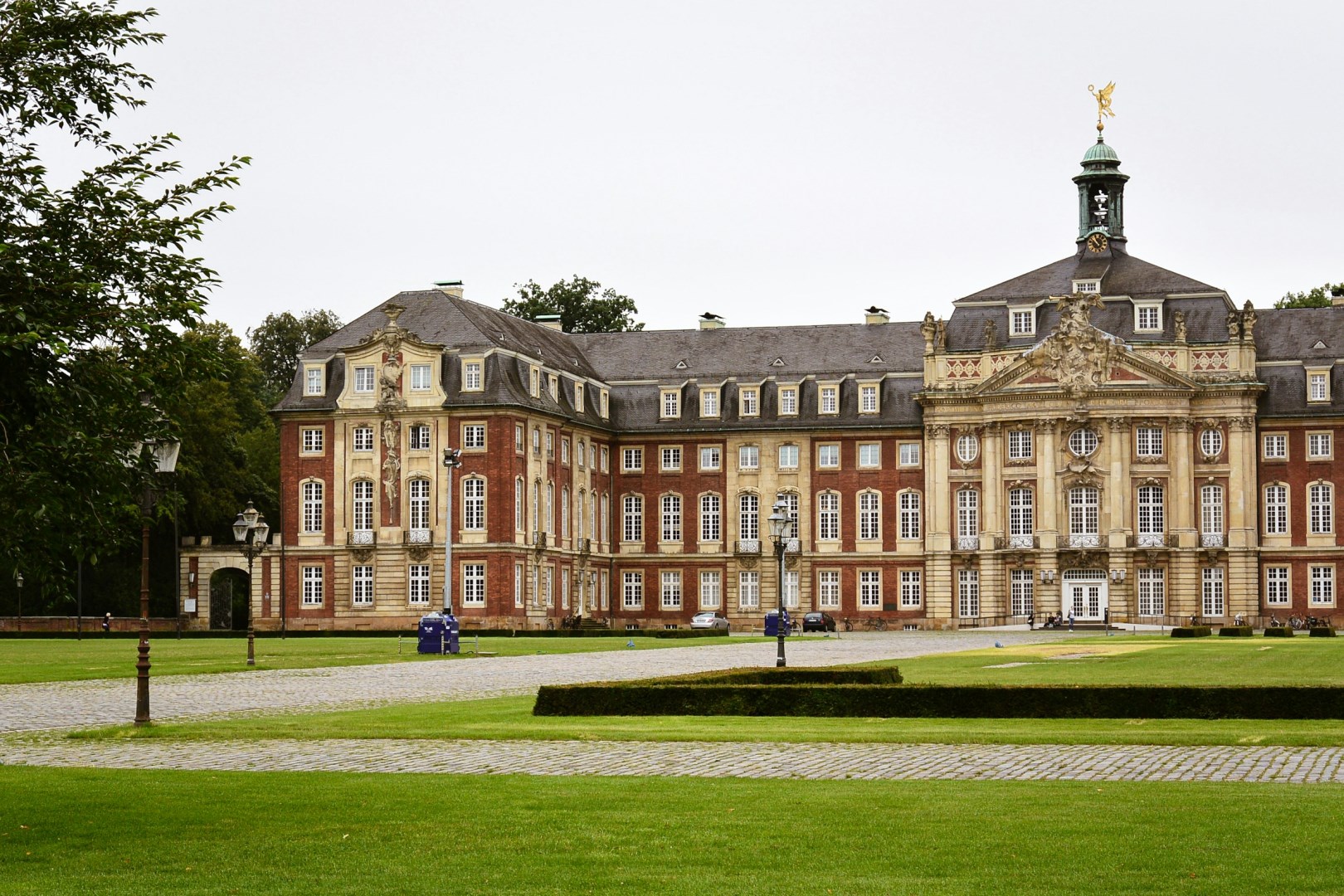
Münster
Discover this lively Westphalian center - a city where tradition and the modern age, past and present complement one another harmoniously.
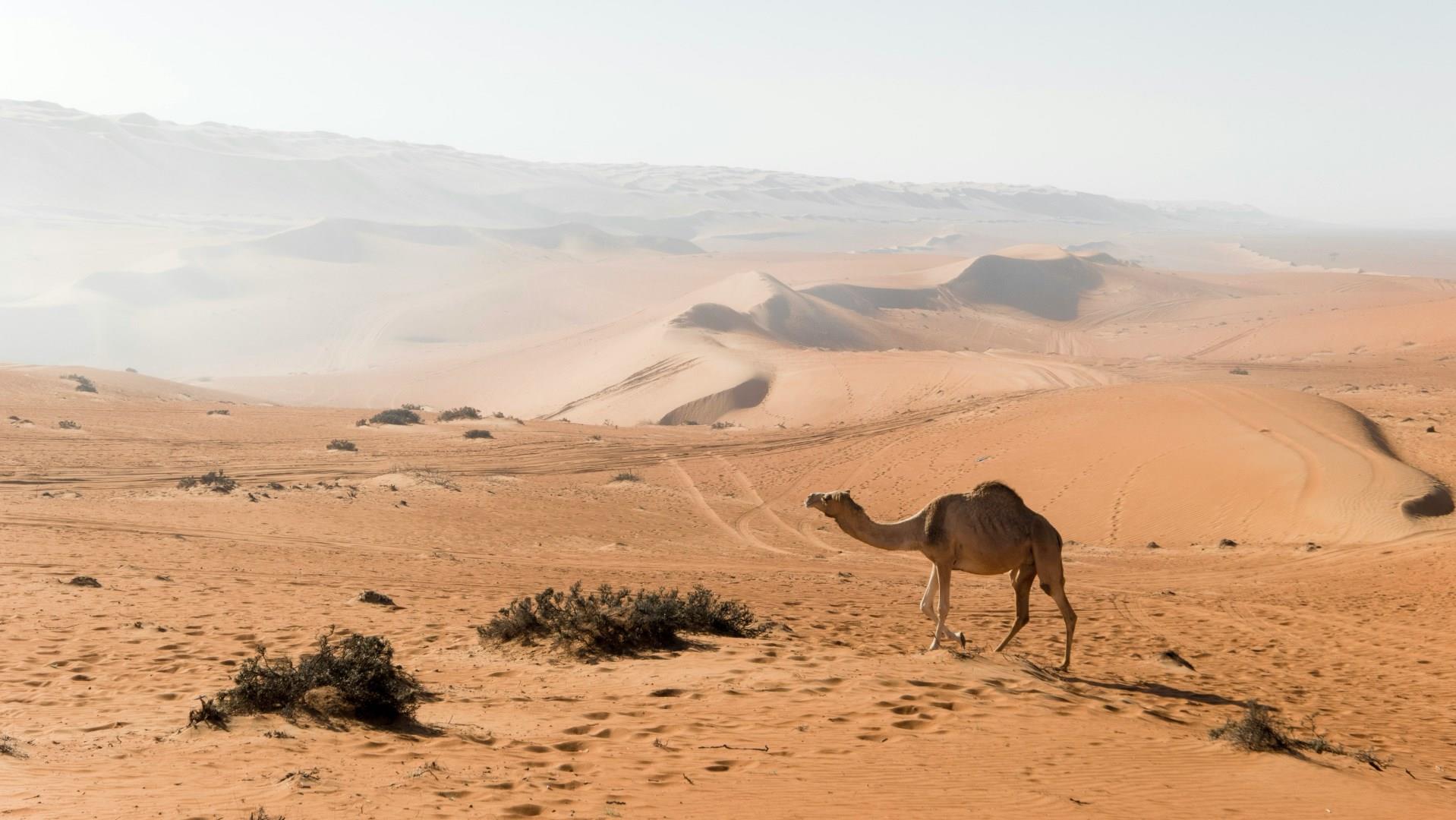
Wahiba Sands
Stretching across central Oman, the Wahiba Sands offer a dramatic desert landscape of rolling dunes that shift in color with the changing light. This vast sea of sand is home to towering ridges and open plains, creating an otherworldly backdrop for exploration.
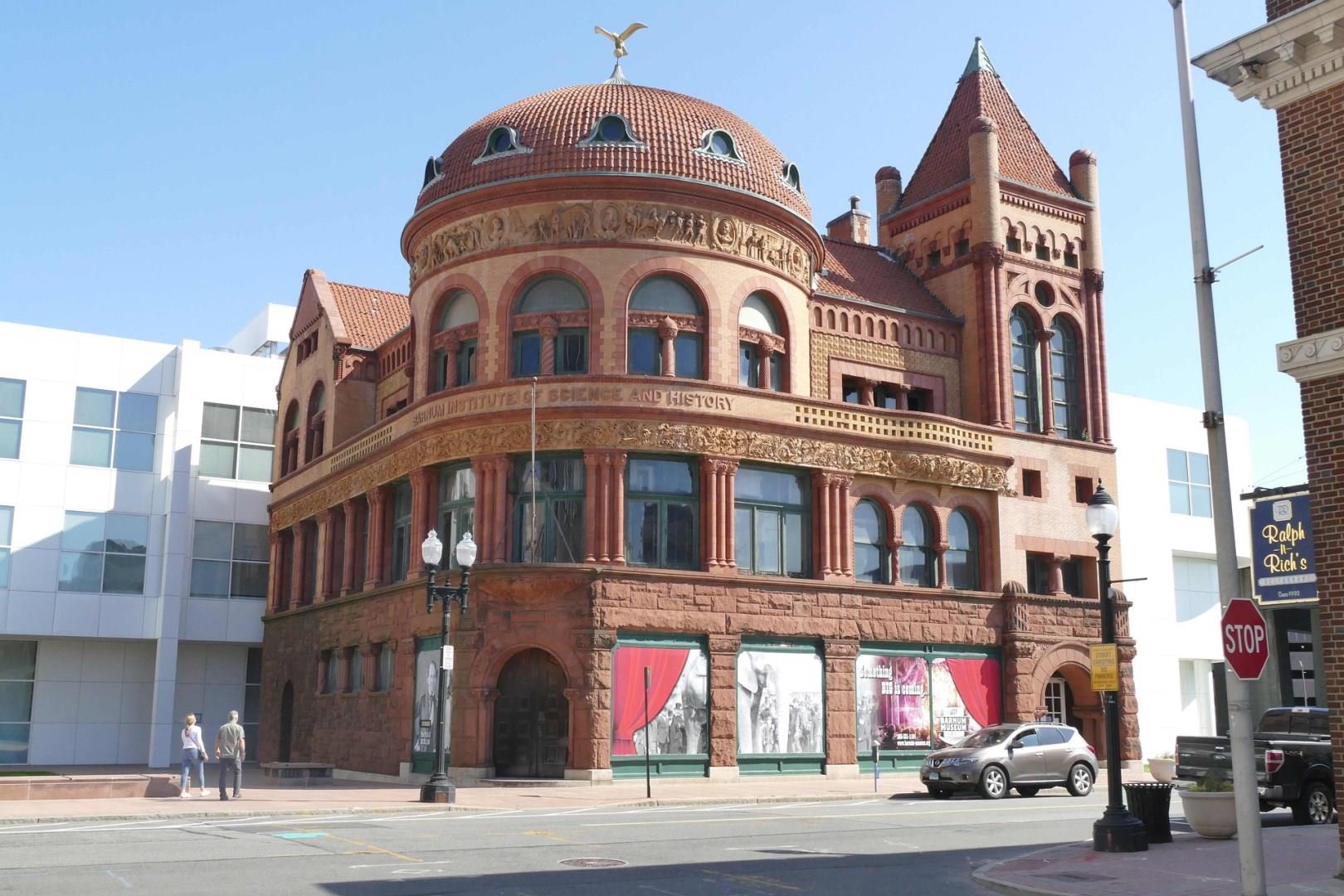
Bridgeport
Bridgeport, Connecticut, offers visitors a fascinating mix of historical significance, cultural diversity, and coastal charm. As the largest city in the state, Bridgeport is known for its rich industrial past and vibrant waterfront. One of the must-visit spots is Seaside Park, a stunning 325-acre public park designed by Frederick Law Olmsted, the same visionary behind New York’s Central Park.
