
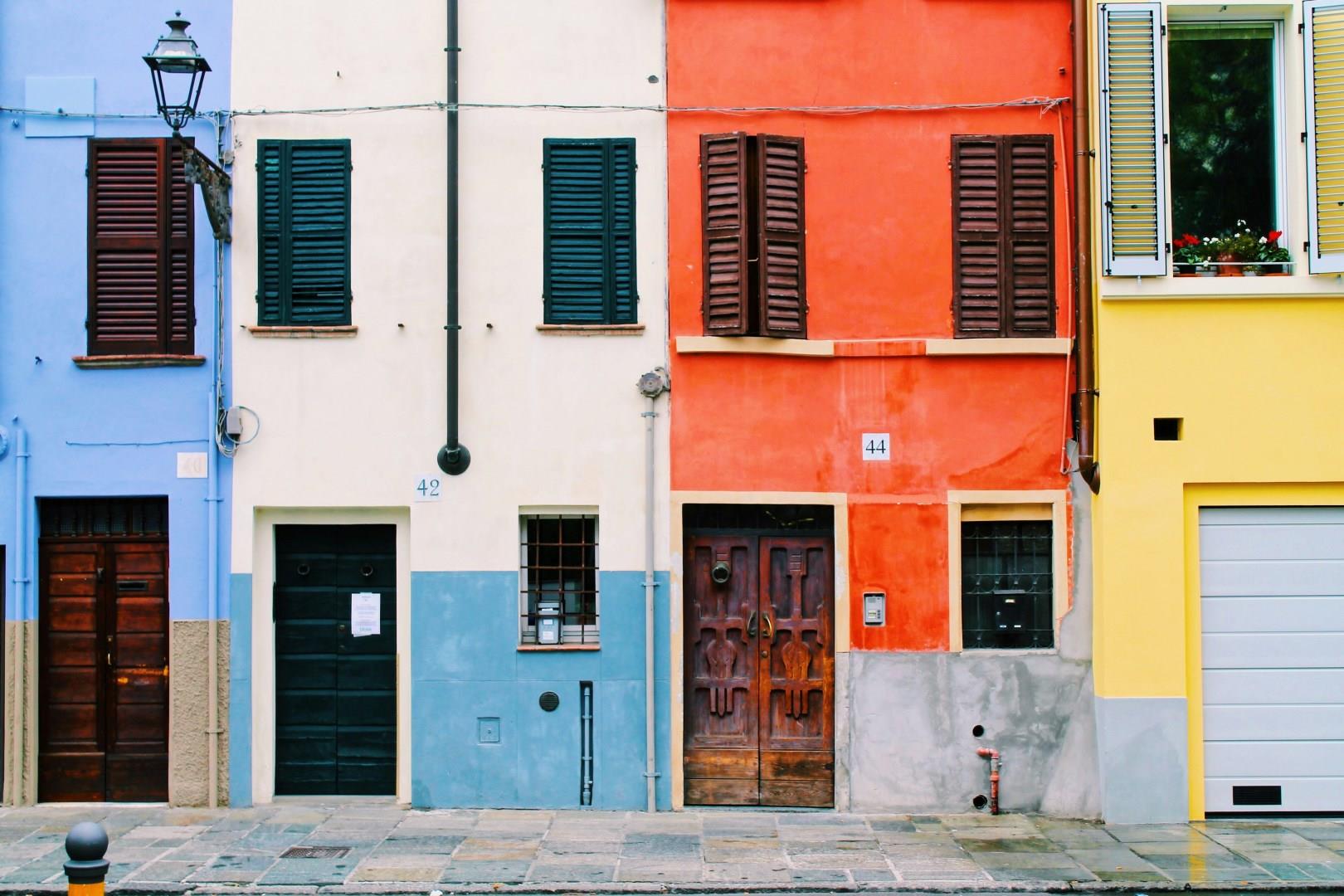
Parma
Parma, in Italy’s Emilia-Romagna region, is a city where art, history, and gastronomy intertwine. Known worldwide as the birthplace of Parmesan cheese and Parma ham, the city has long been a culinary capital, but its cultural depth extends far beyond the table.

Frederiksted
Frederiksted is a historic coastal town on the western end of St. Croix in the U.S. Virgin Islands, set beside a deep-water bay and a long waterfront. Pastel-colored buildings, palm-lined streets, the Frederiksted Pier, and nearby beaches give the town a distinctly maritime setting. The compact community is closely associated with Fort Frederik, a red-brick Danish fort overlooking the harbor.
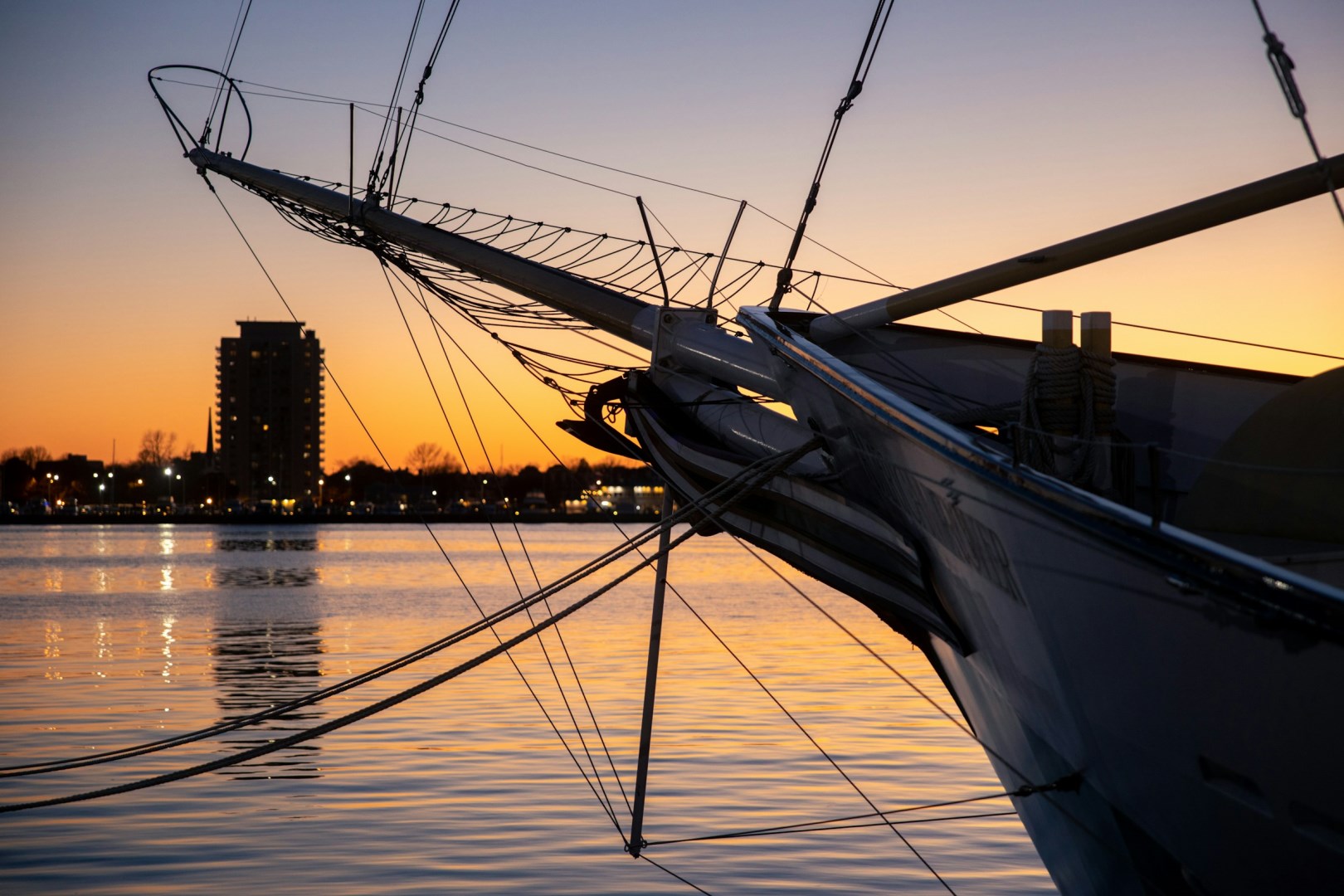
Norfolk
Norfolk, the second largest city in Virginia (after Virginia Beach) is located at the mouth of the James, Elizabeth, and Nansemond rivers, near the outlet of Chesapeake Bay on the Atlantic Ocean. With the cities of Hampton, Portsmouth, and Newport News, Norfolk forms the port of Hampton Roads, one of the greatest natural harbors in the world.
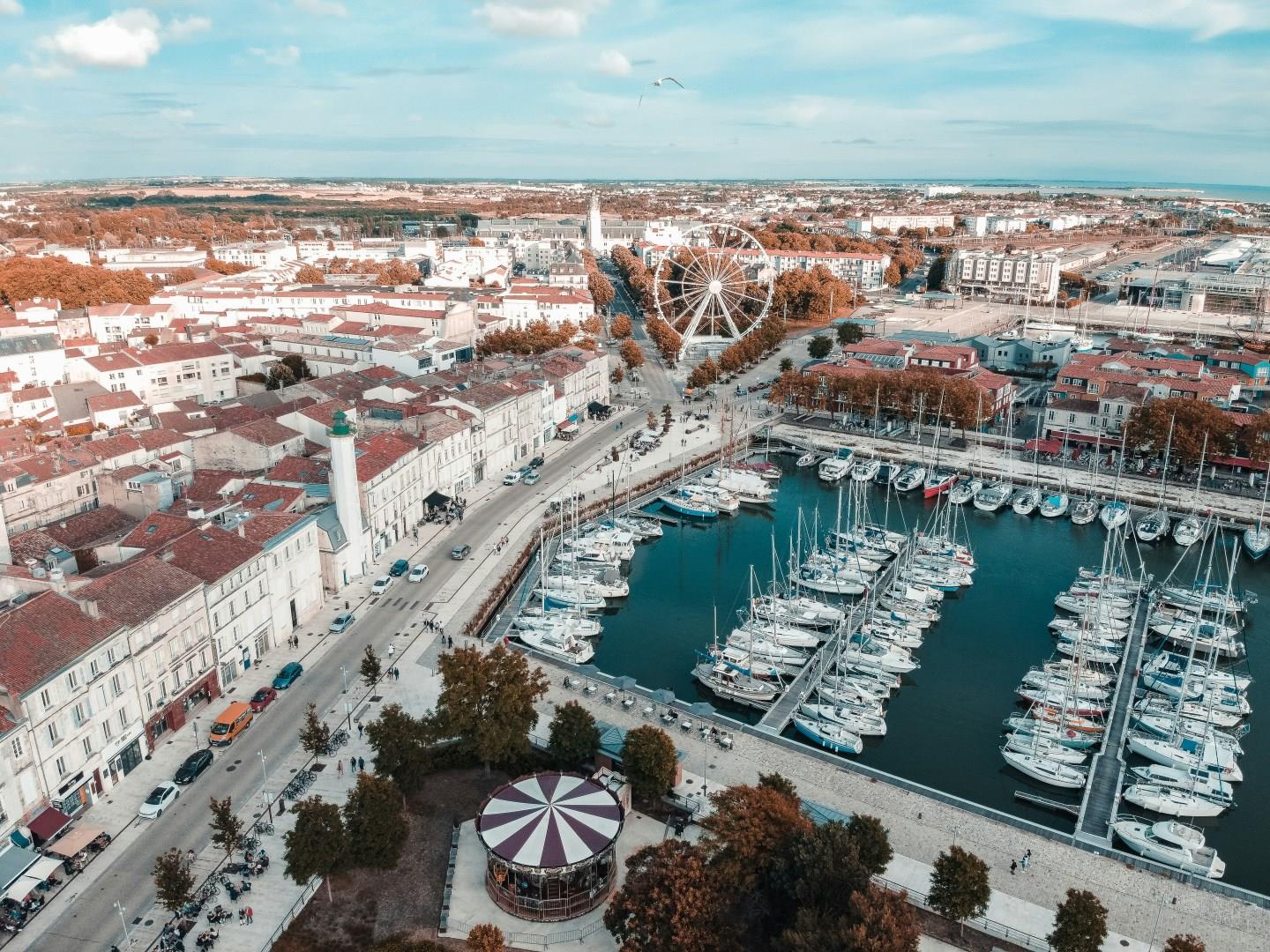
La Rochelle
La Rochelle sits on France’s Atlantic coast, shaped by centuries of maritime trade, independence, and outward-looking ambition. Once a powerful port with strong Protestant roots, the city developed a reputation for autonomy that still colors its identity. Its old harbor, guarded by medieval towers, reflects a history tied to navigation, commerce, and connections far beyond western France.
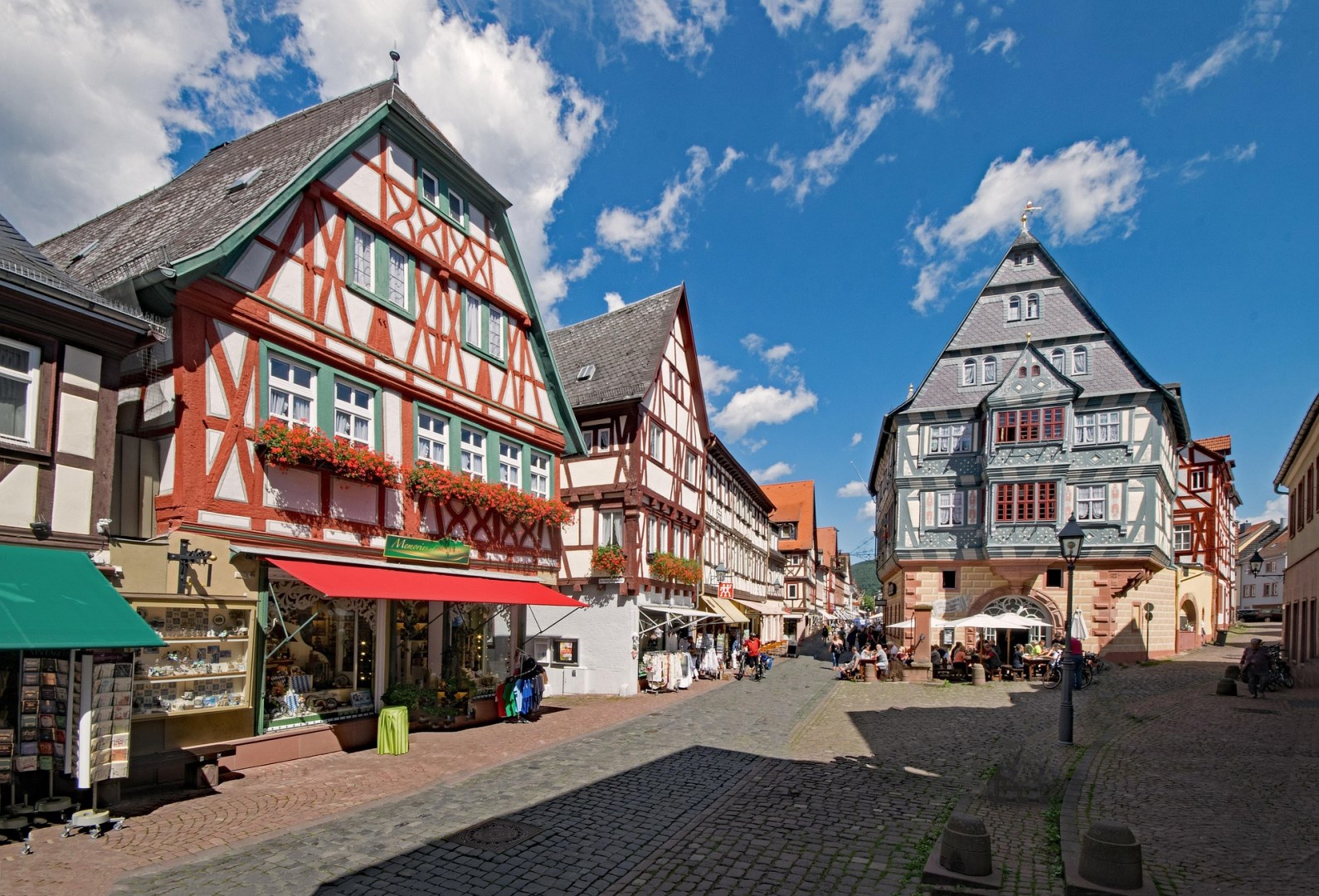
Miltenberg
Set along a gentle curve of the Main River in Bavaria, the town of Miltenberg presents a streetscape that feels carefully preserved rather than rebuilt. Rows of half-timbered houses line a single main street, their wooden beams and painted facades forming one of the most photographed scenes in Germany. The old market square, known as the Schnatterloch, draws attention with its sandstone fountain and tightly packed historic buildings, creating a setting that has remained largely unchanged.
