
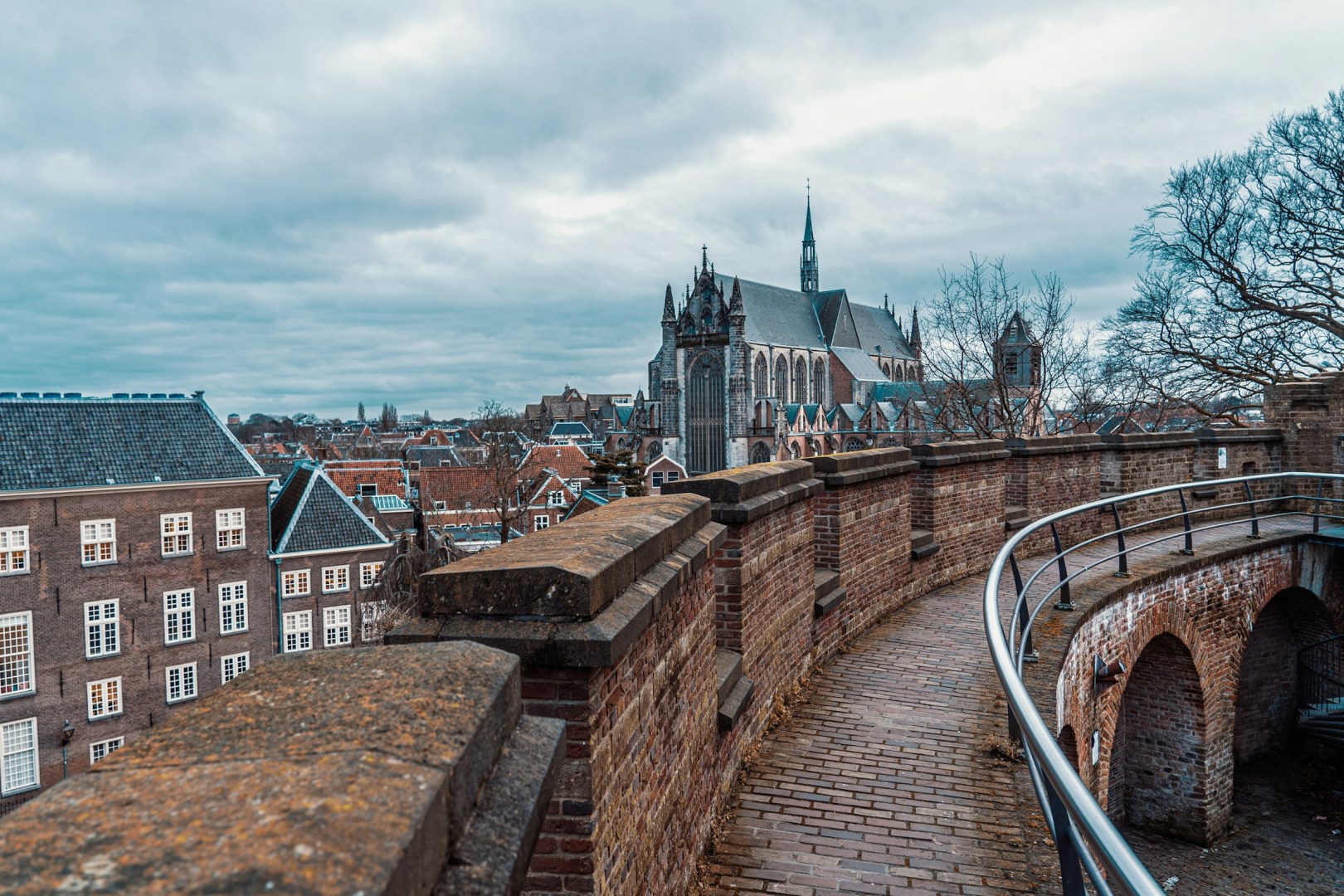
Leiden
Leiden or Leyden, city in the western Netherlands, in Zuid-Holland (South Holland) Province, on the Old Rhine River, near The Hague. Leiden is also the site of the State University of Leiden, one of the oldest and most distinguished universities in Europe. It was the birthplace of several important Dutch painters, including Rembrandt, Jan van Goyen, and Jan Steen. During the 17th century the English settlers who became known as the Pilgrims took refuge in Leiden before leaving for North America.
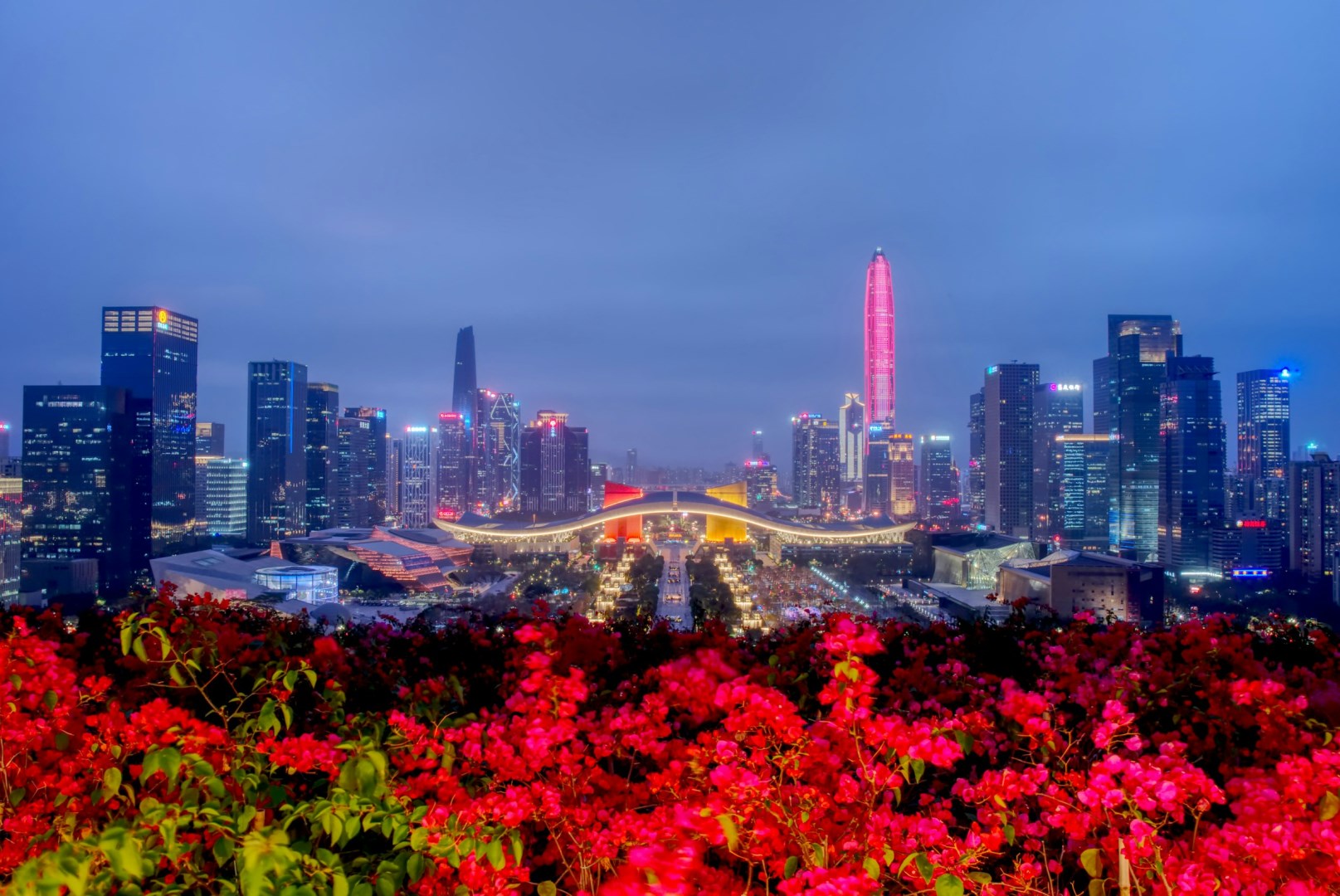
Shenzhen
Shenzhen, a dynamic metropolis in southern China, offers a unique blend of modernity and innovation. As a global technology hub, the city is renowned for its sleek skyscrapers and cutting-edge infrastructure. A visit to the Shenzhen Civic Center showcases the city's ambitious architecture, with its impressive glass buildings and futuristic design. The Shenzhen Museum, located nearby, provides a deep dive into the city's rapid development from a fishing village to a high-tech powerhouse.
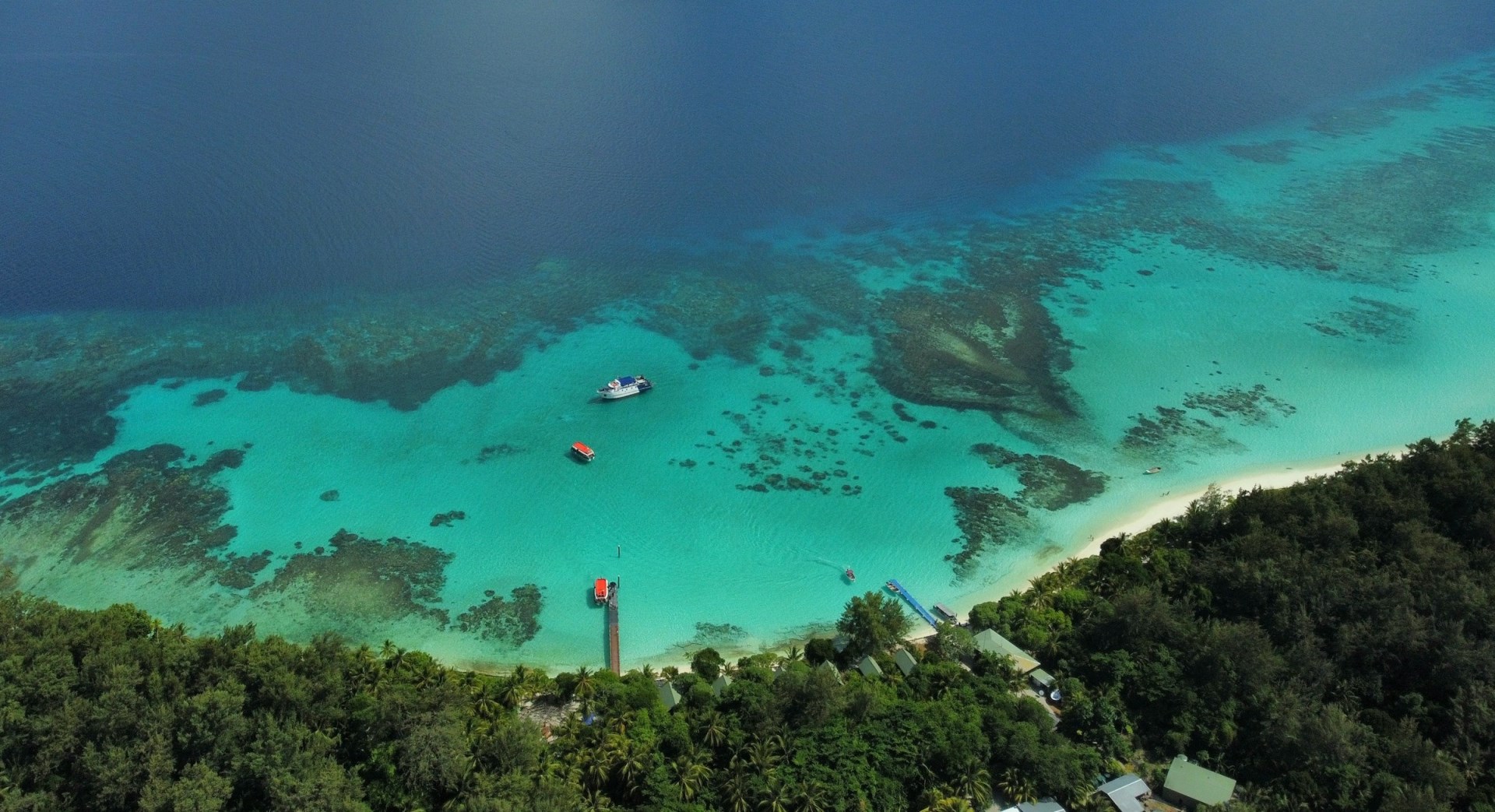
Conflict Islands
The Conflict Islands are a small group of coral islands and atolls in the Louisiade Archipelago of Papua New Guinea’s Milne Bay Province. They lie in the Solomon Sea, southeast of mainland Papua New Guinea, and are surrounded by clear lagoon waters, coral reefs, sandbars, and uninhabited islets.
Kanchanaburi
Kanchanaburi, a province in western Thailand, is best known for its poignant history and lush landscapes. It was here that Allied prisoners of war and Asian laborers were forced to build the infamous Death Railway during World War II, including the Bridge over the River Kwai, which remains a powerful symbol of resilience.
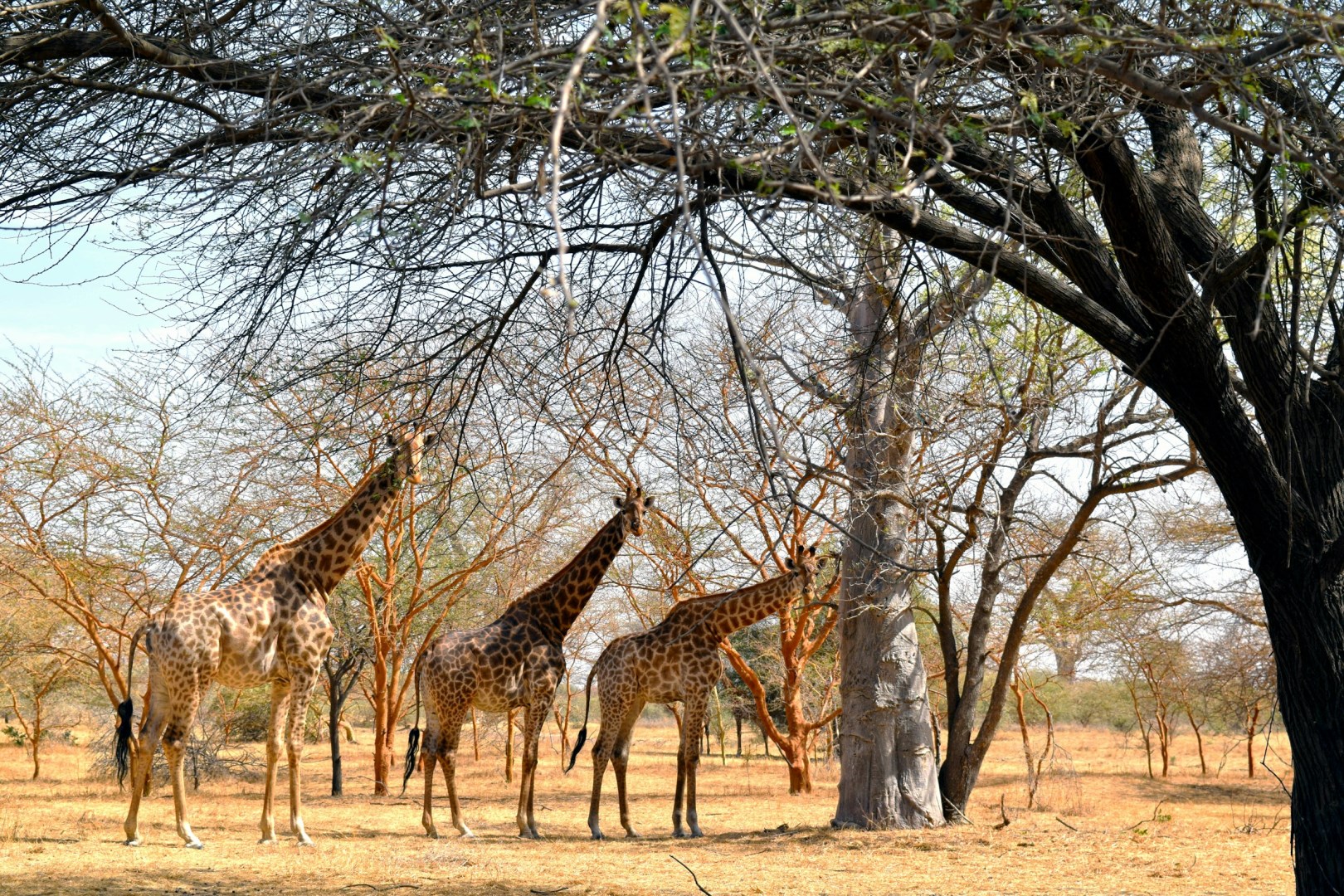
Bandia Reserve
Bandia Reserve is a private wildlife reserve in Senegal’s Thiès Region, located near the village of Bandia and within easy reach of Dakar, Mbour, and the resort area of Saly. Covering about 3,500 hectares, the reserve protects a landscape of dry savanna, thorny scrub, seasonal water sources, and large baobab trees.
