
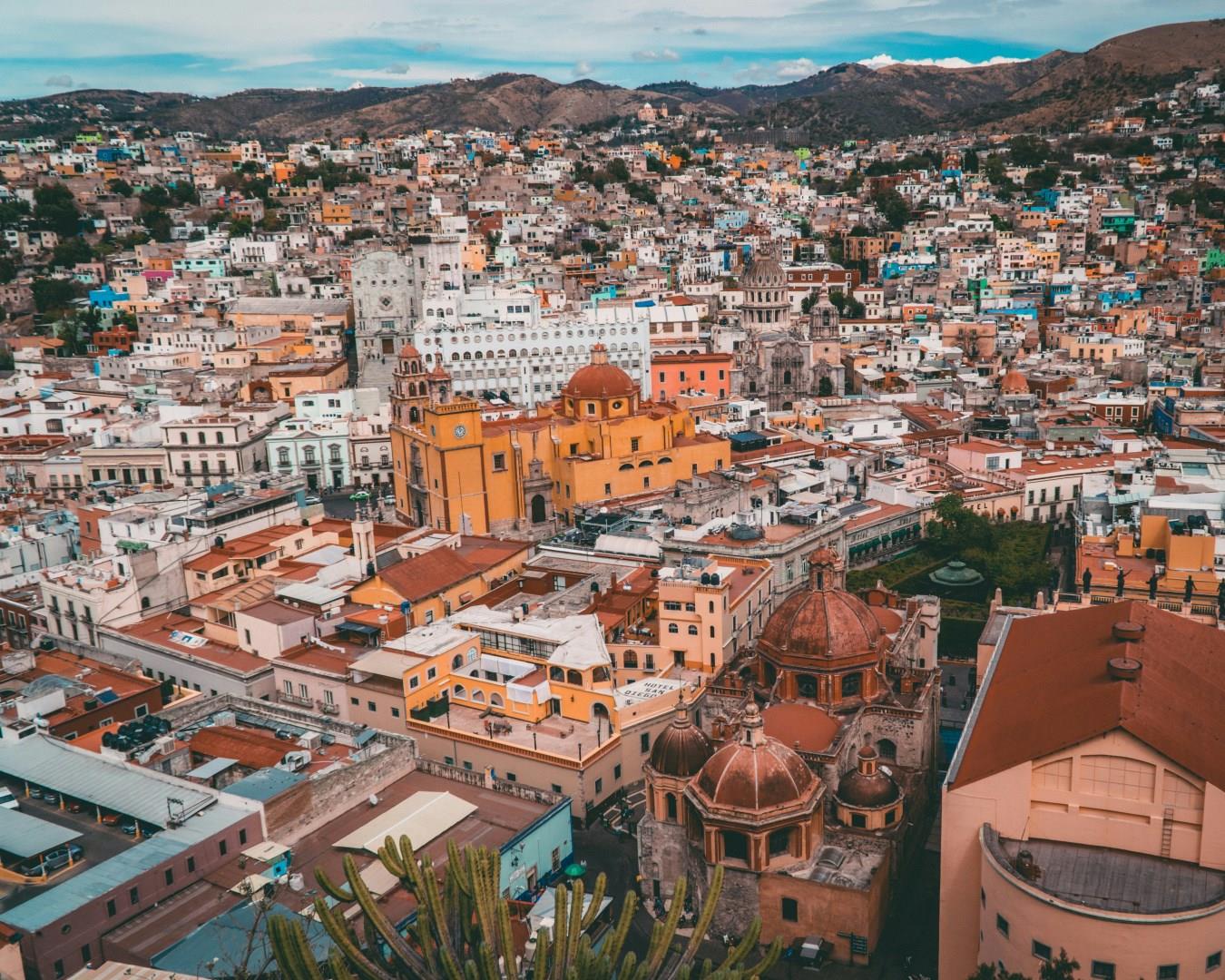
Guanajuato
Guanajuato, a UNESCO World Heritage City nestled in the mountains of central Mexico, is a place where history is built into every hillside alley and underground tunnel. Today, visitors can still tour La Valenciana Mine, where centuries-old tunnels and original mining equipment offer a glimpse into the city's wealth-driven past. The nearby Templo de San Cayetano, built by mine owners in the mid-1700s, is a stunning example of baroque design, lined with gilded altars and intricate woodwork.
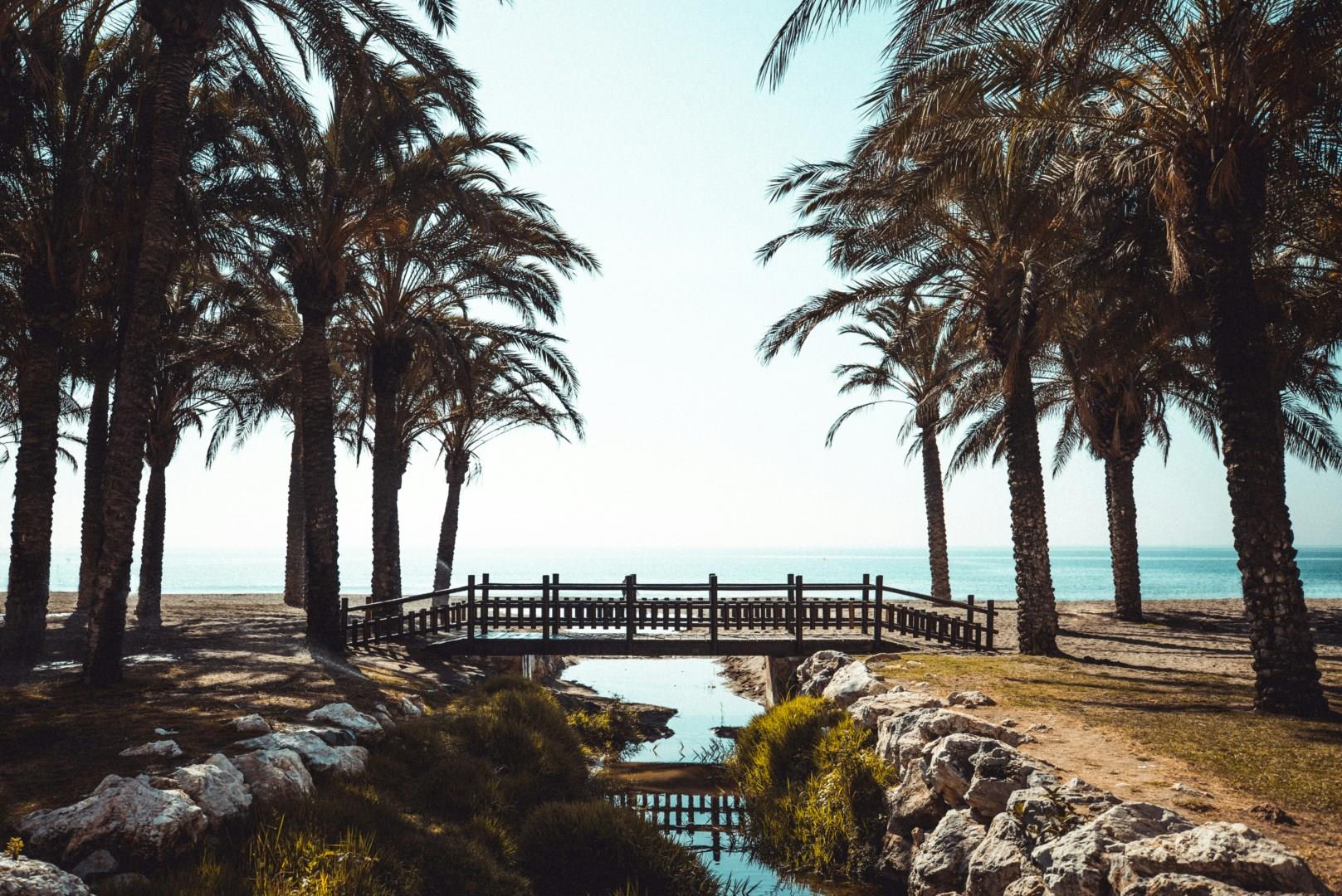
Torremolinos
Torremolinos, on Spain’s Costa del Sol, has transformed from a small fishing village into one of the region’s most vibrant seaside towns. Just a short drive from Málaga, it became famous in the mid-20th century as one of the first international beach destinations in Spain, attracting artists, celebrities, and travelers in search of sun and sea.

Surabaya
A booming city of over 3 million, Surabaya offers many good hotels, shopping centers and entertainment. Its well stocked zoological garden include several species of Indonesian fauna like "orang utan", komodo dragon and a collection of nocturnal animals.
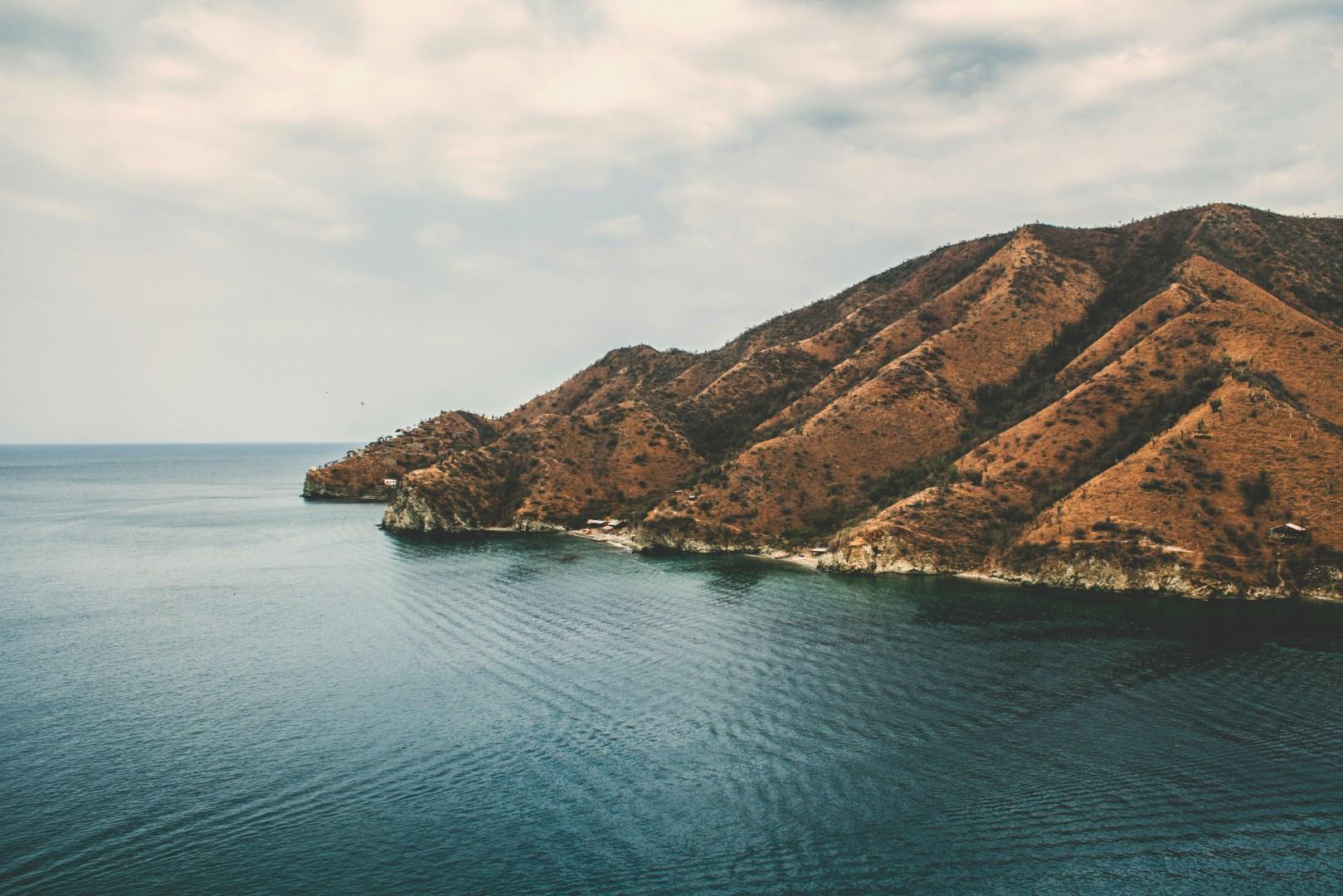
Santa Marta
Santa Marta, located on Colombia’s northern Caribbean coast, is one of the country’s oldest cities, founded in 1525. It has long served as a gateway between the coast and the Sierra Nevada de Santa Marta, the world’s highest coastal mountain range.

Tournus
Nestled in the picturesque Burgundy region of France, Tournus offers a charming glimpse into both its rich medieval history and its delightful contemporary culture. One of the city’s standout landmarks is the Abbey of Saint-Philibert, a remarkable example of Romanesque architecture. Founded in the 10th century, this abbey features stunning stone carvings and a tranquil cloister, making it a must-visit for history and architecture enthusiasts.
