
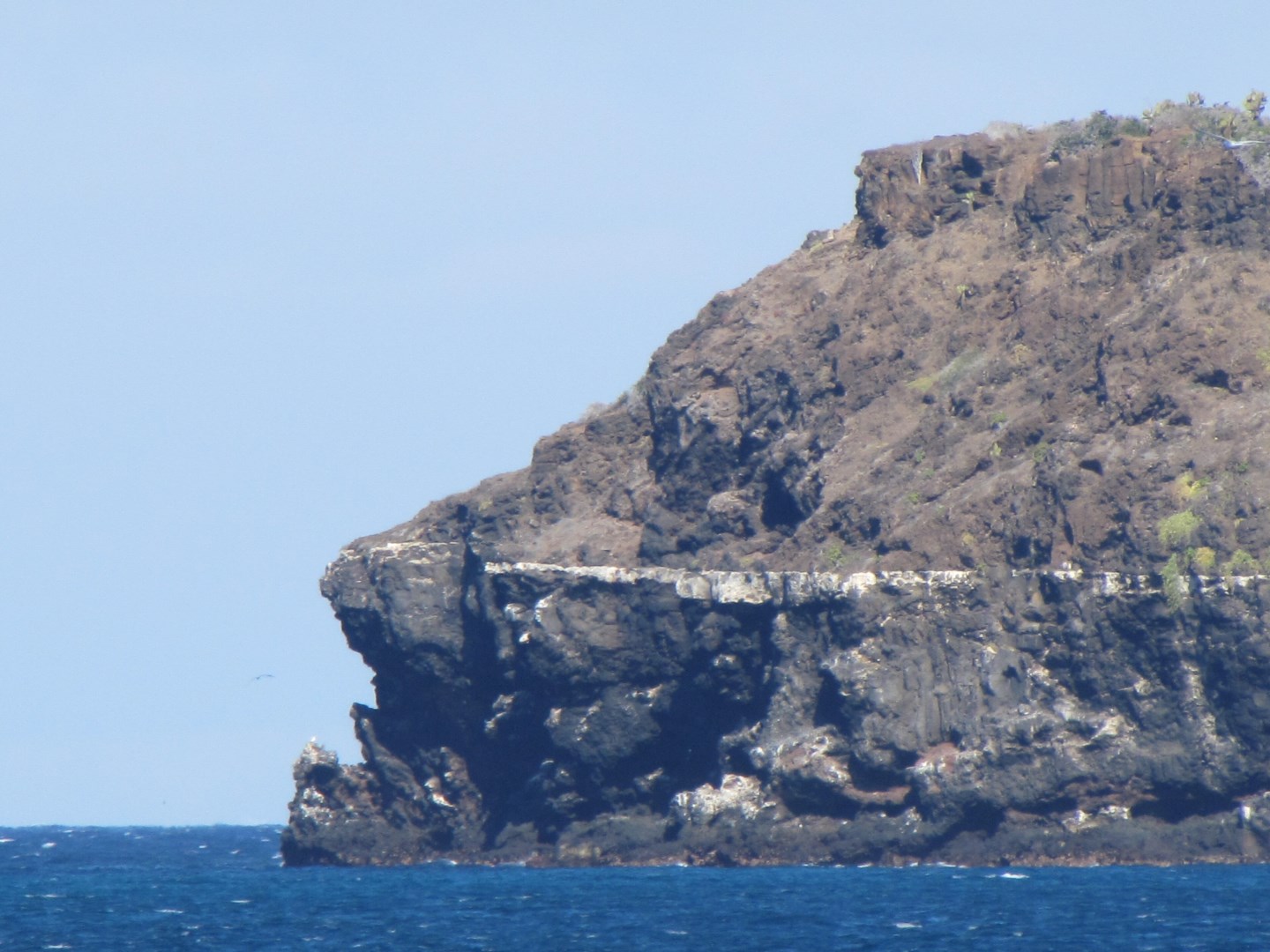
North Seymour
North Seymour Island, located just north of Baltra in Ecuador’s Galápagos archipelago, is a compact but biologically rich destination known for its wildlife encounters. Though small in size, this flat, arid island punches far above its weight when it comes to natural spectacle, offering a rare chance to observe iconic species in a remarkably close setting.
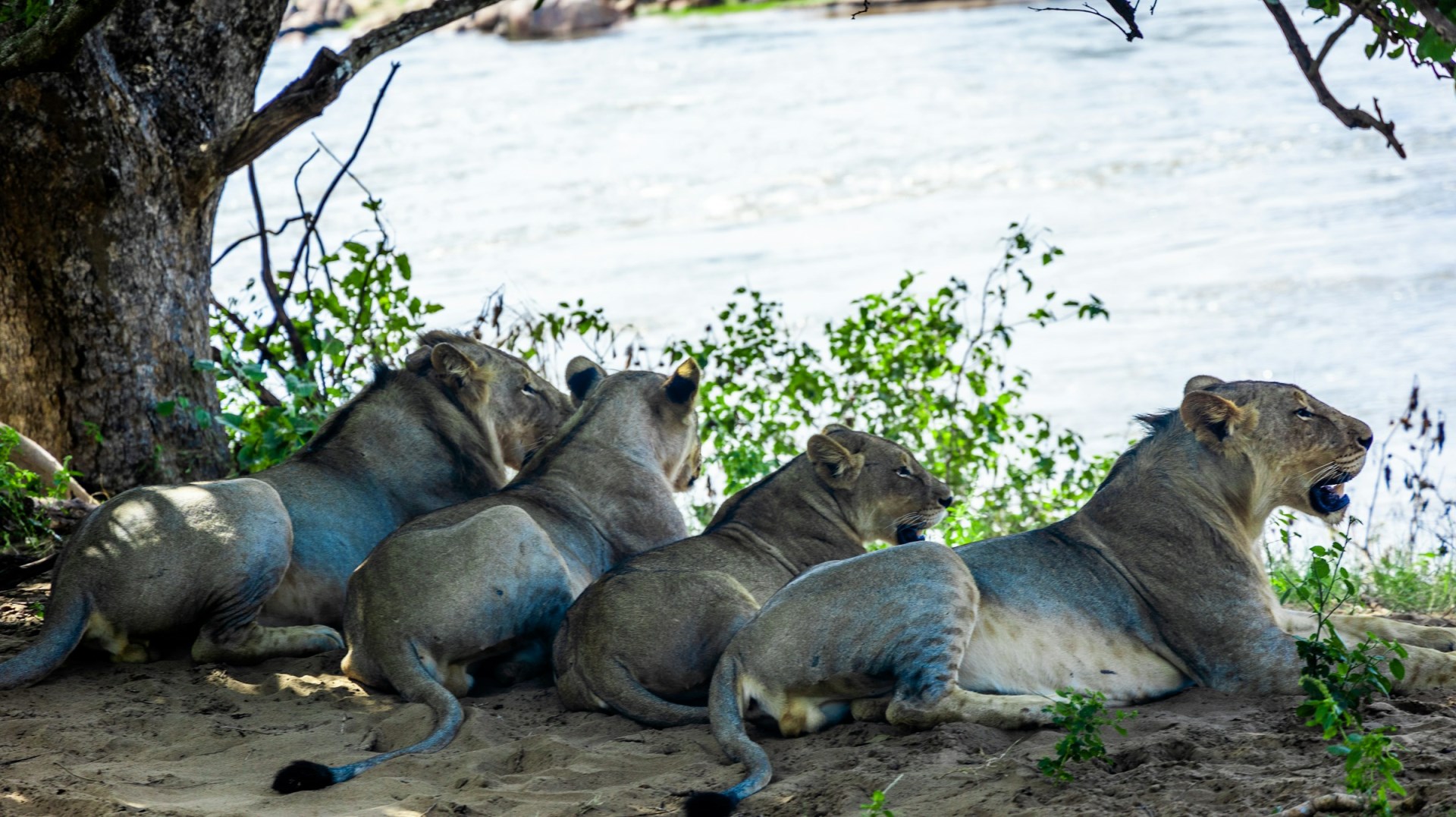
Majete Wildlife Reserve
Majete Wildlife Reserve is a protected area in southern Malawi, located in the Lower Shire Valley west of the Shire River. Its landscape includes miombo woodland, dry savanna, rocky hills, seasonal streams, and riverine vegetation along the Shire and Mkulumadzi rivers.
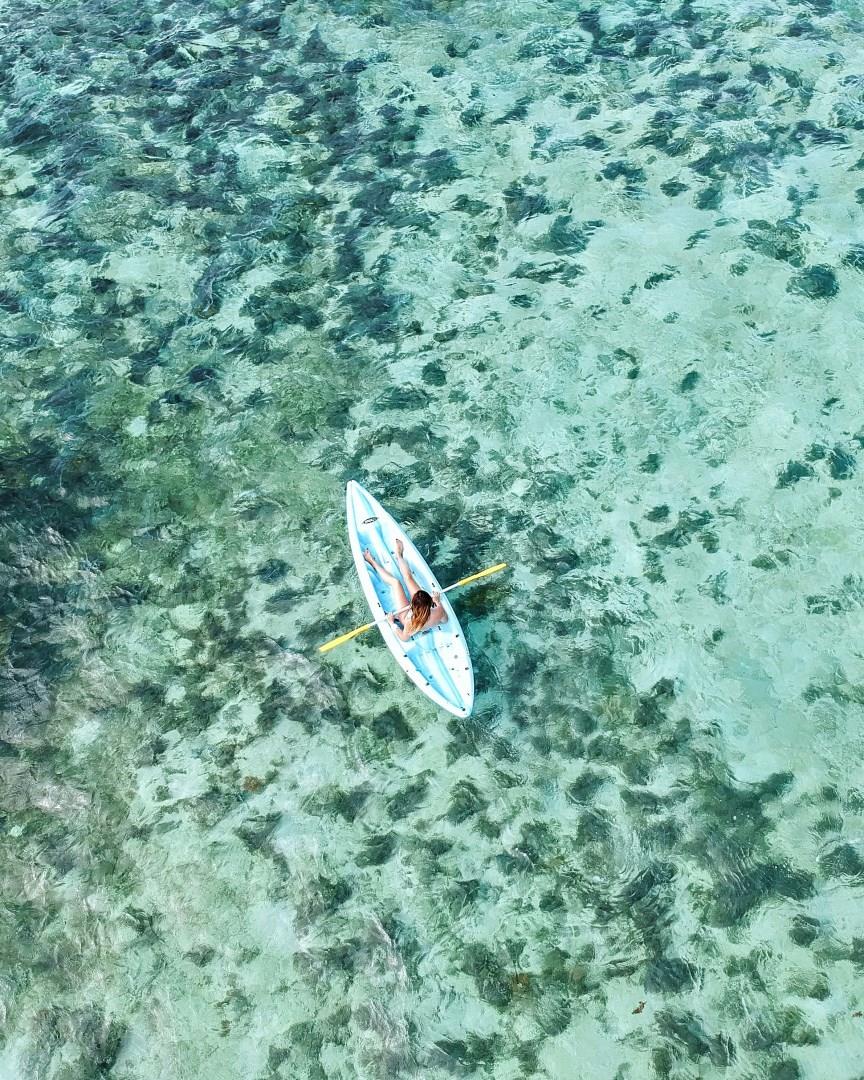
Coral Coast
The Coral Coast stretches along the southern edge of Fiji’s main island of Viti Levu, beginning around 15 km south of Nadi and continuing toward Suva. This 80 km shoreline is dotted with beaches that widen at low tide, bays set against green hills, and a series of small townships that feel welcoming and down to earth. Sigatoka, often called the gateway to the Coral Coast, sits beside the winding Sigatoka River, where local markets brim with fresh tropical fruit and handmade crafts.
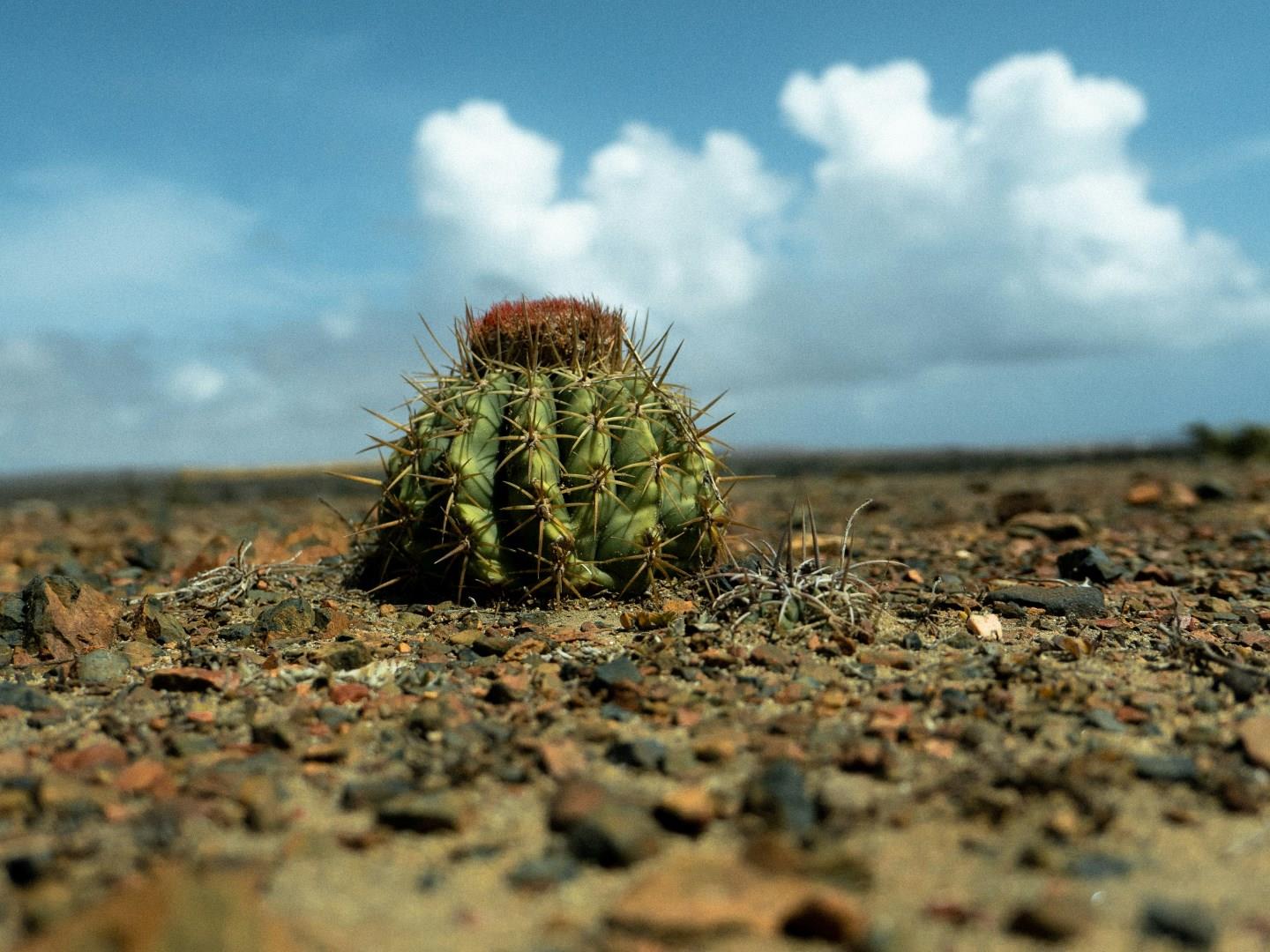
Arikok National Park
Arikok National Park, covering nearly 20% of Aruba, is a striking showcase of the island’s rugged landscapes, cultural history, and biodiversity. Unlike the postcard image of Aruba’s white-sand beaches, Arikok reveals a wilder side, with windswept hills, desert-like terrain, and dramatic limestone cliffs meeting the sea.
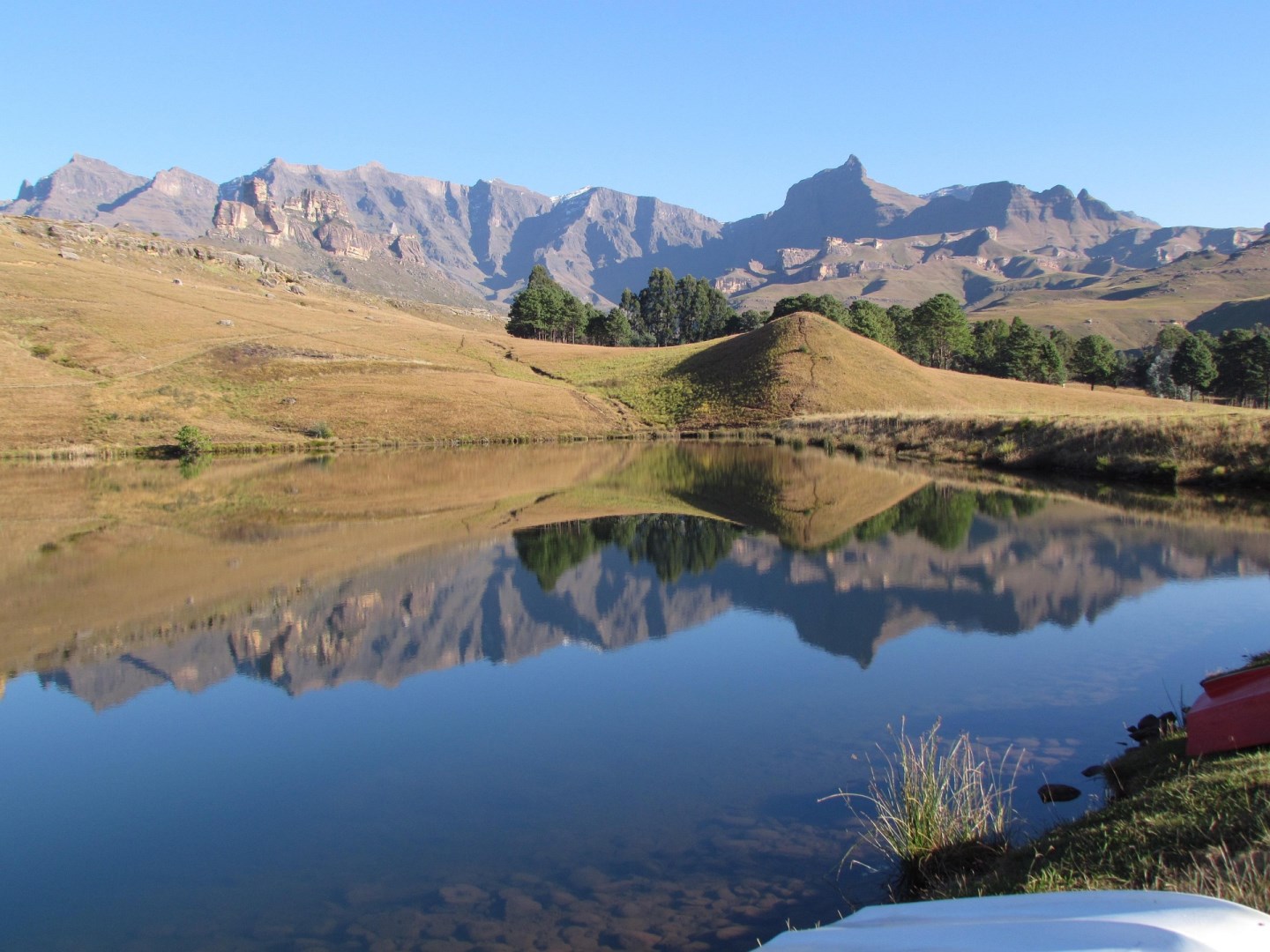
KwaZulu-Natal
KwaZulu-Natal is a province on South Africa’s east coast, stretching from the Indian Ocean beaches around Durban to the mountains of the Drakensberg and the savanna of the interior. Its landscapes include subtropical forests, grasslands, wetlands, estuaries, sugarcane fields, and protected wildlife areas.
