
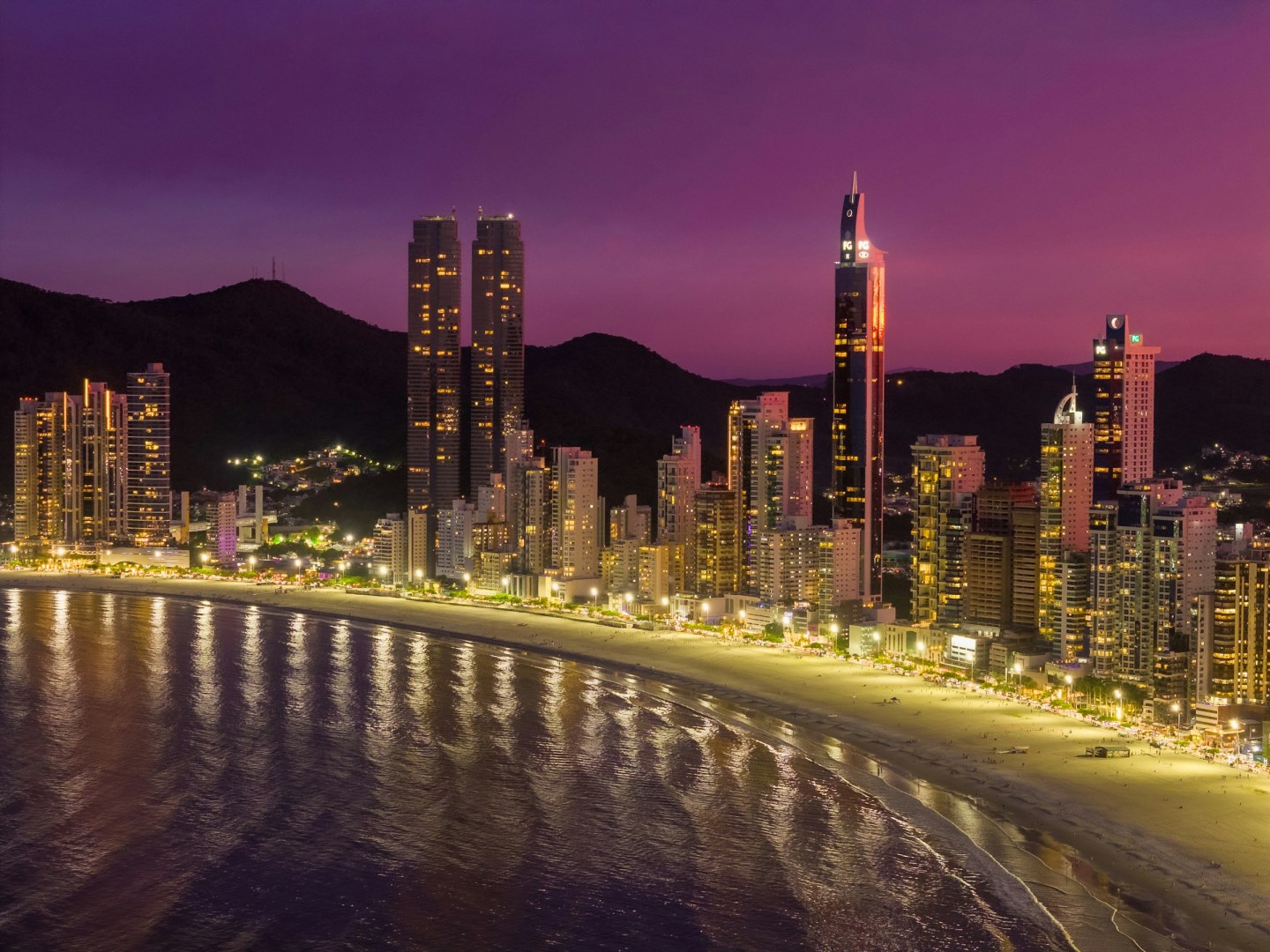
Balneário Camboriú
A resort city popular with locals and tourists alike, Balneário Camboriú entices visitors with beautiful beaches, renowned dance clubs and looming skyscrapers. With a vibrant nightlife, modern restaurants, and even the Cristo de la Luz statue overlooking the city, it's often compared to Rio de Janeiro. Its main claim to fame, though, is the city's status as the "capital of electronic music," according to Forbes. Combined with its e-music scene and a unique cable car connecting two of the most po
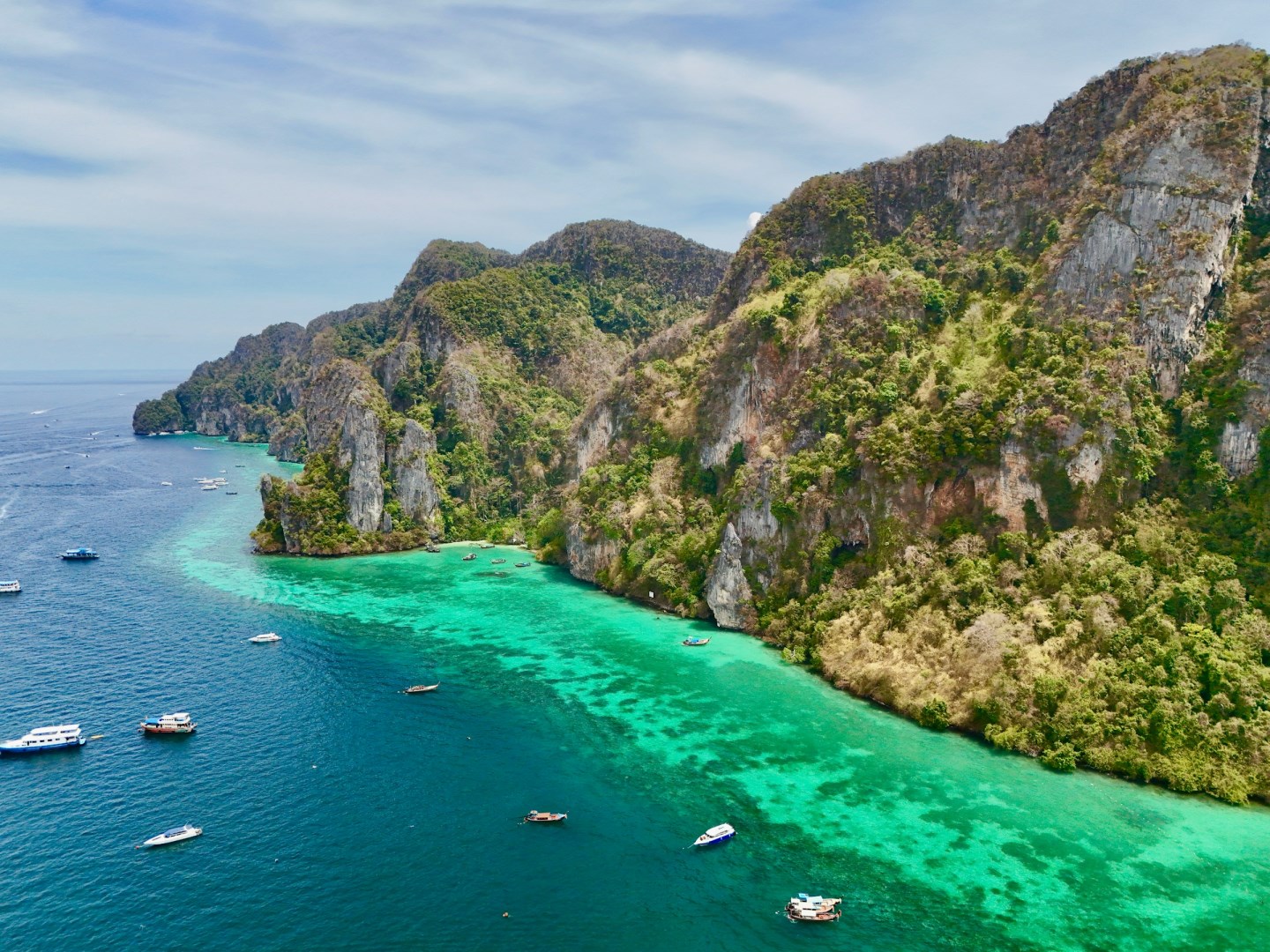
Koh Phi Phi
Koh Phi Phi, a stunning archipelago in the Andaman Sea, is a jewel in Thailand’s tourism crown. Famous for its crystal-clear waters, lush tropical landscapes, and dramatic limestone cliffs, this destination is a haven for both adventure seekers and those looking for a serene escape.
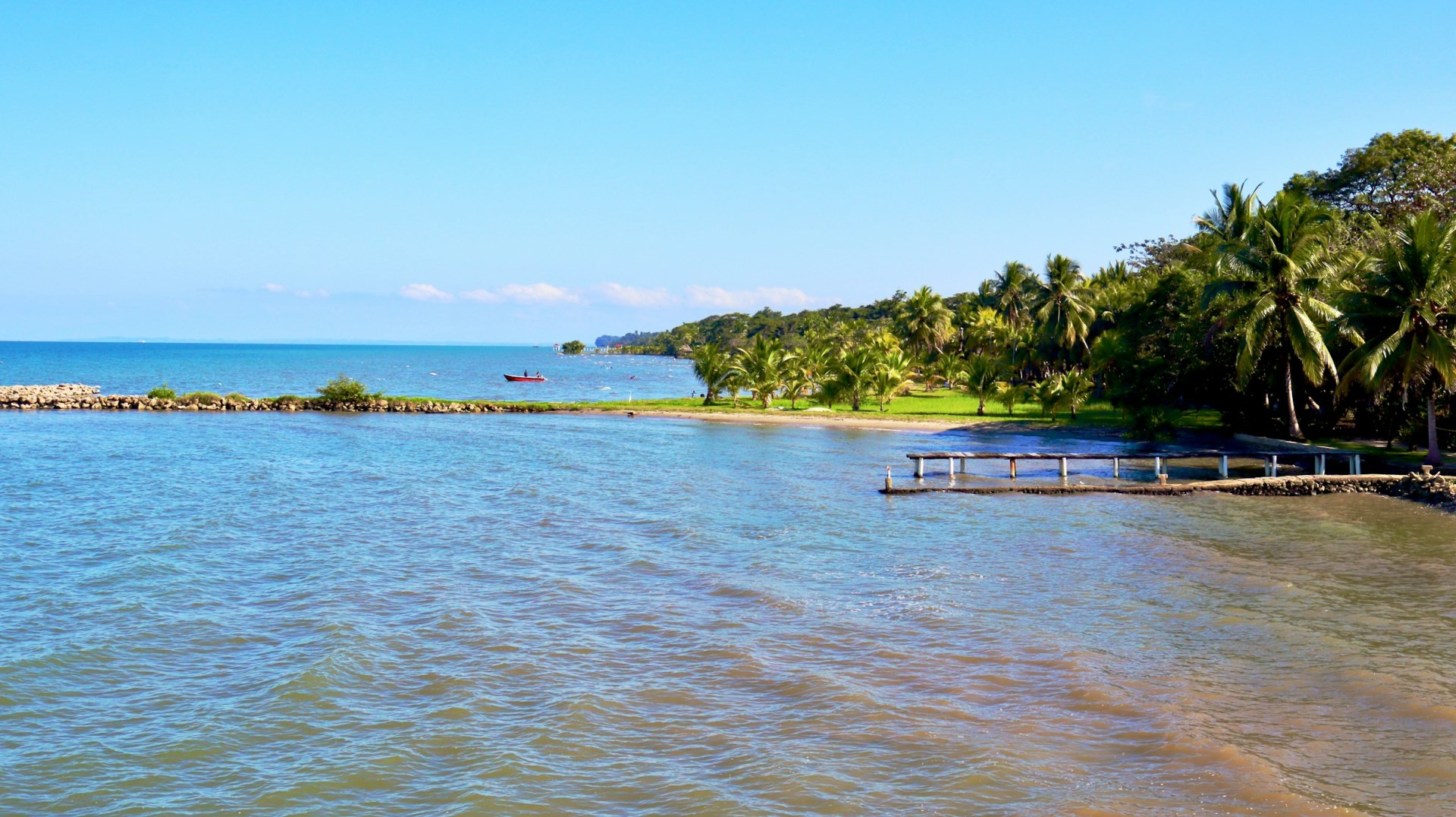
Lívingston
Livingston is a small coastal town in Guatemala's Izabal department, situated where the Río Dulce meets the Caribbean Sea. Unlike much of the country's interior, Livingston is reached primarily by boat, with regular water transport connecting it to Puerto Barrios and Río Dulce. The town is surrounded by tropical vegetation, waterways, and Caribbean coastline, giving it a distinct geographic setting within Guatemala.
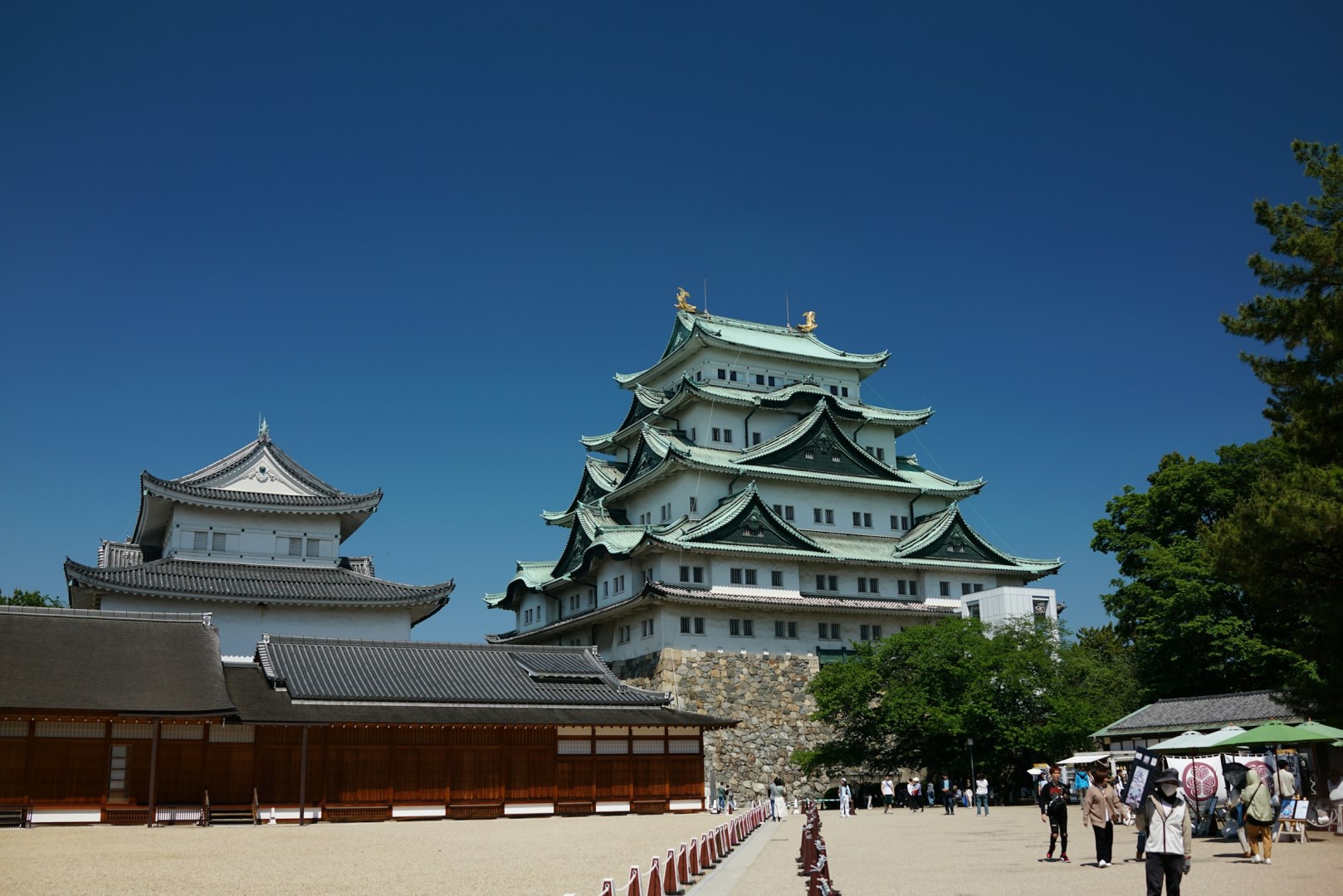
Nagoya
Nagoya’s charm lies in its ability to connect the past and future. Whether exploring historical landmarks, marveling at technological achievements, or indulging in the city’s distinct cuisine, visitors to Nagoya will find themselves immersed in a dynamic and unforgettable experience.

Molde
Nestled along the fjord-studded coastline of Norway, Molde is renowned for its breathtaking natural beauty and rich cultural heritage. Often called the "City of Roses" for its flourishing gardens and floral displays, Molde offers visitors a stunning panorama of 222 mountain peaks visible from its scenic viewpoints, including the renowned Varden Viewpoint. This spot provides an unparalleled vista of the surrounding fjords and peaks, making it a must-see for any nature enthusiast.
