
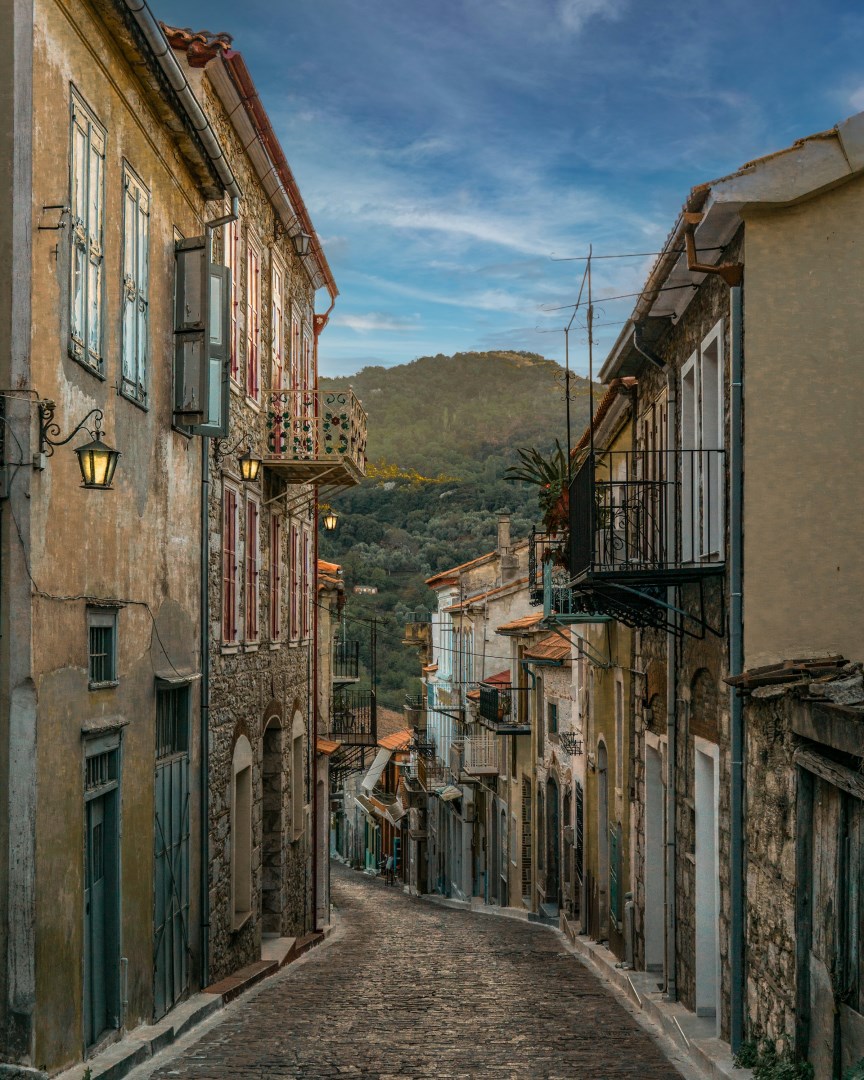
Mytilene
Mytilene, ancient Greek city, the capital of Lésvos (Lesbos), an island in the Aegean Sea. It was colonized in early times by the Aeolians and is known as the birthplace of the poet Sappho and the philosopher Theophrastus. The city became a great naval power and established colonies in Mysia and Thrace.
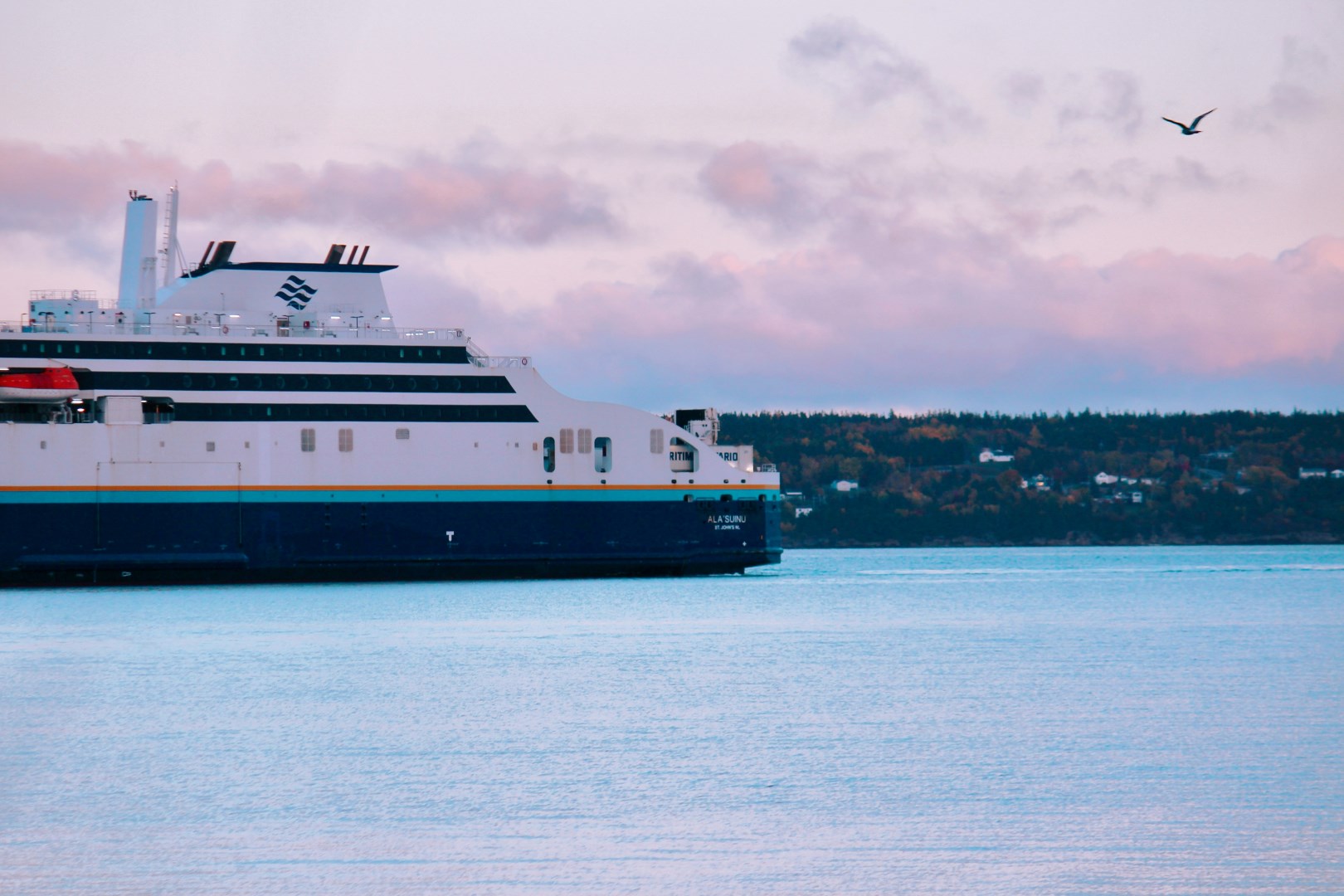
Sydney, Nova Scotia
Situated on the eastern edge of Cape Breton Island, Sydney in Nova Scotia welcomes visitors with a strong connection to the sea and a deep-rooted cultural identity. The city’s waterfront is a natural gathering place, where boardwalks stretch along the harbor and offer views of fishing boats, cruise ships, and open water. One of its most recognizable landmarks is the world’s largest fiddle, a towering tribute to the region’s musical traditions.
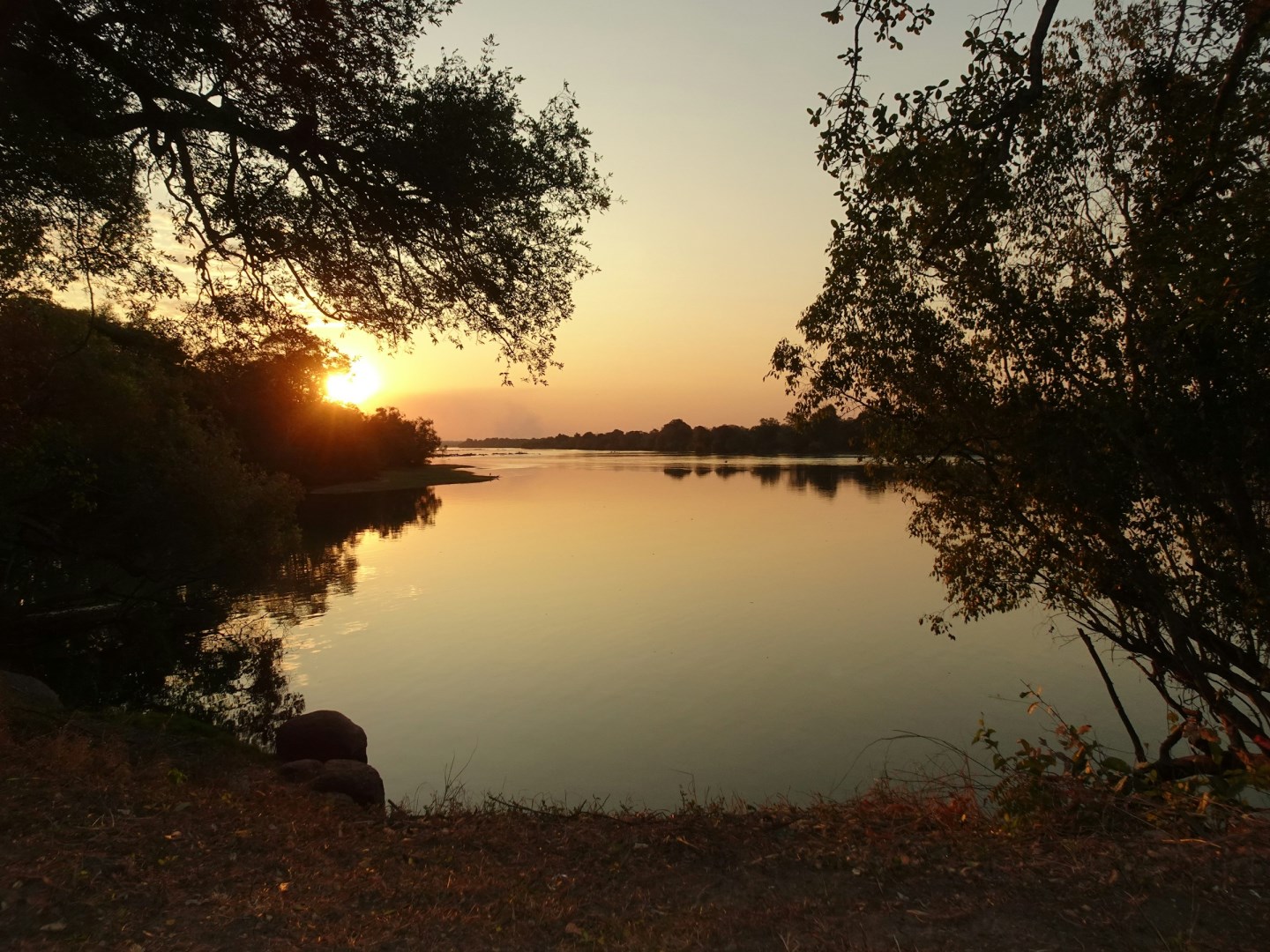
Kafue National Park
Kafue National Park is in western and central Zambia and is the country’s largest national park, covering about 22,400 square kilometers. The park takes its name from the Kafue River, which runs through the protected area and supports a wide range of wetlands, floodplains, grasslands, and woodland. Much of the park is covered by miombo woodland, while the northern Busanga Plains form extensive seasonal wetlands that become open grassland as floodwaters recede.

Cyprus
In Cyprus, travelers are immersed in a culture that draws on Europe, the Middle East, and 9000 years of constant invasion. Crusader castles rub shoulders with ancient vineyards, frescoed monasteries overlook citrus orchards, and sandy, sun-soaked feet tread Roman mosaic floors.

Madeira
Madeira, an archipelago off the coast of Portugal, is often referred to as the “Island of Eternal Spring” due to its mild climate and lush landscapes. Funchal, its vibrant capital, is a perfect blend of natural beauty and rich history. Visitors can explore the cobblestone streets of the old town, marvel at the Gothic-style Sé Cathedral, and stroll through the colorful Mercado dos Lavradores, where local farmers sell fresh produce, exotic flowers, and the island’s famous wine.
