

Veracruz
Veracruz, Mexico, is a vibrant port city rich in history and culture. Founded in 1519 by Hernán Cortés, it is Mexico’s oldest city, and its historic center, with its colorful colonial buildings and bustling Zócalo, reflects its deep historical roots. Visitors can explore the impressive San Juan de Ulúa Fortress, a massive colonial-era fort that once served as a prison and a key military base.
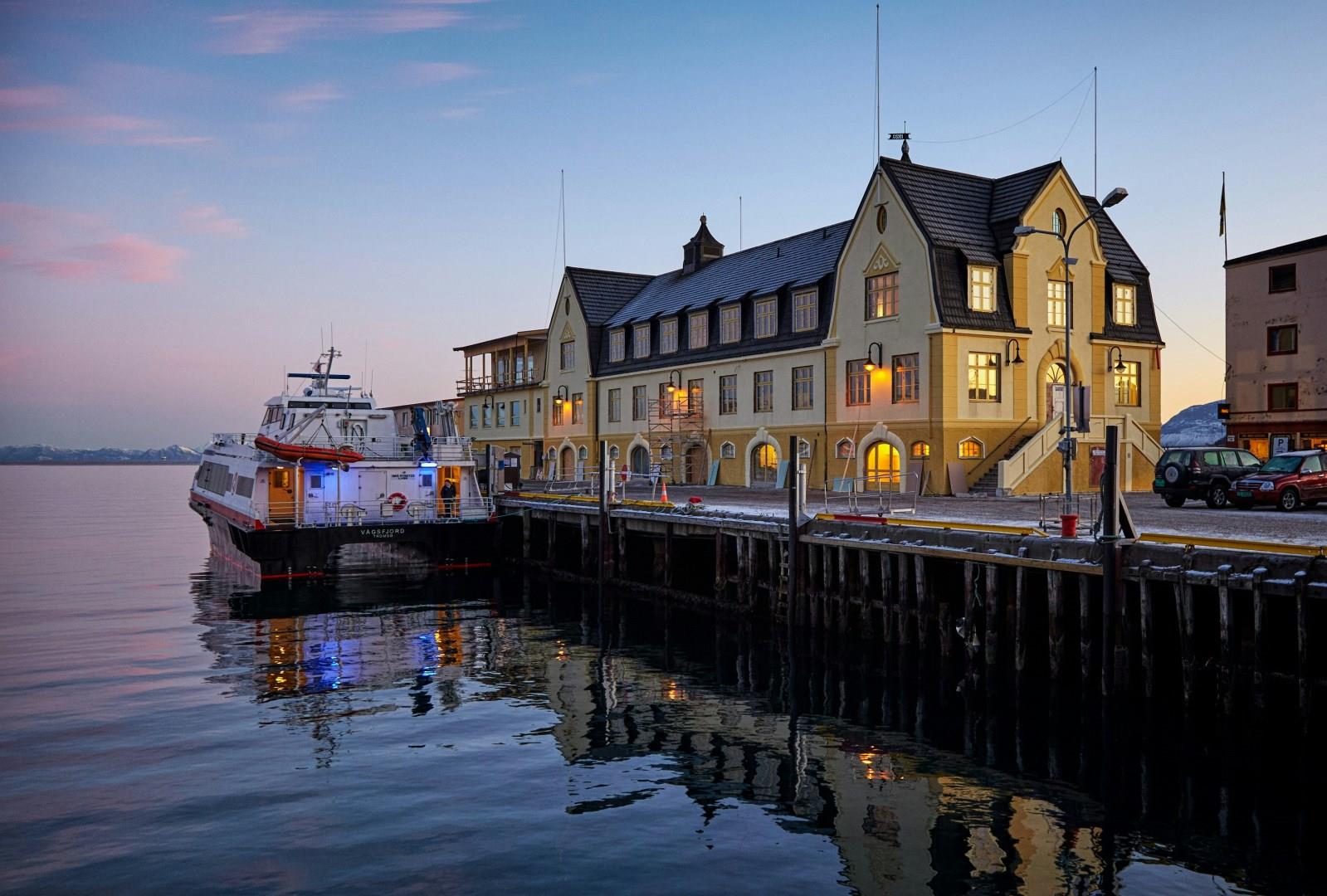
Harstad
Harstad is a coastal town in northern Norway, located on Hinnøya, the country’s largest island, and overlooking the strategic waters of Vågsfjorden. Its history spans from Viking settlements to modern fishing and shipping, giving the town a blend of maritime heritage and regional importance.
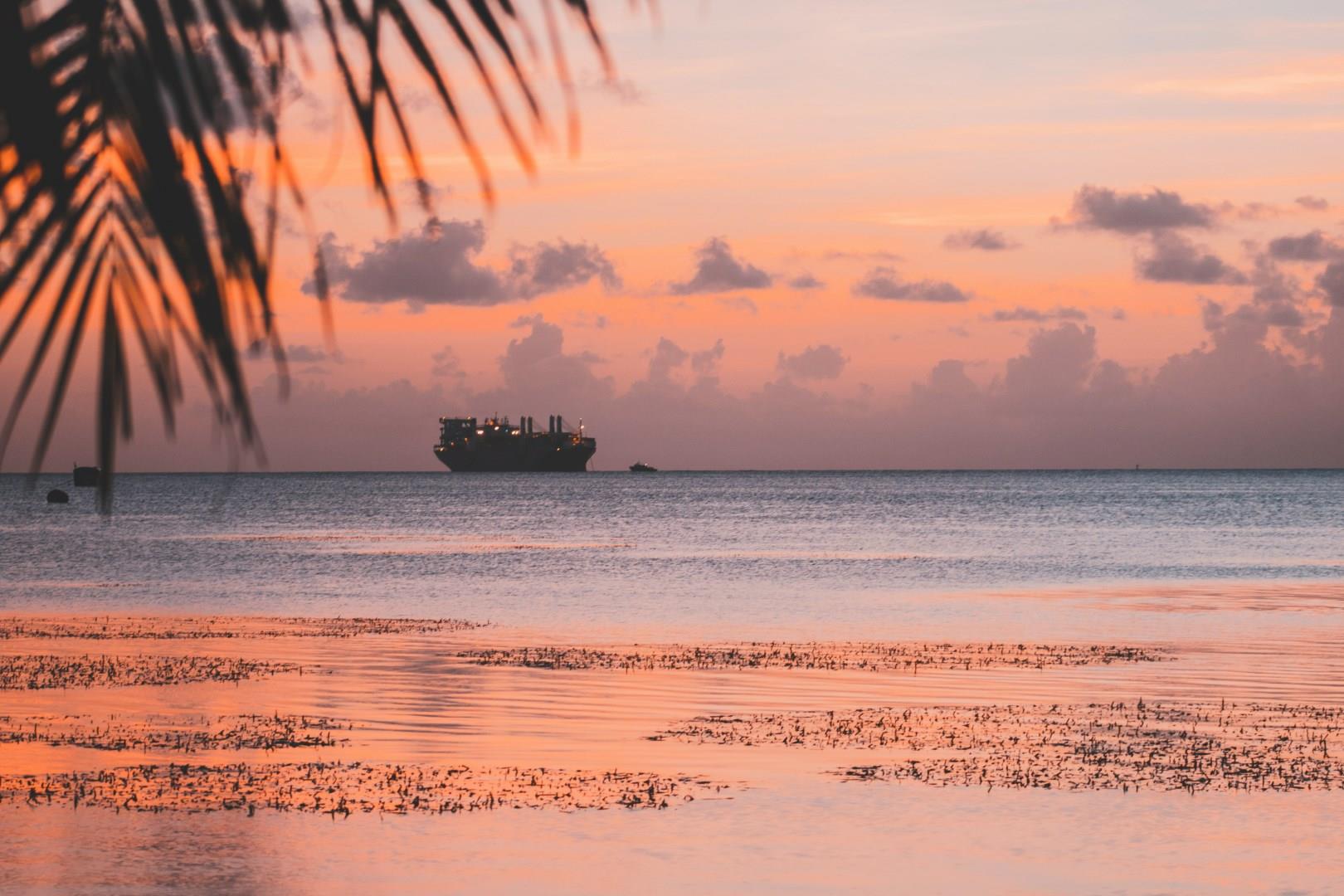
Saipan Island
Saipan, the largest of the Northern Mariana Islands, offers a rare combination of deep historical roots, island traditions, and dramatic landscapes. Located in the western Pacific, this U.S. territory was once the site of one of the most pivotal battles in the Pacific during World War II. Visitors today can explore the remains of bunkers, tanks, and hidden caves at sites like Suicide Cliff, Last Command Post, and the American Memorial Park.
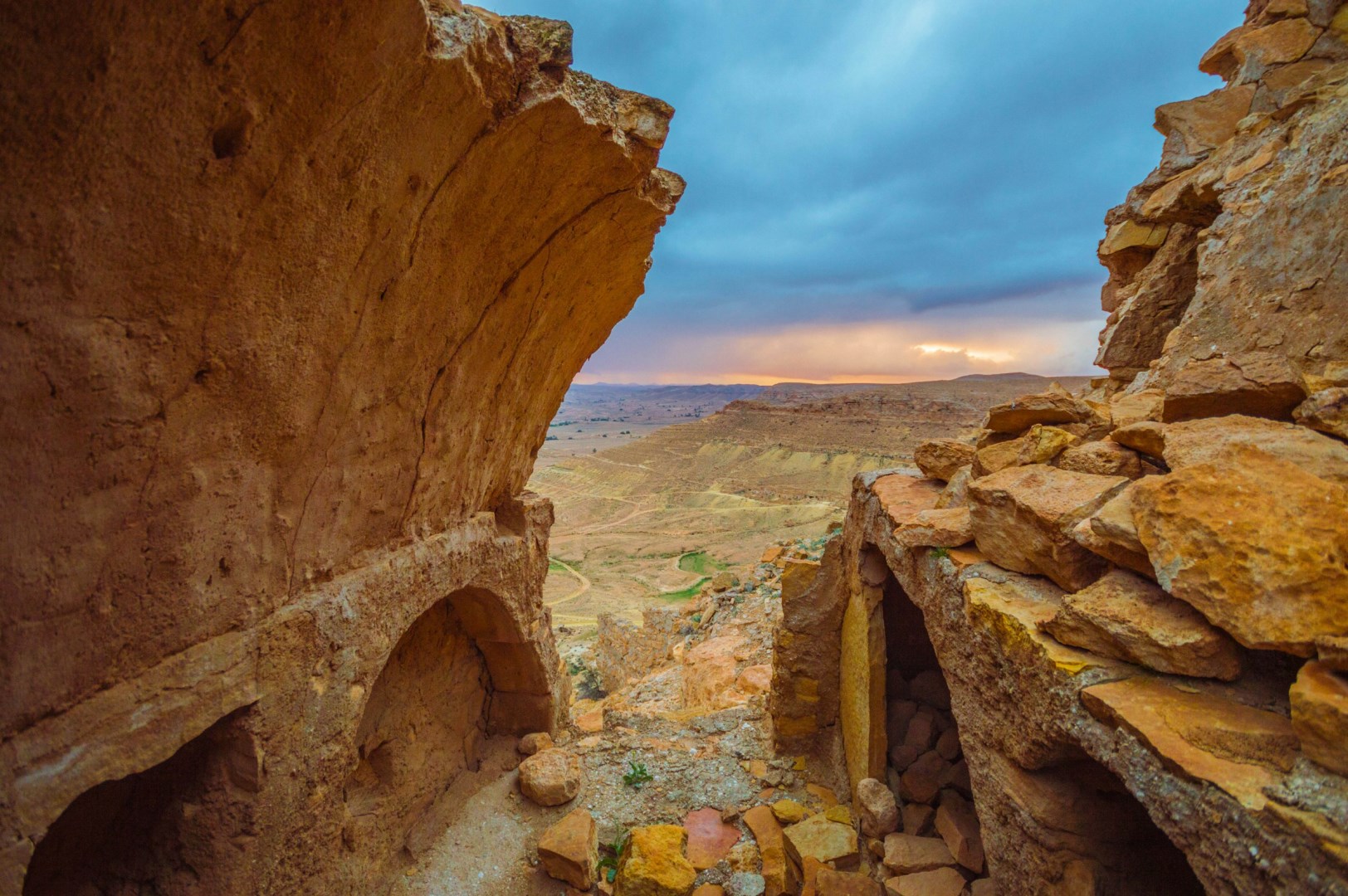
Douiret
Douiret is a historic Berber village in southern Tunisia, set high among the rocky mountains and desert plateaus of the Tataouine region. The settlement is built along a steep mountain ridge, where old stone structures and partially abandoned homes blend into the surrounding rock. Douiret is best known for its traditional ksar, a fortified complex that once provided communal storage for agricultural harvests.
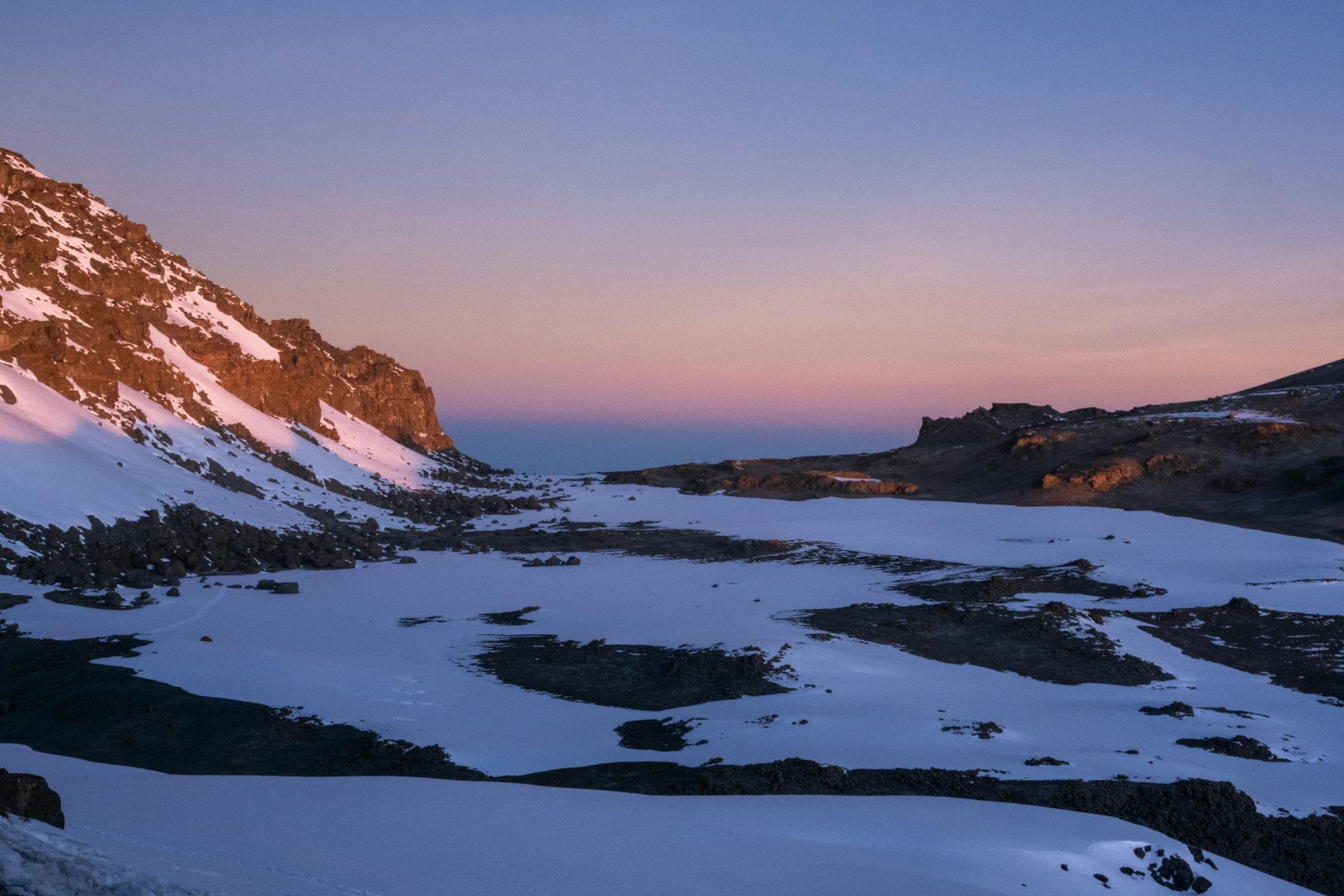
Uhuru Peak
Uhuru Peak is the highest point on Mount Kilimanjaro in northern Tanzania, reaching 5,895 metres above sea level. It stands on Kibo, the mountain’s highest volcanic cone, and forms the summit of the highest free-standing mountain in the world. The route to the peak passes through several distinct ecological zones, beginning with cultivated land and montane forest before reaching moorland, alpine desert, and the high-altitude summit zone.
