
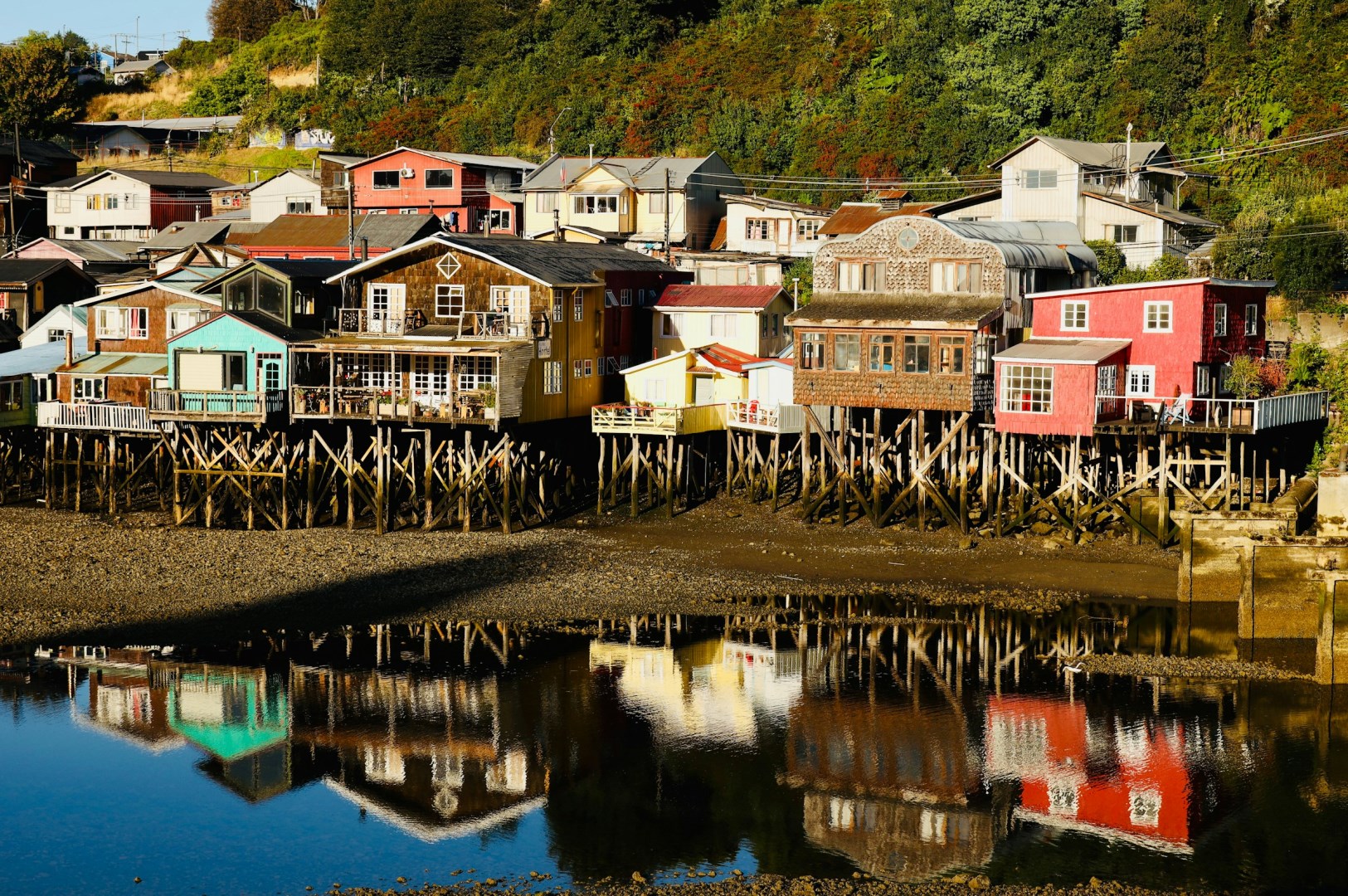
Castro
Castro is the capital of Chiloé Province on the island of Chiloé in southern Chile, set along the eastern shore of the Gulf of Corcovado. The city is recognized for its distinctive waterfront, hillside neighborhoods, and traditional wooden architecture. Its most recognizable feature is the palafitos, houses built on wooden stilts above the tidal edge, particularly around the Gamboa and Río neighborhoods.
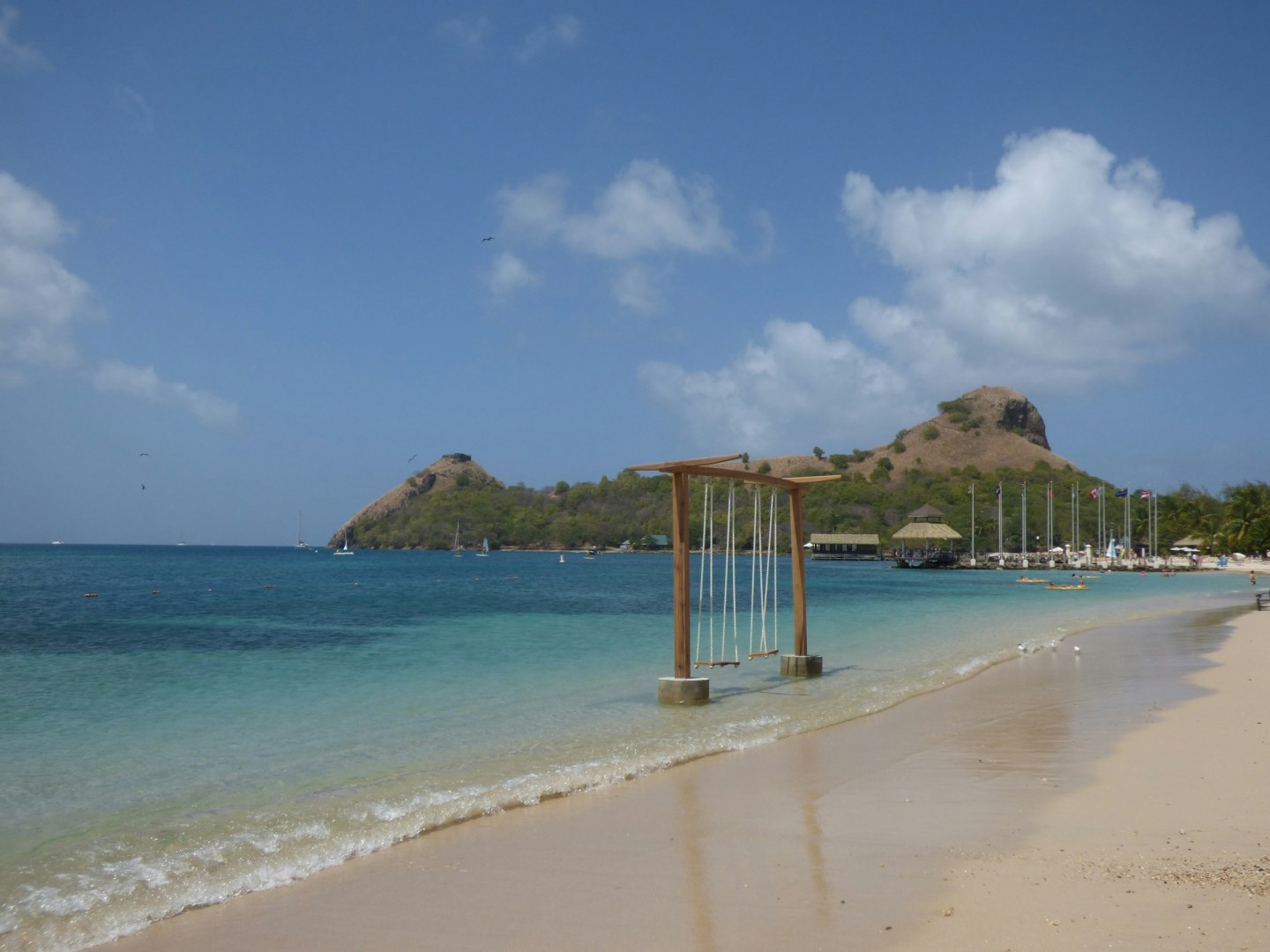
Pigeon Island
Pigeon Island National Landmark is a historic coastal site on the northwest tip of Saint Lucia, set beside Rodney Bay and connected to the mainland by a causeway. Once a separate island, it now forms part of the island’s northern landscape and combines low hills, dry coastal vegetation, rocky shoreline, and sandy beaches. The site is known for its walking trails and elevated viewpoints, including Signal Peak and Fort Rodney. From the higher ground, visitors can see across Rodney Bay, the Caribbe
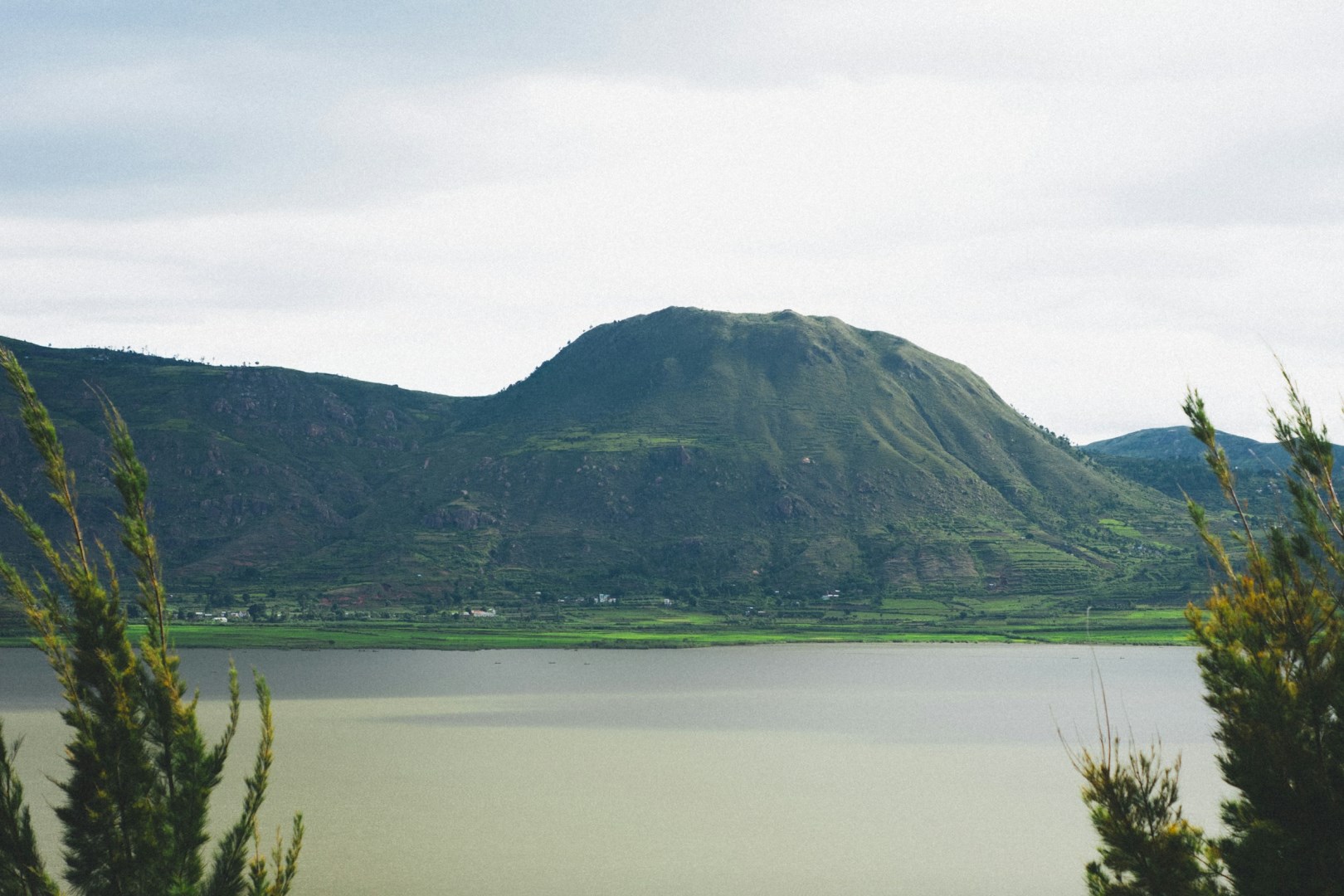
Ampefy
Ampefy is a highland town in central Madagascar, situated in the Itasy region west of Antananarivo. The area is known for its volcanic landscape, with Lake Itasy forming the center of a region shaped by ancient eruptions. Rolling hills, fertile farmland, volcanic cones, and streams surround the lake, creating a landscape that differs from Madagascar’s drier western and southern regions.

Marmaris
Marmaris sits on the turquoise waters of Turkey’s Aegean coast and greets visitors with a lively harbor, wide beaches and a story that spans thousands of years. Its protected bay has been a safe anchorage for ships since ancient times, and today the marina, one of the largest on the Turkish Riviera, is bright with yachts and fishing boats alike.

Lautoka
Known as Sugar City, Lautoka is a tropical destination on the western coast of Fiji. Be sure to take a stroll through the Lautoka Botanical Gardens, or venture just outside of the city to take in the natural beauty of Koroyanitu National Park, a rainforest preserve with spectacular hikes and bird-watching excursions.
