

Punakha
Punakha sits in one of Bhutan’s most fertile valleys, cradled where the Mo Chhu and Pho Chhu rivers meet. For centuries it served as the kingdom’s capital and remains a place rich with stories woven through its fields, temples, and riverbanks. The city’s low elevation brings warmer weather than much of Bhutan’s highland regions, and rice paddies fill the landscape with vivid green during planting and golden hues at harvest.
Pebble Island
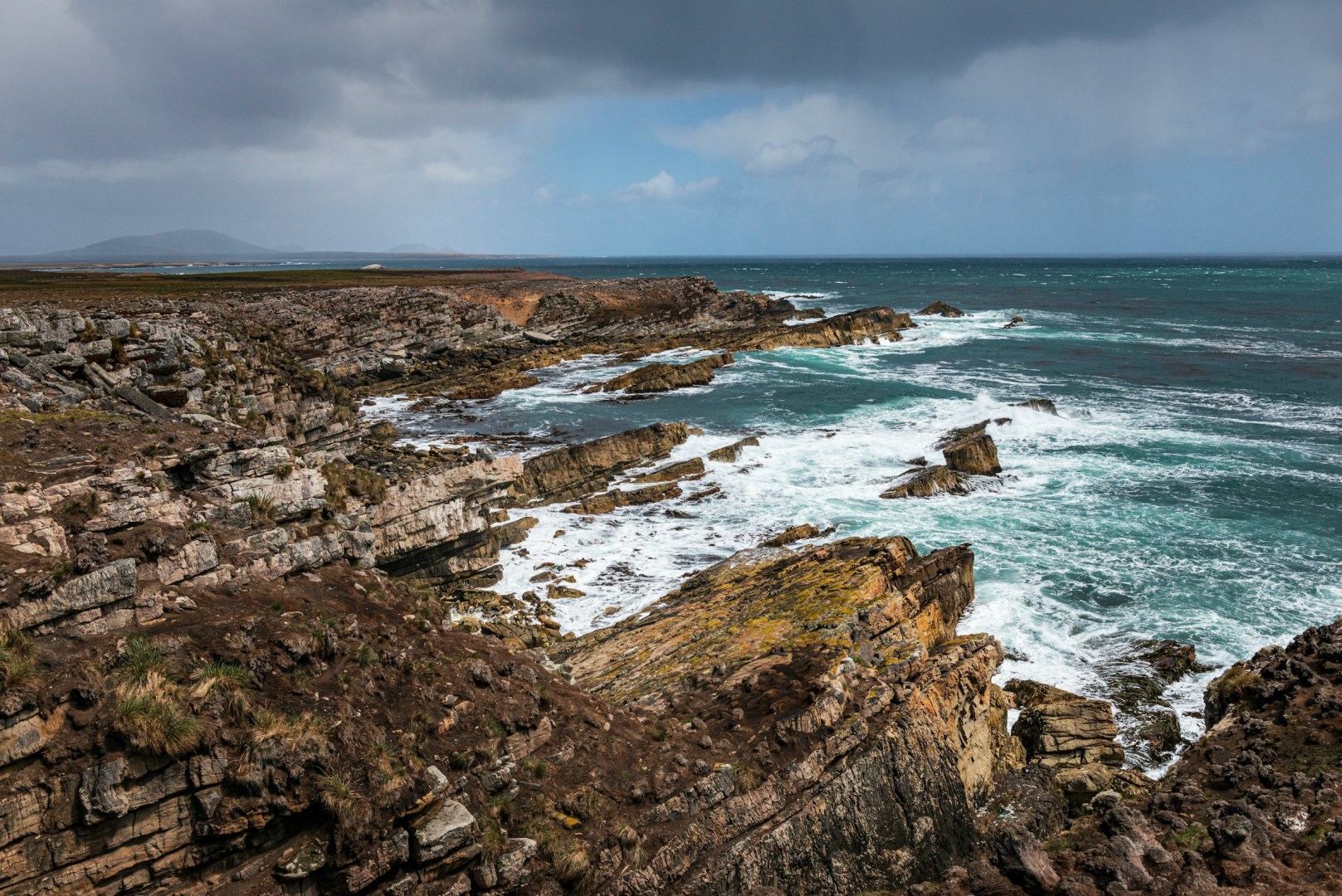
Pebble Island is one of the larger islands in the northern part of the Falkland Islands, known for its open landscapes, long beaches, rocky shores, and low hills. The island stretches across a varied terrain of grassland, peat, freshwater ponds, and coastal cliffs, with several bays providing sheltered areas for wildlife. A small settlement serves as the island’s main community, while much of the surrounding land remains open and lightly developed.

Hakodate
Hakodate sits at the southern tip of Hokkaido and combines historical charm with natural splendor.

Belém
Belém do Pará sits at the edge of the Amazon, where river and bay meet in a landscape with activity and color. The Ver-o-Peso Market spreads along Guajará Bay, welcoming early morning boats laden with fresh fish, herbs, fruits, and Amazonian goods. Recognized by UNESCO as a Creative City of Gastronomy, the local cuisine marries Indigenous, Portuguese, and African traditions to create dishes found nowhere else.
Vilshofen
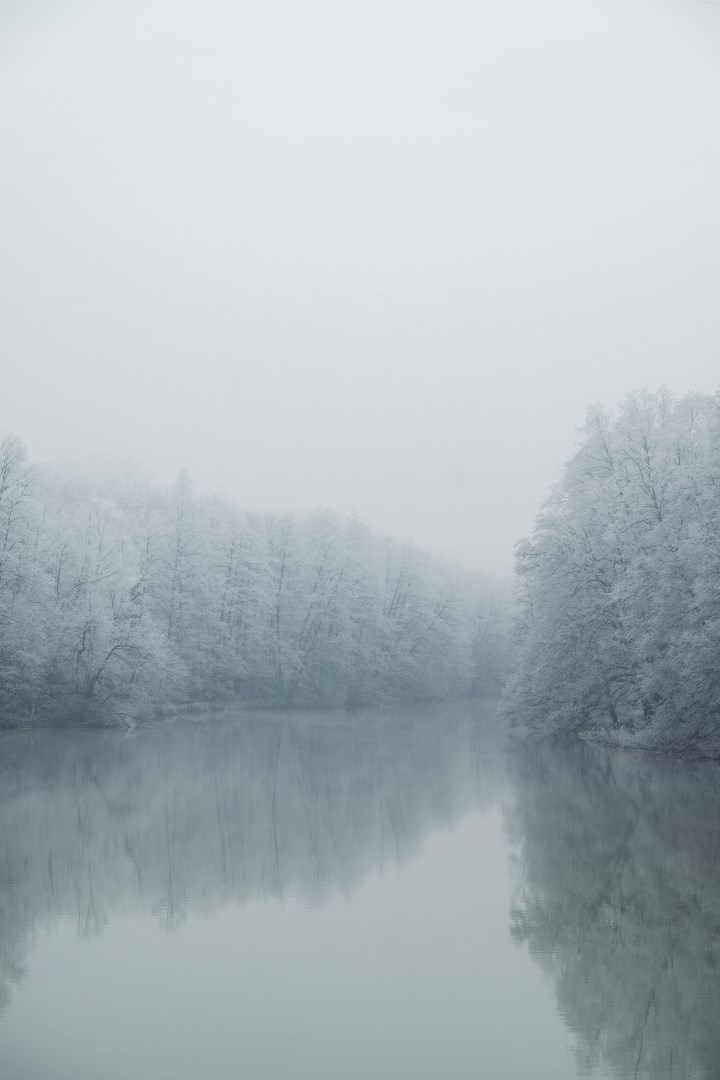
Vilshofen is a town in Lower Bavaria, Germany, located where the Vils River meets the Danube. The town is known for its riverside setting, colorful historic center, and role as a regional transportation point along the Danube corridor.
