
Chuuk
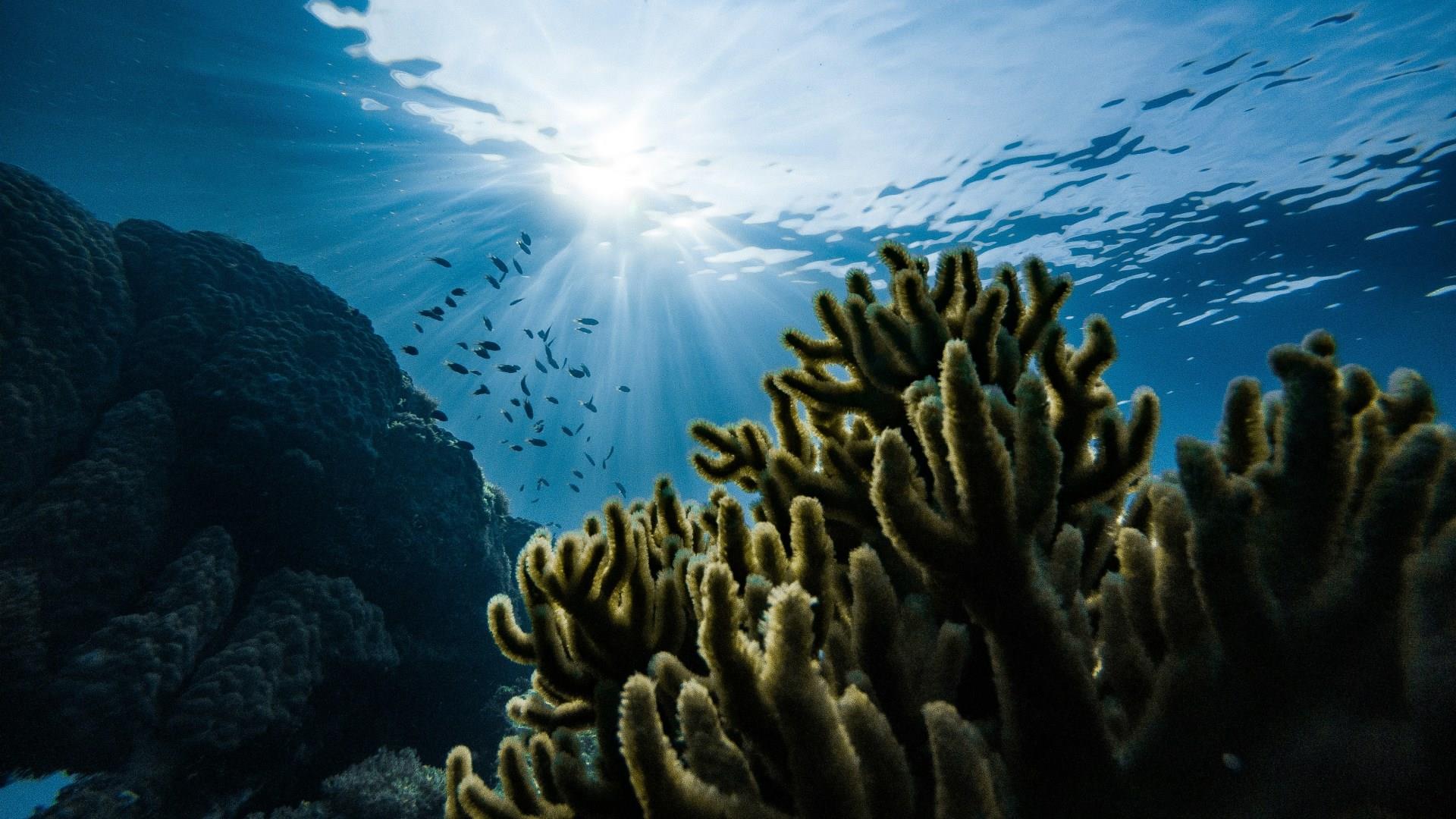
Chuuk, one of the four states of the Federated States of Micronesia, is best known for its vast lagoon which is one of the largest enclosed lagoons in the world. But what sets Chuuk apart is what lies beneath those calm blue waters: an entire underwater fleet of sunken warships, aircraft, and submarines left from World War II. Often called the "Ghost Fleet of Truk Lagoon," these wrecks make Chuuk a global destination for experienced divers.
Palawan Island
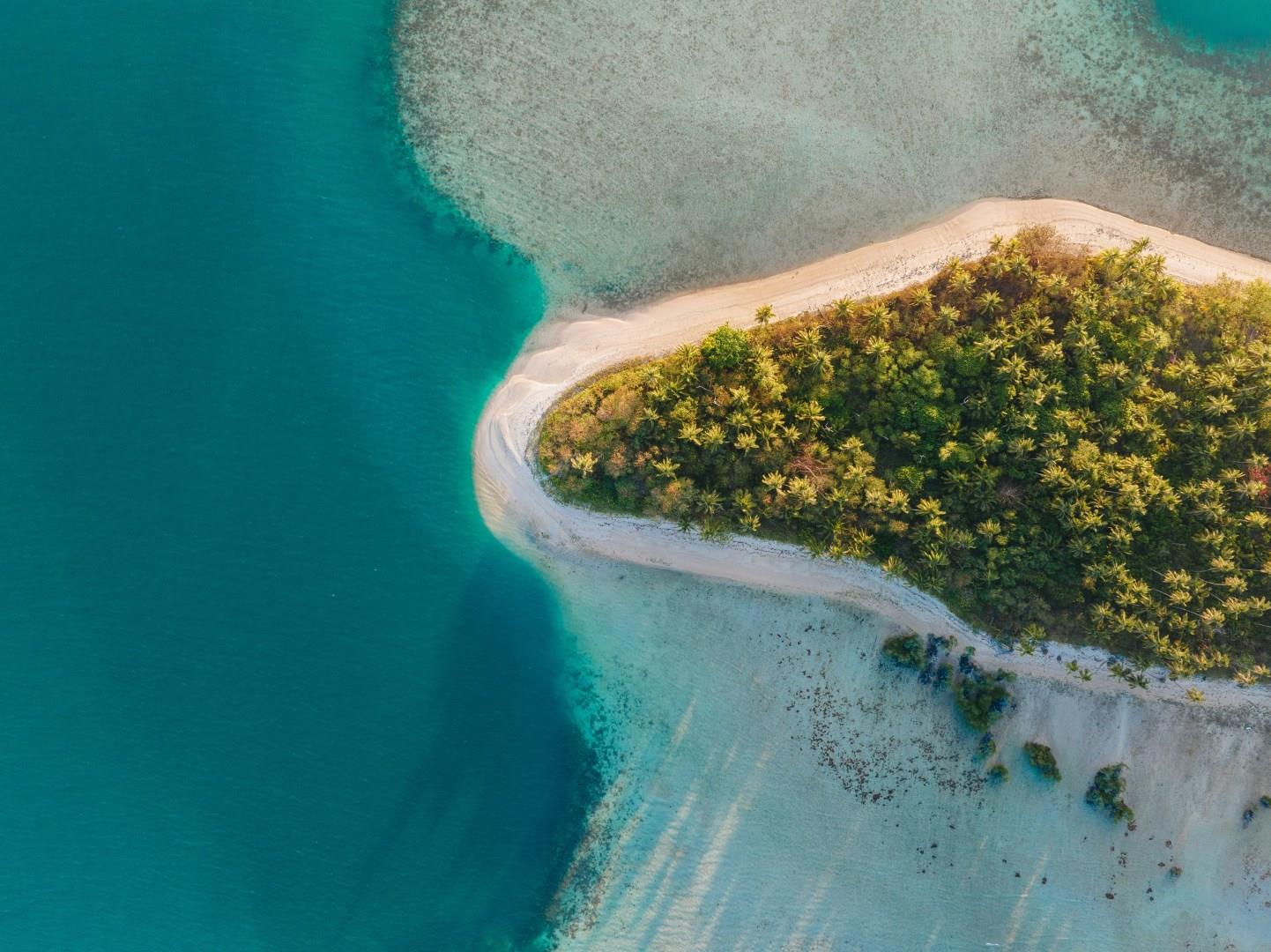
Palawan Island stretches along the western edge of the Philippines, shaped by seafaring routes, Indigenous cultures, and relative isolation from the country’s major urban centers.
Antigua
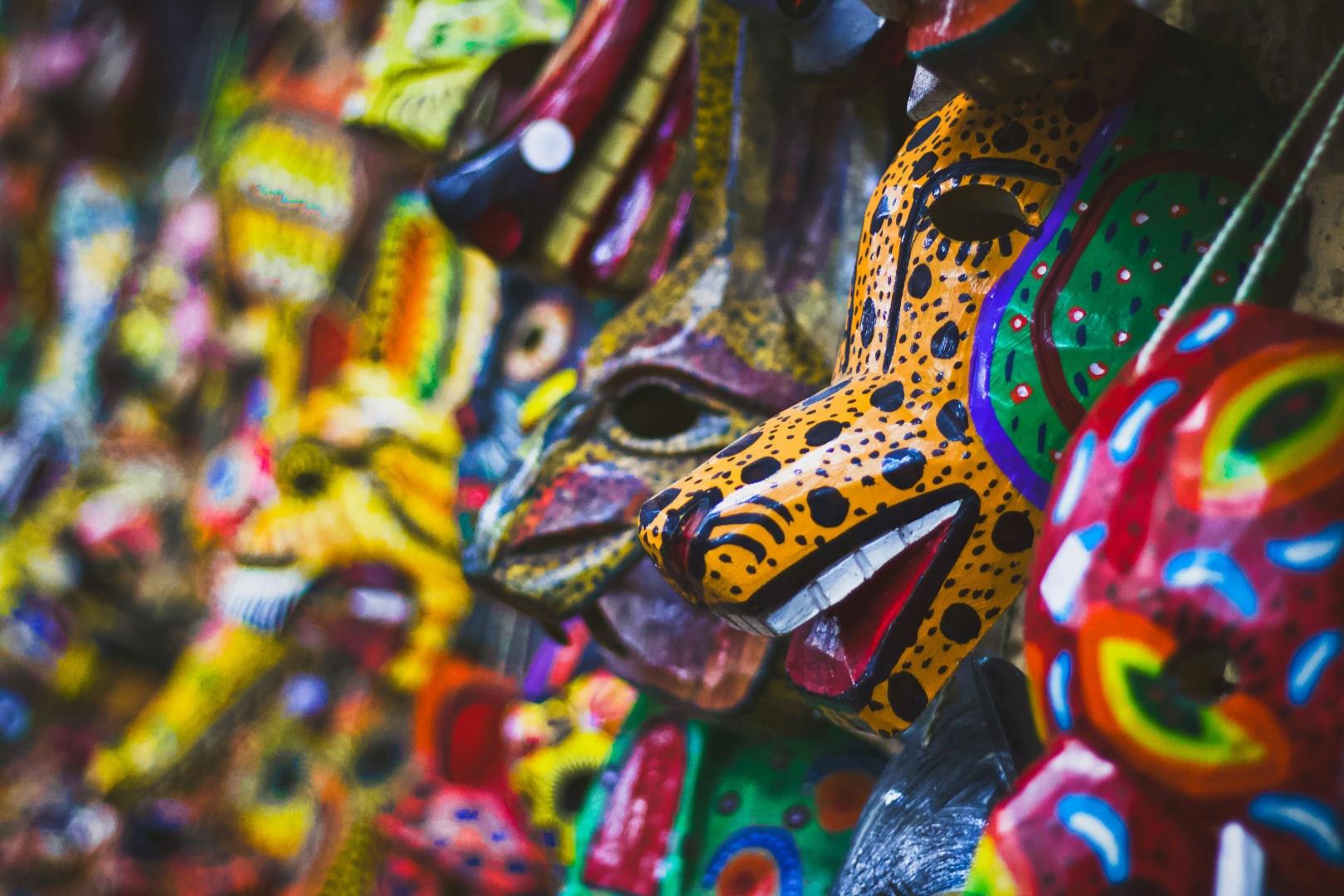
Antigua is a city shaped by centuries of artistry, tradition, and natural forces. Set in a highland valley and surrounded by volcanoes, its streets are lined with colorful buildings, hidden courtyards, and open-air plazas. The Santa Catalina Arch is one of Antigua’s most recognizable features, originally built as a passage between two sections of a convent. Today, it frames a dramatic view of Volcán de Agua and is a popular gathering spot for both locals and visitors.
Querétaro
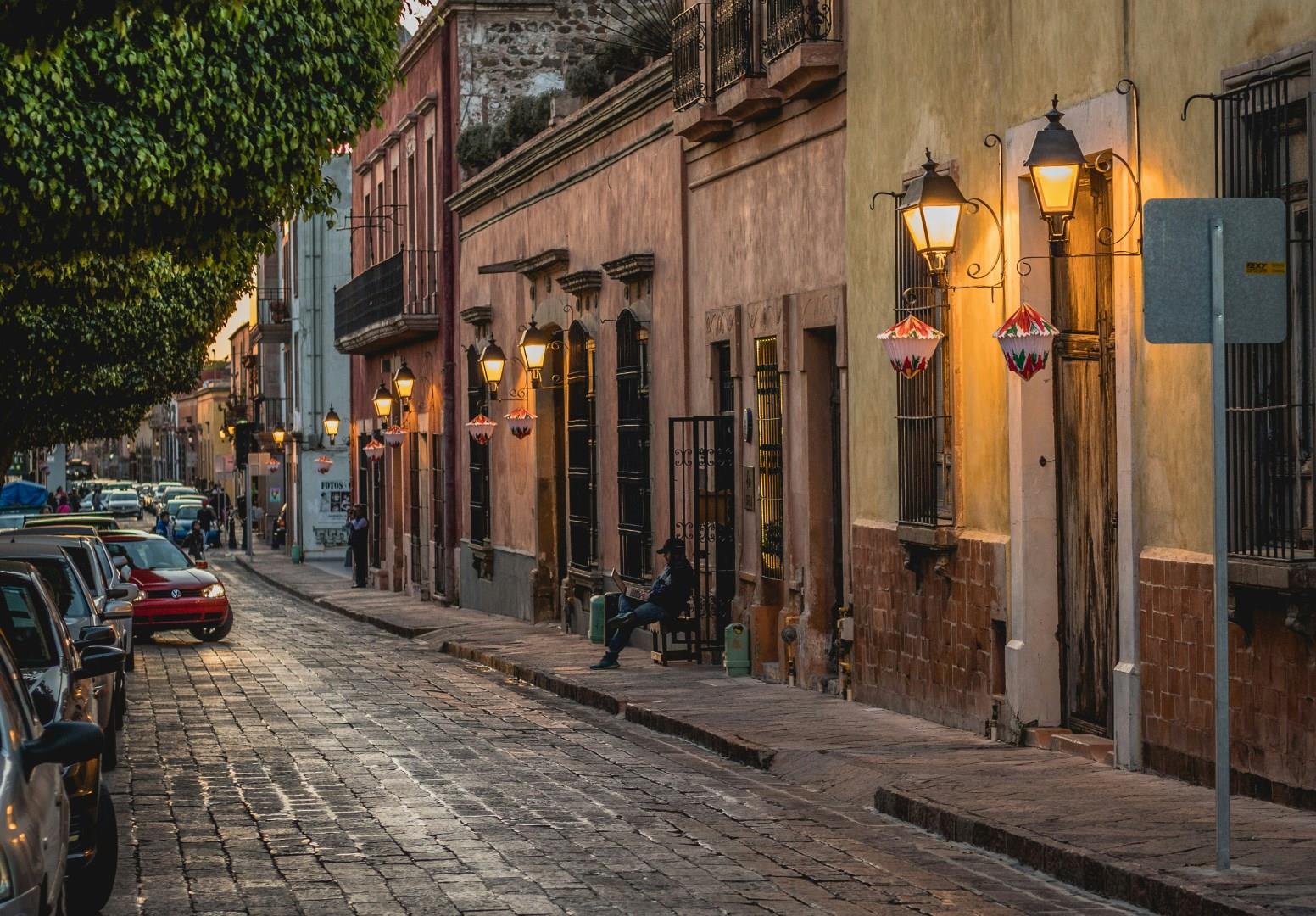
Querétaro, located in the heart of central Mexico, is a city where centuries of history are still visible in daily life. Its historic center, a UNESCO World Heritage Site, features narrow streets, elegant plazas, and baroque churches that reflect its colonial past. One of the city’s most iconic landmarks is the massive aqueduct, built in the 18th century with 74 stone arches stretching nearly a mile across the landscape.

Cape Verde
Located off the coast of West Africa, Cape Verde is an archipelago that is sure to enchant visitors with its unique blend of African and Portuguese influences. This group of ten volcanic islands boasts dramatic landscapes, from the barren, rugged mountains of Fogo Island to the lush, green hills of Santo Antão. With its stunning landscapes, lively culture, and warm hospitality, Cape Verde offers a wide range of activities for all sorts of travelers.
