

Roseau
Roseau, the lively capital of Dominica, is a city where history and nature coexist in striking harmony. Established on the site of an ancient Kalinago settlement, the town reflects its colonial past through French-inspired architecture, colorful buildings, and historic churches.
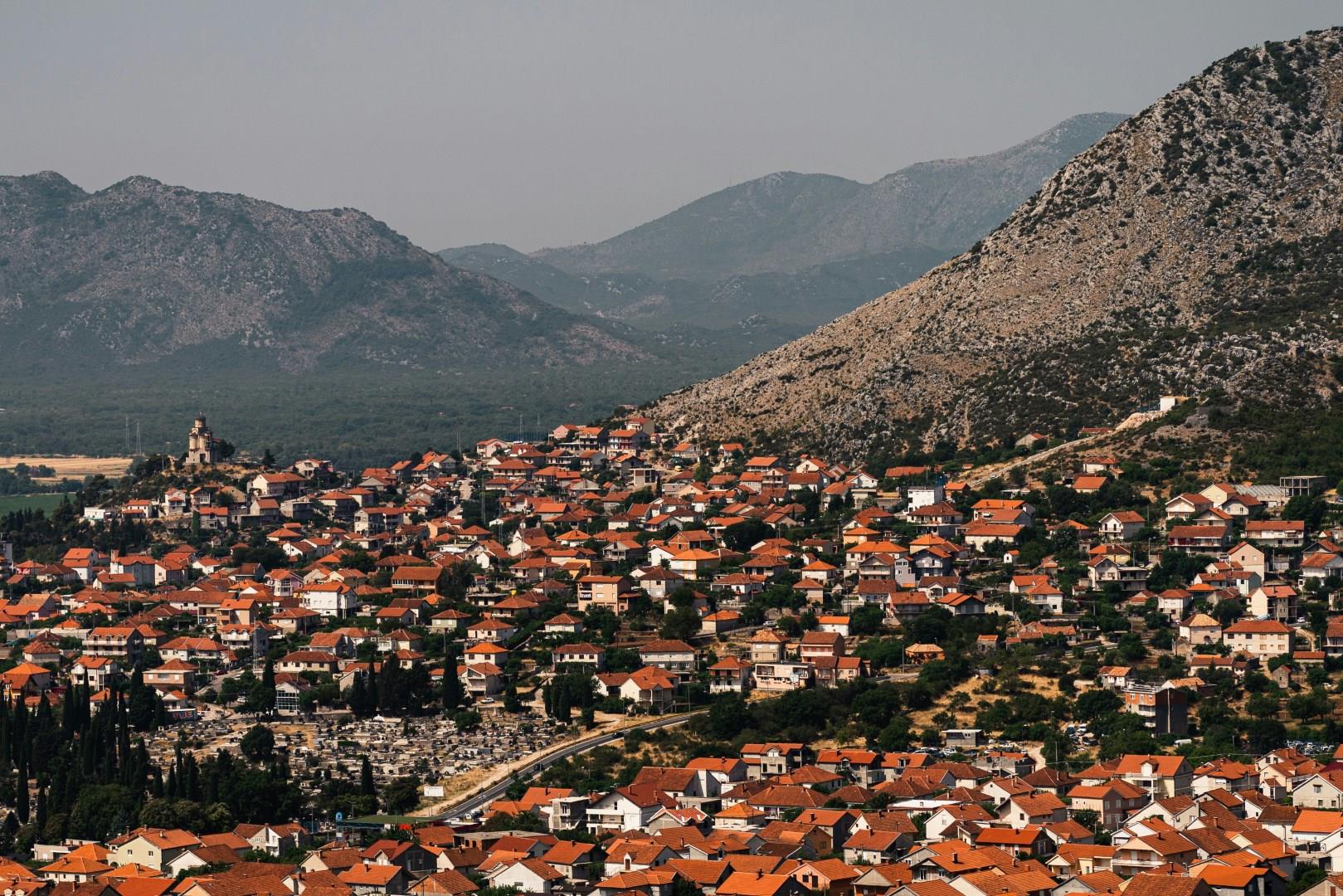
Trebinje
Trebinje, the southernmost city in Bosnia and Herzegovina, sits just a short drive from the Adriatic coast but offers a completely different rhythm. Framed by hills and set along the Trebišnjica River, the city has a history stretching back to Roman times. The river that winds through the city is one of the longest sinking rivers in the world and often disappears underground and resurfaces in various places.
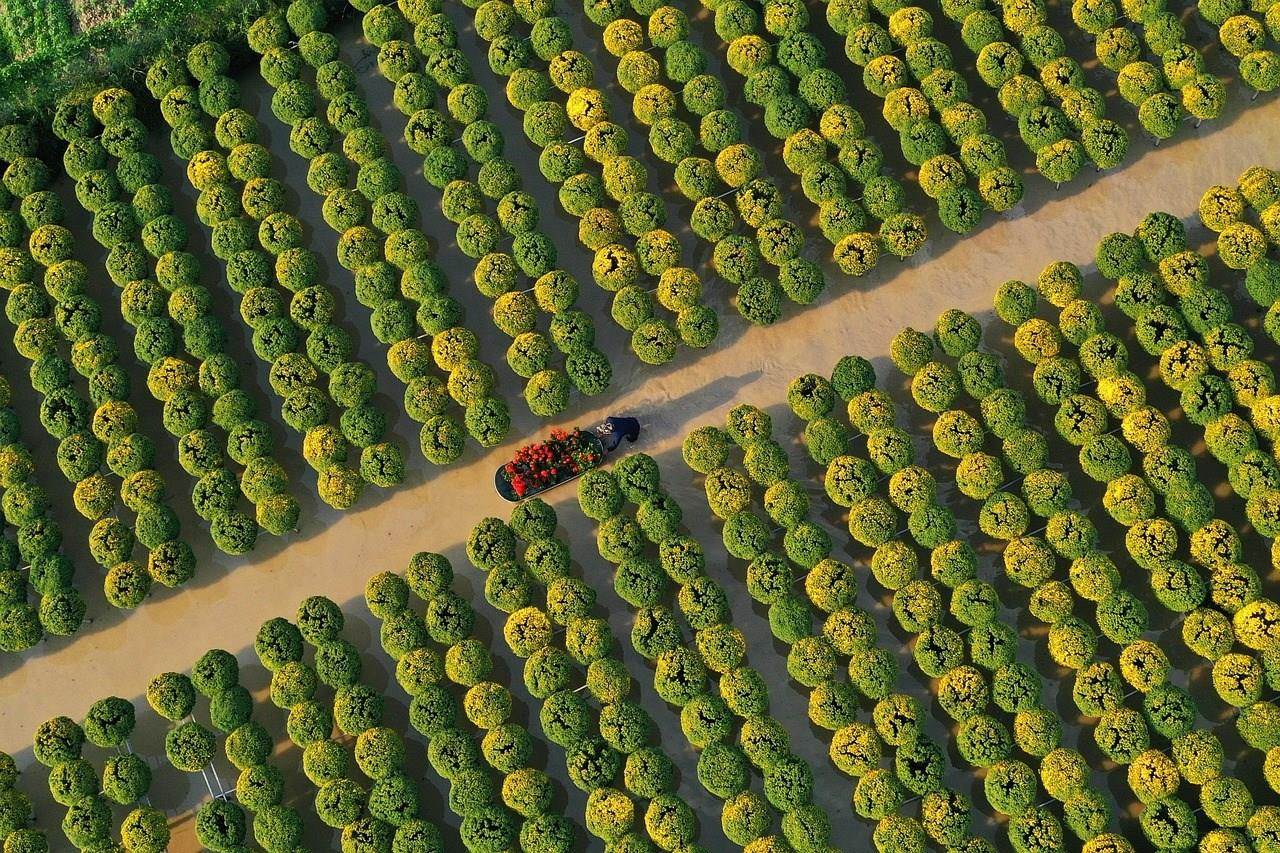
Sa Dec
A lesser-known river port in the Mekong Delta, Sa Dec was once the capital of Dong Thap province of southern Vietnam. Today, it is best known for its flower gardens and authentic bustling market. The city is also famous as the setting for French writer Marguerite Duras' 1984 novel, The Lover, and its 1991 film adaptation of the same name.
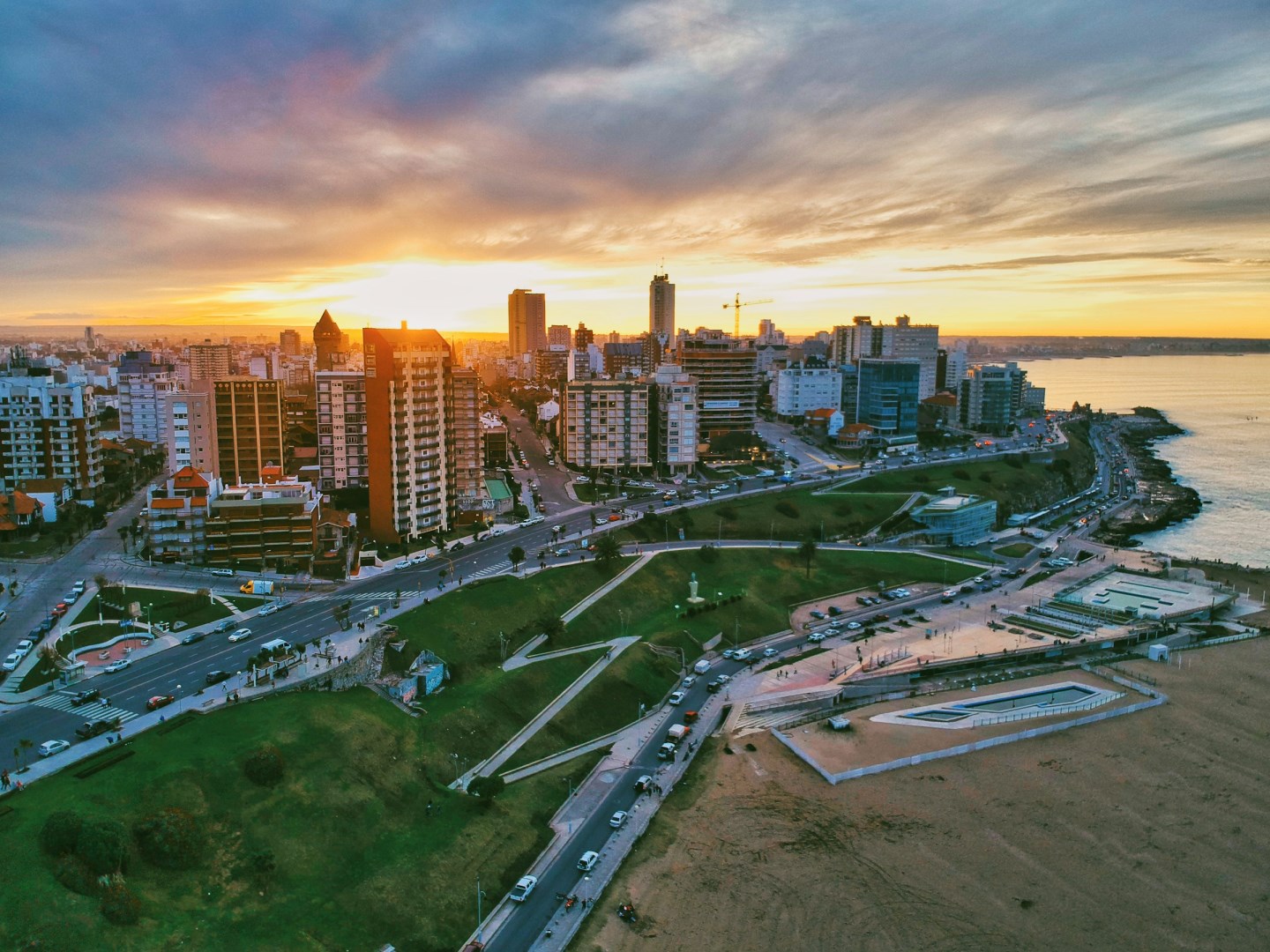
Mar Del Plata
If summer means the beach to the inhabitants of Greater Buenos Aires, Mar del Plata is most often the beach they are thinking of. Situated on the northern Atlantic coast, 400km from the capital, beaches in this area sprawl for eight km, with sophisticated mansions (reflecting the area's upper-class origins) mingling with the new middle-class resorts. Sea lions keep an eye on the fishing activities around the wharves, and a replica of the grotto of Lourdes is a kitsch paradise.
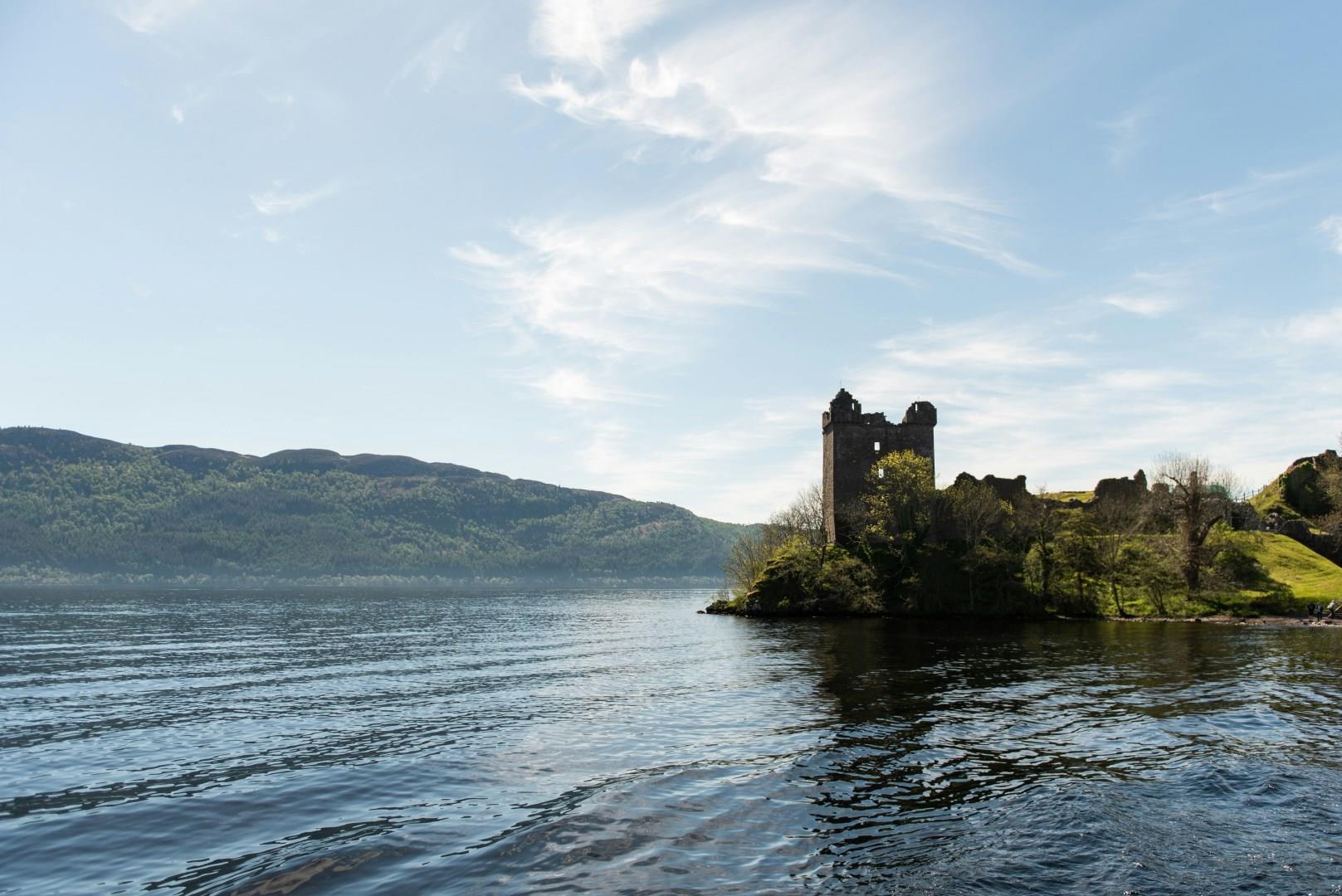
Loch Ness
Loch Ness stretches over 23 miles through the Scottish Highlands, holding more freshwater than all the lakes in England and Wales combined. Best known for its elusive resident, the so-called Loch Ness Monster, the loch has sparked international curiosity since the first modern "sighting" in 1933. While Nessie remains elusive, the surrounding landscape offers clear reasons to visit with steep hillsides, forested trails, and ancient ruins framing one of Scotland’s most iconic bodies of water.
