
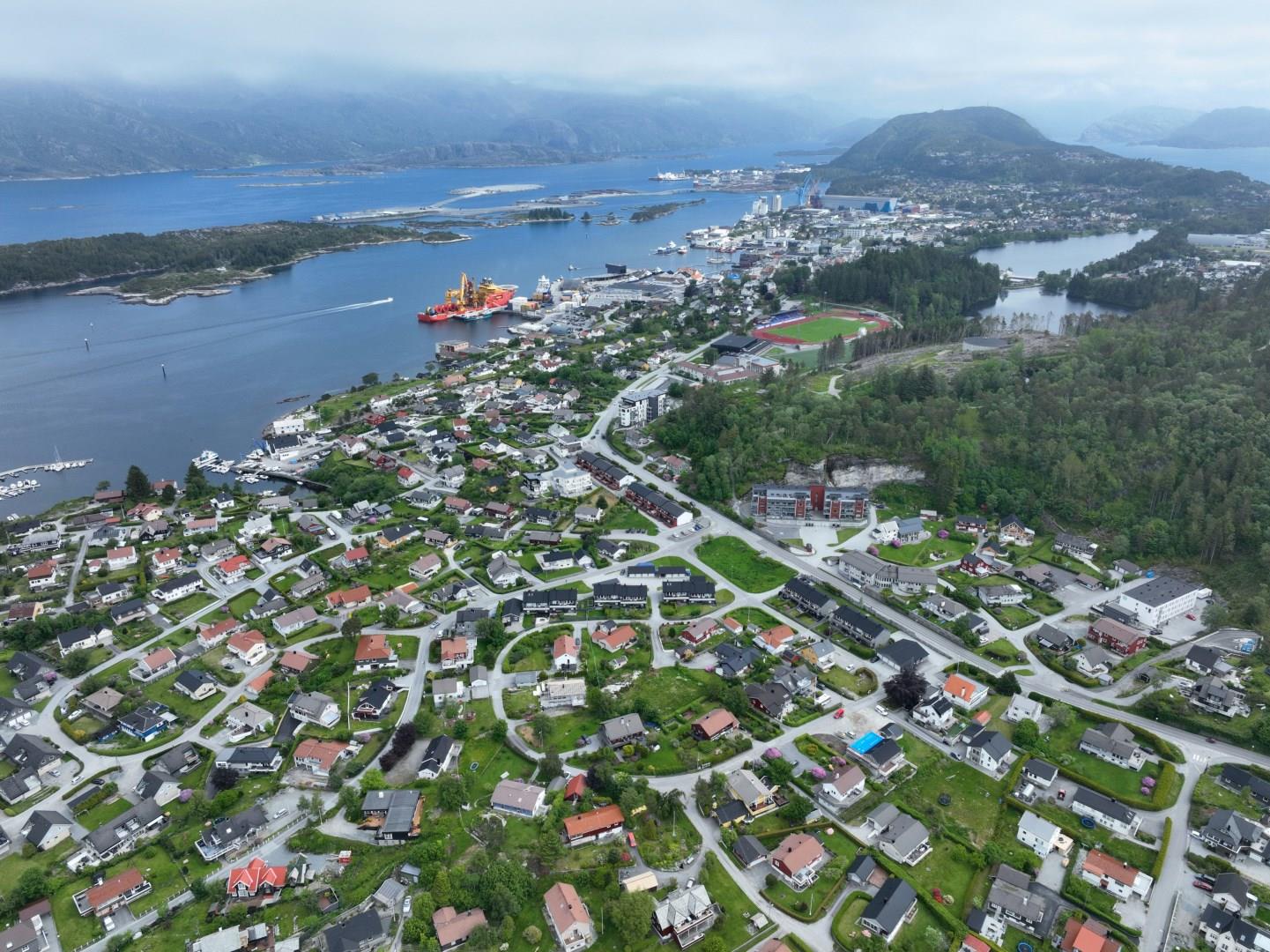
Florø
Florø, the westernmost town in Norway, sits right at the edge of the sea as a small, coastal town with deep maritime roots and front-row views of the North Atlantic. Established in 1860 as a herring fishing hub, Florø still carries the rhythm of the ocean in daily life. Though small in size, the town serves as a jumping-off point to explore the rugged coastline, scenic fjords, and a collection of islands that each have their own stories and scenery.

Reykholt
Nestled in the scenic Borgarfjörður region of Iceland, Reykholt is a quaint village steeped in historical significance and natural beauty. While it is well known as a center of learning and culture during the medieval period, Reykholt is also famed for its stunning landscapes and geothermal activity. The town's nearby hot springs, including the historic Snorralaug, a medieval bathhouse, offer a unique opportunity to soak in waters that have been enjoyed for centuries.

Nile River
The River Nile, most often associated with Egypt and its ancient civilizations, actually flows through eight other countries including Uganda, Ethiopia, Sudan, and Kenya. It is formed by two major tributaries, the White Nile and Blue Nile, and is considered by many to be the longest river in the world when measured from its source waters in Rwanda and Burundi.
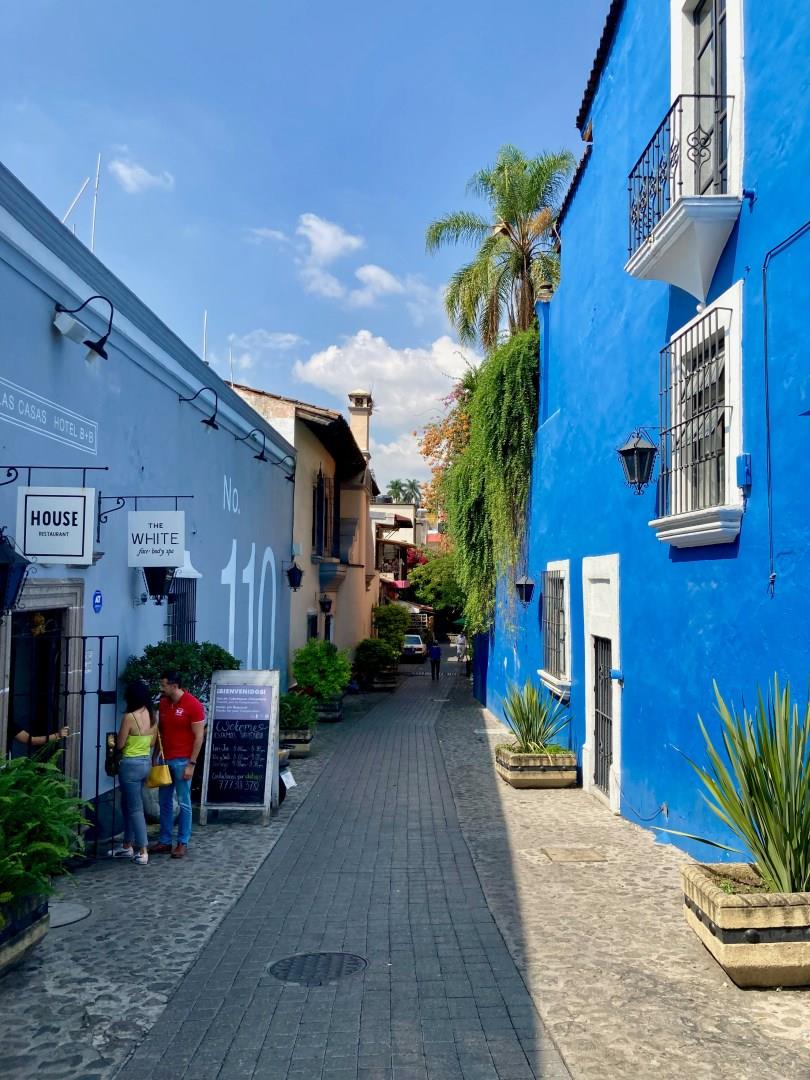
Cuernavaca
Cuernavaca, often called the “City of Eternal Spring,” has long been a retreat for those seeking warm weather and relaxing surroundings just 90 minutes from Mexico City. With a history that stretches back to the Aztec empire, the city is layered with centuries of cultural change. The historic center of Cuernavaca combines architecture from multiple eras, with narrow streets leading to quiet plazas and colonial churches.

Zadar
Set on the Adriatic Sea, Zadar, Croatia, is a major Dalmatia historical center and a tourism magnet. Walk ancient streets, see Roman ruins and enjoy white-sand beaches.
