
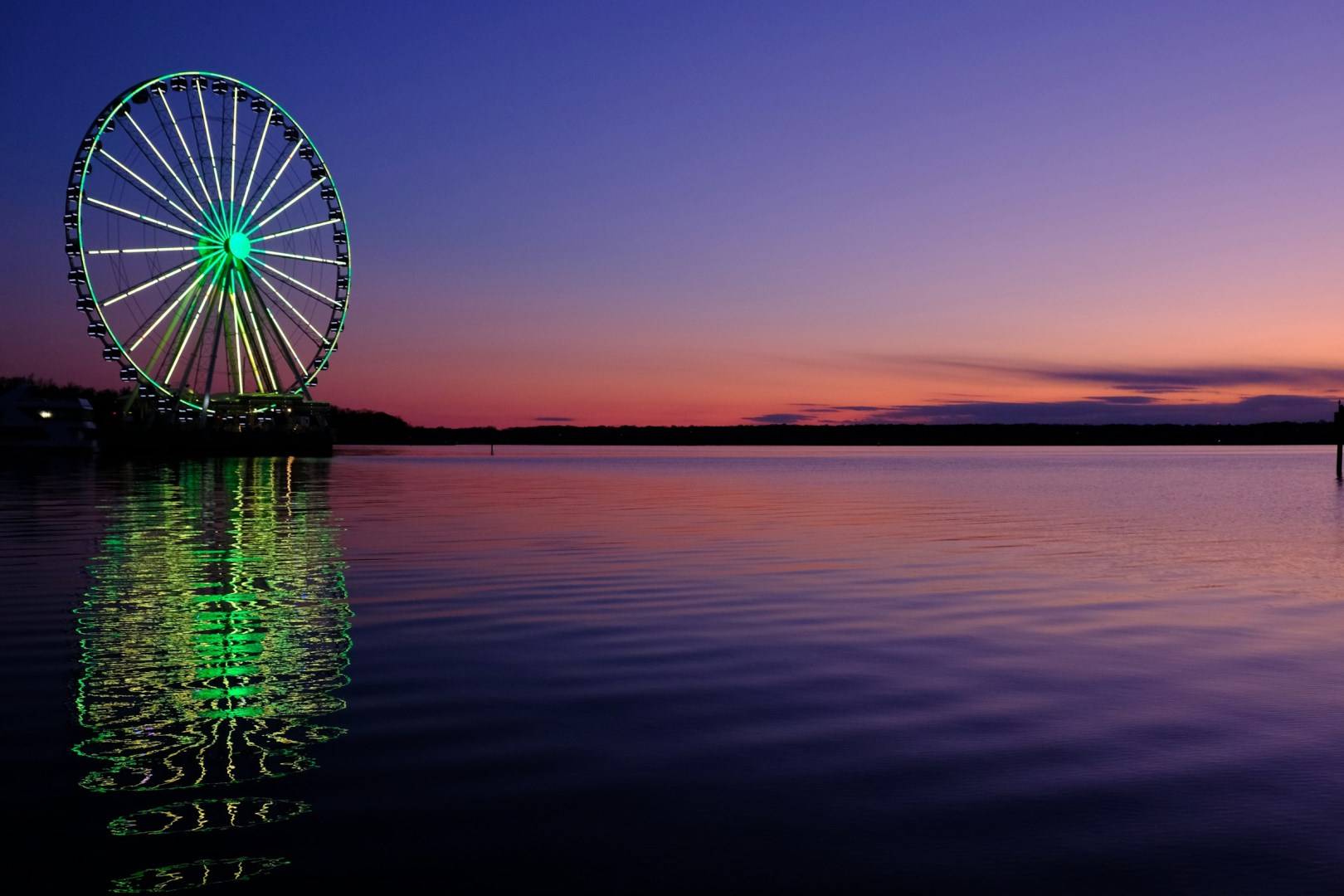
National Harbor
National Harbor is a waterfront development on the Potomac River in Prince George’s County, Maryland, just south of Washington, D.C. Built on a former industrial site, it has become a mixed-use destination with hotels, residences, restaurants, shops, offices, and public spaces arranged along the riverfront.
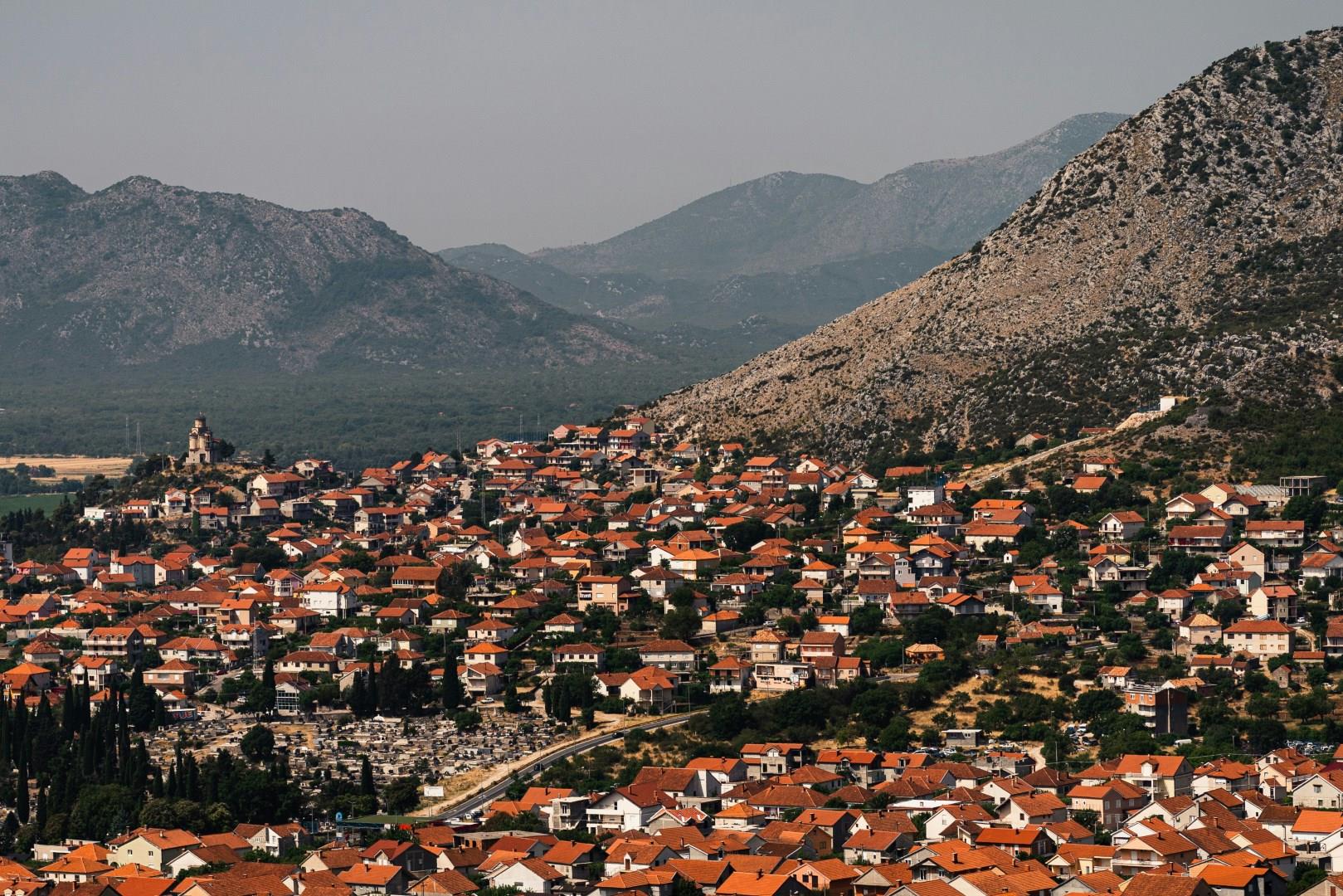
Trebinje
Trebinje, the southernmost city in Bosnia and Herzegovina, sits just a short drive from the Adriatic coast but offers a completely different rhythm. Framed by hills and set along the Trebišnjica River, the city has a history stretching back to Roman times. The river that winds through the city is one of the longest sinking rivers in the world and often disappears underground and resurfaces in various places.
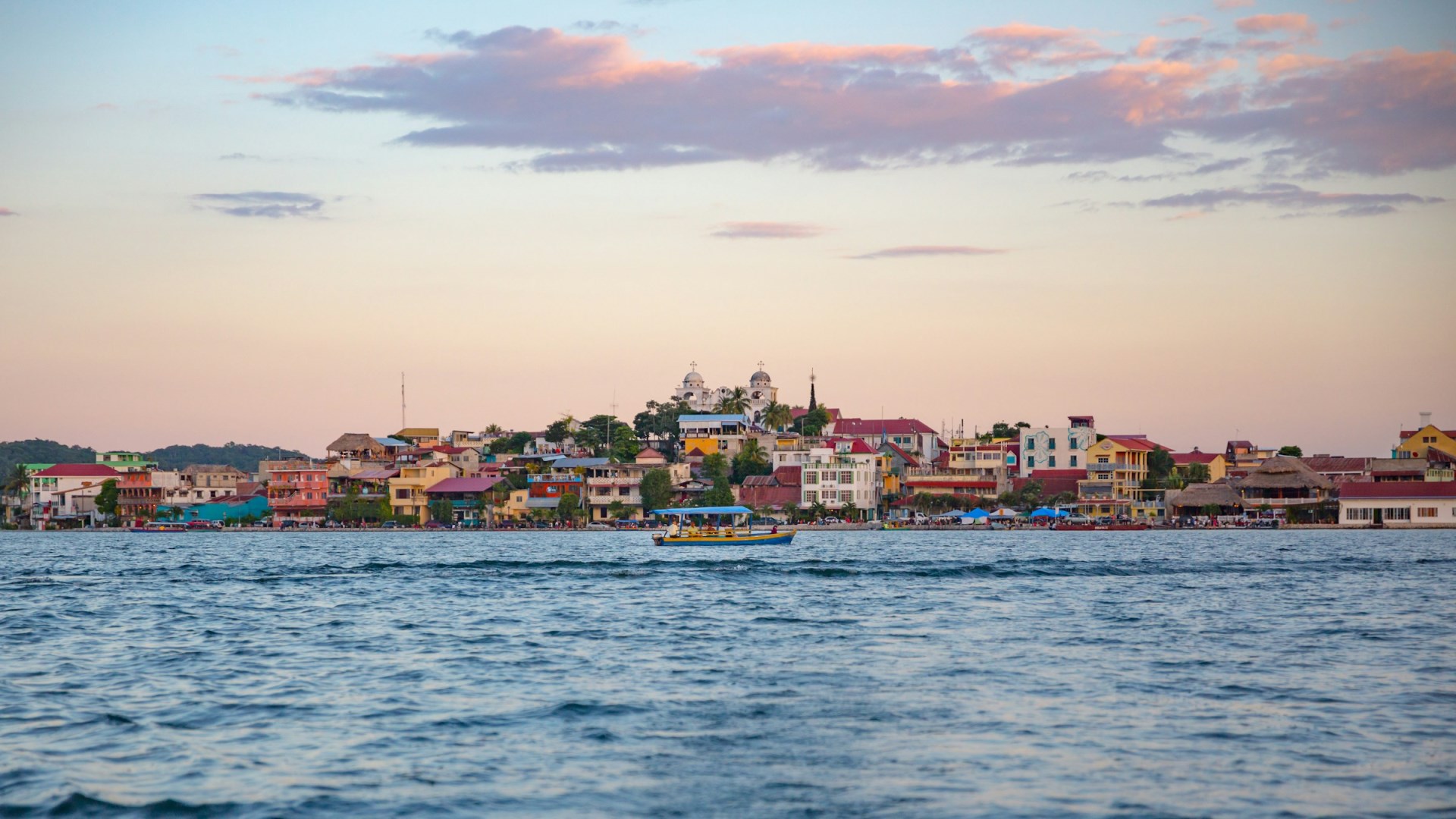
Flores
Flores is the capital of Guatemala's Petén department and occupies a small island in Lake Petén Itzá, connected to the mainland by a causeway. The compact island is known for its colorful buildings, narrow streets, waterfront promenade, and views across the lake. Flores also serves as a base for exploring the archaeological and natural attractions of northern Guatemala.

California
California is a destination that offers an unparalleled variety of experiences, making it one of the most visited states in the U.S. From the snow-capped peaks of the Sierra Nevada to the sun-kissed beaches of San Diego, California's diverse landscapes cater to all kinds of outdoor enthusiasts, offering endless opportunities for hiking, surfing, skiing, and more.

Bernkastel
Timbered homes and winemaking are some of the defining characteristics of Bernkastel-Kues.
