

Koblenz
This 2,000-year-old city, where the Teutonic Order founded one of its first commanderies in the 13th century, lies on the convergence of the Moselle and Rhine Rivers. Hop on a cable car, one of the city's most popular attractions, for stunning city-wide views, or cruise down the Rhine to spot some of Koblenz's magnificent fortresses and castles, including the Ehrenbreitstein Fortress and Schloss Stolzenfels.
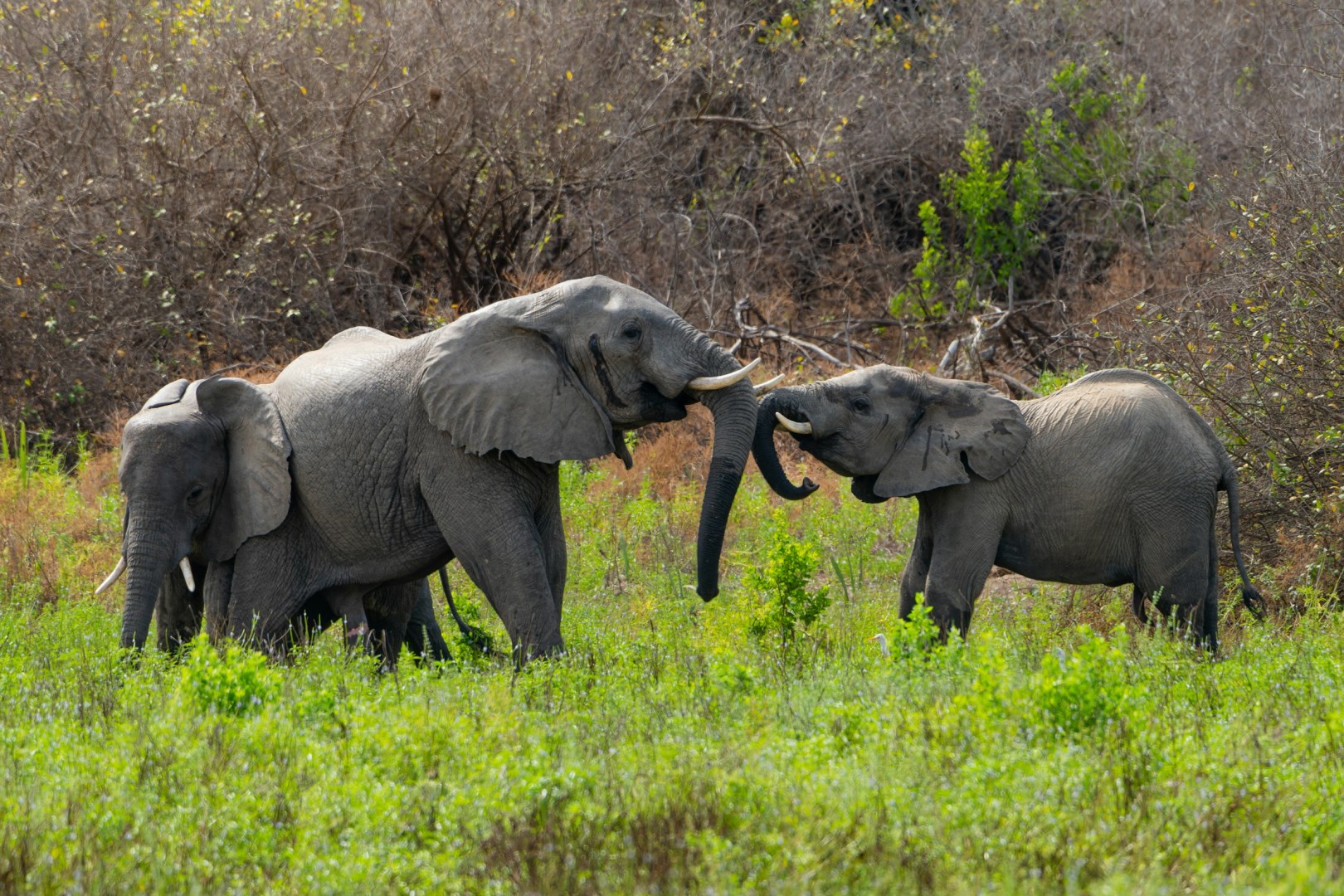
Nyerere National Park
Nyerere National Park is a vast protected area in southern Tanzania, centered on the Rufiji River and the surrounding miombo woodlands, floodplains, grasslands, and wetlands. It forms part of the wider Selous ecosystem and is one of Tanzania’s largest national parks, covering more than 30,000 square kilometres.
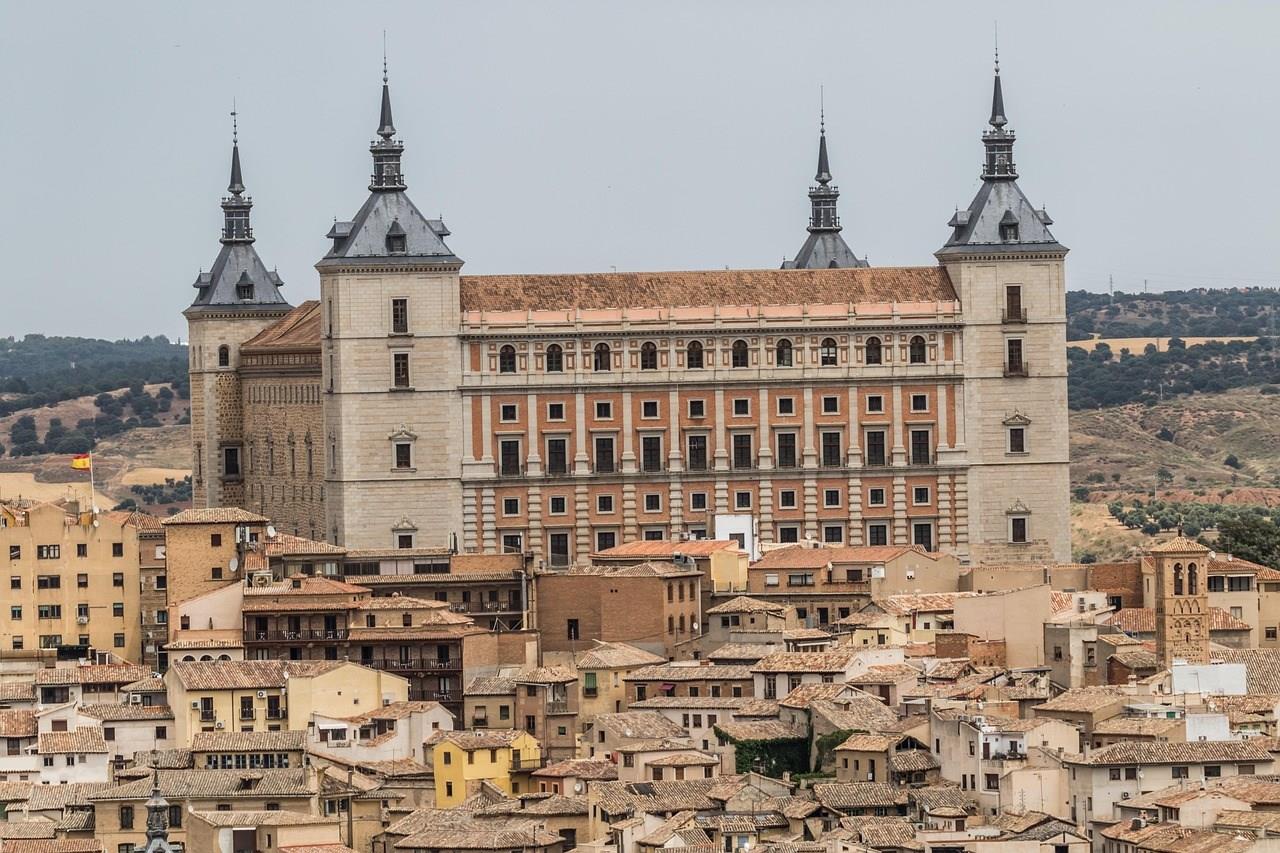
Toledo
Toledo, high above the Tagus River in central Spain, is a city where layers of history are visible around every corner. For centuries it was an important Roman settlement, a Visigothic capital, and later a stronghold during the medieval Christian reconquest, before becoming the seat of royal power and a crossroads of cultures. Because of this long span of stories and architectural richness, the whole old town has been recognized as a UNESCO World Heritage Site.

Banff
Banff, nestled in the heart of the Canadian Rockies, is one of Canada’s most celebrated mountain towns and a gateway to Banff National Park, a UNESCO World Heritage Site.
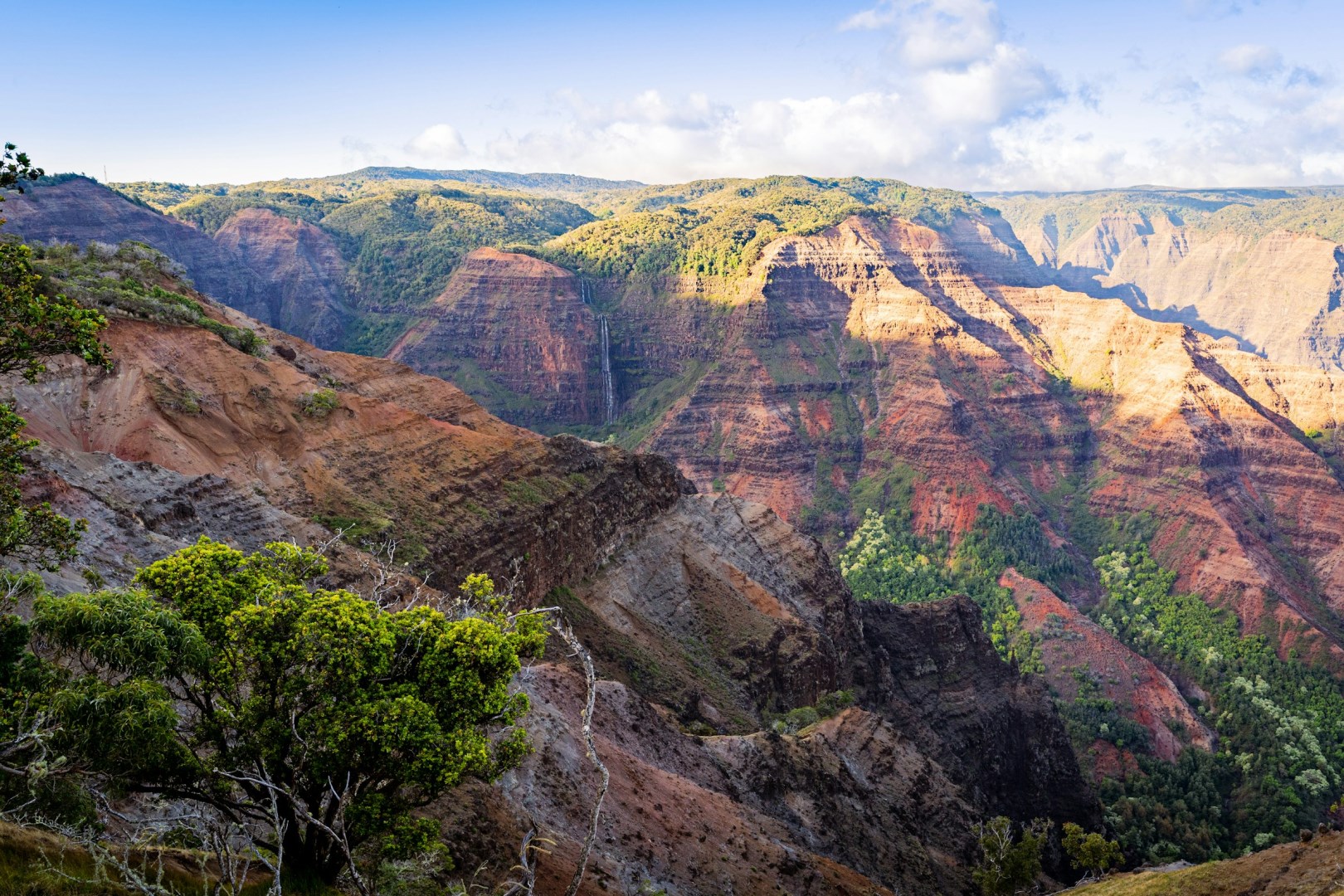
Waimea Canyon, Kauai
The Canyon valleys of the Waimea River and its tributary were once heavily populated, and the town was an early center of native government. It was here that Captain James Cook, English Navigator-Explorer, made his first landing in the Hawaiian Islands on January 20, 1778. Waimea developed as a provisioning port for whalers and sandalwood traders. A ruined Russian fort, built (1815) in a futile attempt to seize the isle, occupies a coastal bluff aboe the Waimea River. A rich sugar-plantation
