
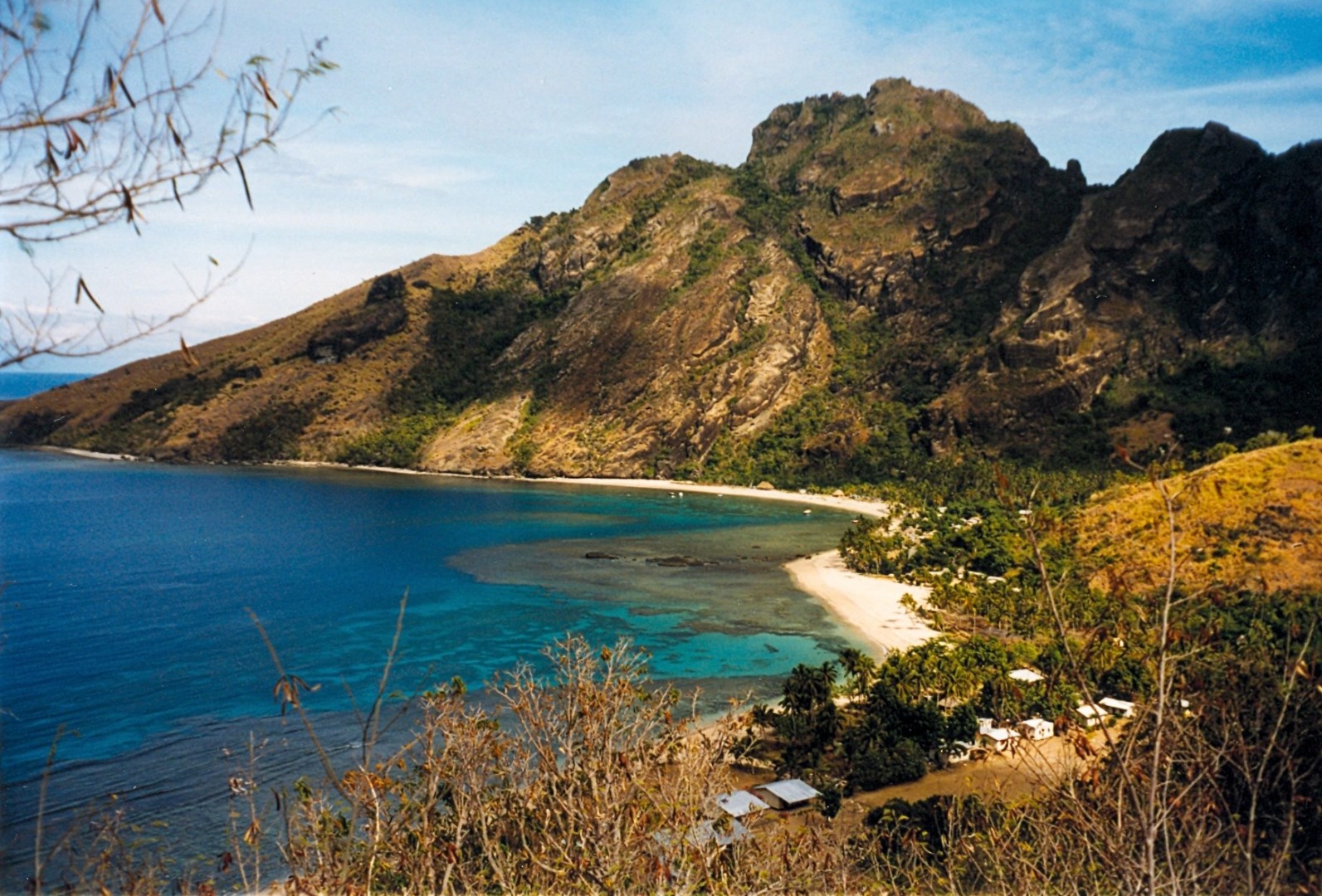
Yalobi
Discover a traditional Fijian village nestled between the clear waters of Yalobi Bay and the rugged mountain peaks of Waya Island.

Bulgaria
Bulgaria is a republic in southeastern Europe. The capital and largest city is Sofiya. Bulgarian culture has been influenced successively by Byzantine, Greek, Russian, and Western cultures.
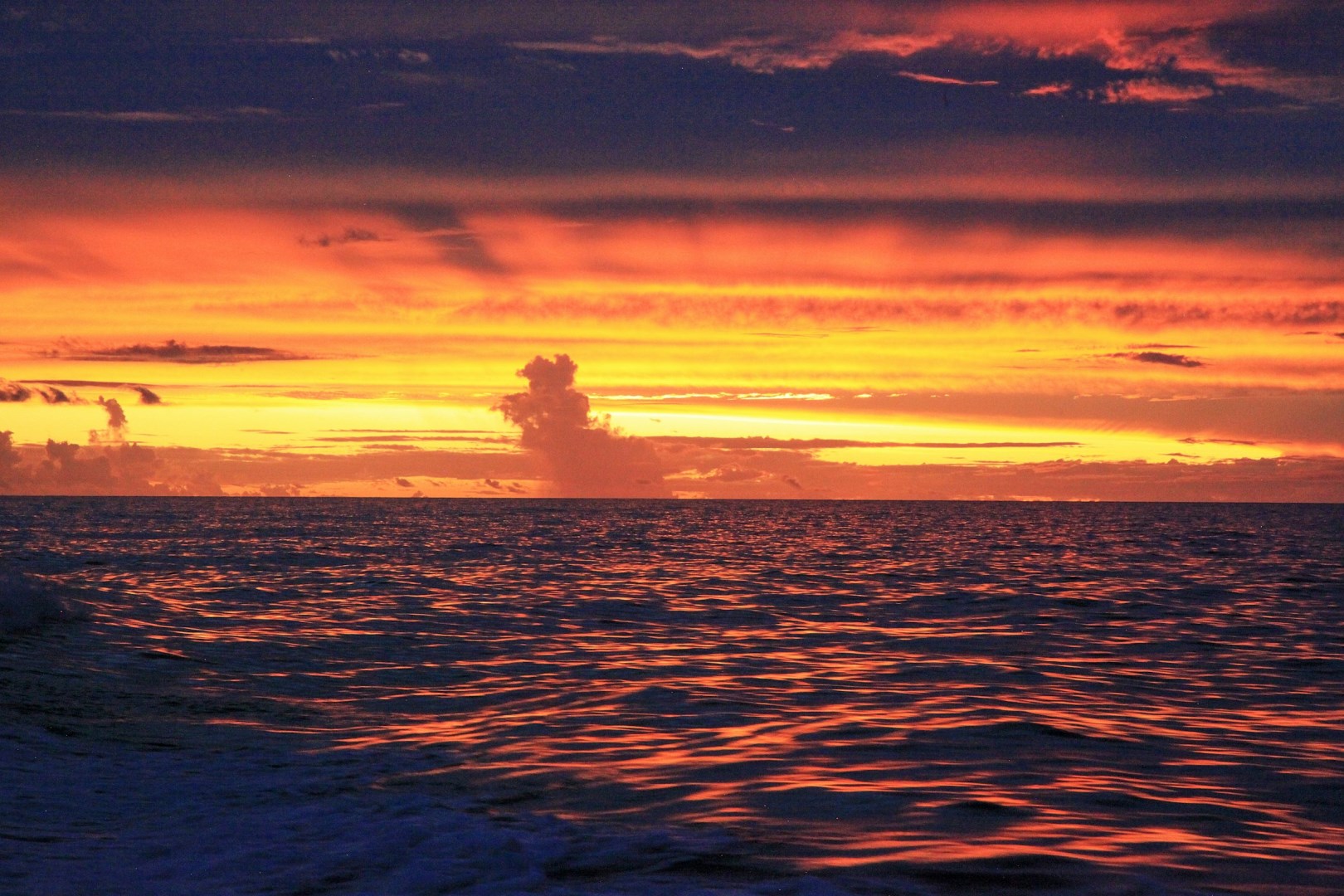
Denarau Island
Denarau Island is a small resort and residential precinct on the western coast of Viti Levu, Fiji’s largest island, connected to the Nadi area by a short causeway.
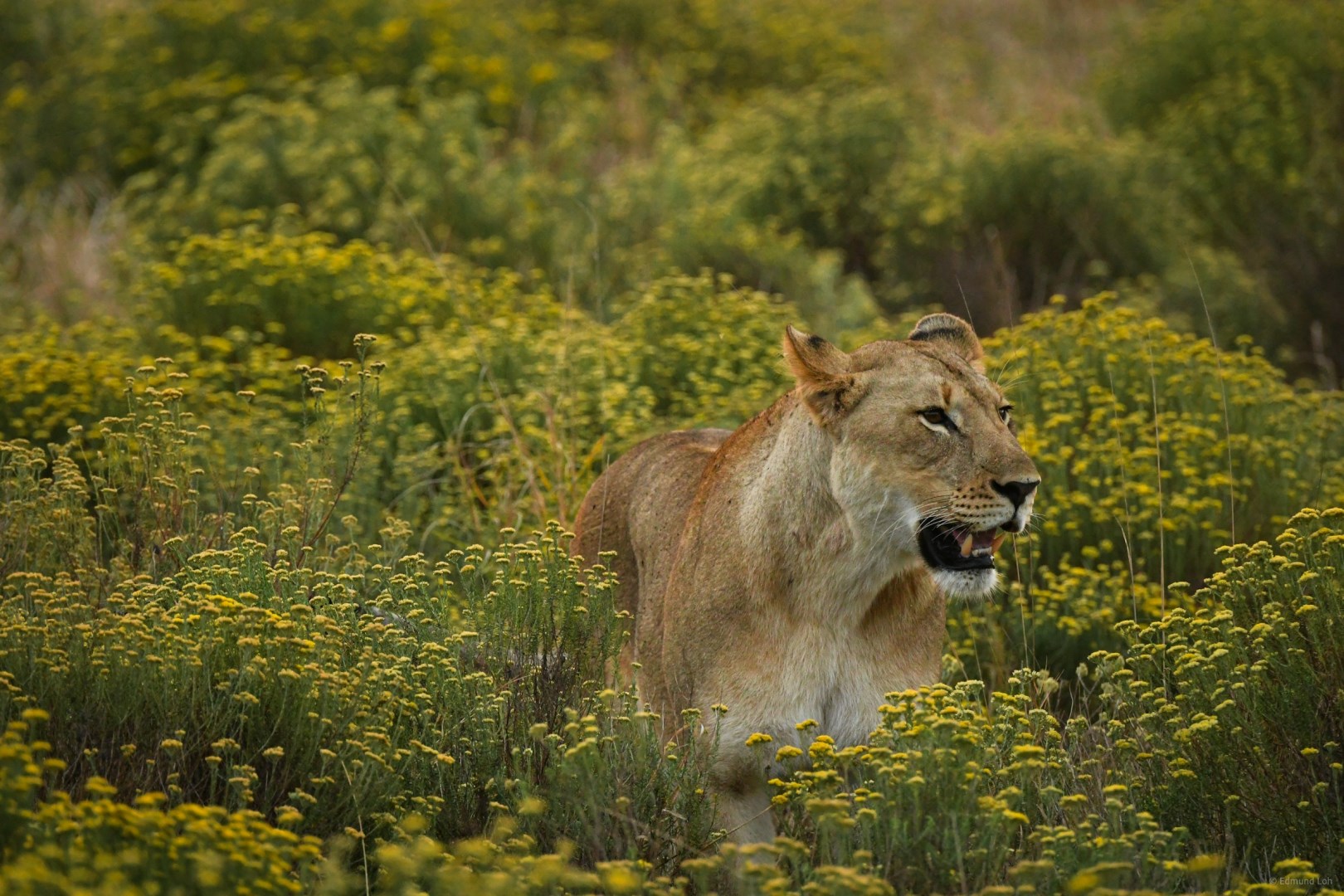
Phinda Private Game Reserve
Phinda Private Game Reserve is a protected wildlife area in northern KwaZulu-Natal, within the broader Zululand region near the Indian Ocean coast. Its landscape is unusually varied for a single reserve, combining dry sand forest, open grassland, woodland, wetlands, and low mountain ranges

Raiatea
Raiatea's laid-back atmosphere and warm hospitality make it a wonderful place to unwind and soak in the peaceful rhythms of Polynesian life.
