
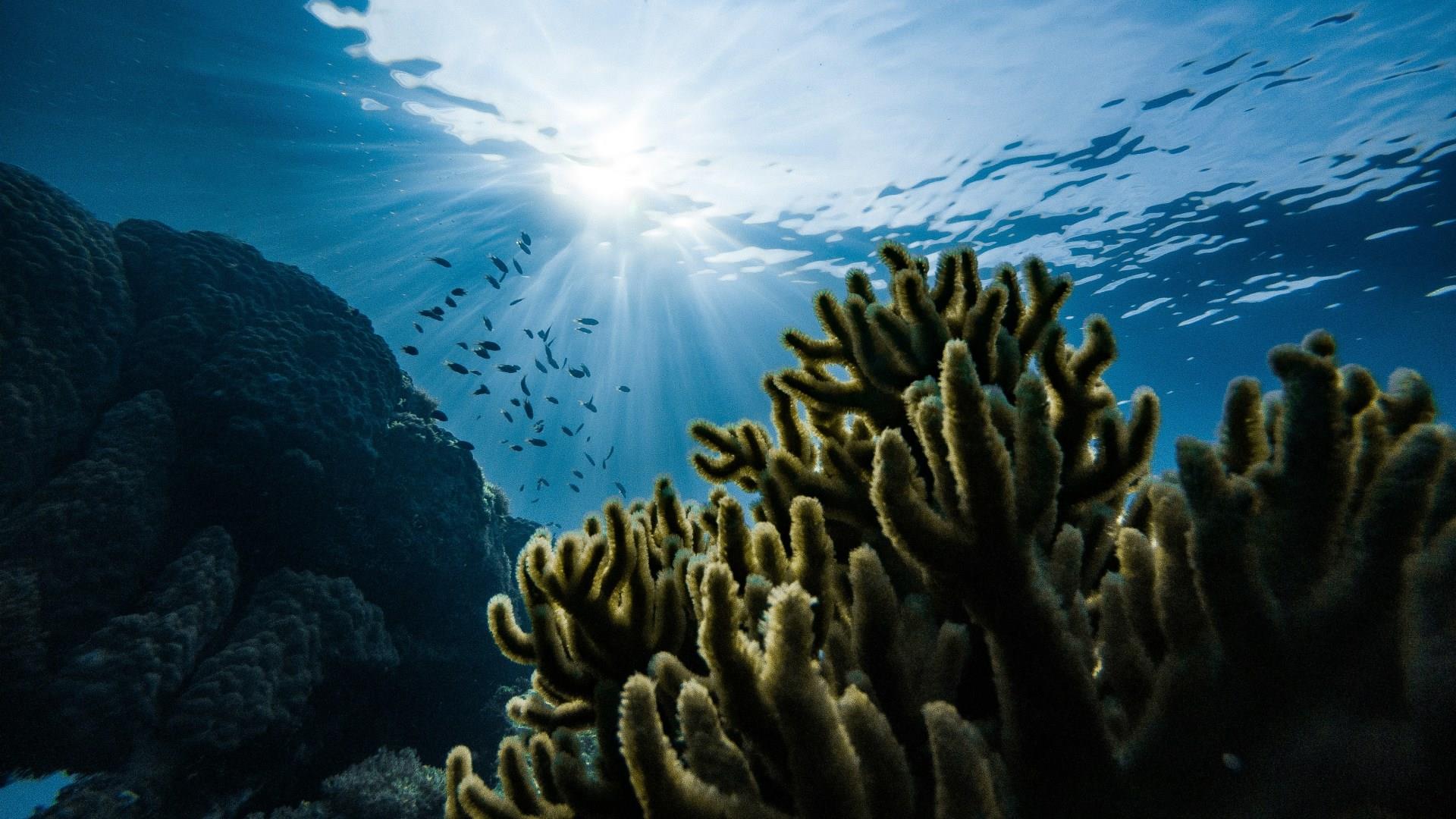
Chuuk
Chuuk, one of the four states of the Federated States of Micronesia, is best known for its vast lagoon which is one of the largest enclosed lagoons in the world. But what sets Chuuk apart is what lies beneath those calm blue waters: an entire underwater fleet of sunken warships, aircraft, and submarines left from World War II. Often called the "Ghost Fleet of Truk Lagoon," these wrecks make Chuuk a global destination for experienced divers.
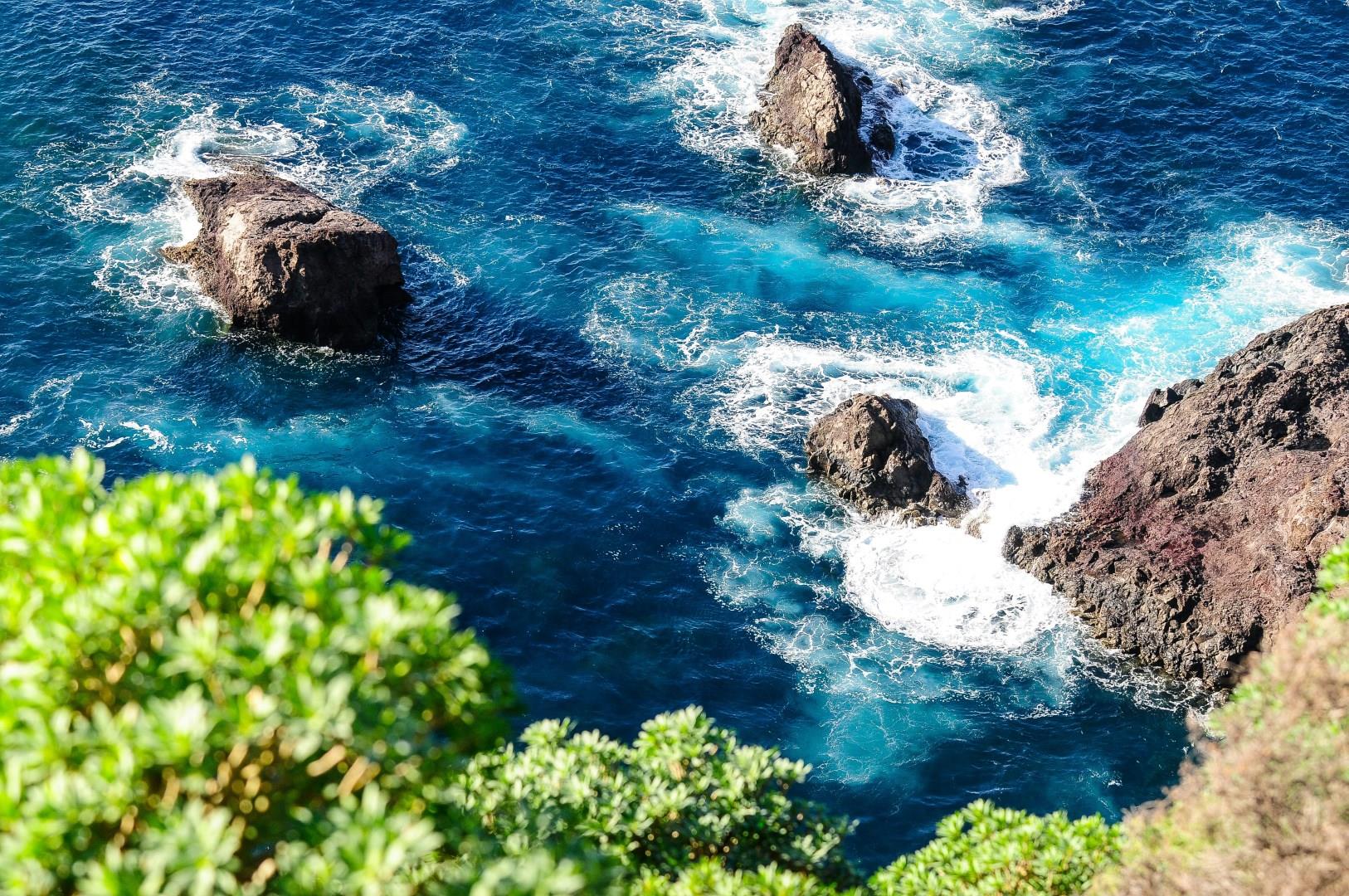
La Palma
La Palma (also San Miguel de La Palma) is the fifth of Spain's Canary Islands. This mountainous volcanic island is a natural wonder of tropical vegetation. Its coast is lined by jagged cliffs and plunging ravines, and its beaches are covered with black sand. Thanks to dry climate and the height of its mountains creating excellent observation conditions, La Palma has become the home of some of the world's largest telescopes, seated on the rocky ridge called El Roque de los Muchachos.

Namib Desert
The Namib Desert, one of the world’s oldest deserts, stretches along the western coast of Namibia, offering a landscape of stunning, otherworldly beauty. The name “Namib” means "vast place," and fittingly so, as this desert spans over 2,000 kilometers and includes some of the tallest sand dunes on Earth, such as those found in Sossusvlei.

Svalbard
This mountainous archipelago offers magnificent views of stark white glaciers and snowfields, which cover a vast stretch of the region. Arctic flora and fauna fascinate; catch a glimpse of polar bears, reindeer, arctic foxes, and walruses amongst the mossy tundra and icy coasts. In the summer, visitors will witness the rare splendor of Svalbard’s midnight sun.

Zululand
Zululand, located in South Africa's KwaZulu-Natal province, is a region steeped in history and natural beauty. Known as the heartland of the Zulu nation, Zululand offers visitors a chance to explore the rich cultural heritage of the Zulu people.
