
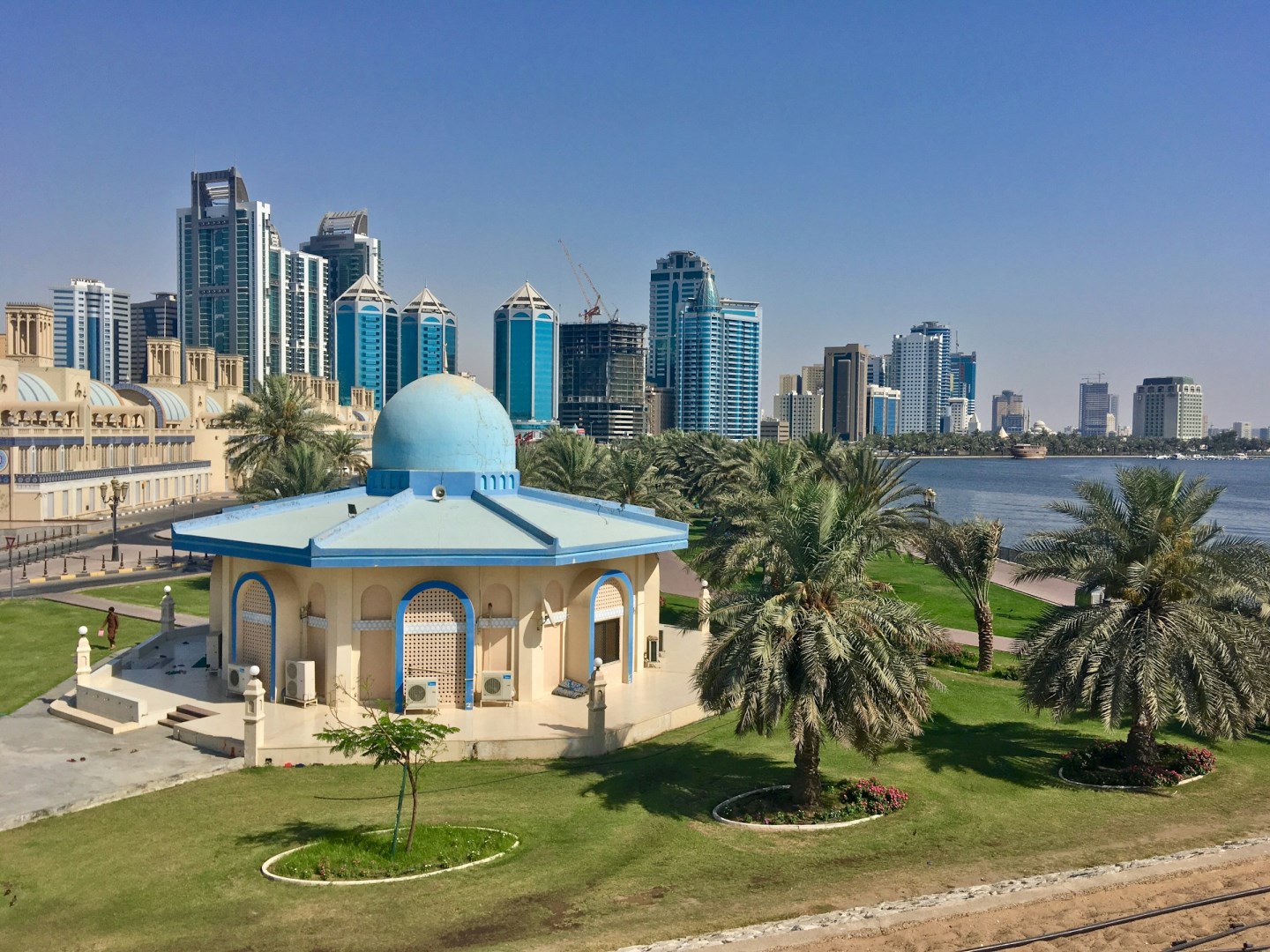
Sharjah
Visit Sharjah's many museums and learn about science, heritage, art, natural history, and archeology.

Stonehenge
Stonehenge, one of the world's most iconic prehistoric monuments, stands proudly on the Salisbury Plain in Wiltshire, England. This enigmatic stone circle, believed to have been constructed between 3000 BC and 2000 BC, has captivated archaeologists, historians, and travelers alike for centuries.
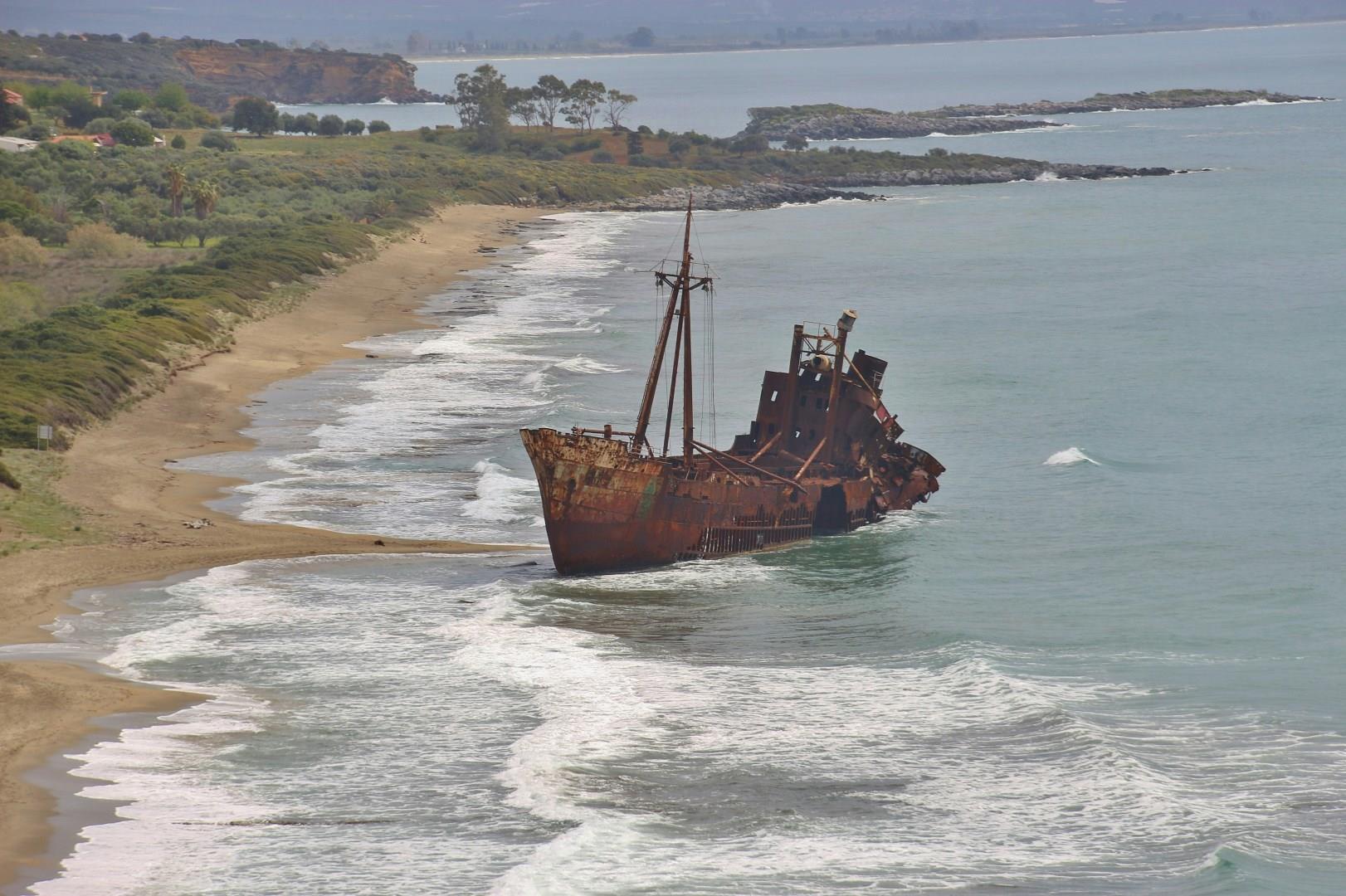
Gythion
Greece’s southern coastline is home to Gythion, a historic port town nestled in the Peloponnese region. Once the naval base of ancient Sparta, Gythion has played a key role in maritime history for centuries. Today, its harbor is lined with colorful neoclassical buildings and fishing boats, creating a picture of daily life that remains connected to its seafaring roots. Just offshore lies Cranae Island, linked to the mainland by a stone causeway.
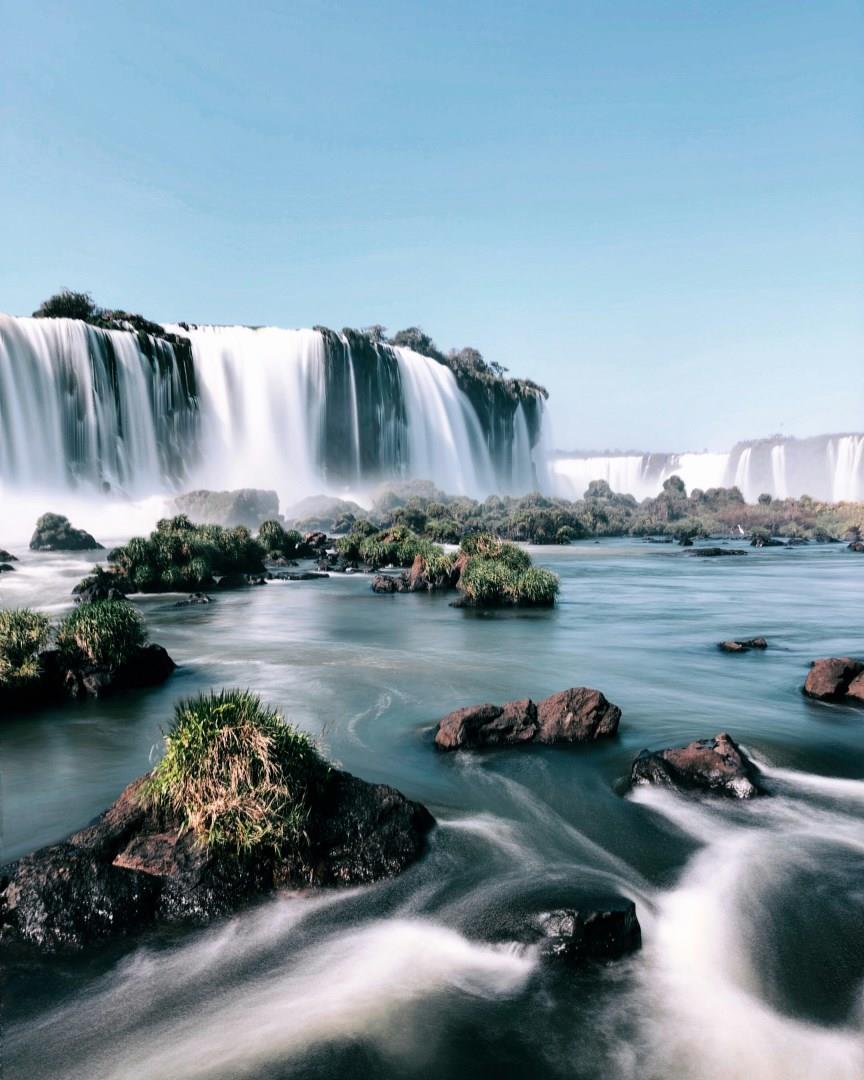
Foz do Iguaçu
Set at the meeting point of Brazil and Argentina, Foz do Iguaçu is defined by the sheer scale of the Iguaçu Falls. Nearly 275 individual waterfalls stretch across close to three kilometers, sending mist into the air and sound echoing through the surrounding forest. Visitors follow raised walkways that bring them face to face with this moving wall of water, culminating at the dramatic Devil’s Throat, a deep, curved drop where the river seems to vanish into the earth.

Le Havre
Le Havre is a captivating port city in Normandy, France where the English Channel meets the Seine River. Having evolved from a small fishing village into a bustling maritime hub, it is a blend of rich history, modern architecture, and stunning natural beauty. The city's historic roots are especially evident in landmarks such as the Graville Abbey, one of the oldest monuments in the area, and the impressive St. Joseph's Church, a modern architectural marvel designed by Auguste Perret.
