

Norway
Norway offers a landscape shaped by glaciers, framed by fjords, and steeped in Viking history. The country's coastline stretches for over 100,000 kilometers if you count every inlet and island, which makes it one of the longest in the world. Travelers can take a ferry through the Geirangerfjord or cruise along the Lofoten Islands, where steep mountain peaks rise dramatically from the sea. These routes aren’t just scenic; they’ve been lifelines for coastal communities for centuries.
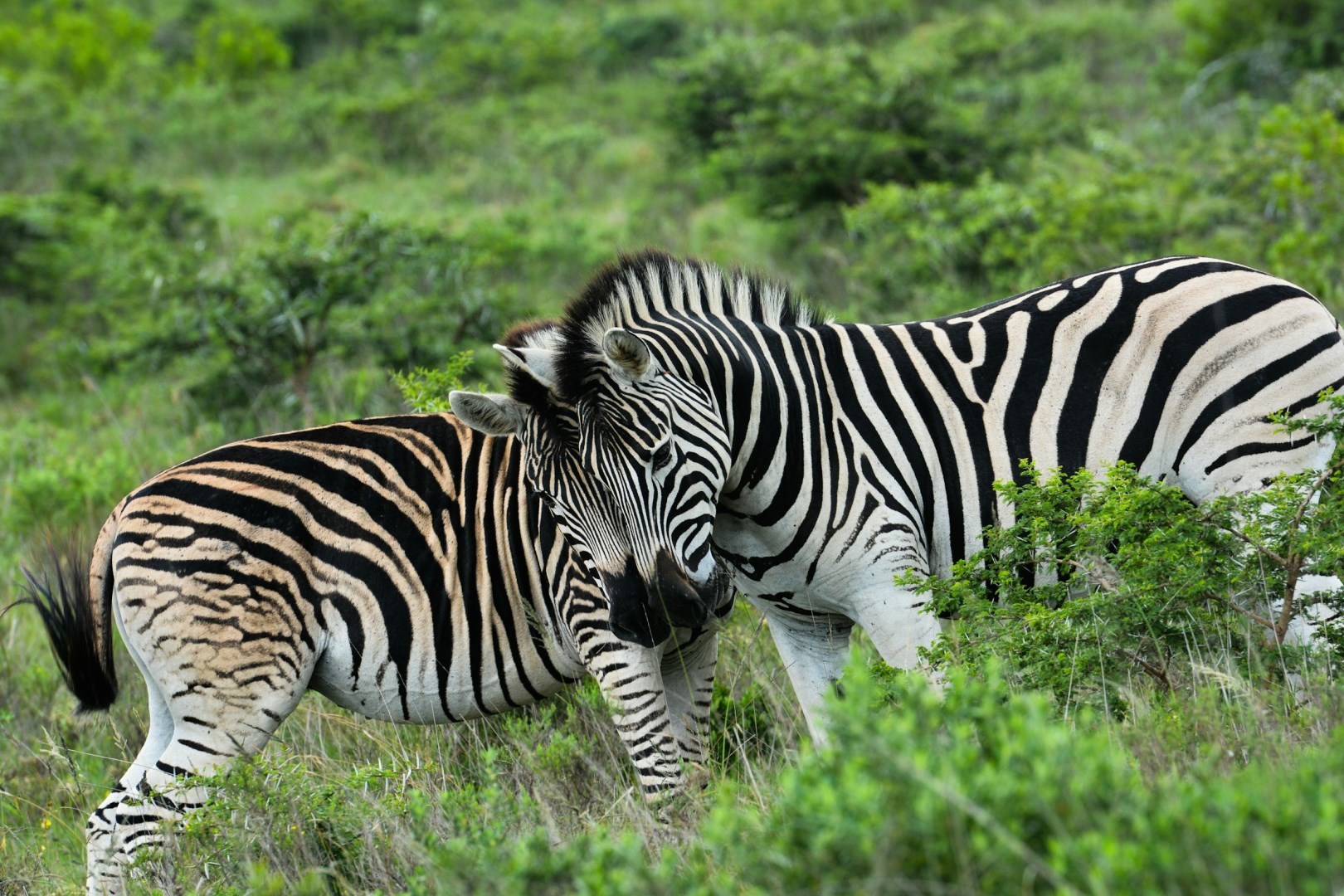
Timbavati Private Nature Reserve
Timbavati Private Nature Reserve lies in South Africa’s northeastern Lowveld, directly alongside Kruger National Park. Covering about 556 square kilometres, it forms part of the larger Greater Kruger landscape, where fences between participating reserves and Kruger have been removed to allow wildlife to move freely. The reserve contains a mixture of savanna, woodland, seasonal rivers, and rocky areas shaped by ancient granite and gneiss formations.
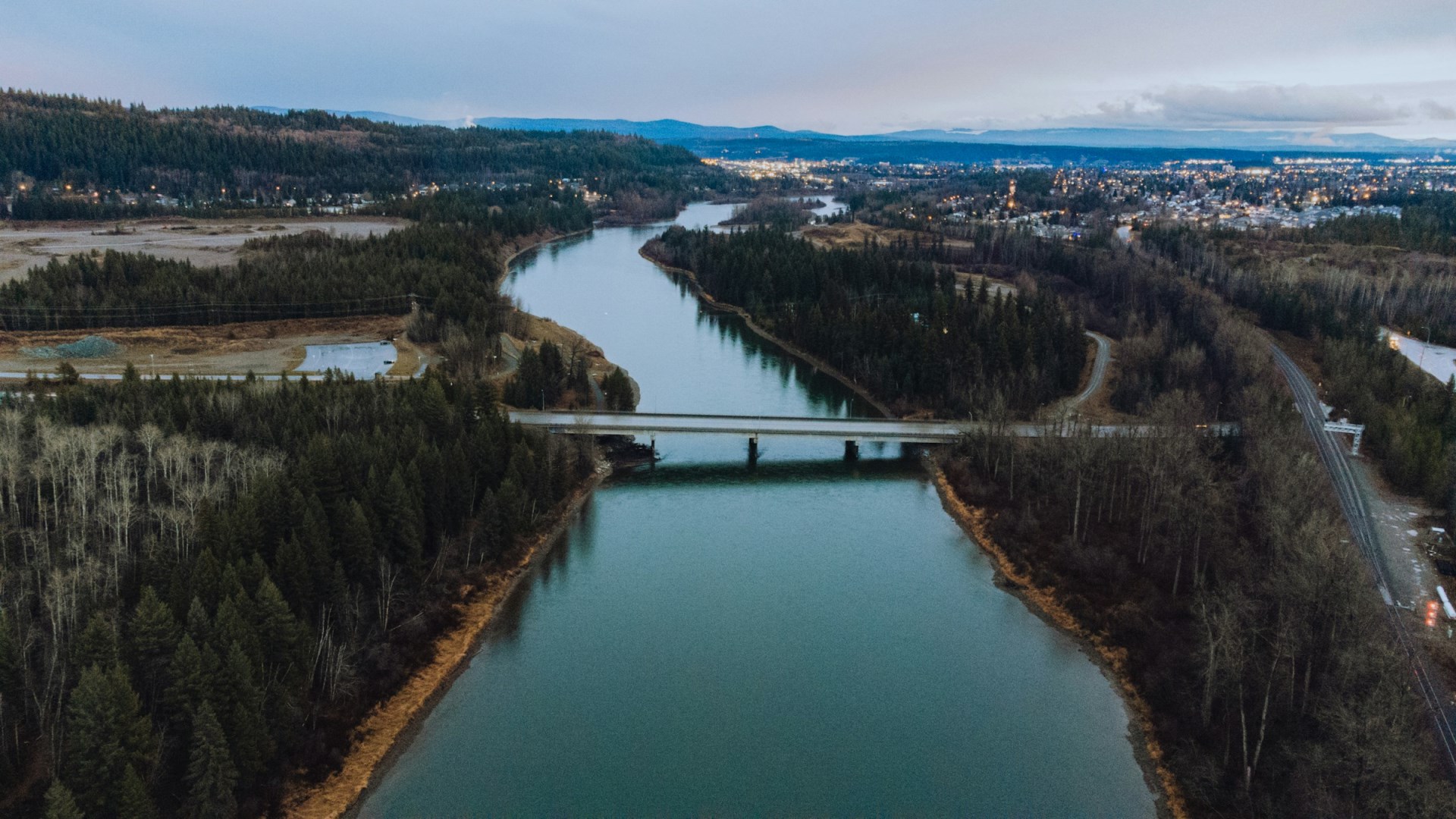
Prince George
Prince George is a city in north-central British Columbia located where the Nechako and Fraser Rivers meet. Its position between the Interior and northern regions has made it an important transportation, forestry, education, and service centre. The city is surrounded by forests, lakes, rivers, and rolling terrain, with the surrounding landscape reflecting the transition between several ecological zones.
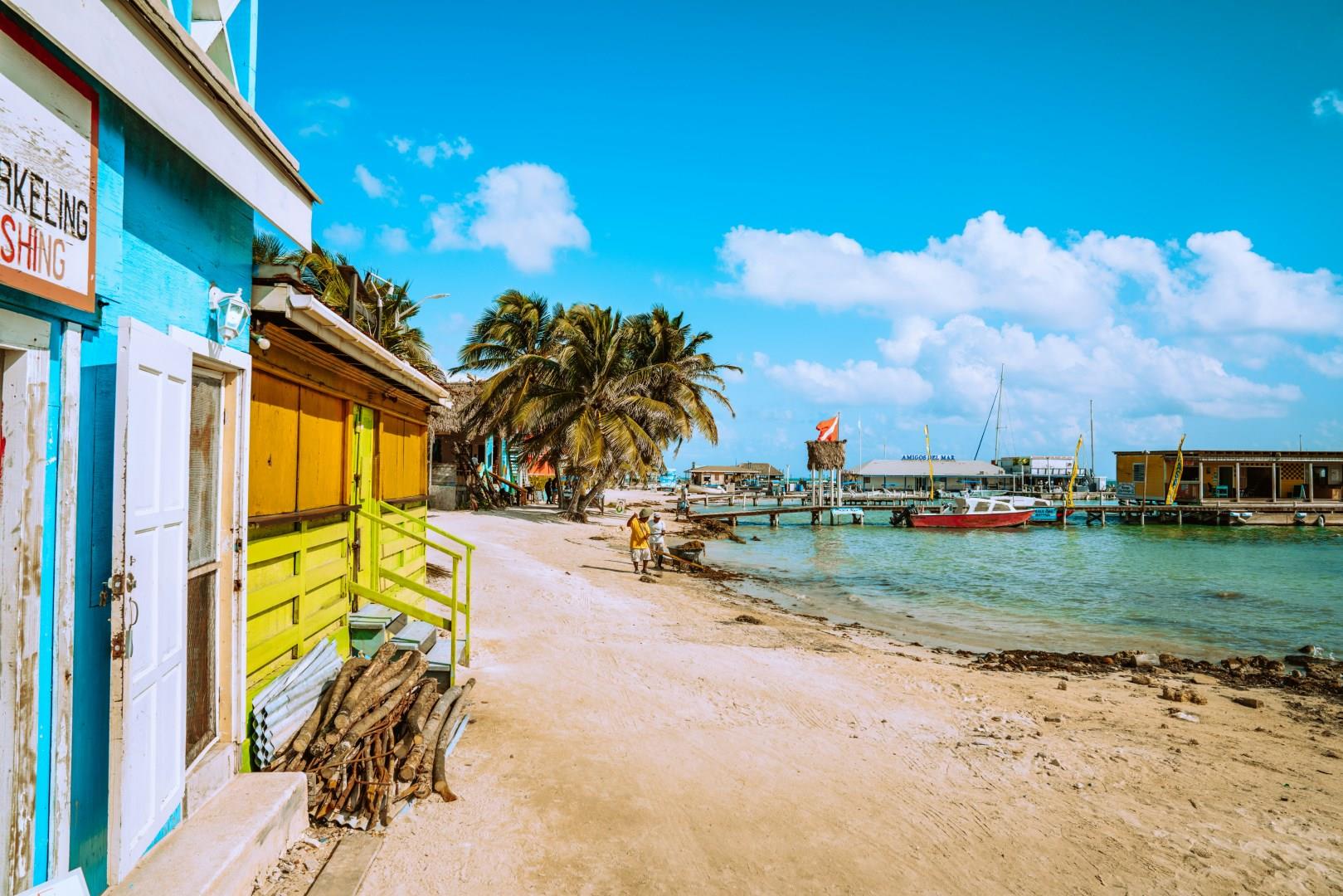
Ambergris Caye
Ambergris Caye, the largest island in Belize, is the country’s premier destination for both relaxation and adventure. Just off its shores lies the Belize Barrier Reef, offering some of the world’s most spectacular snorkeling and diving.
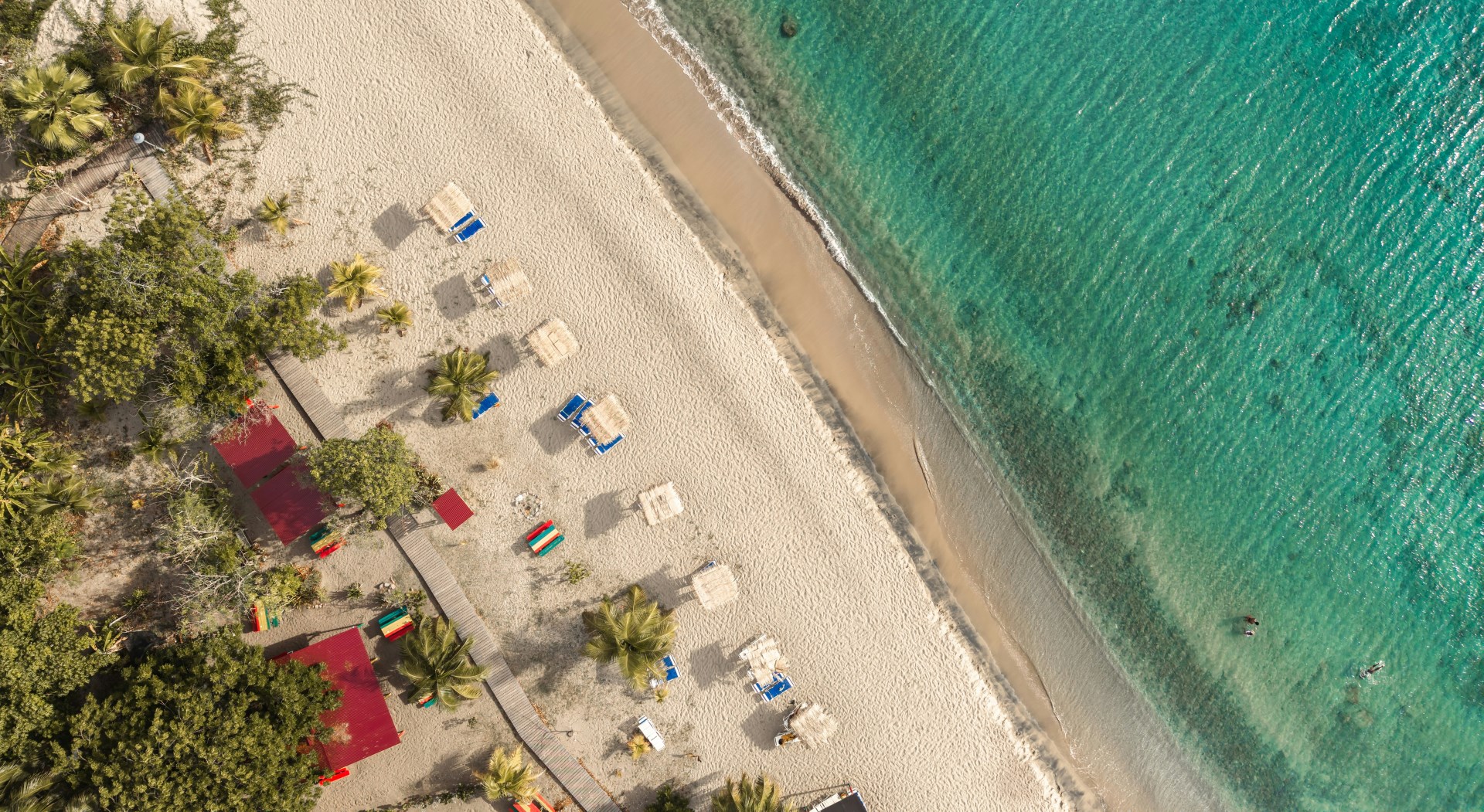
Charlestown
Charlestown is the historic capital of Nevis, located on the island’s west coast beside the Caribbean Sea. The compact town retains much of its Georgian-era layout, with low stone buildings, wooden houses, narrow streets, and a waterfront facing Saint Kitts across The Narrows. Charlestown also serves as an important ferry and water-taxi arrival point, connecting Nevis with neighbouring islands.
