
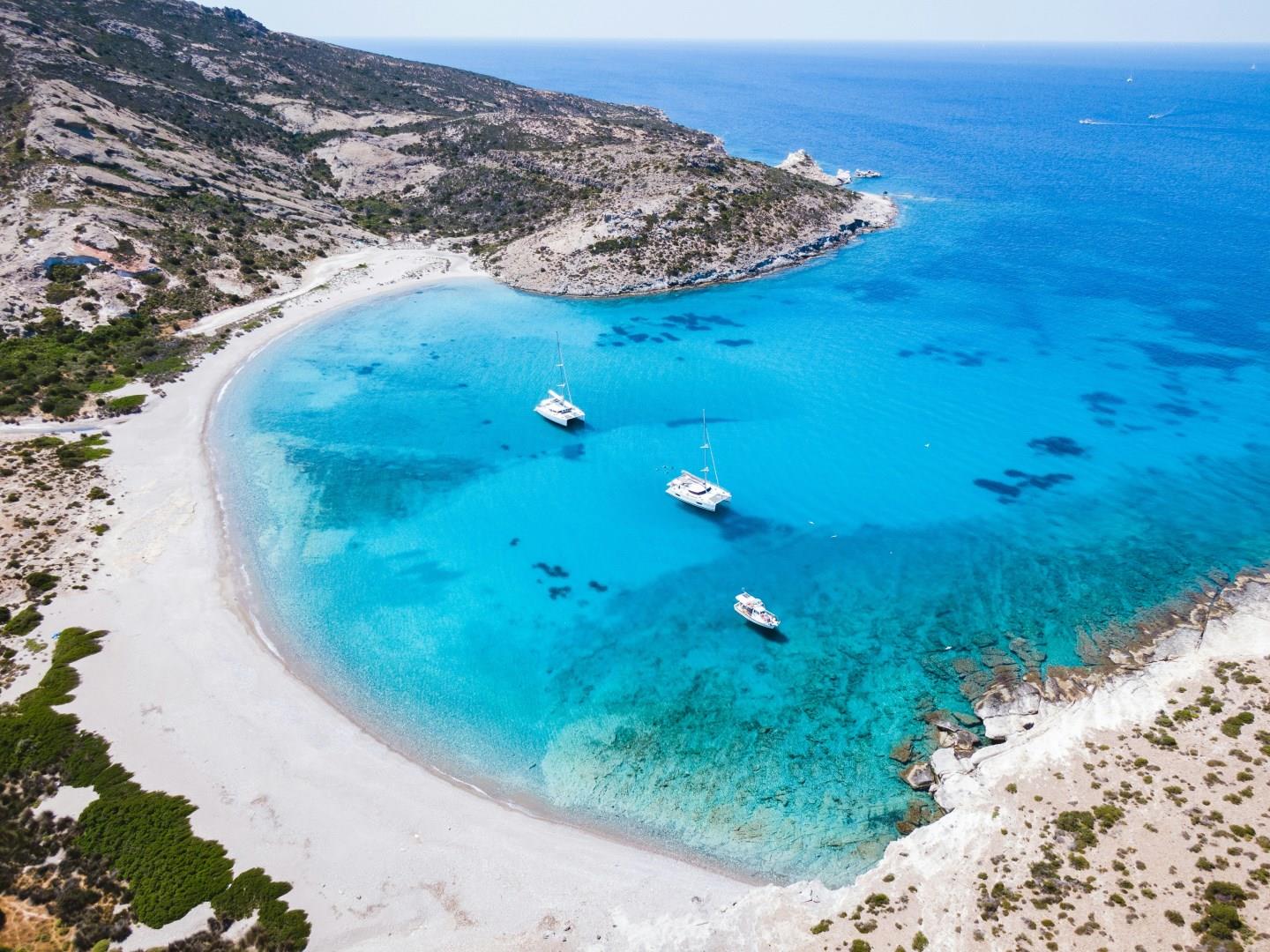
Milos
Milos is one of the most striking islands in the Aegean Sea, known for its otherworldly landscapes, turquoise coves, and centuries-old history. Shaped like a horseshoe, the island was formed by volcanic activity which left behind dramatic cliffs and hidden beaches carved from soft white rock. Visitors often find their first glimpse of Milos unforgettable, especially at Sarakiniko Beach where smooth, chalk-white formations contrast with the vivid blue water.
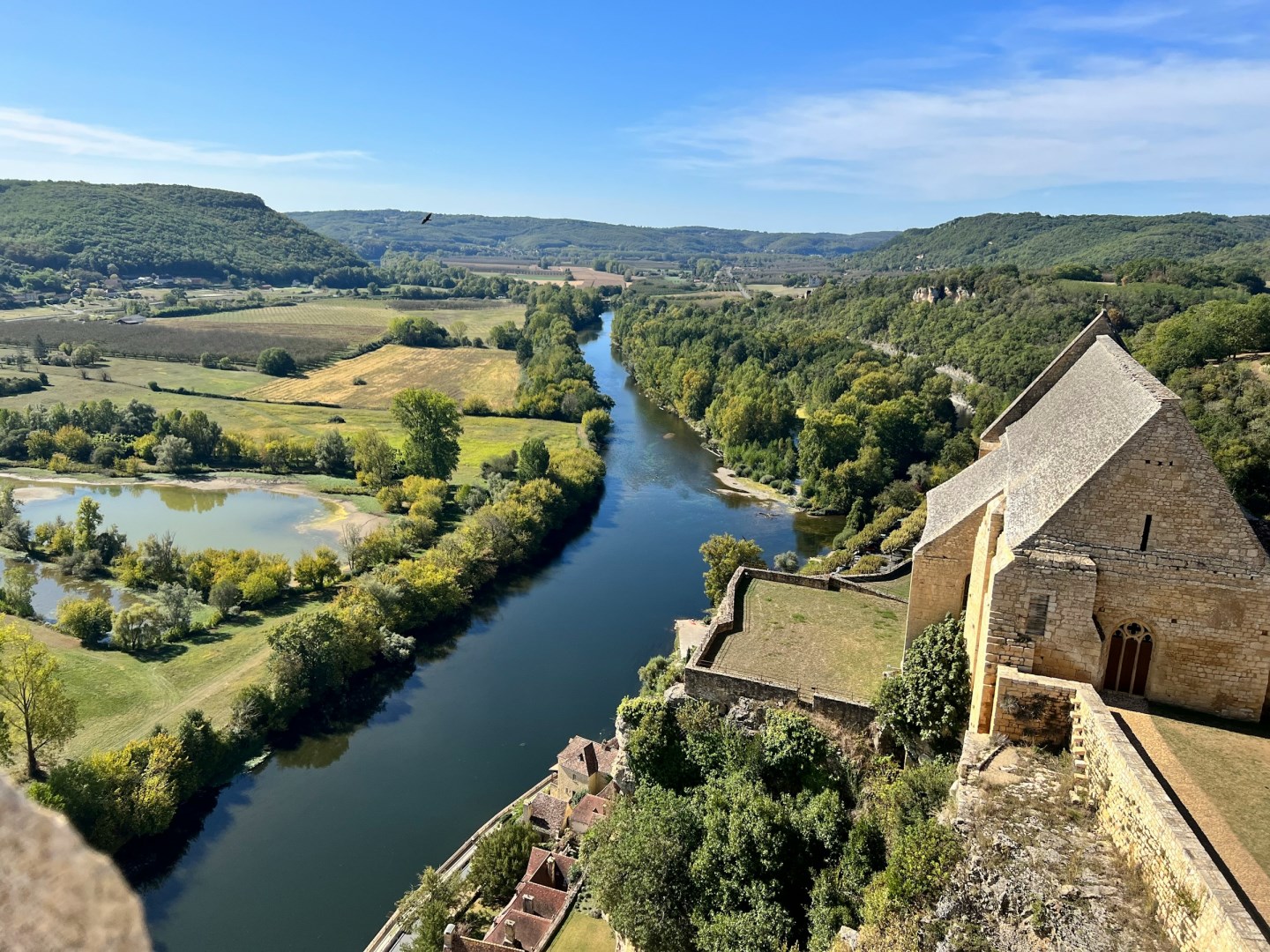
Dordogne
The British have long been associated with the Dordogne Valley. Fertile and green, this is where the 100 Year's War was fought. Many of the castles and "Bastides" were built by the British. The French say it is the land with "a little bit of everything", from a gentle river to lush pastures to wonderful wineries.
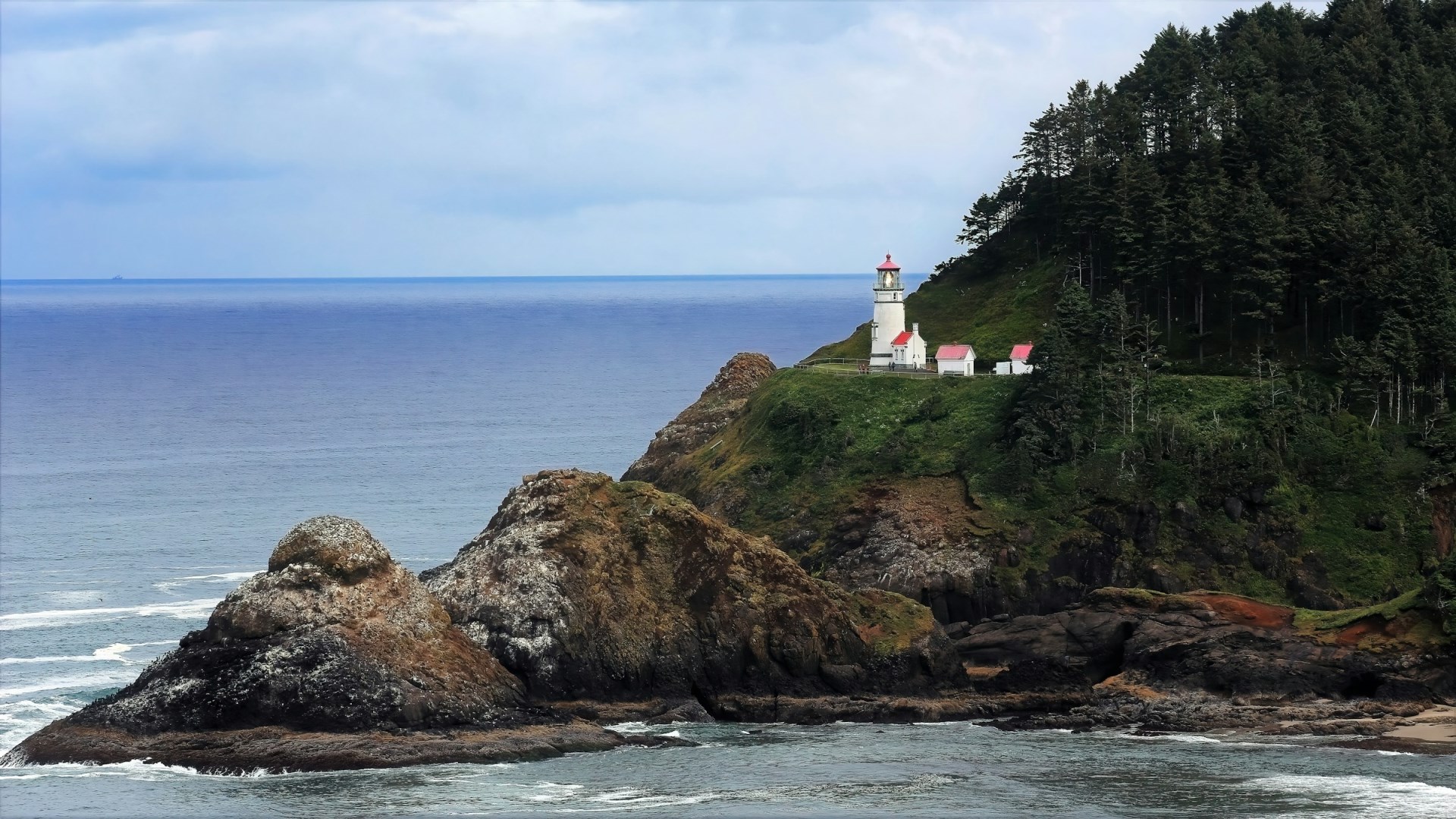
Heceta Head
Heceta Head is a prominent coastal headland on Oregon’s central coast, rising above the Pacific Ocean north of Florence. The area is part of the Siuslaw National Forest and is known for its steep forested slopes, rocky shoreline, and sweeping ocean views. Heceta Head Lighthouse stands on the headland above the coast and remains one of Oregon’s best-known navigational landmarks.

Puebla
Puebla, a city nestled in the heart of Mexico, is a captivating blend of colonial charm, vibrant culture, and rich history. Known as the "City of Angels," Puebla's well-preserved historic center is a UNESCO World Heritage site, filled with stunning baroque architecture, colorful tiled buildings, and bustling markets. Puebla is also a haven for food lovers, celebrated as the birthplace of some of Mexico’s most iconic dishes.
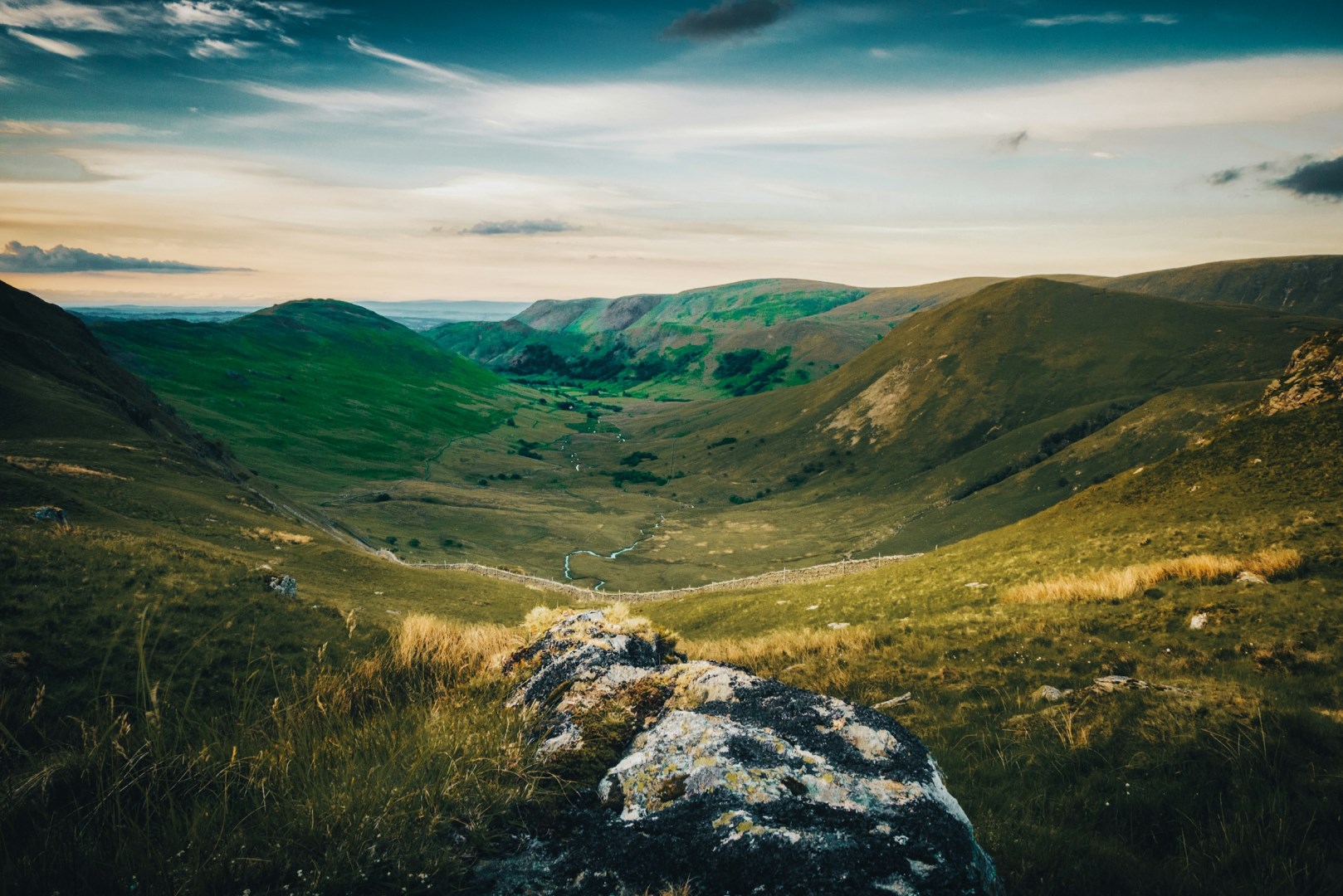
Penrith
Penrith is a market town in Cumbria, northern England, situated between the Lake District and the northern Pennines. Its location has long made it a useful stopping point for journeys across the region, while its town centre retains a traditional market-town character with stone buildings, independent shops, cafés, and a central market square.
