

Mo'orea
Warm sands, cerulean waves, and stunning tropical views await you in Moorea, an island in French Polynesia. Unwind in an overwater bungalow, snorkel with tropical fish, or shop for pearls as you explore the remote beauty of this island destination.

Page
Page, Arizona, offers a gateway to some of the most breathtaking landscapes in the American Southwest. Nestled near the northern border of Arizona, this city is a perfect base for exploring natural wonders such as Antelope Canyon, a slot canyon renowned for its stunning light beams and swirling sandstone formations. Visitors can take guided tours to witness the canyon’s otherworldly beauty, which has been shaped by centuries of erosion and natural forces.
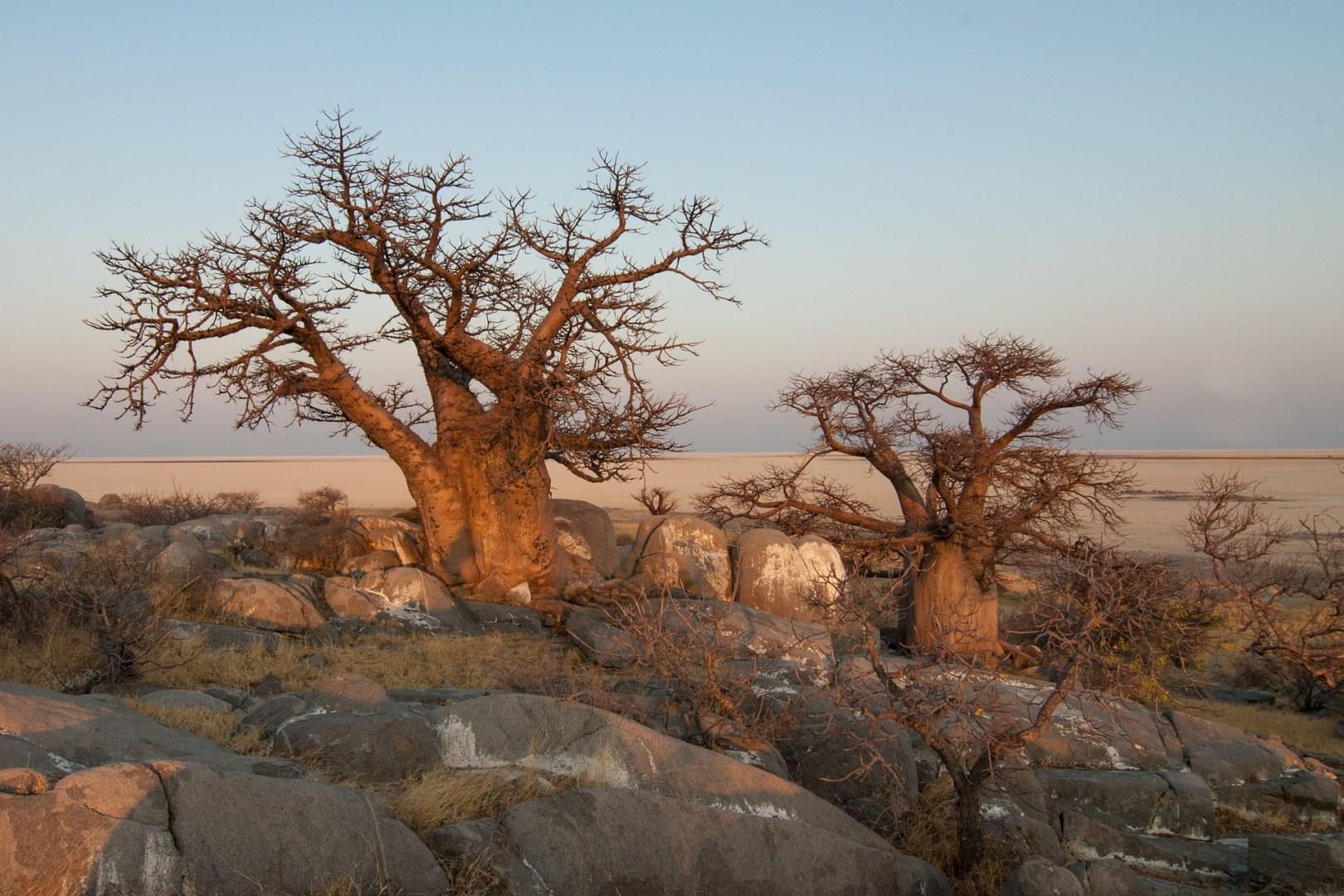
Botswana
Botswana, a jewel of southern Africa, offers a captivating blend of natural beauty and unique wildlife experiences. The country is renowned for its pristine wilderness areas, including the Okavango Delta, a UNESCO World Heritage site. This sprawling inland delta floods annually, creating a lush oasis in the Kalahari Desert. Here, visitors can explore a maze of waterways and lagoons by traditional mokoro canoe, spotting a rich array of wildlife such as elephants, hippos, and various bird species.
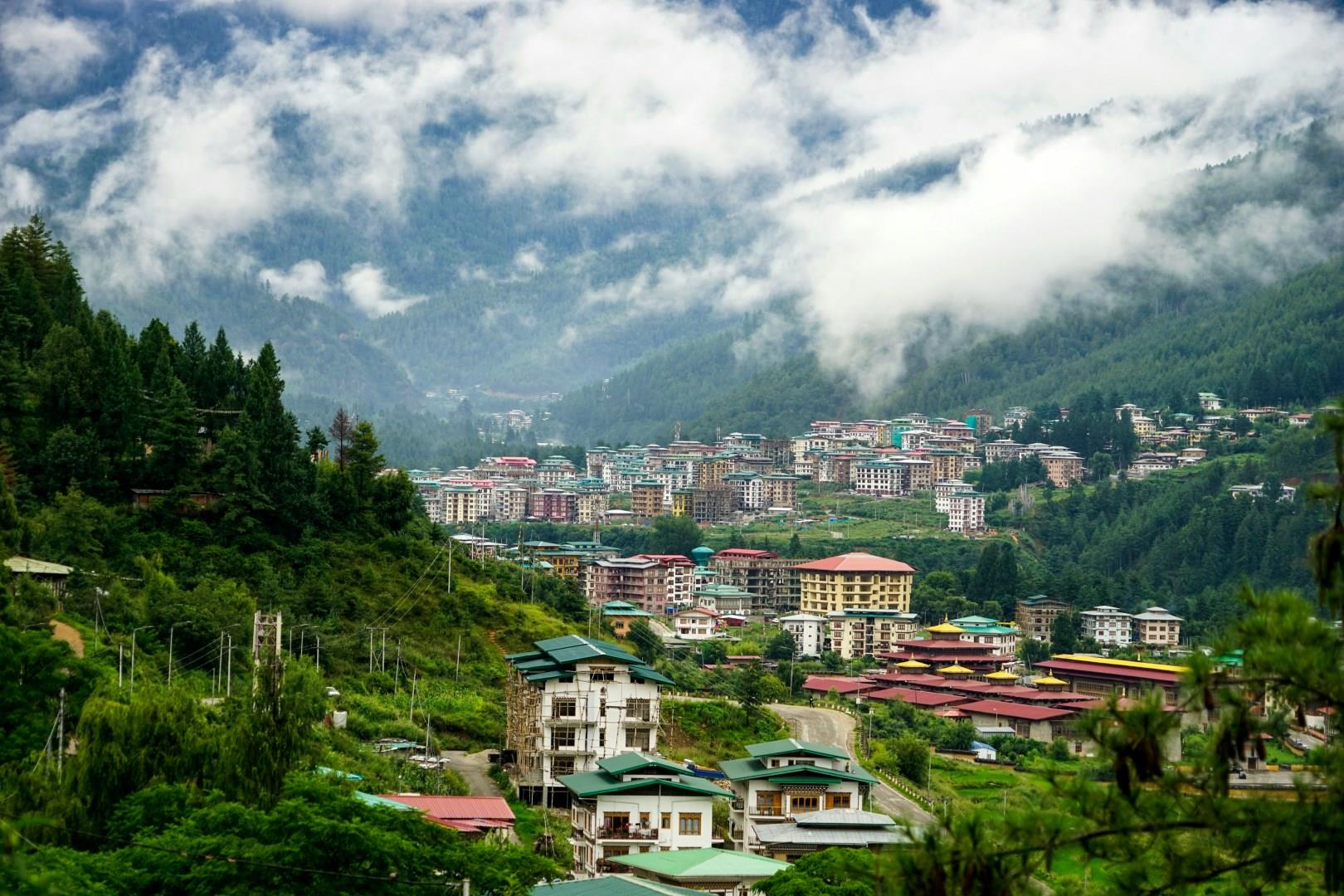
Thimpu
Thimphu, the capital of Bhutan, is a city where tradition and modern life meet in unexpected ways. Streets are lined with traditional Bhutanese architecture, colorful prayer flags, and shops selling handicrafts, while government offices and modern facilities operate alongside centuries-old temples.
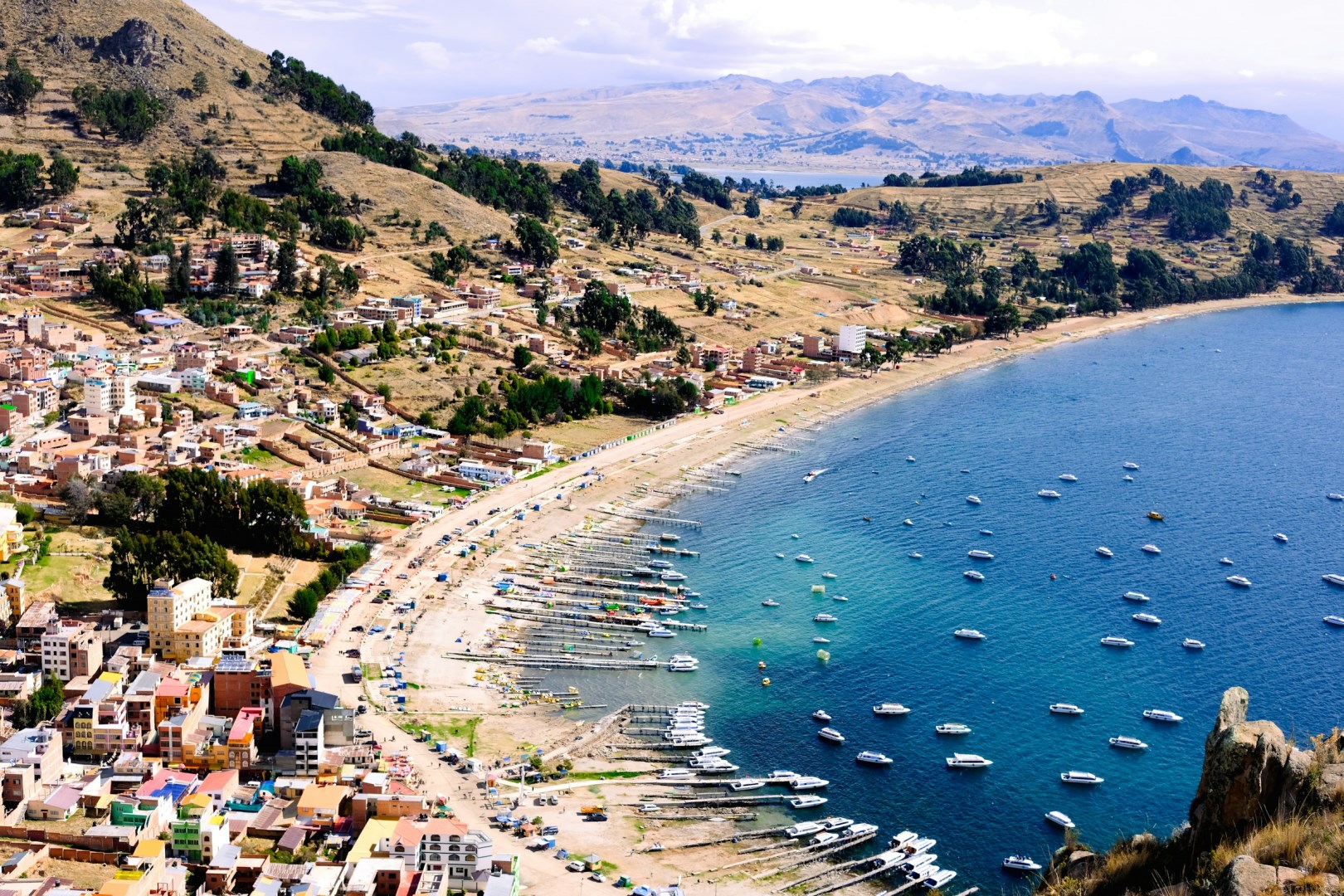
Copacabana
Copacabana is a lakeside town in western Bolivia, situated on the shores of Lake Titicaca near the Peruvian border. Its setting between the lake and the surrounding hills gives it a distinctive highland landscape, with views extending across the deep blue waters toward the distant mountains. Copacabana is one of Bolivia’s main gateways to Lake Titicaca and serves as a starting point for boat trips to Isla del Sol and nearby islands.
