

Dominica
Dominica, known as the “Nature Island of the Caribbean,” is a haven for eco-tourists and adventure seekers. Nestled between the French islands of Guadeloupe and Martinique, this lush island boasts a remarkable landscape of volcanic mountains, dense rainforests, and stunning waterfalls. Dominica’s most iconic natural wonder is the Boiling Lake, the second-largest hot spring in the world.

Guatemala
Guatemala is a country where ancient history and living tradition meet in unexpected ways. The ruins of Tikal, once a major center of the Maya civilization, rise from the dense Petén jungle. Visitors can climb stone temples that pierce the forest canopy and listen for howler monkeys echoing through the trees. Tikal National Park, a UNESCO World Heritage Site, contains over 3,000 structures and still holds secrets under layers of earth and vegetation.

Sur
Sur is a coastal city in Oman's Al Sharqiyah South Governorate, facing the Arabian Sea along a coastline shaped by sheltered bays, rocky headlands, and fishing communities. The city is particularly known for its maritime heritage and traditional wooden dhow building, which remains an important part of its identity. Sur's harbor, whitewashed buildings, and coastal setting reflect its long connection with seafaring and trade.
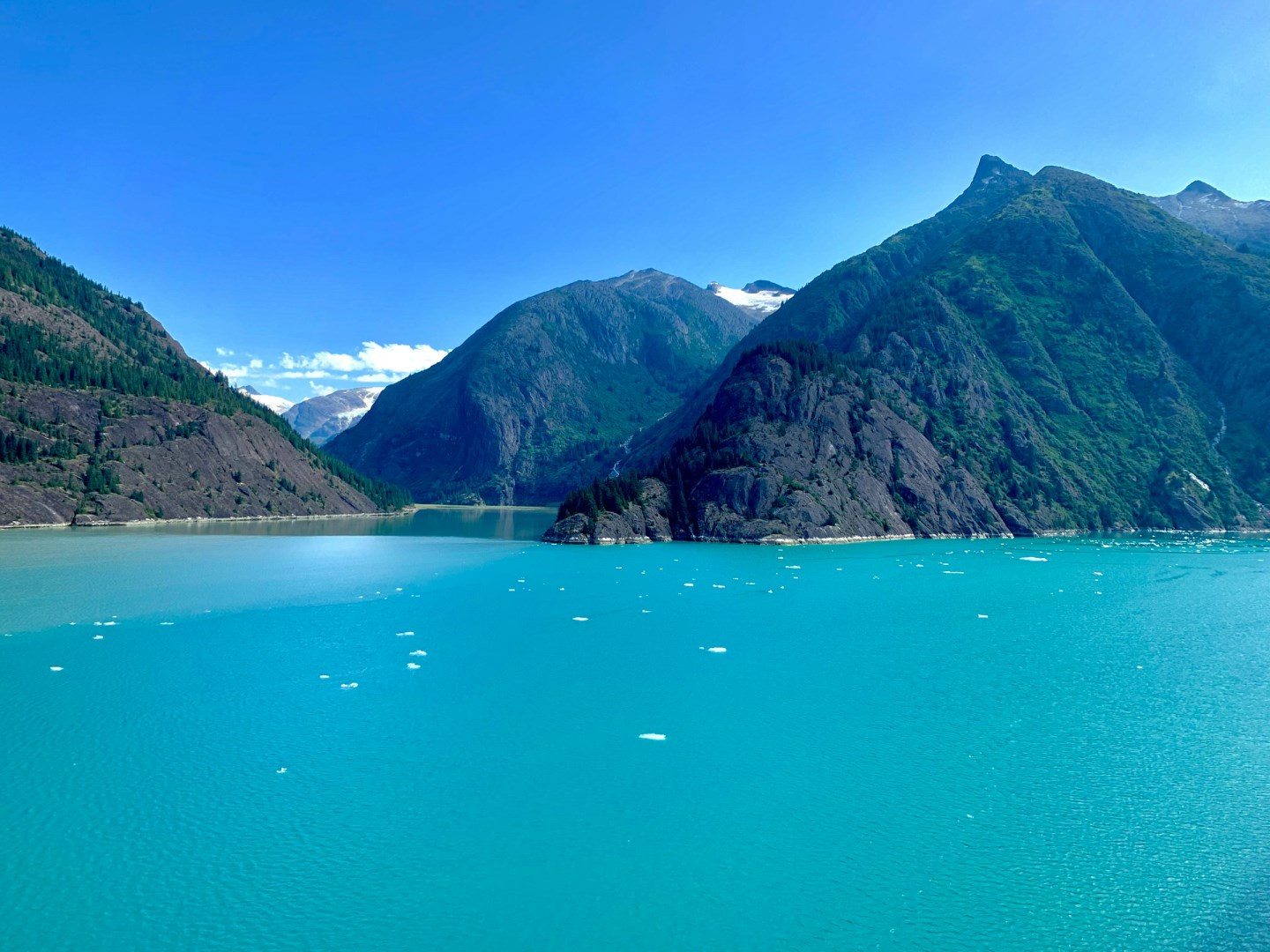
Hoonah
Hoonah, located on Chichagof Island in southeastern Alaska, is a small coastal community surrounded by breathtaking wilderness and rich Tlingit heritage. As Alaska’s largest Tlingit village, Hoonah is deeply connected to Indigenous traditions, storytelling, and respect for the natural world.
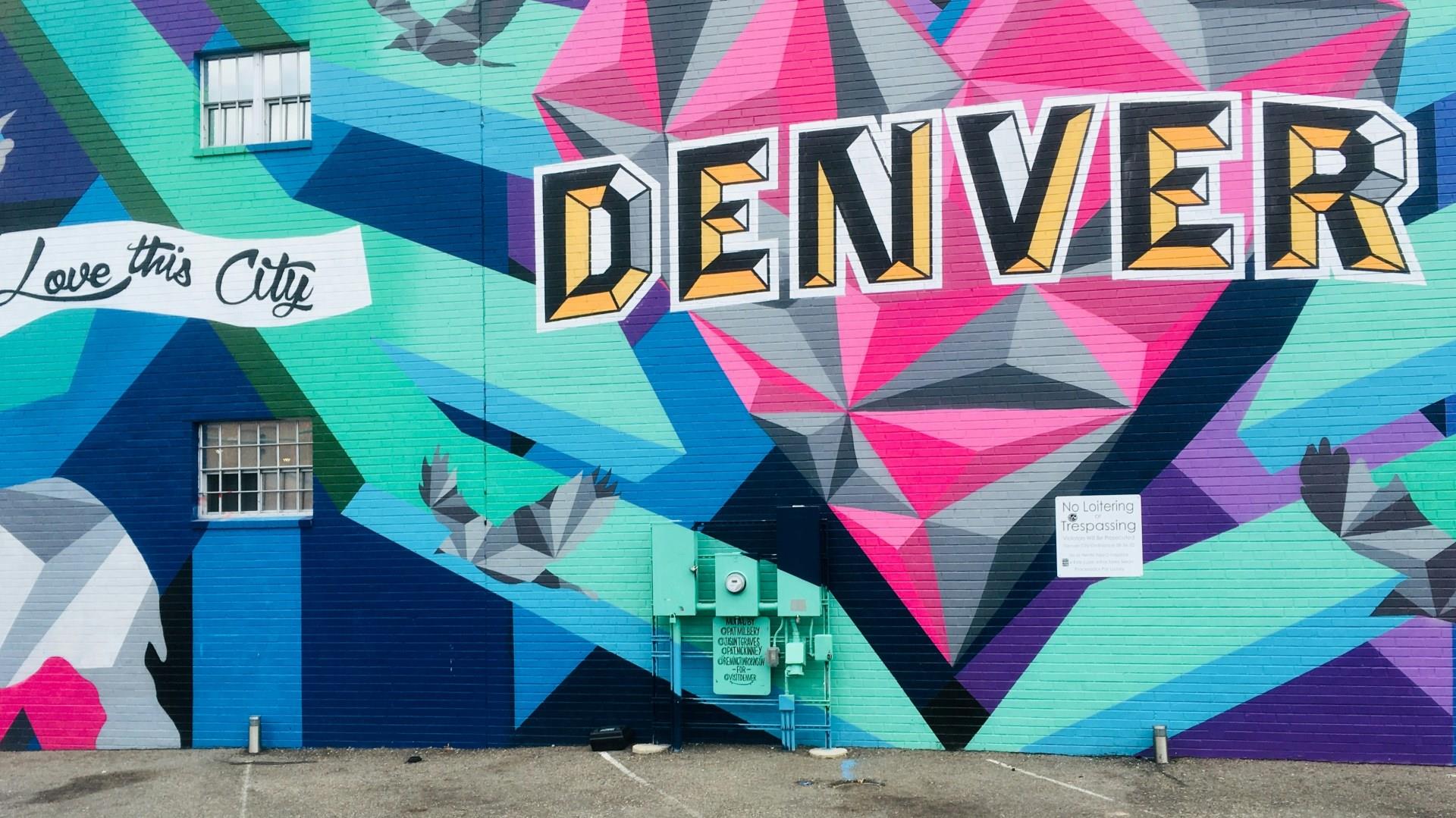
Denver
Denver, Colorado, known as the “Mile High City” for its elevation exactly 5,280 feet above sea level, offers far more than a mountain backdrop. It’s a city where old saloons, Victorian homes, and vintage brick warehouses sit beside sleek skyscrapers and buzzing food halls. While the nearby Rocky Mountains are visible from almost anywhere in the city, places like City Park and Washington Park offer wide green spaces right in town.
