
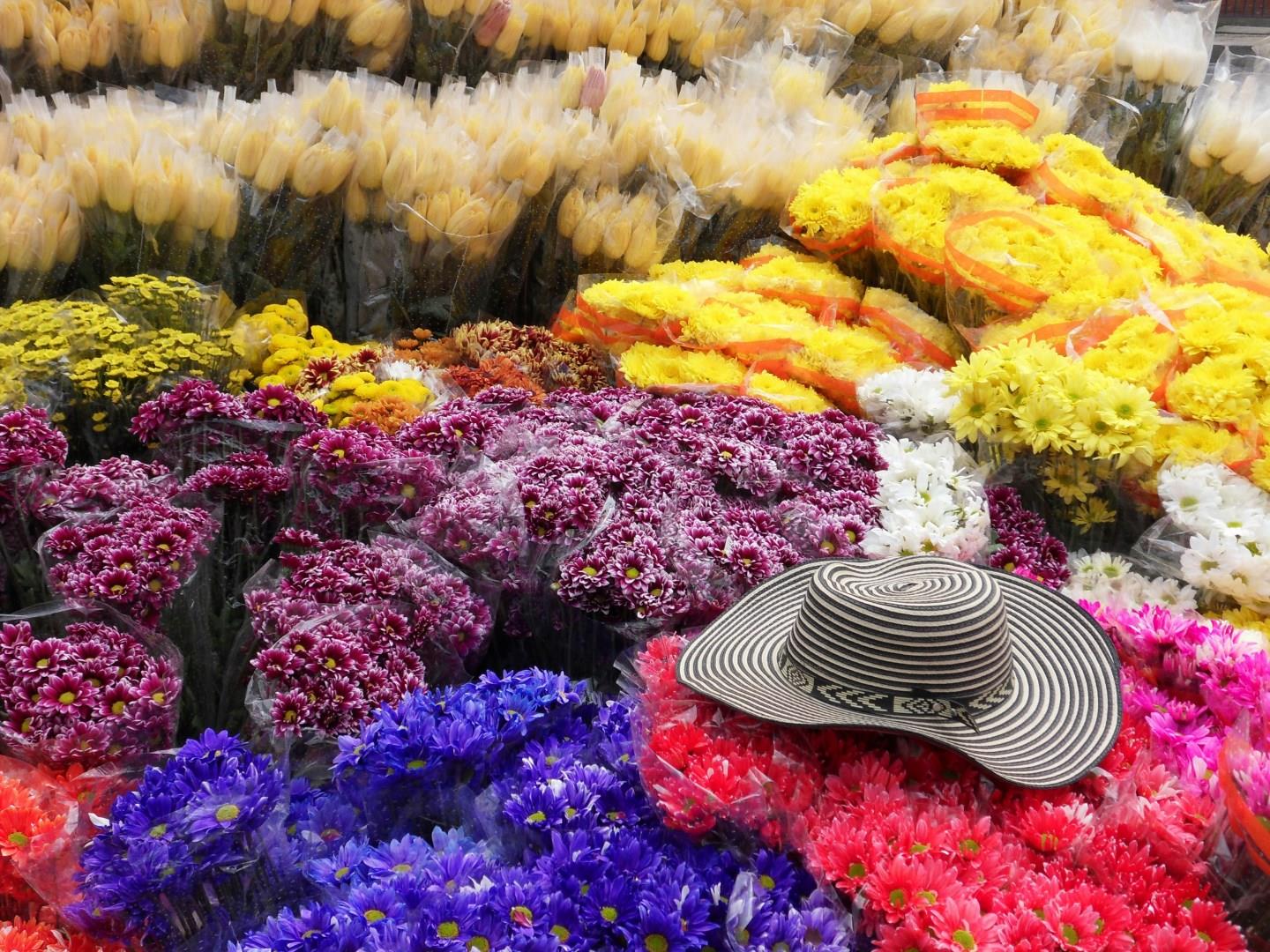
Bogotá
Bogotá, the vibrant capital of Colombia, sits high in the Andes at 2,640 meters above sea level. The city balances historic charm with modern energy, where cobblestone streets meet bold street art and colonial churches stand beside sleek galleries and cafes. At the heart of it all is La Candelaria, Bogotá’s oldest neighborhood, where travelers can visit centuries-old buildings, including the neoclassical Capitol and the richly decorated Gold Museum.

Manila
Manila is the capital of the Philippines and a densely built city on the eastern shore of Manila Bay. It serves as a major center for government, commerce, education, and the arts, while its neighborhoods reveal different layers of Filipino life. The Pasig River connects the city to the wider metropolitan area, and the waterfront remains an important part of its setting. Manila is especially known for Intramuros, the walled historic district at the heart of the city.
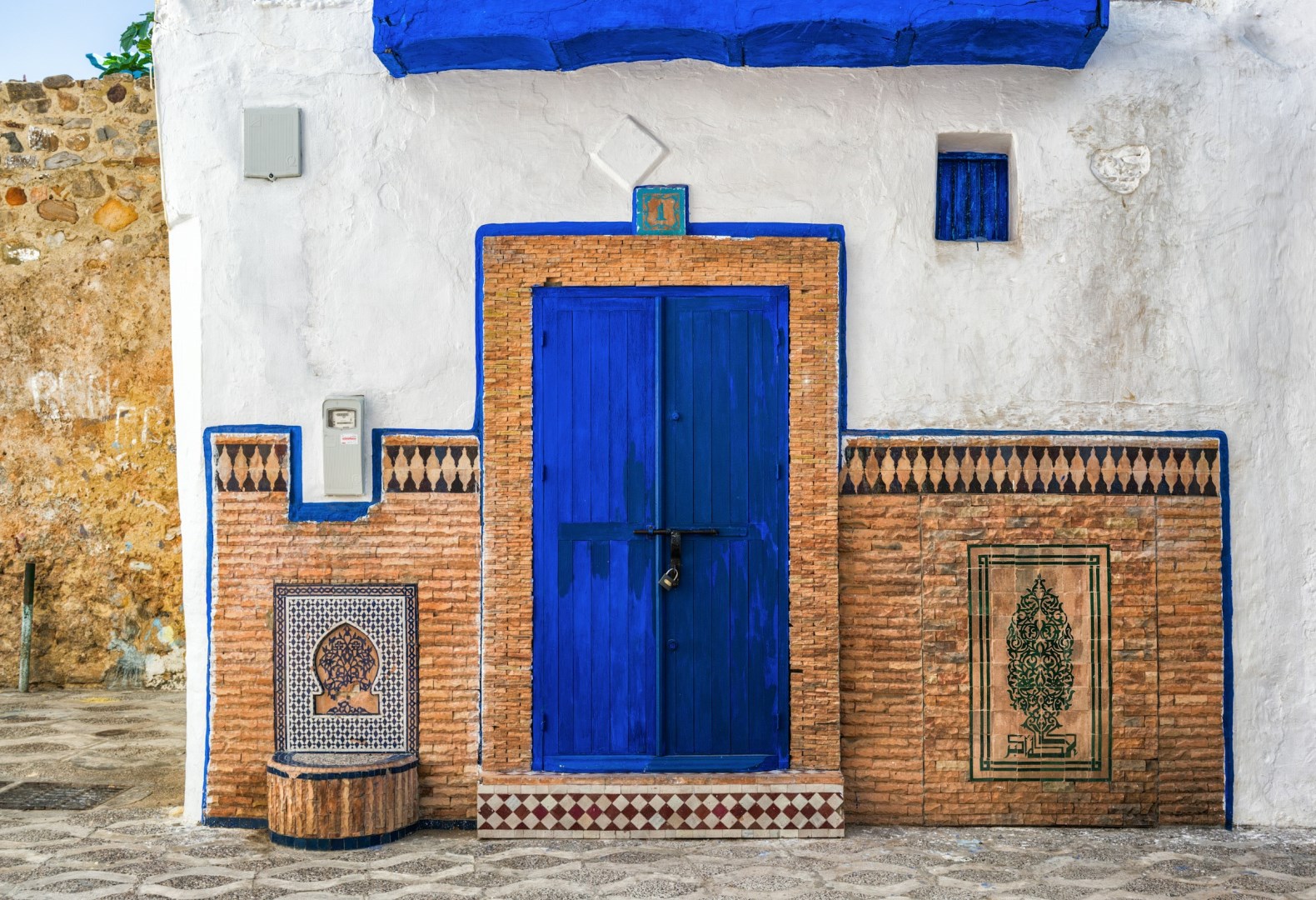
Asilah
Asilah is a small coastal town on Morocco’s Atlantic shore, south of Tangier, known for its whitewashed buildings, fortified medina, and position beside the sea. Its historic walls run along the coastline, with sections overlooking rocky cliffs and the Atlantic. The town has a quieter character than larger northern Moroccan cities, while its narrow streets, painted façades, and waterfront setting give it a distinctive appearance.

Malta
Malta, a small island nation in the heart of the Mediterranean, offers visitors a rich blend of history and vibrant local culture. Its capital, Valletta, is a UNESCO World Heritage site filled with grand Baroque architecture, narrow streets, and significant historical landmarks like St. John’s Co-Cathedral, home to masterpieces by Caravaggio. The city's fortifications tell stories of centuries of military importance, guarding one of Europe’s busiest harbors.
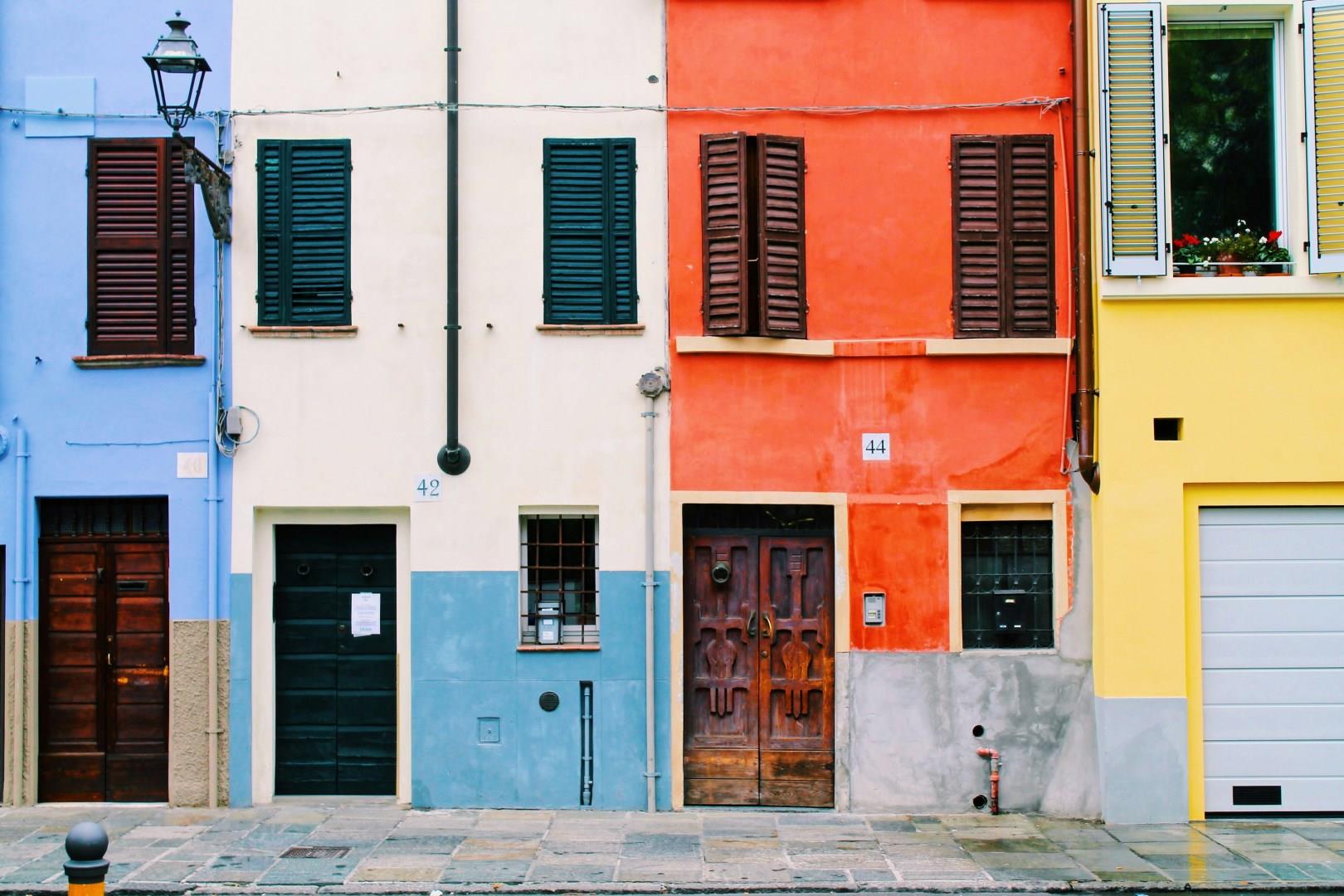
Parma
Parma, in Italy’s Emilia-Romagna region, is a city where art, history, and gastronomy intertwine. Known worldwide as the birthplace of Parmesan cheese and Parma ham, the city has long been a culinary capital, but its cultural depth extends far beyond the table.
