
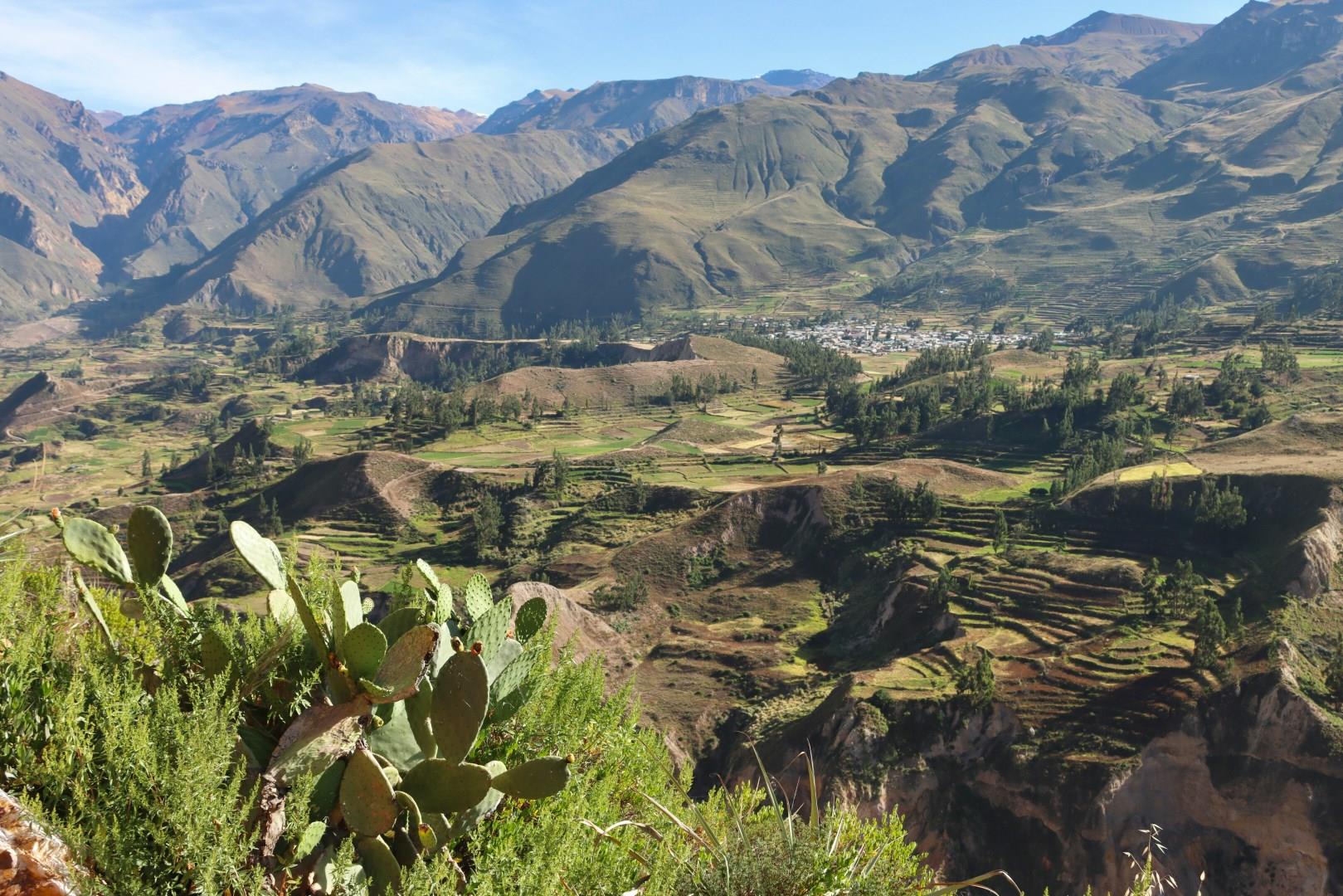
Colca Canyon
Colca Canyon, located in southern Peru’s Arequipa region, is one of the deepest canyons in the world, twice as deep as the Grand Canyon in some areas. What makes it stand out even more is how human settlements have coexisted with the landscape for centuries. Along its walls, pre-Inca agricultural terraces still hold crops like corn and quinoa. One of the main draws of the canyon is the opportunity to see Andean condors in flight.
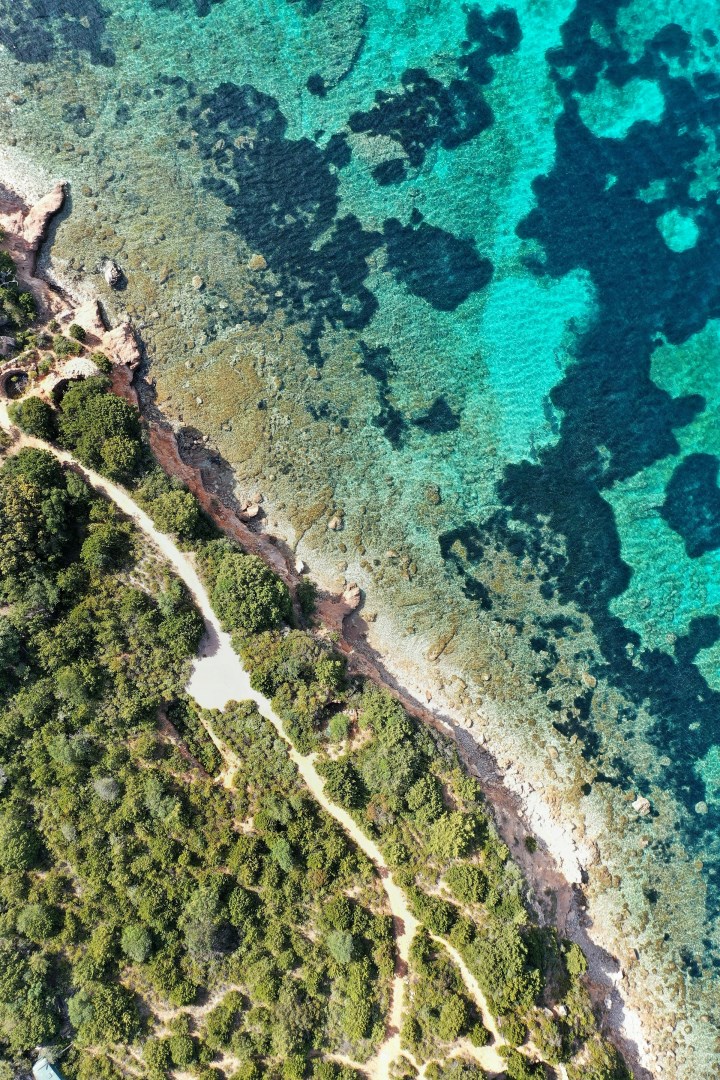
Olbia
Olbia, located on the northeast coast of Sardinia, offers a blend of history and modernity. The city is known for its well-preserved ruins and historical sites, such as the Basilica di San Simplicio, an 11th-century Romanesque church built from local granite.

Lake Nakuru National Park
Lake Nakuru National Park is located in the heart of the Great Rift Valley. The Park encompasses the alkaline Lake Nakuru and has earned fame as the greatest bird spectacle in the world. The gathering of hundreds of thousands of greater and lesser pink flamingos.
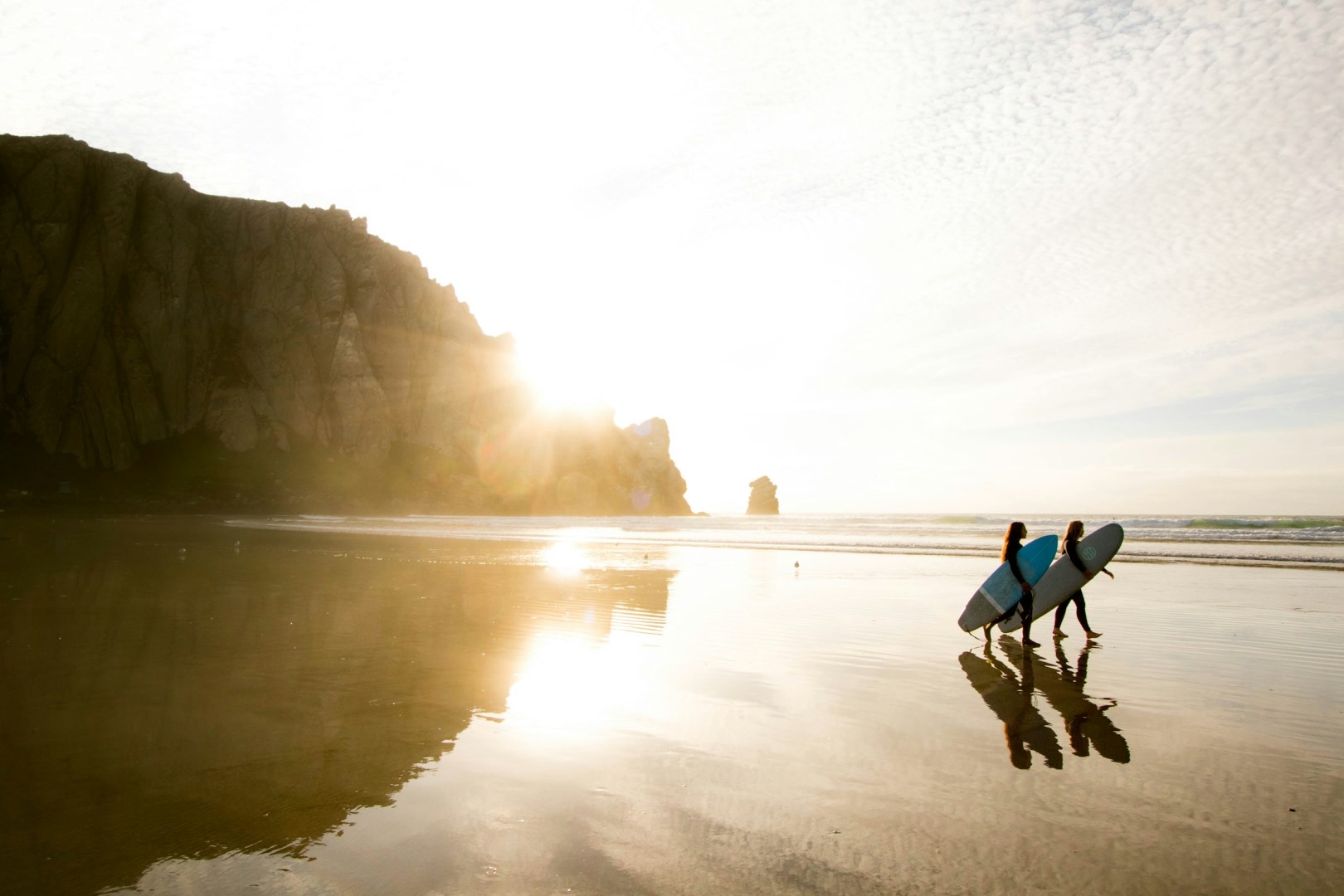
Morro Bay
Morro Bay is a coastal city on California’s Central Coast, situated around a natural harbor between San Luis Obispo and the Pacific Ocean. Its most recognizable landmark is Morro Rock, a large volcanic plug rising at the entrance to the bay. The city’s waterfront includes fishing docks, marinas, beaches, and a working harbor, while wetlands and dunes surround parts of the shoreline.
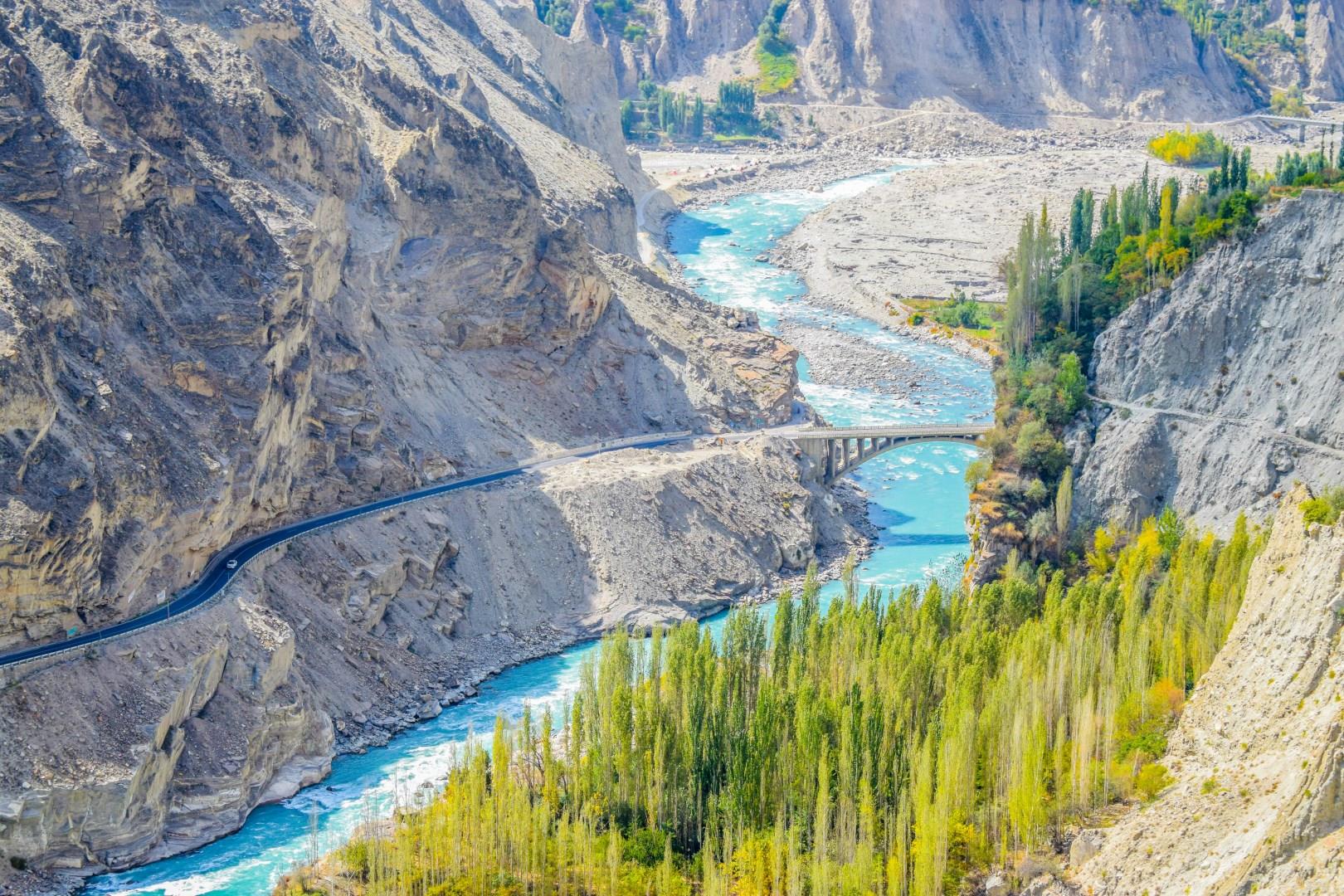
Pakistan
Pakistan is a country of remarkable diversity, combining mountains, deserts, rivers, and coastal areas. The northern regions feature some of the world’s highest peaks, including K2, while the southern plains are home to fertile agricultural land and the port city of Karachi.
