
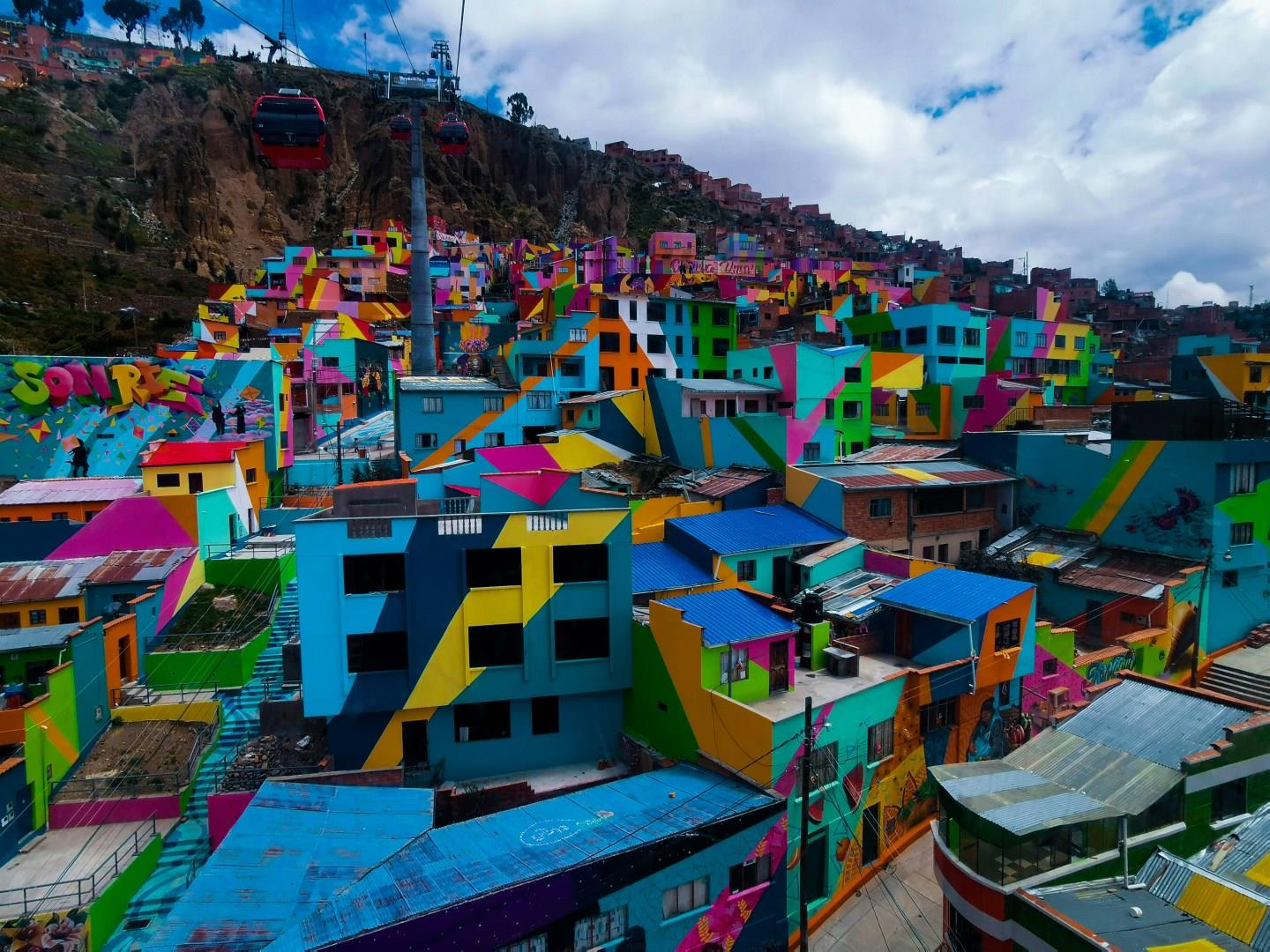
La Paz
La Paz, Bolivia’s seat of government, is one of the world’s highest capital cities, dramatically set in a deep canyon carved by the Choqueyapu River. Founded in 1548 atop an important Indigenous settlement, the city has long been a crossroads of Andean cultures, colonial history, and modern political life.

Nafplion
Nafplion, a picturesque coastal town in the Peloponnese, is often hailed as one of Greece's most charming and romantic destinations. As the first capital of modern Greece, Nafplion boasts a rich history, evident in its well-preserved neoclassical buildings, Venetian fortresses, and Ottoman influences.
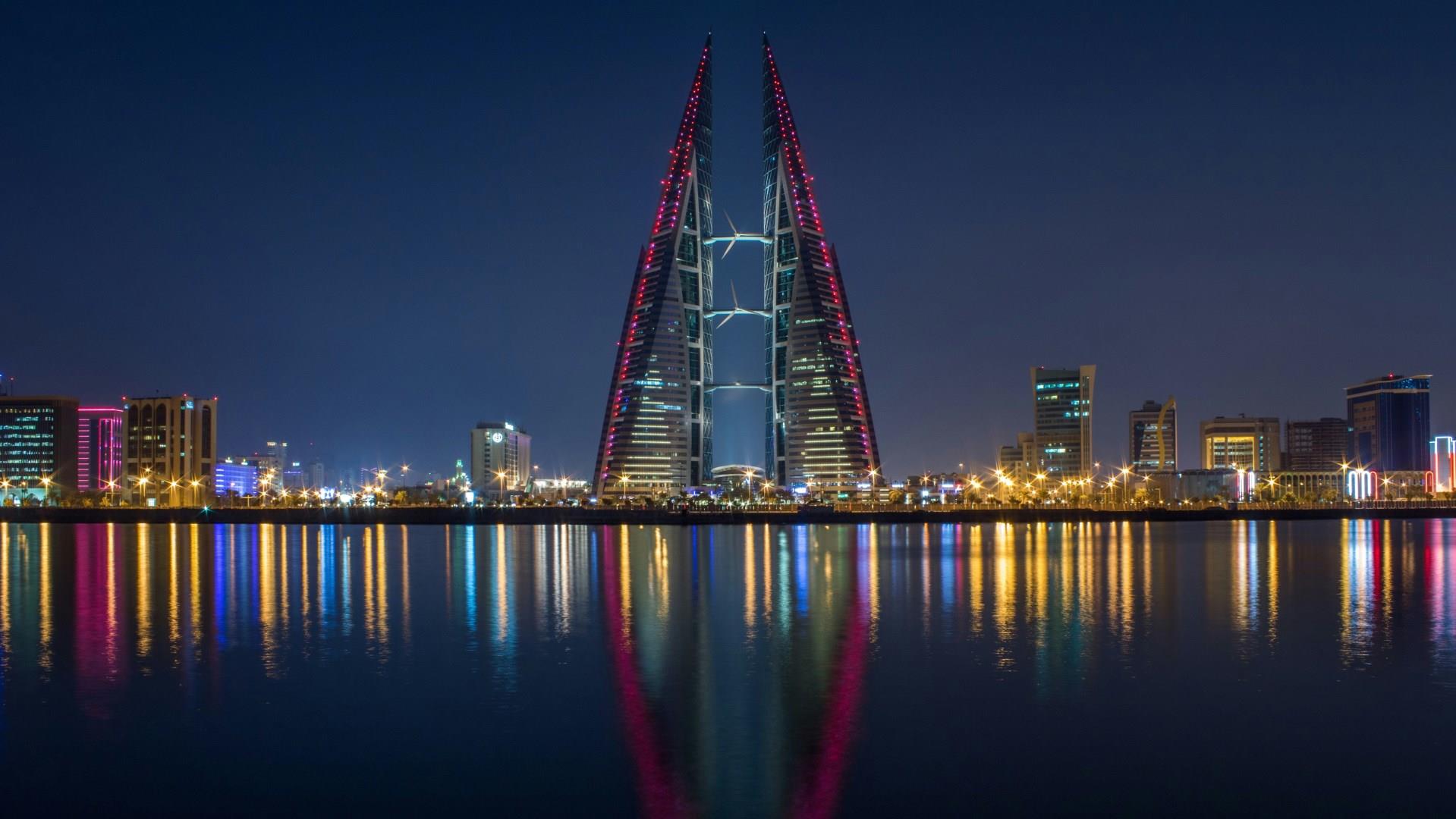
Manama
Manama pulses with stories from long ago and today. Just beyond the modern skyline lies Qal’at al‑Bahrain, a layered mound once the capital of Dilmun, used by societies from the Kassites to the Portuguese. Visitors can climb its crumbling stairways and imagine life across centuries there. Nearby, the Bahrain National Museum, opened in 1988 in a stately waterside building, displays archaeological finds from ancient Dilmun to modern-day artifacts and is one of the Gulf's first modern museums.
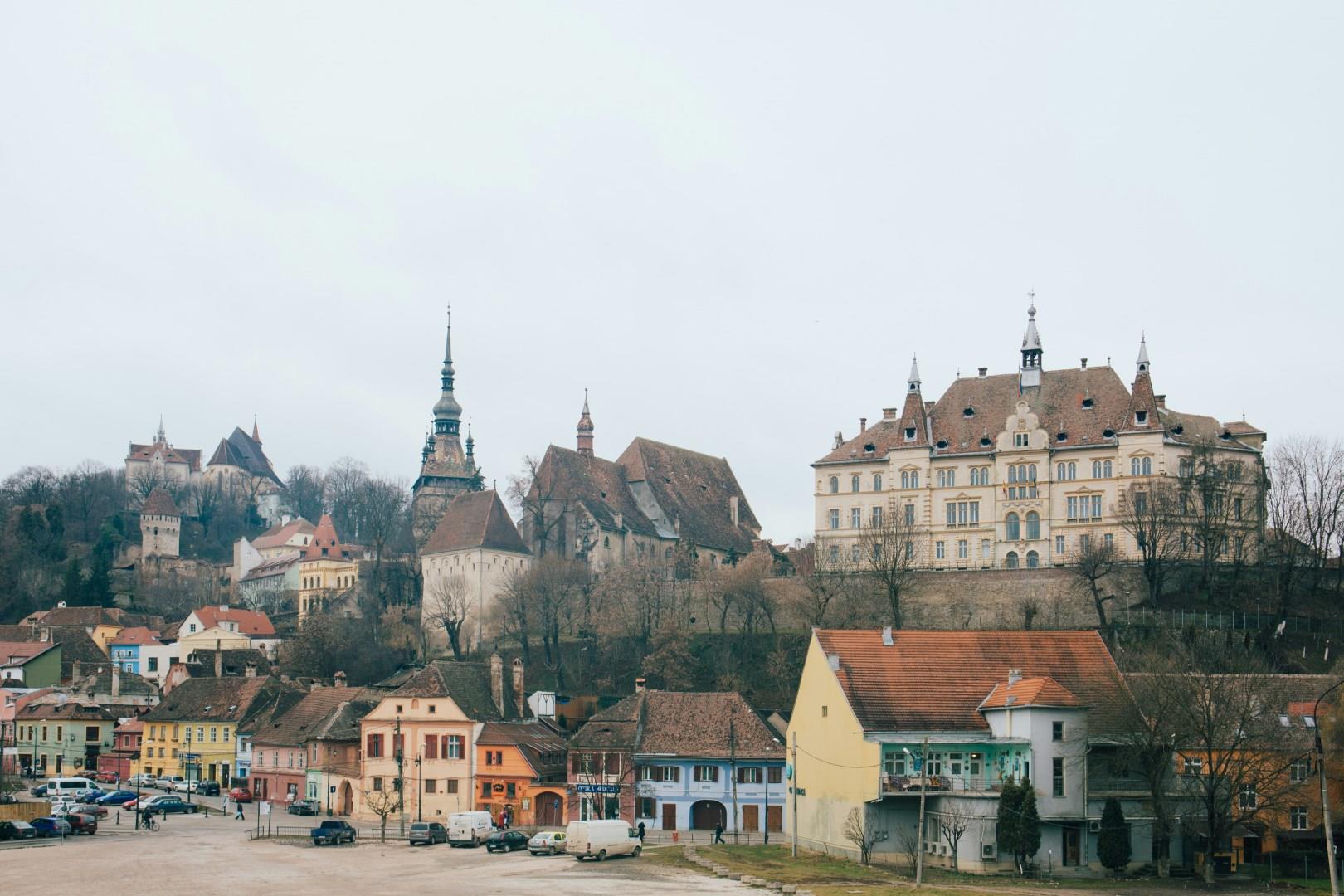
Sighisoara
Sighisoara rises above the Târnava Mare River as one of the few medieval citadels in Europe that is still lived in and admired today. Its historic center has been on the UNESCO World Heritage List since 1999, recognized for its long history as a fortified Saxon settlement and its role in trade and defense on the edges of central Europe. Wander through cobbled alleys framed by pastel-colored houses, and the layers of time feel close at hand, from the city walls and guild towers to busy cafés.

Amalfi
Amalfi, Italy, is a gem nestled along the world-famous Amalfi Coast, where dramatic cliffs meet the shimmering Mediterranean Sea. This enchanting town, once a powerful maritime republic, is now a beloved destination for those seeking a blend of history, culture, and breathtaking natural beauty. The heart of Amalfi is its bustling Piazza del Duomo, dominated by the stunning Amalfi Cathedral.
