
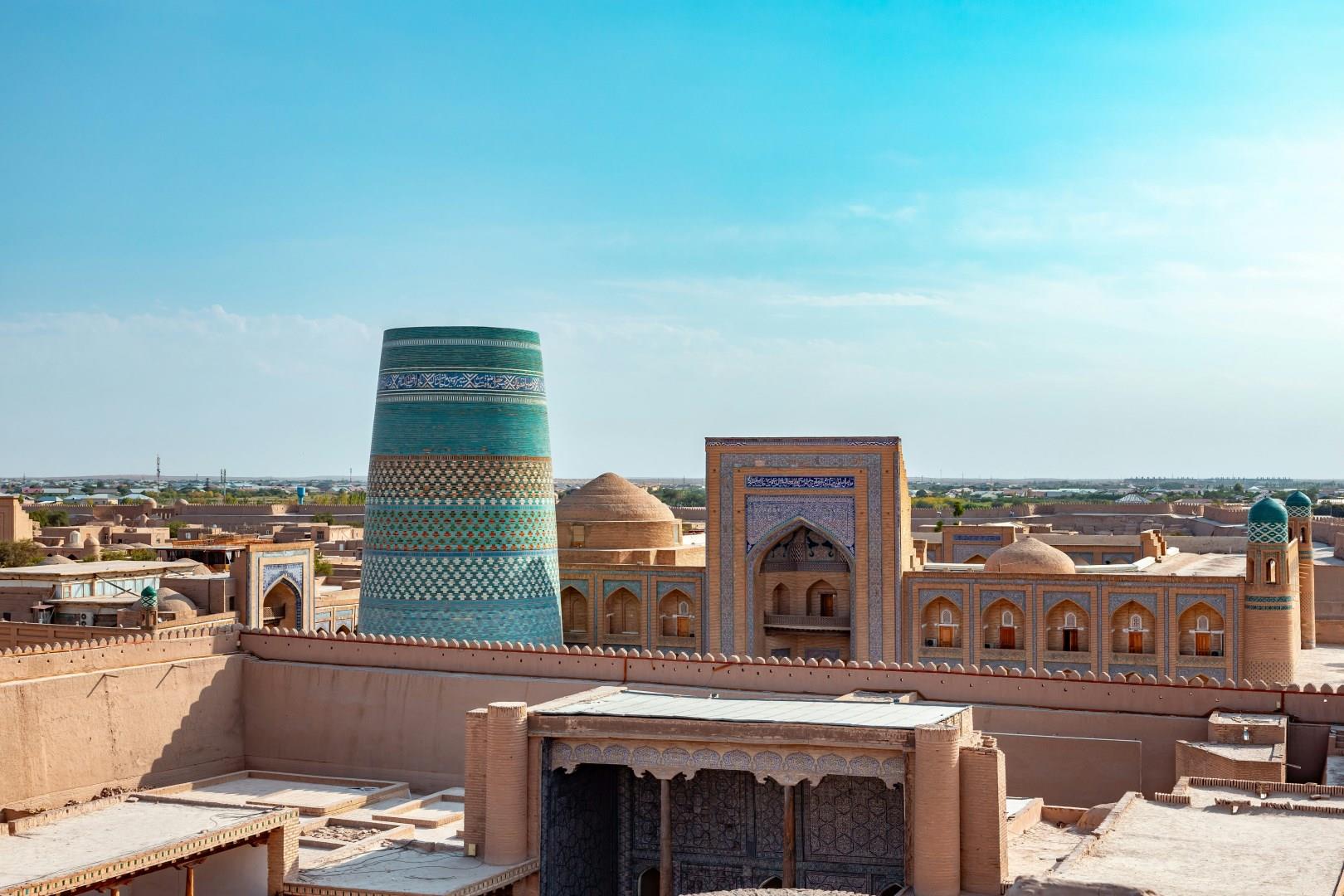
Khiva
Khiva, located in western Uzbekistan’s Khorezm region, is one of Central Asia’s most evocative Silk Road cities. Its walled inner city, known as the Itchan Kala, has preserved a remarkable collection of mud-brick architecture, minarets, mosques, and madrasahs that reflect centuries of Islamic culture and trade. Khiva served as a thriving trading hub and political center, linking merchants and scholars across the desert routes of the region.

Panama Canal
An essential passageway between the Atlantic and Pacific Oceans, the Panama Canal is an extraordinary technological landmark and a testament to human innovation. Built in the early twentieth century by American engineers, the canal weaves through the Panamanian isthmus and allows easy access for commercial freighters and cruise ships alike.
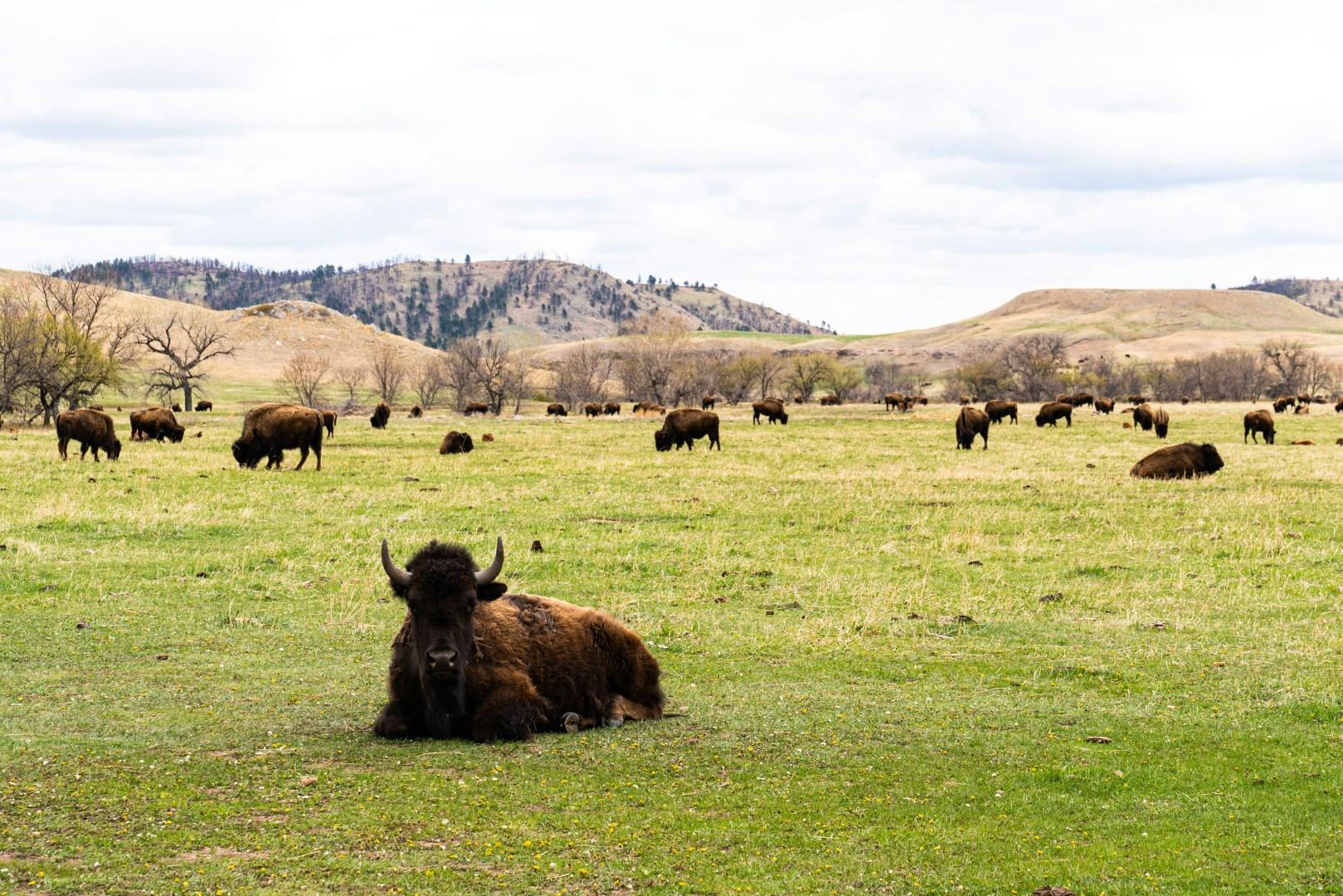
Custer
Nestled in the heart of the Black Hills, Custer, South Dakota is a small town with big stories. Established in 1875 during the Black Hills Gold Rush, Custer holds the distinction of being the oldest town in the region still in existence. Today, it serves as a gateway to some of South Dakota’s most iconic sights. With historic buildings, locally owned shops, and friendly diners lining Mount Rushmore Road, it offers a laid-back atmosphere that balances Old West charm with modern-day hospitality.

St. Maarten
St. Maarten, a dazzling island in the Caribbean, is renowned for its unique blend of Dutch and French cultures, reflecting its dual governance. The capital, Philipsburg, on the Dutch side, invites visitors with its vibrant Front Street, lined with duty-free shops, colorful markets, and charming eateries. The island’s cultural tapestry is further showcased in the Museum of Sint Maarten, where artifacts and exhibits illustrate the island's rich history and heritage.
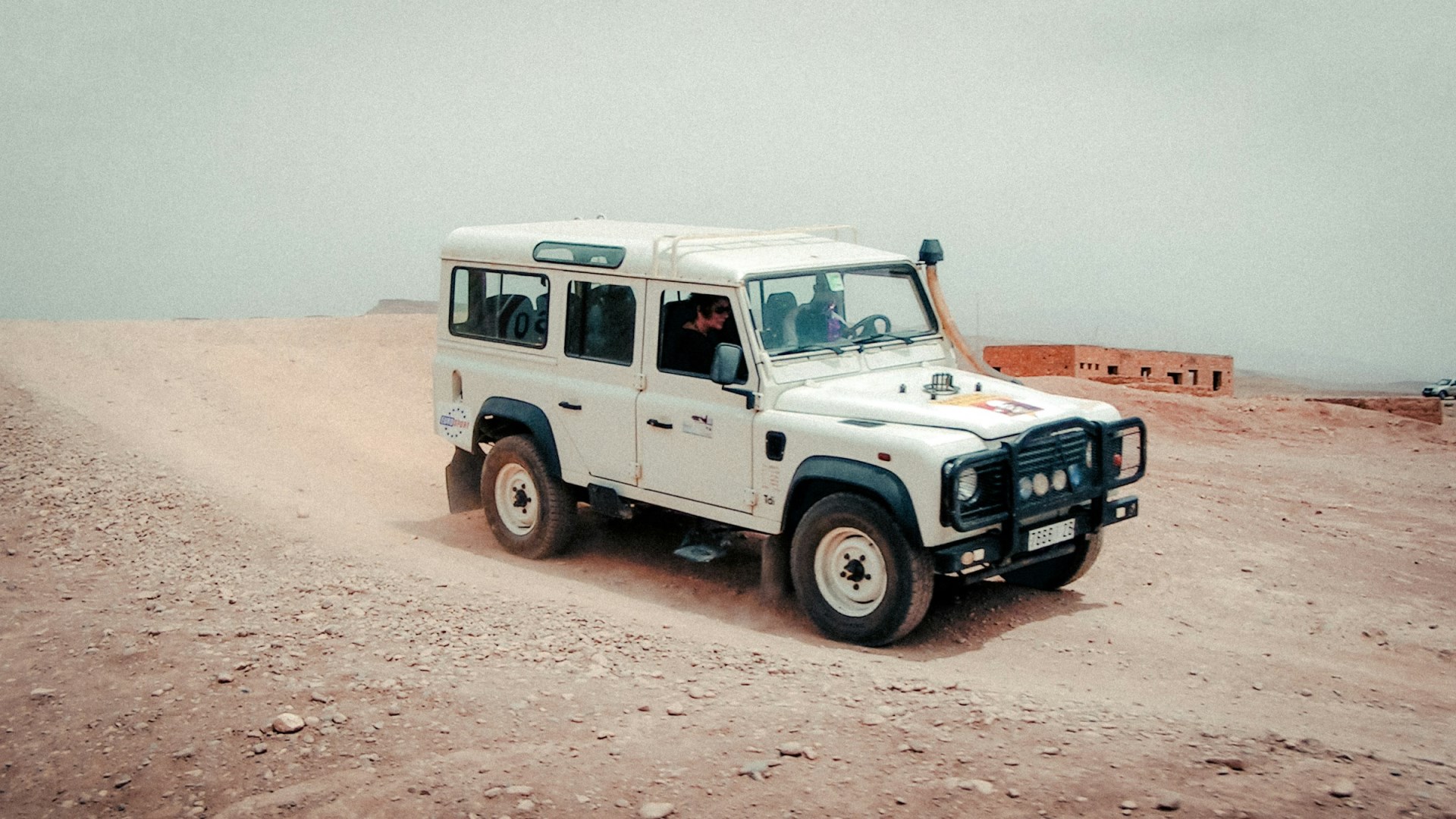
Tata
Set along the edge of the Anti-Atlas and the northern reaches of the desert, Tata offers a landscape shaped by sun, stone, and water. The town sits within a wide oasis valley, where palm groves stretch across the land in sharp contrast to the surrounding dry hills. Life here depends on careful use of water, and visitors quickly notice how every field and garden is planned with purpose. The result is a setting that feels both remote and deeply connected to the land.
