
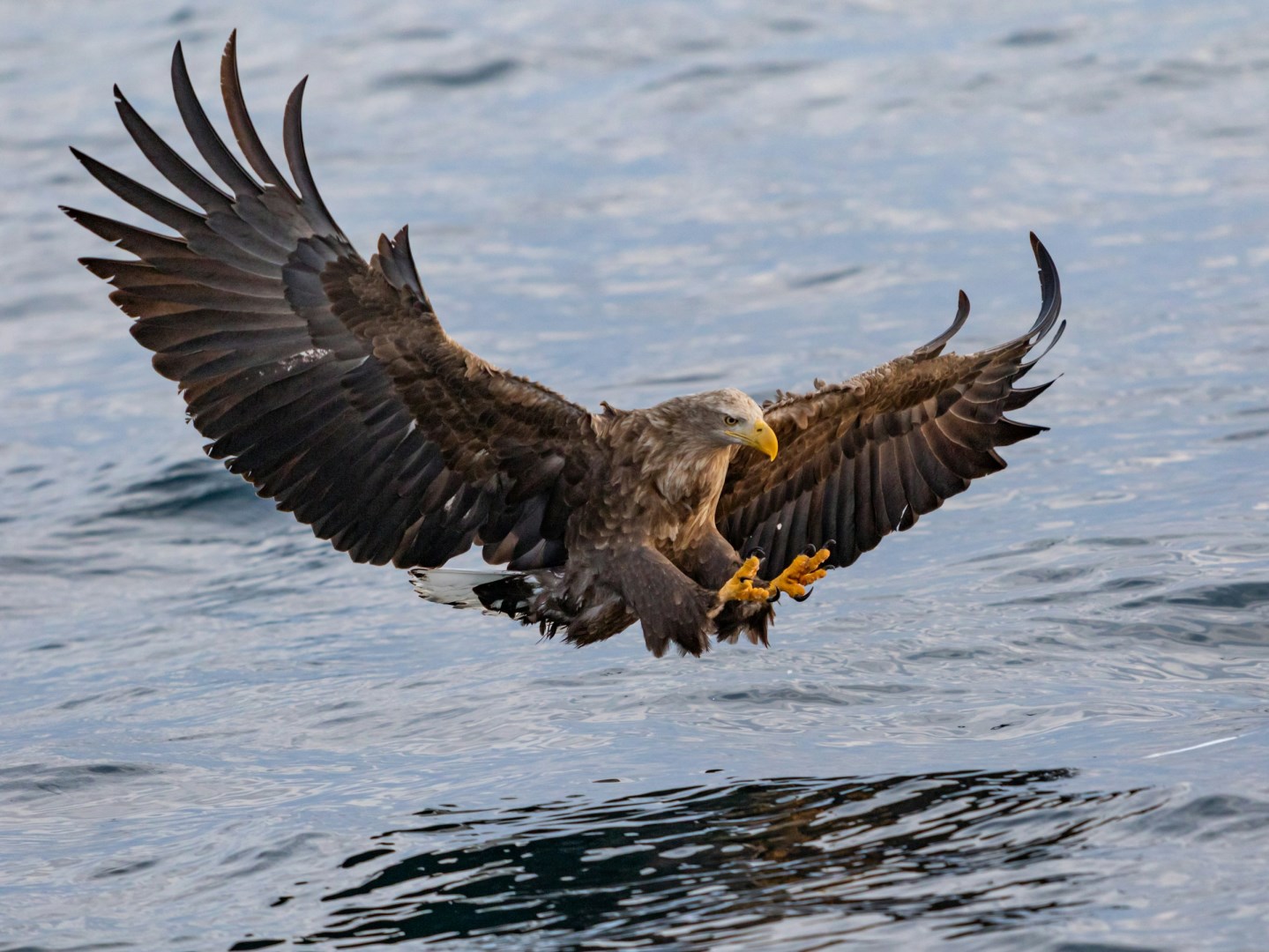
Hokkaido
Hokkaido is Japan's northernmost main island and the country's second-largest island, known for broad landscapes, volcanic mountains, forests, lakes, and a cooler climate than most of Japan. Sapporo serves as the prefectural capital and largest city, while smaller communities extend across farmland, coastlines, and mountain regions.

St. Kitts
St. Kitts, part of the twin-island federation of Saint Kitts and Nevis, is known for its volcanic landscape, coastal plains, and long stretches of shoreline. The island’s layout is shaped by its central peaks, including Mount Liamuiga, which rises above surrounding farmland and villages. Basseterre, the capital, serves as the main hub for commerce and government, with a harbor that regularly receives cruise ships.

Nagasaki
This beautiful port city and capital of the Nagasaki Prefecture is located on the island of Kyushu.

Pokhara
Pokhara, nestled in central Nepal, sits at the base of the Annapurna mountain range and has long served as both a rest stop for trekkers and a destination in its own right. What sets Pokhara apart is the rare opportunity to see 8,000-meter peaks like Machapuchare (Fishtail) and Annapurna I reflected in the calm waters of Phewa Lake. Early mornings are often the clearest, with boat rides offering peaceful views of snow-capped peaks mirrored in the lake.
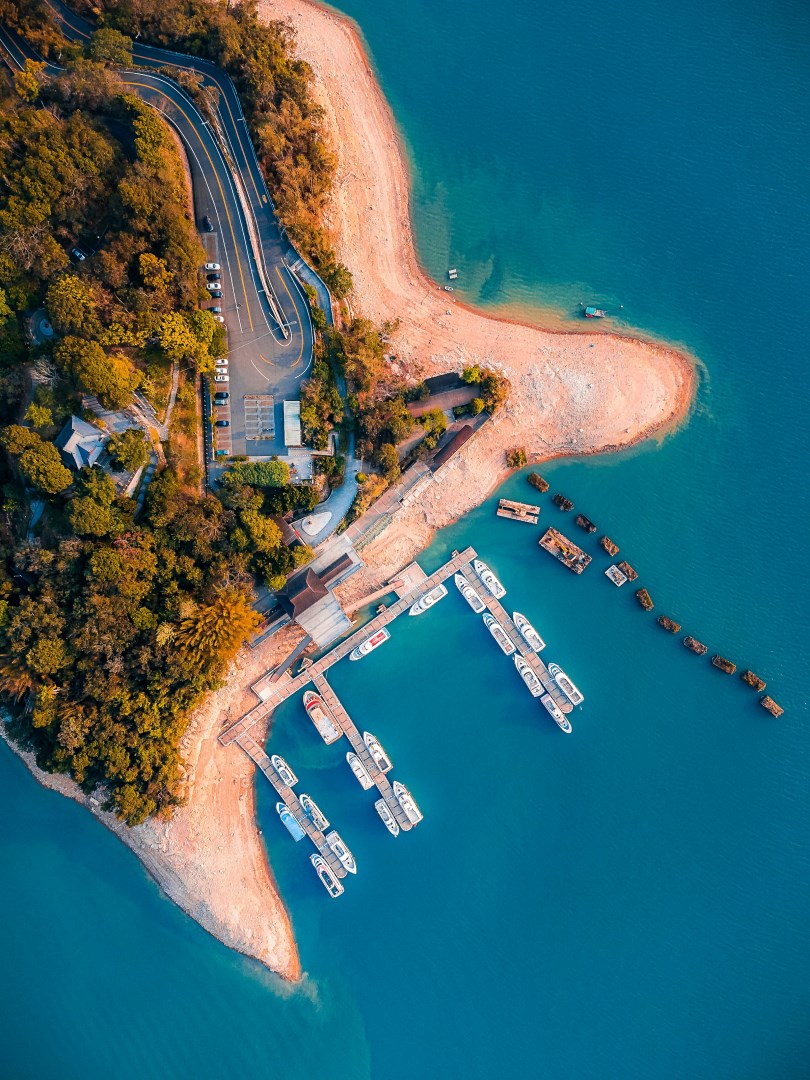
Sun Moon Lake
Sun Moon Lake is a mountain lake in Nantou County, central Taiwan, surrounded by forested hills and settlements. It is Taiwan's largest alpine lake and is known for the distinctive shape of its shoreline, which includes a smaller section resembling a crescent moon and a larger section associated with the sun. The lake sits within a scenic basin at an elevation of about 748 meters, creating a cooler setting than many lowland parts of Taiwan.
