
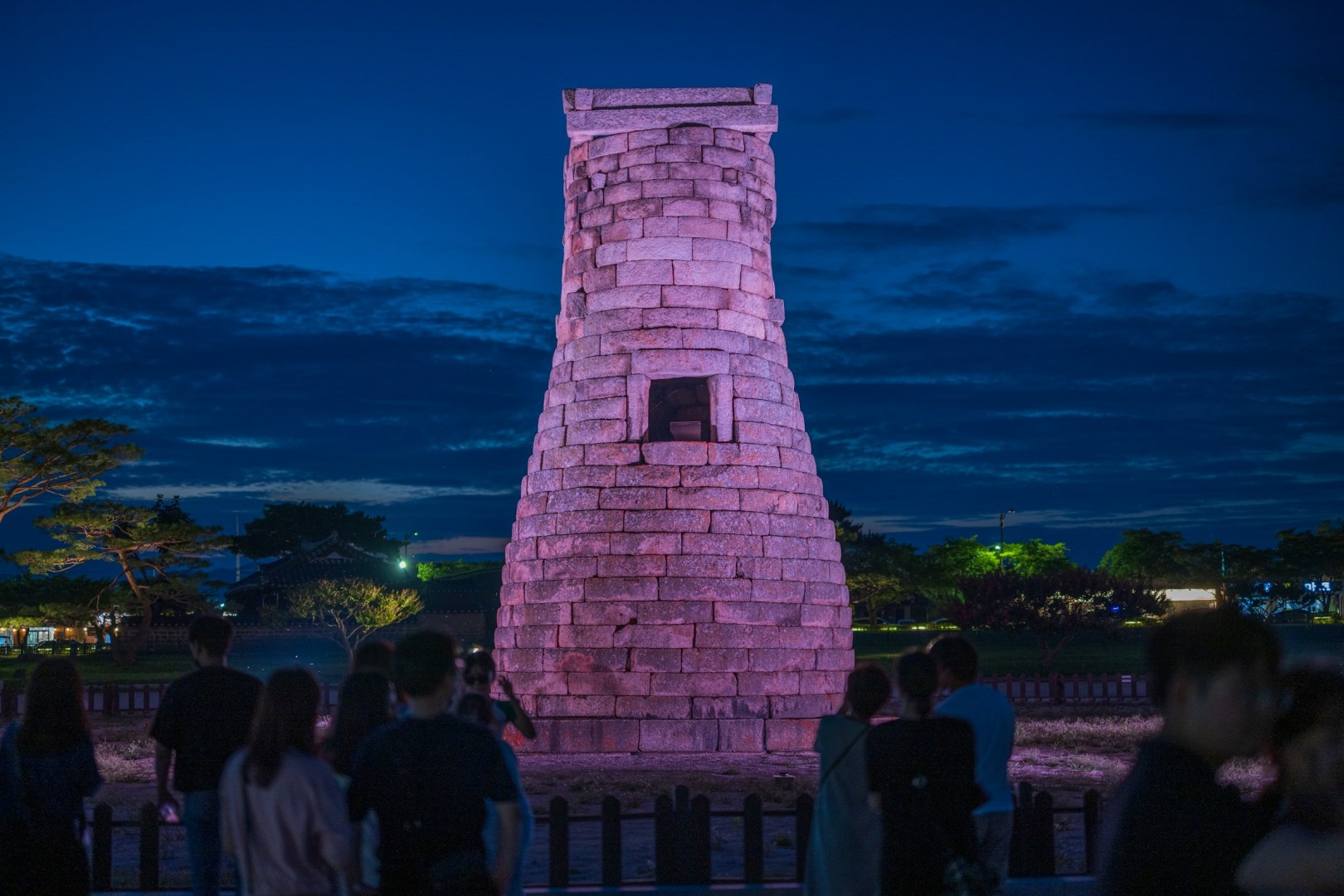
Gyeongju-si
Gyeongju-si is a historic city in southeastern South Korea known for its close connection with the Silla kingdom and its concentration of archaeological sites, temples, royal tombs, and Buddhist monuments. Much of the city’s heritage is spread across open landscapes rather than confined to a single historic center. The Gyeongju Historic Areas include Mount Namsan, the Wolseong area, royal tomb complexes, and the remains of major temples and palaces.

Takoradi
Sekondi-Takoradi, often referred to as the Western Region's commercial hub, is a dynamic urban area brimming with both historical charm and modern vibrancy. The twin cities, Sekondi and Takoradi, offer a unique blend of traditional culture and contemporary development.

Canberra
Canberra, the capital city of Australia, is a hidden gem that often surprises travelers with its rich blend of culture, history, and natural beauty. Designed by American architects Walter Burley Griffin and Marion Mahony Griffin, Canberra is a city thoughtfully crafted around Lake Burley Griffin, which offers picturesque views and serene walks. Unlike many cities, it is home to a vast population of kangaroos, which are often spotted hopping around suburban areas and parklands.
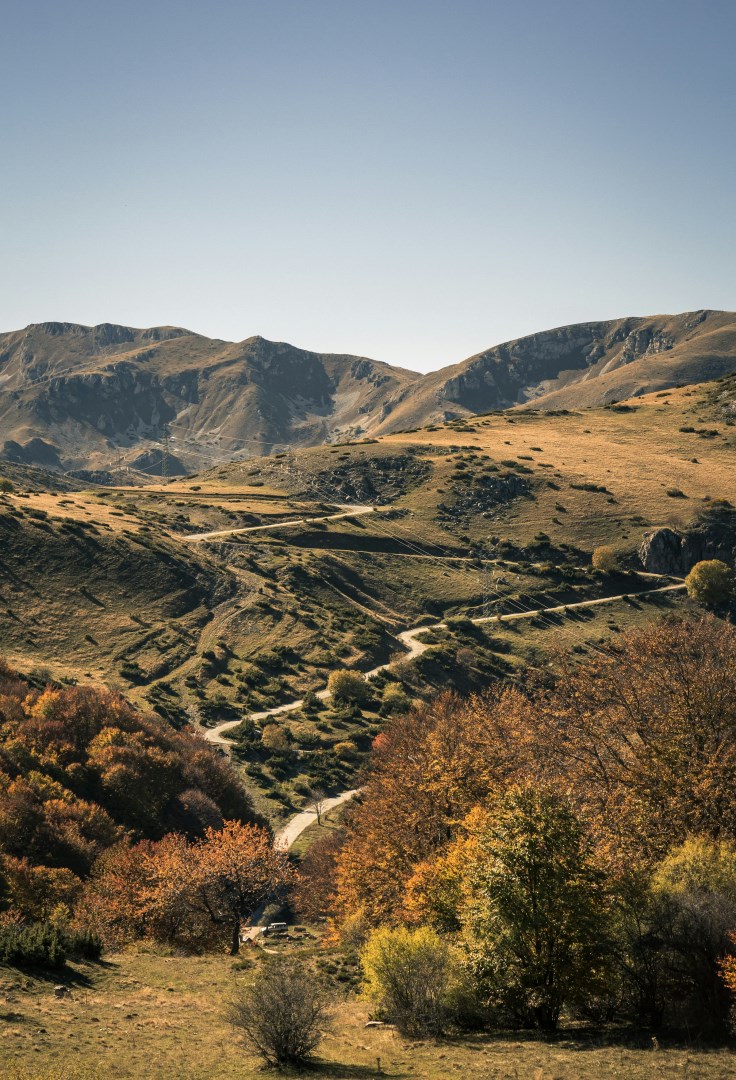
Macedonia
Macedonia, officially known as North Macedonia, is a country where ancient history and vibrant culture meet in a striking landscape. The capital city, Skopje, showcases a blend of old and new with its Ottoman-era bazaars sitting alongside modern sculptures and bridges. Visitors can explore the stone bridge, a symbol of the city, and wander through the Old Bazaar, where traditional crafts and local flavors invite discovery.
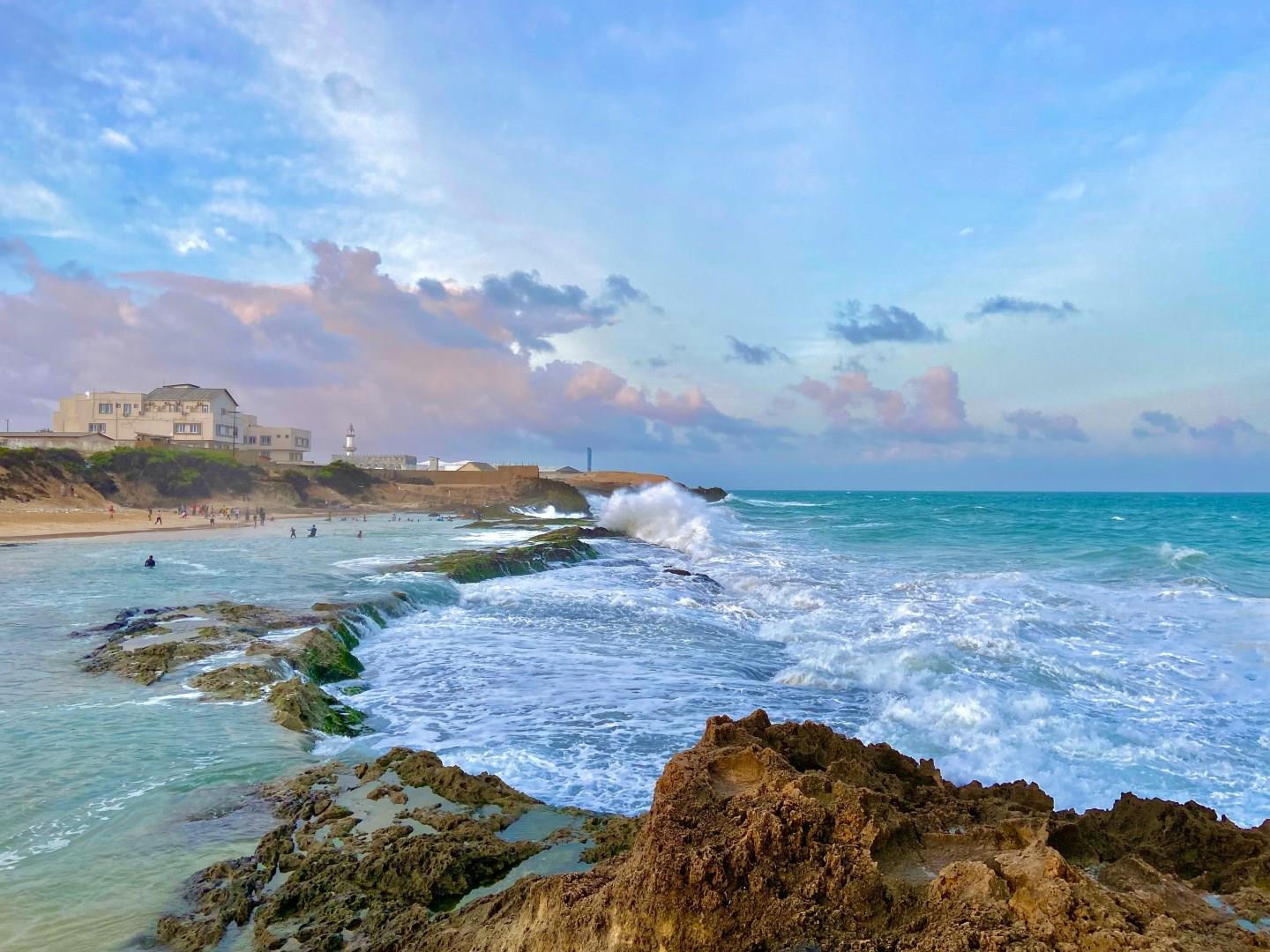
Somalia
Somalia, located on the Horn of Africa, is a land defined by its coastline, culture, and long history as a crossroads of trade. With the Indian Ocean and Gulf of Aden shaping much of its identity, Somalia has one of the longest coastlines in Africa, stretching over 1,800 miles.
