
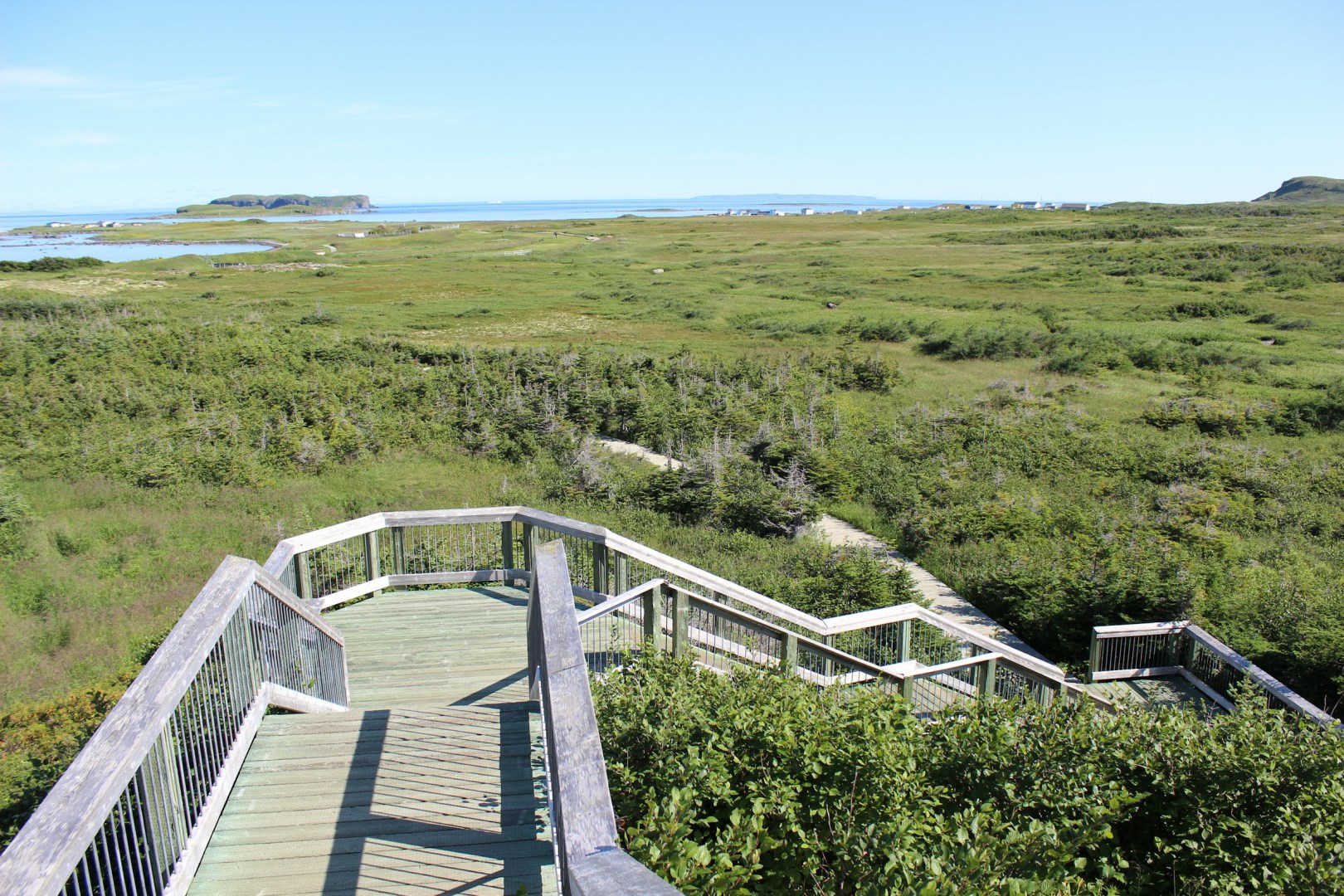
L'Anse Aux Meadows
L'Anse aux Meadows is a coastal settlement and archaeological site at the northern tip of Newfoundland's Great Northern Peninsula. The surrounding landscape consists of low coastal terrain, peat bogs, rocky shorelines, and exposed areas overlooking the Strait of Belle Isle. The area is best known for its Norse archaeological remains, which provide the earliest confirmed evidence of European presence in North America.

Vukovar
Vukovar, a city in eastern Croatia, stands as a poignant symbol of resilience and beauty. Its rich history is etched into its architecture and monuments, telling the story of its resilience during the Croatian War of Independence.
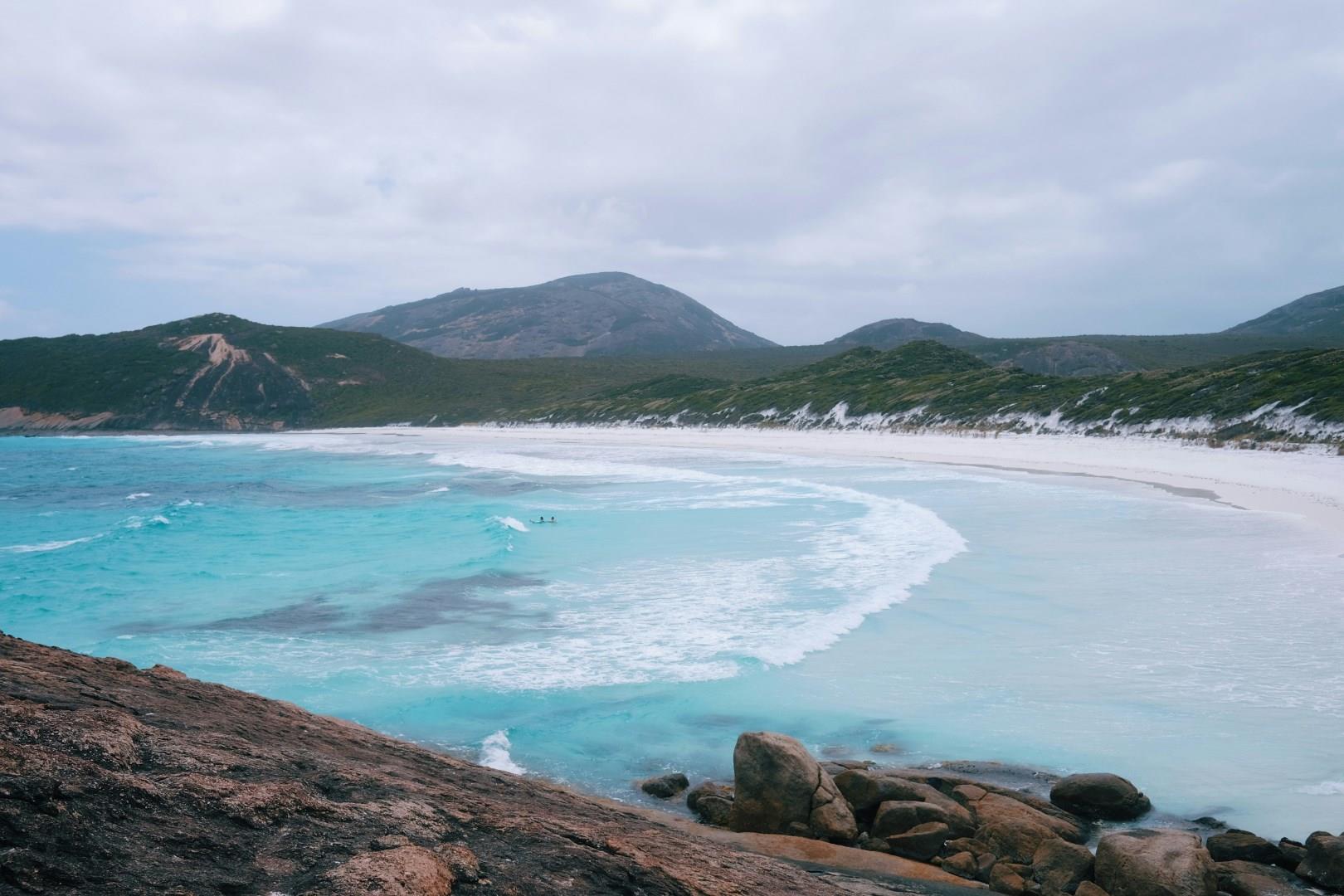
Esperance
Esperance sits on the southern coast of Western Australia, where wide blue seas meet miles of white sand beaches and rocky headlands. The coastal town grew from pearling and pastoral beginnings into a laid-back seaside destination with a backdrop of rugged terrain and ocean views.
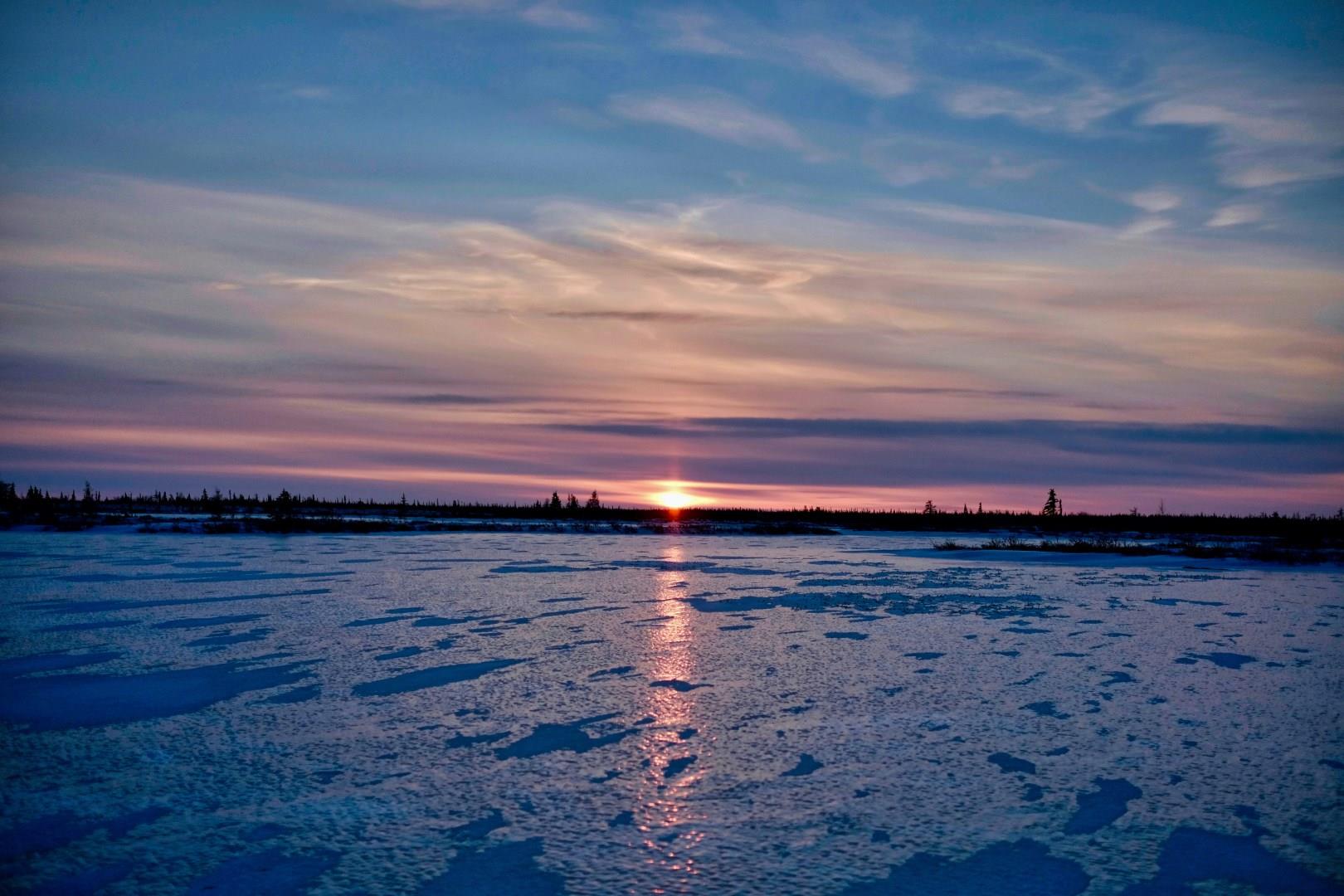
Churchill
Nestled along the shores of Hudson Bay in northern Manitoba, Churchill is a unique and captivating destination known for its remarkable wildlife and rugged beauty. Often referred to as the "Polar Bear Capital of the World," Churchill offers an unparalleled opportunity to witness these majestic creatures in their natural habitat. Each year, visitors flock to the town from October to November for the polar bear viewing season, when the bears migrate along the coast waiting for the bay to freeze.
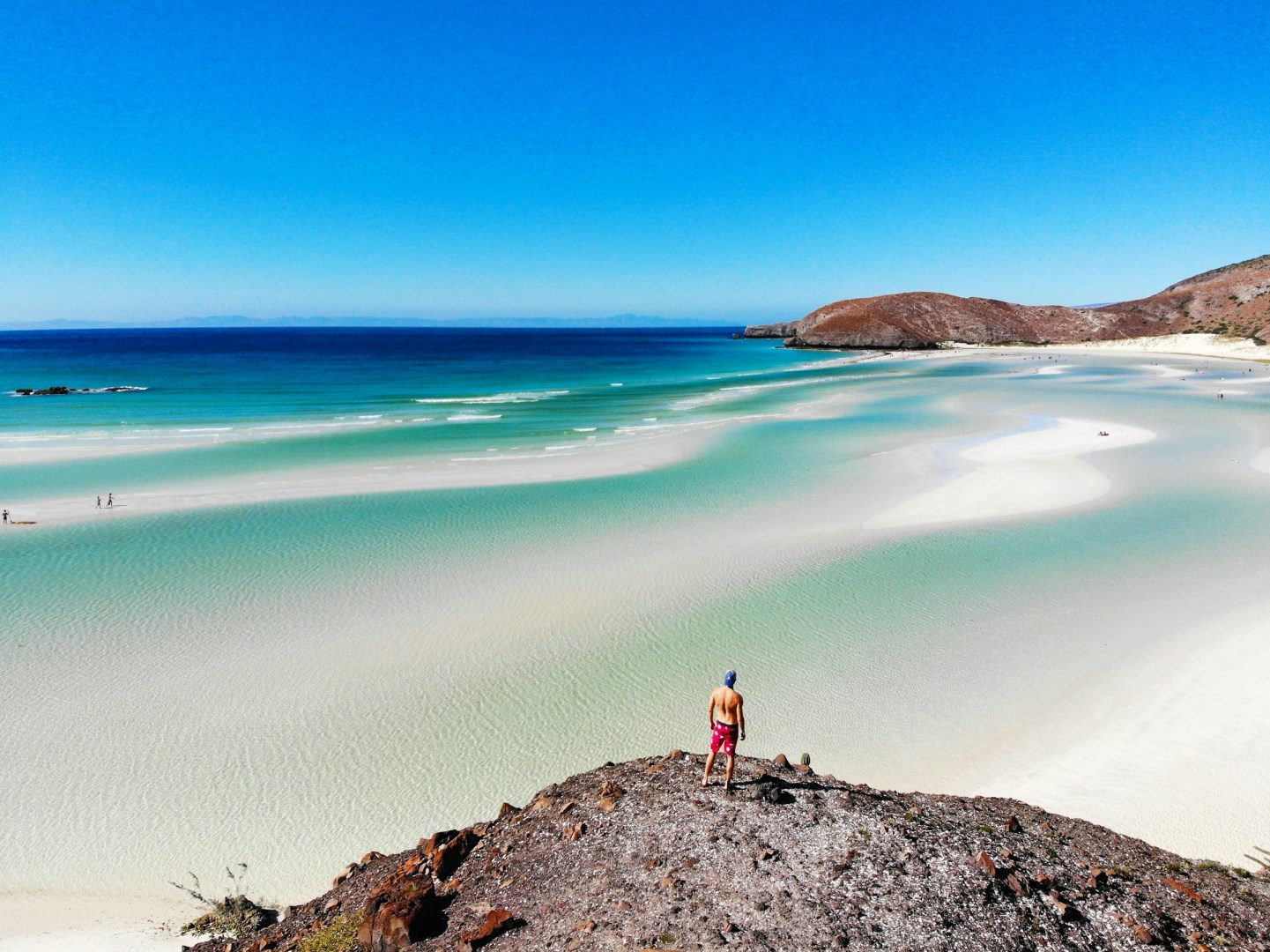
La Paz
Located on the Baja Peninsula of Mexico, below California. La Paz is famous for its fishing.
